

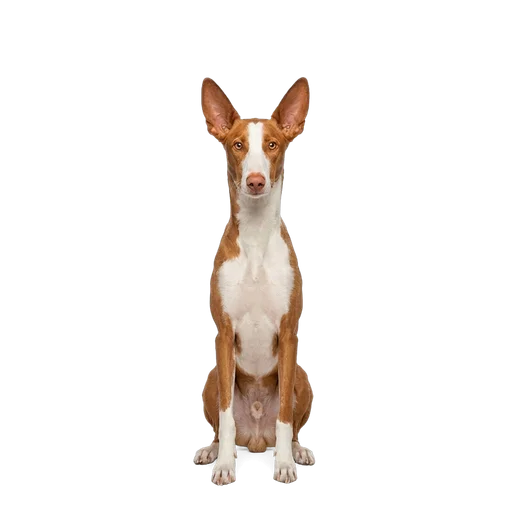
Origin: Spain
Ibizan Hound
Get reminders for your Ibizan Hound's vaccines
Vaccination and parasite reminders, food-safety scans and health records — free to start in the Pethls app.


Good for
The Ibizan Hound, or Podenco Ibicenco, is a tall, deer-like rabbit courser from Spain's Balearic Islands, instantly recognisable by its enormous upright ears and light, springy movement. Lean at 20 to 25kg and living 11 to 14 years, the Beezer (as owners call it) is polite, quiet and even-tempered indoors, then transforms into an astonishing athlete outside, clearing six-foot fences from a standstill when a rabbit demands it. The breed is generally healthy, with axonal dystrophy, congenital deafness and allergies the specific items to know about. This guide walks through the practical care of an Ibizan, from vaccination and lean-dog feeding to fencing reality, anesthesia sensitivity and the five-minute grooming routine.
Temperament & personality
Indoors, the Ibizan Hound is one of the easiest large dogs to live with: quiet, clean, gently affectionate and content to drape itself over the softest furniture available, which it will locate within minutes of arriving. They are even-tempered and polite rather than demonstrative, often reserved with strangers in an aloof, watchful way, warming up once introductions are done. Barking is minimal for most individuals. The large upright ears are always in motion, tracking sounds and giving the dog a permanently alert expression.
Outside is another matter. This is a working rabbit courser bred to hunt by sight, sound and scent over rough Balearic terrain, and it comes with the full package: serious prey drive, independence bred into a dog expected to work away from the hunter, and jumping ability that beggars belief. Ibizans clear six feet from a standstill, climb chain-link and have been known to bounce off a wall to get higher, so a five-foot fence is a suggestion, not a boundary. Six-foot solid fencing is the realistic minimum, and off-lead exercise belongs only inside it. Recall training helps and should be done, but no recall outranks a bolting rabbit.
Family life suits them well. They are gentle and patient with respectful children, though their size and bounce can flatten toddlers by accident, and they usually get on smoothly with other dogs. Cats and small pets sit firmly in the prey category for most individuals; a few raised with cats from puppyhood manage indoor coexistence, but it can never be taken for granted. Training works when it is fun, brief and rewarded; this is a thinking breed that complies with people it trusts and stonewalls drill sergeants. Many are also skilled counter-surfers, since a dog that jumps six feet considers your worktop ground level.
Vaccination schedule
Ibizan puppies follow the core schedule used for all dogs: DHPP (distemper, adenovirus hepatitis, parvovirus and parainfluenza) starting at six to eight weeks of age, repeated every three to four weeks until the final puppy dose at 16 weeks or older. That series exists because maternal antibody interference varies pup to pup; the last dose at 16-plus weeks is the one that reliably takes. A booster follows at a year of age, then core boosters every one to three years according to your vet's protocol and local licensing.
Rabies vaccination is legally required across most regions, typically from 12 to 16 weeks of age with a booster at one year and then every one to three years. A fair number of Ibizans and podenco crosses arrive through Spanish rescue channels. A dog imported from Spain will usually already be rabies-vaccinated for travel, so hand the passport or health certificate to your vet so the schedule continues correctly rather than restarting.
Lifestyle vaccines round things out. Leptospirosis suits dogs with rural or waterside exercise, kennel cough vaccination is usually required for boarding, daycare and organised dog sports, and Lyme vaccination is worth discussing in heavy tick country. Ibizans that compete in lure coursing (the safe, fenced sport that channels the breed's rabbit-chasing instinct at an artificial lure) or agility mix with dog crowds from a wide area, so competing dogs sensibly carry the fuller set.
Best food & diet
An Ibizan in correct condition looks alarmingly thin to the average passer-by: visible ribs, sharp waist, hip bones you can find without pressing. Expect comments on walks and ignore them, because this is the breed's healthy working shape and padding it with extra weight strains joints and blunts the dog. Adults at 20 to 25kg typically need around 900 to 1100 calories a day from a quality complete food on ordinary walking days, with the higher end (and beyond) reserved for the biggest, most active dogs; hard coursing or working days can push a lean individual past 1300. Feed to keep the working shape rather than to a fixed number, adjust to condition, and split into two meals.
Splitting food into two meals is simply good practice for larger dogs. Avoid single giant meals, and keep hard exercise at least an hour away from food in either direction.
Growth deserves patience. Ibizan puppies shoot up as gangly, narrow adolescents and can look underfed even on generous rations; resist the urge to push food, since slow lean growth protects developing joints, and the breed does not finish filling out until two to three years old. Feed a large-breed puppy formula with controlled calcium through the first year. Adults with allergic skin, which occurs in the breed, often do well with added fish oil for omega-3s while the underlying allergy gets a proper workup. Picky eating happens in hot weather and in stressed dogs; warm water or a spoon of wet food on the kibble usually fixes it.
Common health problems
The Ibizan Hound is a generally healthy breed with a lifespan of 11 to 14 years, and a well-bred one may see the vet for little beyond routine care. Three breed-specific items still belong on your radar.
Axonal dystrophy is the rare one: an inherited neurological disease documented in the breed in which nerve fibers degenerate, producing wobbliness, tremors and coordination loss that typically appears in young dogs and worsens over time. There is no treatment, which is exactly why it matters at the buying stage; ask breeders directly about neurological disease in their lines and how they select against it. It remains rare, but rare-breed gene pools are small enough that honest conversations count. Congenital deafness is the second item, occurring in some Ibizans in one or both ears. Responsible breeders BAER-test litters (a hearing test done on puppies), so ask to see results; a unilaterally deaf dog makes a fine pet. Just know before training starts why it sometimes fails to respond from one side.
Allergies, mostly skin-based, are the third and are covered below. Beyond those, most of what stands out about the breed is build rather than disease. The Ibizan is a lean sighthound-type breed with minimal body fat, which means anesthesia and sedation protocols must account for the build (see the medication section), thin skin that tears on wire and thorns during hard running, and poor cold tolerance that makes a winter coat standard equipment. As with any dog, report unexplained neurological signs such as seizures to your vet if they ever occur, and older dogs face the usual cancers of any large athletic breed.
Allergies & skin
Allergies are one of the breed's few recurring complaints, and in dogs they usually show up on the skin: chewed paws, itchy armpits and belly, recurrent ear trouble in those large open ears, or a seasonal scratch that returns each year. Environmental atopy is the most frequent culprit, flea-bite allergy the most preventable, and food allergy the least common despite the marketing around it. Like any dog, an Ibizan can react to an insect sting with facial swelling or hives, which usually responds fast to veterinary treatment but should be seen the first time it happens.
Diagnosis is a process of elimination worth doing properly. Airtight flea prevention comes first, since one bite sustains weeks of itching in an allergic dog. If food is suspected, only a strict eight-to-twelve-week trial on a prescription hydrolyzed or novel-protein diet gives an answer; shop-bought allergy test kits do not. Confirmed environmental allergy is very manageable today with drugs like oclacitinib, monthly lokivetmab injections or desensitising immunotherapy, and the short coat makes response easy to see.
That near-naked coat needs a little protection of its own. White and pale areas of skin, and the thin, upright ears, can sunburn in strong summer light, so provide shade and consider dog-safe sunscreen on pink ear tips during peak season. Elbow calluses develop quickly when a bony dog sleeps on hard floors; thick bedding prevents them. The breed is not hypoallergenic for allergy-suffering humans. Shedding is light and the hair is short, which helps some people, but the allergenic dander and saliva proteins are still produced.
Flea, tick & worm prevention
Keep an Ibizan on year-round flea and tick prevention. The allergy-prone individuals in this breed make flea control non-optional, and a hound that hunts hedgerows and long grass at full speed collects ticks efficiently in season. Isoxazoline chews given monthly or every twelve weeks are the usual first choice, with spot-ons as an alternative; agree the product with your vet. Avoid old organophosphate products and use permethrin-based sprays cautiously if at all, since lean sighthound-type breeds have less margin with legacy chemistry, and modern preventives are simply better.
After country walks, run your hands over the dog with attention to the ear bases (easy to check on those upright ears), armpits, groin and between toes, and remove ticks promptly with a proper twisting tool. In Mediterranean climates, including the breed's Spanish homeland, sandfly-borne leishmaniasis is a real threat, so dogs living in or travelling to southern Europe need a deltamethrin collar or repellent regime and, ideally, the leishmaniasis vaccine; ask a local vet, and mention it if you adopt a podenco imported from Spain, since testing may be sensible.
Worming follows the standard framework: every two weeks until 12 weeks old, monthly until six months, then typically every three months as adults with broad-spectrum cover. Adjust upward for lifestyle, because an Ibizan that actually catches rabbits or rodents, and plenty do, needs more frequent tapeworm treatment with praziquantel, since prey animals are the tapeworm's delivery vehicle. In heartworm regions, monthly prevention is mandatory; UK owners should discuss lungworm cover if slugs and snails visit the garden.
Medications & dosing
Medication for an Ibizan Hound is dosed by weight, and lean athletic dogs are systematically misjudged by eye, usually guessed heavier than they are because of their height. A real scale reading matters, and every dose belongs in your vet's hands. Never give human medications: ibuprofen, paracetamol, naproxen and cold remedies all injure dogs at doses people find hard to believe, and the safe-looking pill on the counter is not worth the gamble to a dog that can reach the counter without jumping.
Anesthesia is the breed-critical conversation. Ibizans share the sighthound build of very low body fat and high lean mass, with the altered drug handling that goes along with it; the old thiobarbiturate anesthetics were genuinely dangerous for such breeds. Modern drugs like propofol and gas anesthesia are safe when the clinic plans for a sighthound: dosing to lean body weight, active warming (low-fat dogs lose heat fast under anesthesia) and unhurried, monitored recoveries. Say the word sighthound to every new clinic before any sedation, including dentals and X-rays, and it will trigger the right protocol. The breed literature also notes sensitivity to some older sedatives and even certain insecticides, one more reason to stick to modern products.
Day-to-day medication is otherwise routine. Anti-itch drugs for allergic dogs run long-term at weight-based doses and should be recalculated whenever weight changes. Dog-licensed anti-inflammatories handle the strains and muscle pulls an explosive athlete occasionally self-inflicts, given with food and never combined with steroids. Skin tears from wire or thorns are the breed's classic minor injury; keep a basic wound kit at home, but anything gaping needs sutures the same day, and thin sighthound skin rewards a vet's needlework over hope.
Grooming & coat care
Grooming an Ibizan Hound takes about five minutes a week, which is roughly what the breed's hunters on Ibiza had to spare. The coat comes in two varieties: smooth, which is short and glossy, and wire, which is harsh, one to three inches long, often with a mustache that gives the dog a professorial look. Both shed lightly. The smooth coat needs a weekly rubdown with a hound glove or rubber mitt; the wire coat wants a weekly brush and an occasional stripping-out of dead hair a couple of times a year, but nothing like the sustained coat work of a true terrier. Neither variety is trimmed or clipped for the show ring; the breed is presented naturally.
Baths happen rarely, every couple of months at most or after a memorable roll in something, and the breed carries very little odor. Dry the dog thoroughly in cold weather because there is no undercoat to hold warmth, and in winter treat a fitted coat as essential kit for a breed this lean; an Ibizan standing in a January wind is a picture of misery. Check the big upright ears weekly. Their open design actually ventilates well, so infections are less common than in drop-eared breeds, but dust, grass seeds and the odd tick find their way in.
Nails need attention every three to four weeks, since even road work will not keep up with them all, and long nails genuinely change the gait of a running breed. Introduce clippers or a grinder early, because a dog this athletic and this tall is impossible to trim by force. Brush teeth several times a week from puppyhood. Finish each grooming session with the hands-on health check that lean, thin-skinned running dogs need: fingers over the ribs, along each leg and across the flanks for nicks, thorns, lumps and ticks picked up since last week.
How the Ibizan Hound compares
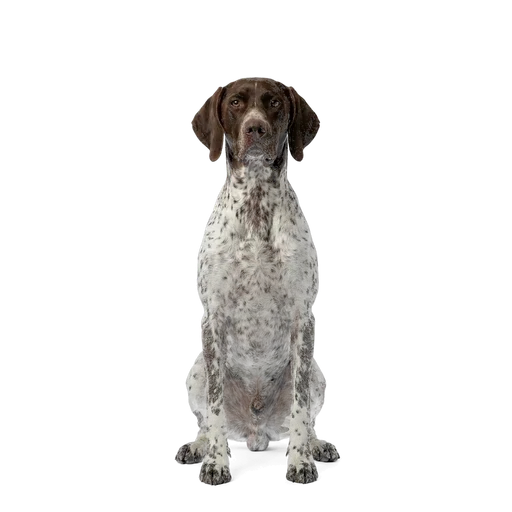
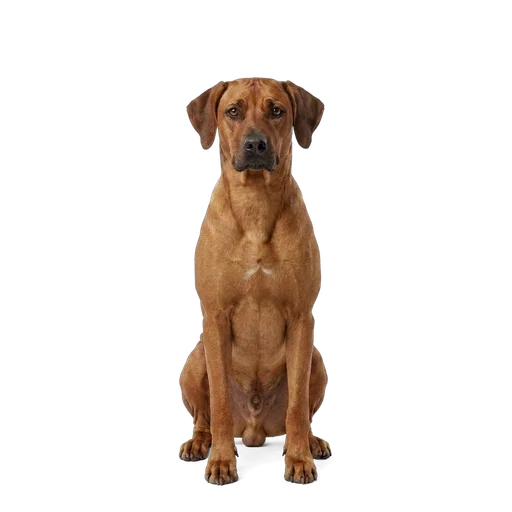
Deciding between similar breeds? Here is the Ibizan Hound next to Pointer and Rhodesian Ridgeback.
| Ibizan Hound | Pointer | Rhodesian Ridgeback | |
|---|---|---|---|
| Size | Large | Large | Large |
| Weight | 20-25 kg | 20-34 kg | 29-41 kg |
| Lifespan | 11-14 yrs | 12-17 yrs | 10-12 yrs |
| Activity | Active | Active | Active |
| Shedding | Low | Low | Low |
| Good with kids | Yes | Yes | Yes |
| Apartment-friendly | Yes | No | No |
Frequently asked questions
How high can an Ibizan Hound really jump?
Six feet from a standstill is well documented, and motivated dogs climb or ricochet even higher. This is why breed clubs insist on six-foot solid fencing as the minimum for a garden, and why an unfenced yard or a five-foot chain-link boundary is not containment for this breed. Indoors, expect counter-surfing; a worktop is no obstacle.
What is axonal dystrophy in Ibizan Hounds?
A rare inherited neurological disease documented in the breed, in which nerve fibers degenerate and cause progressive wobbliness, tremors and loss of coordination, usually appearing in young dogs. There is no treatment, so prevention happens at the breeding level. Ask breeders directly about neurological disease in their lines before buying.
Are Ibizan Hounds good apartment dogs?
Surprisingly workable, with one big condition. Indoors they are quiet, clean, calm and rarely bark, which suits flats well. The condition is daily exercise including regular sprints in a securely fenced area, because a bored, under-run Ibizan will invent athletic indoor hobbies you will not enjoy.
Can Ibizan Hounds live with cats or small pets?
Usually not safely. The breed was developed to course rabbits and most Ibizans treat cats, rabbits and rodents as prey, especially anything that runs. Some dogs raised from puppyhood with a specific indoor cat manage careful coexistence, but it should never be assumed, and outdoor or visiting cats remain at real risk.
Why does my vet need to know my Ibizan is a sighthound?
Because lean sighthound-type breeds carry very little body fat and metabolize some anesthetic and sedative drugs differently, older protocols could be dangerous for them. Modern anesthesia is safe when the clinic doses to lean body weight, keeps the dog warm and monitors recovery. Mention it before every sedation, including routine dentals.
Related breeds

Health and care information is drawn from established veterinary sources and is general guidance, not veterinary advice. See our sources
Keep records for your Ibizan Hound
Vaccinations, food and treat safety, allergy alerts and parasite reminders - all tracked for your Ibizan Hound in the Pethls app.