

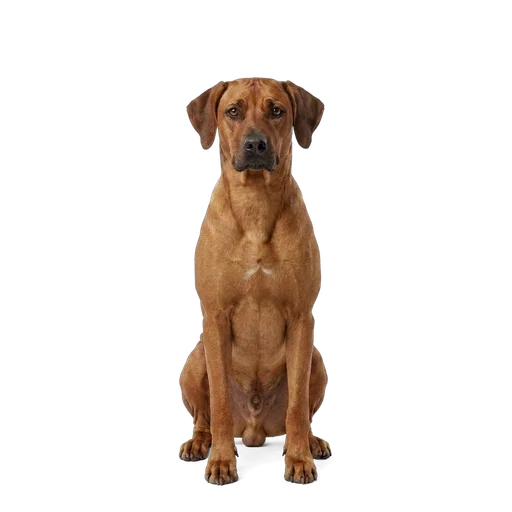
Origin: Zimbabwe
Rhodesian Ridgeback
Get reminders for your Rhodesian Ridgeback's vaccines
Vaccination and parasite reminders, food-safety scans and health records — free to start in the Pethls app.


Good for
The Rhodesian Ridgeback is a large, muscular hound from southern Africa, named for the distinctive strip of backward-growing hair along its spine. Bred to track big game and hold lions at bay until the hunter arrived, this is a strong, athletic dog with real stamina and a mind of its own. At home the Ridgeback is quiet, dignified and deeply affectionate with its own people, though it stays cool and watchful around strangers. That combination of power, independence and a serious prey drive means it does best with a confident owner who can lead through calm, consistent training. Get that right and you have one of the most loyal and even-tempered companions in the hound world.
Temperament & personality
Ridgebacks are calm and self-possessed indoors, often content to lie near the family for hours. That quiet confidence hides a dog with a strong will. They were bred to make decisions alone in the field, so they think for themselves and will happily ignore a command they see no reason to follow. Training works best when you make it worth their while and stay patient rather than heavy-handed.
With their household this breed is warm, gentle and genuinely bonded, and most do well with children they have grown up alongside. Toward unfamiliar people and dogs they are reserved, and males in particular can be pushy with other dogs of the same sex. Early, thorough socialization matters a great deal here.
The hunting heritage shows up as a high prey drive. A Ridgeback that spots a running cat, squirrel or rabbit can switch off entirely and give chase, which is why a securely fenced yard and a reliable recall are non-negotiable. They are poorly suited to first-time owners and to apartment life without a serious daily exercise plan. A bored, under-exercised Ridgeback will find its own entertainment, usually by digging or destroying something.
Vaccination schedule
Ridgeback puppies follow the standard core vaccine plan. The main combination shot is DHPP, which covers distemper, hepatitis (adenovirus), parvovirus and parainfluenza. Puppies get a series of these starting around 6 to 8 weeks, with boosters every 3 to 4 weeks until they are roughly 16 weeks old, because immunity from the mother's milk can otherwise block an early single dose.
Rabies is given once between 12 and 16 weeks depending on local law, then boosted a year later and after that every 1 to 3 years according to the vaccine used and where you live. Keep the puppy away from unvaccinated dogs and public dog areas until the series is finished.
Leptospirosis is now a core vaccine recommended for every dog. It takes a 2-dose puppy series, then an annual booster, which is more frequent than the every-3-years DHPP core boosters. Time spent hiking near wildlife and standing water raises the exposure risk and is a good reason not to skip that yearly booster, but the vaccine is advised for all Ridgebacks regardless of lifestyle. Bordetella (kennel cough) and canine influenza remain non-core and are worth discussing if your Ridgeback boards, visits daycare, or spends a lot of time around other dogs. Ask your vet which of these your dog actually needs, and confirm the adult booster plan at the same time.
Best food & diet
As a large, athletic breed the Ridgeback needs a complete diet built for its size and activity level. Look for a food where a named meat is the first ingredient and the protein and fat levels match how much your dog actually works. A hard-running adult burns far more than a couch-loving senior, so portion to the dog in front of you and adjust with the seasons.
Growth is the stage to get right. Feed a large-breed puppy formula with controlled calcium and a sensible calorie density so the skeleton matures at a steady pace. Overfeeding a fast-growing puppy loads the developing joints and raises the risk of orthopaedic problems later, so keep young Ridgebacks lean rather than roly-poly.
Because this is a deep-chested breed, feed two measured meals a day rather than one big bowl, and avoid hard exercise right before and after eating. Keep an eye on body condition month to month, since Ridgebacks hide weight gain well under all that muscle. Fresh water should always be available.
Common health problems
The signature breed concern is dermoid sinus, a congenital defect where the skin fails to separate cleanly from the neural tube during development. It shows as a small tube or opening in the skin along the midline of the back or neck, sometimes connecting all the way to the spinal cord. Because it can become infected or cause neurological problems, affected puppies are usually identified at birth and the sinus is surgically removed. Responsible breeders check every pup and do not breed from affected lines.
Juvenile myoclonic epilepsy is another condition documented in the breed. Affected dogs show brief muscle jerks, usually first appearing between about 6 weeks and 18 months of age, sometimes triggered by light or the moment of falling asleep. A DNA test is available, so ask any breeder whether the parents were screened. Most cases are managed well with veterinary guidance.
Like most large dogs, Ridgebacks can sometimes develop hip dysplasia and elbow dysplasia, where the joint forms poorly and leads to arthritis over time. Hypothyroidism, an underactive thyroid that causes weight gain, low energy and coat changes, is also seen and is controlled with a daily tablet once diagnosed. Buying from a breeder who hip-scores, elbow-scores and DNA-tests their dogs stacks the odds in your favor.
Allergies & skin
The short, dense Ridgeback coat is generally low-maintenance and the breed is not especially allergy-prone compared with many others. When skin trouble does appear it usually shows as itching, redness, recurrent ear infections or licking at the paws, and the cause is often environmental allergens such as pollen, dust mites or grass rather than anything exotic.
Food-related reactions are less common but do happen. If a Ridgeback has ongoing itchy skin or digestive upset, your vet may suggest a proper elimination diet using a single novel protein for eight to twelve weeks to pin down the trigger. Guesswork with over-the-counter foods rarely settles the question.
Anything unusual along the spine deserves special attention in this breed. A weepy spot, a small opening or a tuft of hair growing from a pit over the back could relate to a dermoid sinus rather than an ordinary skin allergy, so have it examined rather than treated at home.
Flea, tick & worm prevention
Ridgebacks are active outdoor dogs that hike, run and explore, all of which brings them into contact with fleas and ticks. Keep them on a year-round parasite preventive suited to your climate, whether that is a monthly chew, a spot-on or a long-acting collar. In tick-heavy regions this matters even more because ticks carry serious diseases like Lyme and ehrlichiosis.
Worming covers the internal parasites, roundworms, hookworms, whipworms and tapeworms. Puppies are wormed frequently, often every 2 weeks until 12 weeks of age, then monthly to around 6 months, after which most adults move to a routine every 3 months. Dogs that hunt, scavenge or eat prey may need worming more often.
Heartworm prevention is essential in areas where the parasite is present, since it is spread by mosquitoes and is far easier to prevent than to treat. Many modern products combine flea, worm and heartworm cover in a single monthly dose. Your vet will match the specific products to your region and your dog's habits.
Medications & dosing
Almost every canine medication, from wormers and preventives to antibiotics and pain relief, is dosed by body weight. A big Ridgeback of 40 kilograms needs far more of a drug than a small terrier, so accurate weighing is the foundation of safe dosing. Weigh your dog at the clinic rather than estimating, especially for young dogs that are still growing.
Give only what your vet has prescribed and finish the full course of any antibiotic even if your dog looks better early. Never reach for human painkillers such as ibuprofen or paracetamol, which are toxic to dogs and can cause serious kidney, liver or gut damage.
Keep a simple record of what you give and when, particularly for monthly preventives, so doses are not missed or doubled up. If your Ridgeback is on long-term medication for something like hypothyroidism or epilepsy, keep up with the recommended blood tests so the dose can be adjusted as the dog changes.
Grooming & coat care
Grooming a Ridgeback is refreshingly simple. The short, sleek coat sheds only lightly and a quick weekly brush with a rubber mitt or bristle brush removes loose hair and keeps the coat glossy. They stay fairly clean and have little doggy odor, so bathing is only needed every few months or when they roll in something they shouldn't.
The rest is basic upkeep. Trim the nails every few weeks, since these are heavy dogs and overgrown nails change how they stand and move. Brush the teeth several times a week, and check the ears now and then for wax or redness.
Because the coat is so short, remember that Ridgebacks have very little protection against cold or strong sun. They feel the cold quickly in winter and can sunburn on thin-haired areas, so a coat in freezing weather and shade in strong sun are sensible. While grooming, run your hands along the back and spine so you notice any lumps, sores or the tell-tale signs of a dermoid sinus early.
How the Rhodesian Ridgeback compares
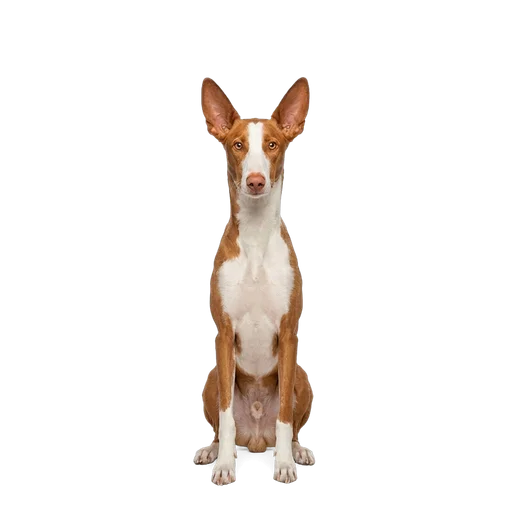
Deciding between similar breeds? Here is the Rhodesian Ridgeback next to Ibizan Hound and Pointer.
| Rhodesian Ridgeback | Ibizan Hound | Pointer | |
|---|---|---|---|
| Size | Large | Large | Large |
| Weight | 29-41 kg | 20-25 kg | 20-34 kg |
| Lifespan | 10-12 yrs | 11-14 yrs | 12-17 yrs |
| Activity | Active | Active | Active |
| Shedding | Low | Low | Low |
| Good with kids | Yes | Yes | Yes |
| Apartment-friendly | No | Yes | No |
Frequently asked questions
Are Rhodesian Ridgebacks good for first-time owners?
Not usually. They are strong, independent and highly driven, with a prey instinct that needs managing. A Ridgeback rewards an experienced, confident owner who can commit to firm, consistent training and plenty of exercise, and can overwhelm someone new to large working breeds.
How much exercise does a Rhodesian Ridgeback need?
A lot. Plan on at least one to two hours a day of real activity, such as long walks, a run, or a secure off-lead gallop, plus mental work like scent games. Under-exercised Ridgebacks become restless and destructive.
What is a dermoid sinus?
It is a congenital defect specific to ridged breeds, caused by incomplete separation of the skin from the neural tube early in development. The result is a small tube or opening along the midline of the back or neck, which can extend down toward the spinal cord and become infected, so affected puppies are checked at birth and the sinus is removed surgically.
Do Rhodesian Ridgebacks get along with other pets?
It depends on the dog and the upbringing. They can live peacefully with dogs and cats they were raised with, but a strong prey drive makes them likely to chase small running animals, and same-sex dog conflicts are not unusual. Early socialization and careful introductions are key.
Do Rhodesian Ridgebacks shed a lot?
No. The short coat sheds only lightly year-round and needs little more than a weekly brush. They are easy to keep clean but are not hypoallergenic, so they still produce the usual dander that affects allergy sufferers.
Related breeds


Health and care information is drawn from established veterinary sources and is general guidance, not veterinary advice. See our sources
Keep records for your Rhodesian Ridgeback
Vaccinations, food and treat safety, allergy alerts and parasite reminders - all tracked for your Rhodesian Ridgeback in the Pethls app.