

Origin: Iceland
Icelandic Sheepdog
Get reminders for your Icelandic Sheepdog's vaccines
Vaccination and parasite reminders, food-safety scans and health records — free to start in the Pethls app.


Good for
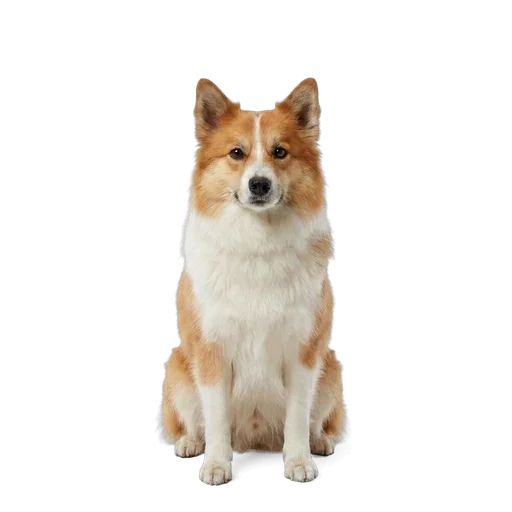
The Icelandic Sheepdog arrived with Viking settlers over a thousand years ago and remains Iceland's only native dog breed. It is a medium farm spitz of 9 to 14 kilograms with prick ears, a curled tail and one of the sunniest temperaments in the dog world. Icelandics were bred to work sheep and ponies around the farm, greet everyone, and sound the alarm when anything moved, and every one of those instincts is still fully installed. They adore children, get on famously with other dogs, and bark with real enthusiasm. Healthy and hardy, most live 12 to 15 years.
Temperament & personality
Cheerful is the word that follows this breed everywhere, and it fits. An Icelandic Sheepdog wakes up pleased about the day and stays that way. Centuries of farm life in a country with no dangerous predators produced a dog with almost no aggression or suspicion; strangers are potential friends, guests are an event, and the family is the center of the universe. This is a breed that genuinely suffers when left out of daily life, so plan on a dog that follows you from room to room.
The other headline trait is the voice. On Icelandic farms these dogs found sheep buried in snow and drove ponies by barking, and a modern Icelandic still narrates its day out loud. Birds overhead get announced, and so do arriving cars, doorbells on television and moments of pure joy. Training can take the edge off, but if barking is a dealbreaker, this is the wrong breed, and it is one honest reason they suit houses better than thin-walled apartments.
With children they are outstanding: playful without being rough, sturdy without being overwhelming, and endlessly patient with games. They are equally social with other dogs, having worked in loose farm packs for centuries, and most live peacefully with cats. Herding instinct shows up as circling and the occasional gentle heel-nip during wild toddler games, which is easy to redirect but worth knowing about.
Vaccination schedule
Icelandic Sheepdog puppies need the standard core series. DHPP, covering distemper, adenovirus (hepatitis), parvovirus and parainfluenza, begins at 6 to 8 weeks and repeats every 3 to 4 weeks until the puppy is at least 16 weeks old, which usually means three or four visits. The final dose at or after 16 weeks is the one most likely to take effect once maternal antibodies have faded, which is why it matters.
The rabies vaccine goes in once between 12 and 16 weeks depending on your local requirements, then gets boosted at one year. From there, DHPP and rabies typically move to boosters every three years, though rabies laws vary by country and by state, so confirm the required interval with your clinic. A small irony: Iceland itself is rabies-free and historically banned dog imports to keep it that way, but an Icelandic Sheepdog living anywhere else follows the normal rules.
Discuss non-core vaccines based on lifestyle. Leptospirosis makes sense for a dog that swims or drinks from puddles, and Bordetella (kennel cough) is usually required before daycare, boarding or group classes, all places a social Icelandic is likely to end up.
Best food & diet
At 9 to 14 kilograms, the Icelandic Sheepdog sits on the border between small and medium breed formulas, and either works as long as the food is complete and matched to life stage. Puppies should grow slowly and stay lean, since hip dysplasia and patellar luxation both occur in the breed and every extra gram of puppy fat loads developing joints. Skip large-breed puppy formulas; a standard or medium puppy food fits this size.
Most adults need roughly 400 to 700 calories a day across two meals, with the real number set by activity. These dogs evolved working long days on sparse Icelandic farms and tend to be efficient with food, which means they gain weight easily in a comfortable modern home. Weigh meals on a kitchen scale, count treats honestly, and check body condition monthly. You should feel ribs under light pressure and see a waist from above once the coat is parted.
Icelandics are enthusiastic eaters and shameless beggars, and those pleading spitz eyes have thickened many a waistline. Extra weight is especially unkind to a breed prone to luxating patellas, since loose kneecaps and body fat are a bad combination. Use part of the daily kibble for training, keep human food off the menu, and add fish oil for coat and joints only with your vet's blessing.
Common health problems
Natural selection on remote farms did the Icelandic Sheepdog a favor: only sound, thrifty dogs survived Icelandic winters, and the modern breed is hardy and long-lived, routinely reaching 12 to 15 years. The population passed through some tight genetic bottlenecks in the twentieth century, so responsible breeders manage diversity carefully, but the list of common problems is short.
Orthopedic issues lead the list. Hip dysplasia occurs at modest rates, so parents should have hip scores. Patellar luxation, where the kneecap slips out of its groove, is the more size-typical concern; the classic sign is a dog that skips a step on one back leg, holds it up briefly, then trots on as if nothing happened. Mild cases need nothing beyond weight control and muscle fitness, while severe grades can be corrected surgically with excellent results.
Eyes are the other screening area. Cataracts appear in the breed and range from small, stable dots to progressive clouding that affects vision. Distichiasis, extra eyelashes that grow from the eyelid margin and rub the cornea, is also worth watching for; many cases cause no symptoms at all, but a dog with watery, squinting or irritated eyes should be checked, since chronic rubbing can ulcerate the cornea. Annual eye exams by a veterinary ophthalmologist are standard for breeding stock.
Allergies & skin
The Icelandic Sheepdog is not hypoallergenic. Whether an individual dog wears the short or the long coat variety, both versions are true double coats that shed year-round and molt heavily in season, spreading dander and hair generously through the house. People with dog allergies should test their tolerance around adult Icelandics before falling for a puppy, because falling is easy with this breed.
Skin problems are uncommon. The weatherproof double coat was built for North Atlantic rain and wind, and the skin beneath it is typically sturdy. As with any thick-coated breed, trouble hides well: moisture trapped against the skin after swimming or heavy rain can brew a hot spot before you see anything, so towel the dog properly and let the undercoat dry fully. Weekly grooming doubles as a skin check.
Environmental and food allergies occur at ordinary canine rates. In dogs, allergy usually means itch rather than sneezing, so watch for paw chewing, face rubbing, recurrent ear infections and a scruffy or thinning patch of coat. Persistent signs deserve a vet visit and a systematic workup rather than a carousel of new foods. One more standard warning for northern coats: do not shave an Icelandic in summer. The coat insulates in both directions, and clipping wrecks it.
Flea, tick & worm prevention
Iceland famously has almost no ticks and no fleas to speak of, but your Icelandic Sheepdog does not live in Iceland, so it needs the same year-round parasite protection as any other dog. A thick double coat gives fleas and ticks excellent cover; by the time you spot them by eye the problem is established. Monthly or quarterly preventives, either oral chews or spot-on treatments dosed to your dog's weight in the 9 to 14 kilogram bracket, are far easier than treating an infestation.
If your dog plays in long grass, woodland or sheep pasture, add a hands-on tick check after outings. Work your fingertips against the lie of the coat and linger on the ears, neck folds, armpits, belly and between the toes. Remove attached ticks straight away with a removal tool, gripping at the skin and pulling steadily. Prompt removal sharply cuts the risk of Lyme disease and other tick-borne infections.
Deworming starts early: puppies every two weeks from two weeks of age until twelve weeks, then monthly until six months. Adults are typically wormed every three months, or covered continuously by a monthly product that handles intestinal worms alongside other parasites. A farm-bred instinct to sample sheep droppings and other delicacies means some Icelandics need the more frequent end of that schedule. In heartworm regions, monthly prevention is essential, so ask your vet what your area requires.
Medications & dosing
Dog medications are dosed by body weight, and a 9 kilogram Icelandic bitch and a 14 kilogram male are different patients on paper. Never split or share medication between dogs of different sizes, and never carry a dose over from a previous prescription without checking the current weight. An annual weigh-in is the minimum; twice a year is better for seniors and for any dog on long-term drugs.
Human painkillers are the fastest route to an emergency clinic. Ibuprofen and naproxen cause gastric ulcers and kidney injury in dogs at doses people consider trivial, and paracetamol is little better. A dog limping after a knee slip or an ambitious jump needs rest and a veterinary exam, where safe options like carprofen or meloxicam can be prescribed at the right milligram-per-kilogram dose. Dogs on long-term NSAIDs for joint disease should have blood work every six to twelve months.
Keep all medication, especially flavored chewables, locked away from a clever farm dog that can open cupboards. Complete every antibiotic course even when symptoms disappear early, note doses in a log or an app so nothing gets doubled, and tell your vet about any supplements the dog receives, since even fish oil and joint powders can interact with prescriptions.
Grooming & coat care
Icelandic Sheepdogs come in two coat lengths, short and long, and both are dense double coats with a soft insulating undercoat beneath weatherproof guard hair. Routine care is the same either way: a solid brushing once or twice a week with a pin brush and slicker, plus a comb through the friction zones behind the ears, in the trousers, under the tail and around the collar line where the long variety in particular can mat.
Twice a year the undercoat lets go, and the volume of wool that comes off a 12 kilogram dog defies belief. During spring and autumn molts, brush daily with an undercoat rake and consider one strategic bath with a thorough blow-dry, which releases loose undercoat far faster than dry brushing. Fur will still colonize your clothing and coffee for a few weeks; this is simply the price of admission with Nordic spitz breeds.
Beyond the coat, the routine is standard. Nails every two to four weeks, and note that Icelandics often carry double dewclaws on the hind legs, a traditional breed feature; those extra claws touch nothing and never wear down, so they need clipping without fail or they curl into the leg. Check ears weekly, brush teeth as often as the dog allows, and bathe only when genuinely dirty. The coat self-cleans impressively once dried mud is brushed out, and no trimming or clipping is ever needed.
How the Icelandic Sheepdog compares
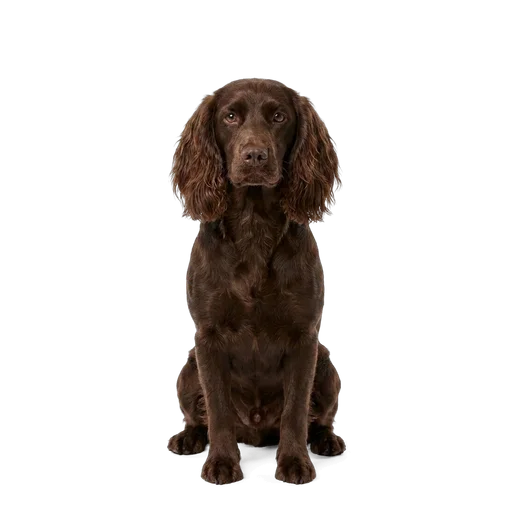
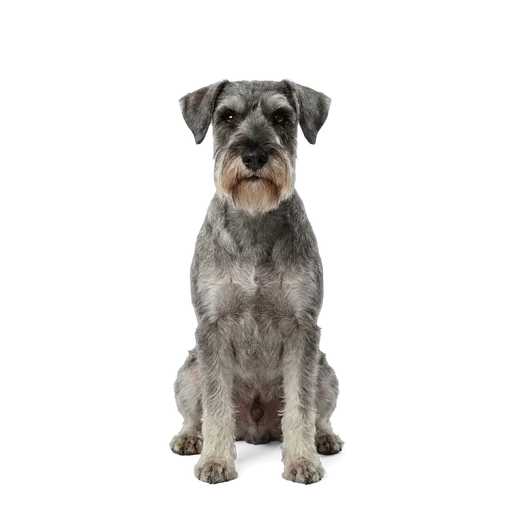
Deciding between similar breeds? Here is the Icelandic Sheepdog next to Boykin Spaniel and Standard Schnauzer.
| Icelandic Sheepdog | Boykin Spaniel | Standard Schnauzer | |
|---|---|---|---|
| Size | Medium | Medium | Medium |
| Weight | 9-14 kg | 11-18 kg | 14-20 kg |
| Lifespan | 12-15 yrs | 10-15 yrs | 13-16 yrs |
| Activity | Active | Active | Active |
| Shedding | High | Medium | Low |
| Good with kids | Yes | Yes | Yes |
| Apartment-friendly | No | No | Yes |
Frequently asked questions
Do Icelandic Sheepdogs bark a lot?
Yes, cheerfully and often. Alarm barking was their actual job on Icelandic farms, and the instinct is strong. Training a quiet cue, meeting their exercise needs and managing sightlines to the street all help, but a quiet Icelandic Sheepdog is not a realistic goal. Close-quarters apartment living is usually a poor match.
Are Icelandic Sheepdogs good family dogs?
They are one of the best. The breed is gentle, playful and devoted to children, sociable with other dogs, and happiest in the middle of family life. They do poorly when isolated in a yard or left alone for long workdays, so they suit households where someone is usually around.
How much exercise does an Icelandic Sheepdog need?
Plan on at least an hour of real activity daily, plus mental work. These are farm dogs bred to trot all day, and a bored Icelandic invents loud hobbies. Walks, hikes, fetch, herding-style games and dog sports like agility or rally all suit them well.
What health problems do Icelandic Sheepdogs have?
The breed is hardy overall. The known issues are hip dysplasia, patellar luxation (a slipping kneecap that causes a skipping gait), cataracts, and it is worth monitoring distichiasis, extra eyelashes that can irritate the eye. Buy from a breeder who hip-scores and eye-tests both parents, and keep the dog lean to protect its knees.
Do Icelandic Sheepdogs shed a lot?
Heavily. Both the short-haired and long-haired varieties shed year-round and blow their entire undercoat twice a year. Weekly brushing manages normal shedding; during molts you will brush daily and vacuum more than you thought possible. The breed is not remotely hypoallergenic.
Related breeds
Health and care information is drawn from established veterinary sources and is general guidance, not veterinary advice. See our sources
Keep records for your Icelandic Sheepdog
Vaccinations, food and treat safety, allergy alerts and parasite reminders - all tracked for your Icelandic Sheepdog in the Pethls app.