

Origin: Netherlands
Wirehaired Pointing Griffon
Get reminders for your Wirehaired Pointing Griffon's vaccines
Vaccination and parasite reminders, food-safety scans and health records — free to start in the Pethls app.


Good for
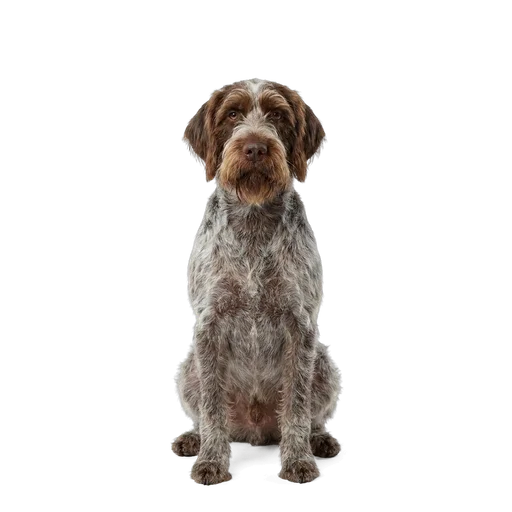
The Wirehaired Pointing Griffon is a medium-sized gundog developed in the 1870s by Eduard Korthals, a Dutch-born breeder who did most of his work in Germany and France, where he wanted one dog that could point, retrieve and work water and rough cover in any weather. The breed is conventionally attributed to France, its country of patronage under the FCI. Korthals set out to build a versatile all-round gundog, and the result is a friendly, eager, devoted dog that trains willingly and sticks close to its people. Expect 16 to 32 kg of muscle under a harsh wire coat, with a lifespan of 12 to 15 years. The bushy eyebrows and beard give the Griff its scruffy charm, and the coat sheds very little, though no dog is truly hypoallergenic. This breed belongs in an active home that can deliver real exercise every single day.
Temperament & personality
Griffs are people dogs first and hunting dogs second, which surprises owners who expect a kennel-hardened field machine. They want to be in the room with you, ideally touching you, and they read household moods with unsettling accuracy. Around children they tend to be patient and gentle, and most get along fine with other dogs and even cats when raised with them, though small pets like rabbits can trigger prey drive.
The eagerness that makes them such good gundogs also makes them forgiving for first-time owners, provided the exercise box is ticked. They respond to praise and food, sulk under harsh handling, and pick up new tasks in a handful of repetitions. A bored Griff is a different animal: expect digging, counter surfing and a beard shoved into everything you own.
Plan on at least 60 to 90 minutes of genuine activity a day. A walk around the block does not count. Running, swimming, scent games, fetch drills and off-lead time in safe areas keep the brain and body settled. Griffs mature slowly, so the goofy adolescent phase can run well past two years. They are watchful and will bark at arrivals, but they are greeters, not guard dogs.
Vaccination schedule
Griffon puppies follow the standard canine core schedule. The DHPP combination vaccine (distemper, hepatitis/adenovirus, parvovirus, parainfluenza) starts at 6 to 8 weeks, with boosters every 3 to 4 weeks until at least 16 weeks of age. That usually works out to three or four visits. The series matters because maternal antibodies fade at unpredictable times, and parvovirus in particular is brutal on unprotected puppies.
Rabies is given once the puppy reaches the minimum age set by local law, usually 12 weeks, then boosted a year later. After the first adult booster, DHPP and rabies typically move to a 1 to 3 year cycle based on your vet's protocol and regional regulations. Keep the certificate handy if you travel to hunt tests or field trials, since most events check paperwork.
Because Griffs work in fields, marshes and standing water, ask your vet about lifestyle vaccines. Leptospirosis is a strong candidate for any dog drinking from puddles and ponds, and a Lyme vaccination makes sense in tick-heavy regions. Kennel cough (Bordetella) protection makes sense for dogs that board, train in groups or attend events.
Best food & diet
Feed a Griff like the working athlete it is: a complete diet with quality animal protein, adjusted to how hard the dog is actually working that season. A pet Griff jogging with you daily has very different needs from one hunting three days a week in autumn. Most adults do well on two meals a day totaling roughly 2 to 3 cups of quality dry food, but the honest measure is body condition. You should feel ribs easily under the wire coat without seeing them.
Keeping this breed lean is the single cheapest thing you can do for its hips. Hip dysplasia runs in the breed, and every extra kilogram loads those joints. During puppyhood, avoid overfeeding and skip calcium supplements; controlled growth on a food formulated for medium to large puppies gives developing joints the best chance.
On heavy hunting days, dogs can burn double their resting calories. Many field owners switch to a performance formula in season or add fat and calories, then dial back in the off months to avoid winter weight gain. Feed a couple of hours before hard work rather than right before, and always carry water in the field. Omega-3 fatty acids from fish oil support both joints and that signature coat.
Common health problems
The Griff is a generally sound breed, which is part of why 12 to 15 year lifespans are normal. The main orthopedic concern is hip dysplasia, an inherited malformation of the hip joint that leads to early arthritis. Watch for bunny hopping, reluctance to jump into the car, or stiffness after rest. Reputable breeders screen breeding stock through OFA or equivalent hip evaluations, so ask to see scores before you buy a puppy. Managed early with weight control, fitness and vet-guided pain relief, many dysplastic dogs live full active lives.
Ear infections (otitis externa) are the complaint vets see most often in this breed. The ears hang, the ear canals grow hair, and the dog spends half its life in water and wet grass. That combination traps moisture and feeds yeast and bacteria. Head shaking, scratching, a sour smell or brown discharge all warrant a vet visit. Routine drying after swims and periodic cleaning with a vet-approved solution prevent most flare-ups.
Entropion, an eyelid that rolls inward so lashes rub the cornea, appears in some lines. Signs show up young: squinting, tearing, and a dog that paws at one eye. Left alone it can scar the cornea, but a straightforward surgical correction fixes it permanently. Any persistent eye irritation in a Griffon puppy deserves prompt attention rather than a wait-and-see approach.
Allergies & skin
You will see the Griffon on lists of low-allergen breeds, and there is a grain of truth there: the harsh double coat holds onto dead hair instead of dropping it around the house, so less dander ends up on your sofa. But allergen proteins live in saliva and skin, not just shed hair, and this is a bearded dog that drips water and carries its slobber with it. Set expectations at low-shedding, not hypoallergenic, and spend time around adult Griffs before committing if allergies are a concern in your household.
The skin under that wire jacket is generally tough, but field work brings field problems. Grass awns and seeds can burrow into the coat, between toes and into ears, so a post-hunt check from nose to tail should be routine. Hot spots occasionally develop when a wet undercoat stays damp against the skin, especially in dogs that swim often; towel the dog properly and let air reach the skin.
Environmental allergies (atopy) can show up in the breed as itchy paws, recurrent ear infections or belly redness that comes and goes with the seasons. If your Griff has more than a couple of ear infections a year, ask the vet whether allergy is the underlying driver rather than treating each ear in isolation. Food allergies are less common but worth ruling out with a proper elimination diet when itching is year-round.
Flea, tick & worm prevention
A dog bred to push through brush and marsh grass is a dog that collects ticks, full stop. Griffs working in the field face some of the heaviest tick exposure of any companion breed, and with it real risk of Lyme disease, ehrlichiosis and anaplasmosis. Year-round prevention is non-negotiable: modern isoxazoline chewables or reliable spot-ons kill ticks fast, and your vet can match the product to your region's parasite map. In peak season, many field owners layer a repellent collar on top, with veterinary guidance.
Chemicals do not replace hands. After every hunt or off-trail walk, run your fingers through the coat against the grain and check the classic hiding spots: ears and ear folds, armpits, groin, between toes and under the collar. The wire coat hides engorging ticks well, so be thorough. Remove any tick with fine tweezers, gripping at the skin, and note the date in case symptoms follow. Fever, limping or lethargy days to weeks after tick season deserve a vet call and possibly a tick-borne disease panel.
Worming follows the same logic of high exposure. Field dogs eat things they should not, drink from questionable water and walk where wildlife defecates, so they meet roundworms, hookworms, whipworms and tapeworms more often than a city pet. Puppies need worming every 2 to 3 weeks until 12 weeks old, then monthly until 6 months. For adults, run either monthly broad-spectrum prevention or fecal exams every 3 to 6 months with targeted treatment. In heartworm regions, monthly preventives are mandatory, and fleas need coverage too since they transmit tapeworm.
Medications & dosing
Almost every canine drug is dosed by body weight, and the Griffon's range of 16 to 32 kg spans two entire dosing brackets for most products. A preventive chew sized for a 30 kg male can be the wrong choice for an 18 kg female, so weigh your dog rather than guessing, and reweigh growing puppies before each parasite treatment. Your vet calculates doses in milligrams per kilogram; your job is to supply an accurate number and give the full course as directed.
Never reach for human painkillers after a hard field day. Ibuprofen and naproxen are toxic to dogs at doses people consider small, and paracetamol has a narrow margin. If your Griff comes home sore or lame, the safe options are rest and a vet call. Dog-specific NSAIDs like carprofen or meloxicam work well for injuries and arthritis but need prescription, weight-based dosing and occasionally blood work to monitor liver and kidney values on long-term use.
For dogs managing hip dysplasia, expect a layered plan: weight control first, then joint supplements such as omega-3s and glucosamine, then prescription NSAIDs or newer options like monthly anti-NGF injections as arthritis progresses. Ear infections need the actual prescribed drops for the full course, not leftover medication from last time, because the wrong drug against the wrong organism just breeds resistance. Keep a simple log of what was given and when; it helps enormously at the next appointment.
Grooming & coat care
The Griffon coat is a functional double layer: a harsh, wiry outer jacket over a fine insulating undercoat, built to shrug off thorns and icy water. It sheds remarkably little, which owners love, but the trade-off is that dead hair needs to be removed by hand. Plan on hand-stripping two to four times a year, pulling the dead outer hairs out with fingers or a stripping knife. Done correctly it does not hurt the dog, and it keeps the coat harsh, weatherproof and properly colored.
Resist the clippers. Cutting a wire coat leaves the dead roots in place, and over time the texture softens, the color fades and the coat loses its dirt-shedding and water-shedding properties. If you cannot strip the coat yourself, a groomer familiar with wire-coated sporting breeds is worth seeking out. Between stripping sessions, a weekly once-over with a slicker brush and a metal comb keeps the furnishings from matting.
The beard is the maintenance hotspot. It drags through food bowls, ponds and mud, then deposits all of it on your trousers, so rinse and towel it every few days and check for trapped debris. Ears need attention weekly: pluck or trim excess canal hair if your vet recommends it, and dry the canals after every swim. Nails get monthly trims, and bathing stays rare, a few times a year with a mild dog shampoo, since frequent washing strips the coat's natural oils.
How the Wirehaired Pointing Griffon compares
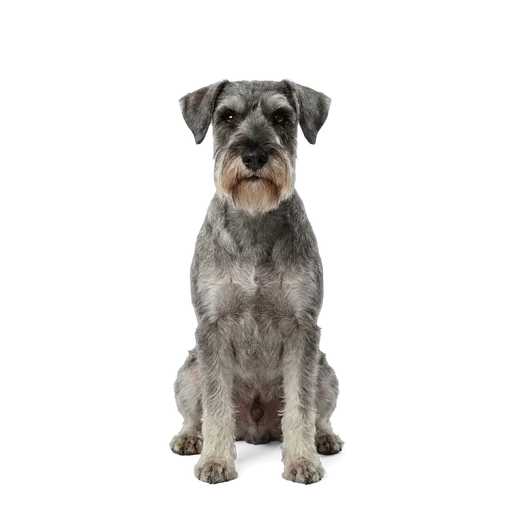
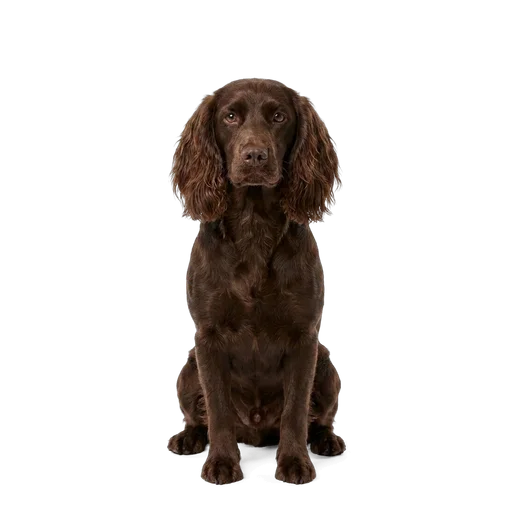
Deciding between similar breeds? Here is the Wirehaired Pointing Griffon next to Standard Schnauzer and Boykin Spaniel.
| Wirehaired Pointing Griffon | Standard Schnauzer | Boykin Spaniel | |
|---|---|---|---|
| Size | Medium | Medium | Medium |
| Weight | 16-32 kg | 14-20 kg | 11-18 kg |
| Lifespan | 12-15 yrs | 13-16 yrs | 10-15 yrs |
| Activity | Active | Active | Active |
| Shedding | Low | Low | Medium |
| Good with kids | Yes | Yes | Yes |
| Apartment-friendly | No | Yes | No |
Frequently asked questions
Do Wirehaired Pointing Griffons shed a lot?
No. The harsh wire coat holds dead hair rather than dropping it, so shedding around the house is minimal. The catch is that trapped dead hair must be removed by hand-stripping two to four times a year, plus weekly brushing to keep the beard and leg furnishings tidy.
Are Wirehaired Pointing Griffons hypoallergenic?
Not truly. They shed very little, which helps some allergy sufferers, but allergens come from dander and saliva, and this is a bearded dog that spreads both. Spend time with adult Griffs before committing if anyone in the home has allergies.
Are Griffons good family dogs with kids?
Yes, they are one of the more family-oriented gundogs. Griffs are gentle, patient and devoted to their people, and they usually do well with respectful children. Supervise with toddlers as with any dog, mostly because an excited adolescent Griff can bowl a small child over.
How much exercise does a Wirehaired Pointing Griffon need?
At least 60 to 90 minutes of real activity daily: running, swimming, fetch, scent work or field training. Leash walks alone will not do it. Under-exercised Griffs invent their own jobs, usually involving digging, chewing or vocal complaints.
What health problems are common in the breed?
The big three are hip dysplasia, ear infections and entropion. Buy from breeders who hip-score their stock, dry and check the ears after every swim, and see a vet promptly about any squinting or eye discharge in a puppy. Overall the breed is healthy, with a typical lifespan of 12 to 15 years.
Related breeds
Health and care information is drawn from established veterinary sources and is general guidance, not veterinary advice. See our sources
Keep records for your Wirehaired Pointing Griffon
Vaccinations, food and treat safety, allergy alerts and parasite reminders - all tracked for your Wirehaired Pointing Griffon in the Pethls app.