

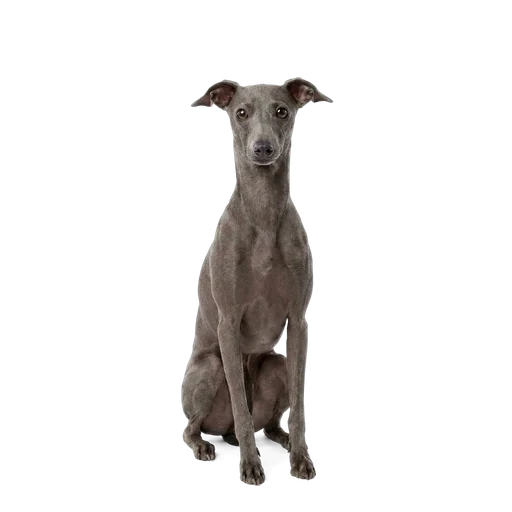
Origin: Italy
Italian Greyhound
Get reminders for your Italian Greyhound's vaccines
Vaccination and parasite reminders, food-safety scans and health records — free to start in the Pethls app.


Good for
The Italian Greyhound is a sighthound in miniature, a tiny, elegant dog with the fine bones and graceful lines of its larger cousins shrunk to lap size. Weighing only a few kilos, this Italian native is devoted to the point of being a true velcro dog, following its person from room to room and burrowing under blankets to stay warm. They are sensitive, cuddly, and famously averse to cold, so sweaters are part of the deal. Their delicate legs, especially in young dogs, mean jumping needs managing. In a calm household they bond hard and stay close, happiest tucked against the person they love.
Temperament & personality
Italian Greyhounds are intensely affectionate and want to be with their person constantly, earning them the velcro dog label. They love warmth and comfort, and you will often find one curled into a blanket or pressed against your leg. This is a sensitive, sometimes timid breed that does best with gentle, patient handling and a calm home.
They have real sighthound spirit in a small package and enjoy short bursts of zooming and play, followed by long naps. Their small size and fine bones make them fragile, though. Rough handling or high jumps can cause injury, so they are better suited to homes with older, careful children rather than boisterous toddlers.
With other dogs they usually get along well, particularly other small breeds, and they can be reserved with strangers. House-training an Italian Greyhound takes patience, as the breed is famously slow to learn it, partly because they hate going out in cold or wet weather. Consistency, warmth, and a lot of gentle reassurance go a long way.
Vaccination schedule
Italian Greyhound puppies get the core DHPP vaccine covering distemper, hepatitis/adenovirus, parvovirus, and parainfluenza. It usually starts at six to eight weeks and repeats every three to four weeks until about sixteen weeks of age. Small-breed puppies are just as vulnerable to parvovirus as any dog, so finishing the whole series is essential.
Rabies comes as a separate injection around twelve to sixteen weeks depending on local law, followed by a booster near the first birthday. After that your vet will set a one-year or three-year schedule based on the vaccine and local rules.
With such a tiny dog, some owners worry about vaccine volume, but core vaccines are given at the full volume no matter how small the dog. Do not skip or split doses. Leptospirosis is now a core vaccine recommended for every dog, given as a two-dose puppy series and then an annual booster, unlike the every-three-years DHPP boosters; water, rural, and wildlife exposure raise the risk and make that yearly booster matter even more. Non-core options like kennel cough depend on your dog's lifestyle, so discuss exposure with your vet and keep clear records.
Best food & diet
Italian Greyhounds are naturally slim and should keep a light, elegant frame with a visible waist. Choose a quality small-breed food with real animal protein, and because they are so small, measure portions carefully, since even a little too much adds up fast on a four-kilo dog. Small kibble sizes are easier for their tiny mouths.
This breed carries several food-related sensitivities. Beef, chicken, and dairy are common allergens here, so if your dog develops itchy skin or digestive upset, a limited-ingredient or novel-protein diet helps identify the trigger. Introduce any new food gradually over about a week.
Dental disease is a major issue in Italian Greyhounds, and diet plays a part. Dry food and dental chews offer some mechanical cleaning, but they do not replace daily tooth brushing. Keep treats tiny and few, and make sure fresh water is always available. Because they are so small, young puppies can sometimes develop low blood sugar, so feed small, frequent meals early on.
Common health problems
Fragile legs are the big one in Italian Greyhounds. Their fine, delicate bones fracture easily, and puppies are most at risk, since a jump off the sofa or a slip from someone's arms can snap a leg. Manage jumping actively: discourage leaping off sofas and beds, keep a close eye on young dogs, and teach them to use ramps or steps. A fracture is a genuine emergency and needs immediate veterinary care.
Patellar luxation, where the kneecap slips out of place, shows up as a skipping or hopping gait. Anesthesia sensitivity is another sighthound trait to keep in mind: their low body fat and thin build make them respond differently to sedatives, so always name the breed before any sedation or surgery, dental work included.
Three more conditions turn up in the breed: dental disease, which is severe and near-universal here; progressive retinal atrophy, a gradual loss of vision; and epilepsy. Daily tooth brushing does real work against the dental disease, so build it into the routine early. Watch for seizures, vision changes such as bumping into things in dim light, and any change in how your dog moves or bears weight.
Allergies & skin
The Italian Greyhound's thin, short coat gives little protection, so skin issues appear quickly. Environmental allergens like grass pollen and dust mites commonly cause itching on the paws, belly, and ears, often flaring seasonally as pollen rises. Wiping your dog down after walks and washing bedding regularly reduces the load.
Food allergies are also common in this breed, with beef, chicken, and dairy the usual suspects. These can cause itchy skin along with tummy trouble. Since dietary and environmental triggers overlap, work through it methodically with your vet rather than guessing at foods.
That fine coat and delicate skin bruise and graze easily, so handle your dog gently and check for marks after play. Because they feel the cold so acutely, dry skin and discomfort in winter are common too, which is one more reason a warm sweater and a cozy bed matter for this breed.
Flea, tick & worm prevention
Even a tiny indoor-leaning dog needs flea, tick, and worm prevention. Fleas cause misery and can trigger allergic skin flares, while ticks carry serious disease. The short coat makes ticks easy to spot on a post-walk check. Use a preventive suited to your area, and be careful to choose a product and dose rated for very small dogs.
Worming covers intestinal parasites such as roundworms, hookworms, tapeworms, and whipworms, plus heartworm where relevant. Puppies need frequent worming in their early months, then adults follow a routine your vet recommends, often every three months.
Product selection matters most in a breed this small. A dose meant for a medium or large dog can be dangerous for a four-kilo Italian Greyhound, so always check the weight band and confirm the exact product with your vet, and reweigh growing puppies before each treatment.
Medications & dosing
Medication for an Italian Greyhound must be dosed precisely by current body weight and directed by your vet. In a dog weighing only a few kilos, small errors matter a great deal, so weigh your dog before giving anything, never estimate the dose, and never split a larger dog's tablet without veterinary guidance. This same weigh-first rule applies to the parasite preventives covered above.
Because dental work means anesthesia and this breed handles it poorly, keep the sedation point front of mind for the frequent cleanings these dogs need, and follow your vet's protocol for a low-body-fat sighthound. Never give human medicines such as ibuprofen or paracetamol, which are toxic to dogs and especially dangerous at this tiny size.
Keep a written log of every medication, dose, and date, and complete any prescribed course fully even if your dog seems recovered. If a dog develops epilepsy, some Italian Greyhounds take daily seizure medication, which needs consistent timing and vet monitoring. Report any vomiting, wobbliness, or unusual drowsiness to your vet at once.
Grooming & coat care
Grooming an Italian Greyhound is quick and simple. The short, fine, single coat sheds very little and needs only an occasional wipe with a soft cloth or grooming mitt to keep it shining. They are close to odorless and rarely need bathing.
The genuine daily job is not brushing but tooth care. Dental disease is severe and common in this breed, so brush your dog's teeth every day with a dog-safe toothpaste, ideally starting as a puppy so it becomes routine. This one habit can prevent a lot of painful dental work down the line.
Warmth is the other essential. Italian Greyhounds have almost no body fat and a whisper-thin coat, so they get cold indoors and outdoors alike and will shiver and seek blankets. Sweaters for the house and a proper coat for walks are practical gear here, not an accessory. Finish with regular gentle nail trims and ear checks, handling those fragile legs with care throughout.
How the Italian Greyhound compares
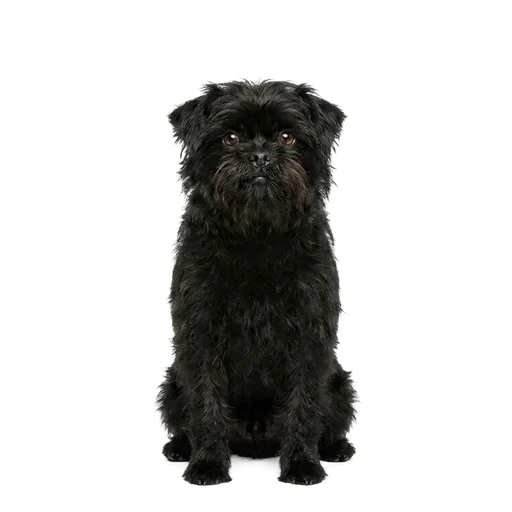
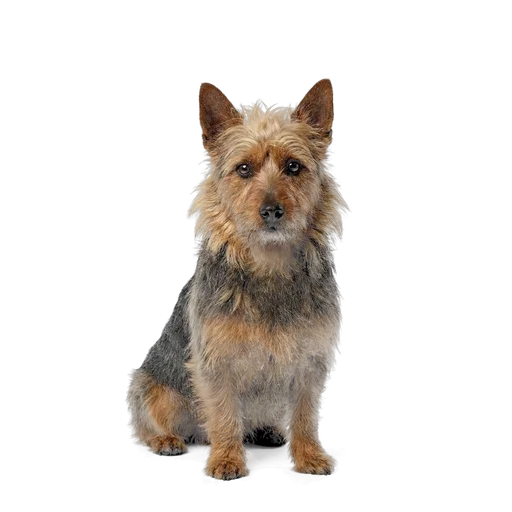
Deciding between similar breeds? Here is the Italian Greyhound next to Affenpinscher and Australian Terrier.
| Italian Greyhound | Affenpinscher | Australian Terrier | |
|---|---|---|---|
| Size | Small | Small | Small |
| Weight | 3.5-5.5 kg | 3-6 kg | 6-7 kg |
| Lifespan | 14-15 yrs | 12-15 yrs | 11-15 yrs |
| Activity | Moderate | Moderate | Moderate |
| Shedding | Low | Low | Low |
| Good with kids | No | No | Yes |
| Apartment-friendly | Yes | Yes | Yes |
Frequently asked questions
Why do Italian Greyhounds break their legs so easily?
Their leg bones are very fine and delicate, and puppies especially fracture them jumping off sofas, beds, or a person's arms. It is one of the most common injuries in the breed. Discourage jumping, supervise young dogs closely, and provide ramps or steps to protect those thin legs.
Do Italian Greyhounds really need to wear sweaters?
Yes. With almost no body fat and a very thin coat, they get cold quickly and will shiver both indoors and out. A sweater for the house and a proper coat for walks are practical necessities in cold weather, not just a fashion statement for this breed.
Are Italian Greyhounds good with young children?
They are better suited to homes with older, gentle children. Their fine bones make them fragile, and rough handling or a fall can cause a serious fracture. In a calm household with careful kids they are loving companions, but boisterous toddlers are a poor match.
Why is dental care so important for this breed?
Italian Greyhounds are prone to severe dental disease, with plaque and gum problems building quickly. Daily tooth brushing with a dog-safe paste is genuinely important, not optional, and starting it as a puppy helps prevent painful dental work and repeated cleanings that carry anesthesia risk.
Are Italian Greyhounds hard to house-train?
They have a reputation for being slow to house-train, largely because they hate going outside in cold or wet weather. Patience, consistency, an indoor toilet option in bad weather, and plenty of gentle reassurance help. Rushing or scolding a sensitive dog tends to backfire.
Related breeds
Health and care information is drawn from established veterinary sources and is general guidance, not veterinary advice. See our sources
Keep records for your Italian Greyhound
Vaccinations, food and treat safety, allergy alerts and parasite reminders - all tracked for your Italian Greyhound in the Pethls app.