


Origin: United Kingdom
Jack Russell Terrier
Get reminders for your Jack Russell Terrier's vaccines
Vaccination and parasite reminders, food-safety scans and health records — free to start in the Pethls app.


Good for
The Jack Russell Terrier is a small dog with an enormous engine. Bred in the United Kingdom to bolt foxes from their dens, this 6 to 8 kilogram terrier is bold, clever, and more or less tireless, with a prey drive that never really switched off. A Jack Russell that gets enough exercise and mental work is a brilliant, funny, deeply loyal companion. One that does not gets busy in all the wrong ways: digging up the garden, barking the street awake, and finding creative ways over or under the fence. This is not the breed for a quiet home or a first-timer hoping for an easy, low-maintenance dog, but for an active owner it is hard to beat.
Temperament & personality
Jack Russells are fearless, energetic, and sharp as a tack. They were built to flush and bolt foxes, working both above ground with the hunt and going to earth after quarry, which left them confident, persistent, and quite happy to make their own decisions. That intelligence is a joy to train and a challenge to live with, because a bored Jack Russell will always find a project, and you rarely like the project it chooses.
The prey drive is the defining trait. Small furry or feathery movement switches them on instantly, so cats, rabbits, hamsters, and next door's chickens are all fair game unless the dog has been raised with them and carefully managed. Many Jack Russells also do not suffer other dogs gladly and can be scrappy, so they are often best as the only pet or with a well-matched canine housemate.
With their own people they are affectionate and playful, and they usually do well with older, active children who can keep up and respect the dog's limits. They are less suited to toddlers, partly because of their intensity and low tolerance for rough handling. Consistent, positive training from day one, plus firm boundaries, brings out the best in this smart, spirited breed.
Vaccination schedule
Puppies begin the core DHPP vaccine at around 6 to 8 weeks, covering distemper, hepatitis (adenovirus), parvovirus, and parainfluenza. Boosters continue every 2 to 4 weeks until at least 16 weeks of age so that maternal antibodies do not interfere with the developing immune response.
Rabies is a single dose given from 12 weeks, with timing dictated by local law and your vet. It is legally required in many regions, and the certificate is needed for travel and boarding.
Expect a booster at one year, then core vaccines every 1 to 3 years, with your vet setting the exact interval. Leptospirosis is now a core vaccine recommended for every dog, so plan on it regardless of lifestyle: it needs a 2-dose puppy series and then an annual booster, unlike the every-1-to-3-year DHPP boosters. An active Jack Russell that rummages in undergrowth, drinks from puddles, or hunts near water faces a higher exposure risk, which is exactly why that yearly booster matters. Beyond core cover, discuss non-core vaccines with your vet: kennel cough (Bordetella) makes sense if yours boards or mixes with lots of dogs, and Lyme or canine influenza may be worth considering depending on your area.
Best food & diet
A working-type terrier does best on a complete, high-quality diet with a named animal protein up front and enough calories to match its activity. Choose a food meeting AAFCO or FEDIAF standards for the right life stage. An active Jack Russell burns more than its small size suggests, so use the chart as a starting point and then adjust the amount up or down to your own dog's body condition.
All the same, weight still matters. A Jack Russell that is under-exercised can put on fat quickly, which stresses the joints. Keep a lean body condition where you can feel the ribs easily, measure meals, and account for the treats you use in training, because a food-motivated terrier will happily earn a lot of them.
Two adult meals a day suits most, with puppies on three to four smaller meals. If your dog is highly driven and intense, a scatter feed or a puzzle feeder turns dinner into a job and takes the edge off some of that restless energy. Always keep fresh water available, especially after the long, hard runs this breed loves.
Common health problems
Jack Russells are a relatively hardy breed, but a handful of inherited conditions run through the lines. Patellar luxation, a slipping kneecap, is one to keep an eye on in many small breeds and shows as a skipping gait or a briefly held-up back leg. Mild cases are managed conservatively; worse ones may need surgical repair.
One eye condition worth knowing about is primary lens luxation, where the lens inside the eye slips out of position. It is painful and can rapidly threaten sight, so it counts as an emergency. There is a reliable DNA test, and responsible breeders screen for it, which is one of the strongest reasons to buy from health-tested parents.
Congenital deafness can occur in some dogs, sometimes in one ear and sometimes both. A BAER hearing test in puppyhood confirms it. A deaf Jack Russell can live a full life with training adapted to hand signals and vibration, but it is something to know about up front.
Two more to watch: Legg-Calve-Perthes disease, in which the head of the thigh bone degenerates and can cause hind-leg lameness in young dogs, and hereditary ataxia, a neurological condition that can affect coordination and balance. Both are worth a prompt veterinary assessment if you notice a limp, an odd gait, or wobbliness that does not settle.
Allergies & skin
Jack Russells can react to a range of allergens. Common food triggers in the breed include beef, chicken, and wheat, while environmental culprits often involve dust mites and grass pollen. The signs are the familiar allergy picture: itchy skin, red or infected ears, paw licking, and rubbing the face or belly.
Because a lot of Jack Russell life happens nose-down in grass and undergrowth, contact with grass pollen and other outdoor allergens is high, and flea bites can compound the itch. Rule out fleas first with reliable prevention, then work with your vet on whether a food trial or environmental allergy management fits the pattern.
For suspected food allergy, an elimination diet using a novel or hydrolyzed protein for 8 to 12 weeks is the standard way to pin down the trigger, since you cannot diagnose it from a blood test alone. Wiping the coat and paws down after walks in pollen season, keeping bedding clean, and treating ear infections promptly all reduce the day-to-day itch load.
Flea, tick & worm prevention
This is a breed that genuinely needs its parasite prevention, because a Jack Russell hunting through hedgerows and long grass picks up ticks and encounters worm sources far more than a homebody dog. Keep prevention going year-round rather than seasonally.
At 6 to 8 kilograms an adult Jack Russell fits the small-dog band of most products comfortably, but always dose to current weight and pick the format that suits your routine: spot-on, chewable tablet, or collar. Ticks are a real concern for a dog that spends hours in undergrowth, so choose a product with good tick cover and check the coat by hand after country walks, paying attention to the ears, armpits, and between the toes.
Worming should cover roundworms, tapeworms, and hookworms, plus heartworm and lungworm where those occur locally. Tapeworm risk is higher in a dog that hunts and eats prey, so a keen Jack Russell may need more frequent worming than average. Puppies are wormed every 2 weeks from about 2 weeks to 12 weeks, then monthly to 6 months; adults typically every 3 months, or more often on your vet's advice given the hunting habit.
Medications & dosing
Medications for a Jack Russell are dosed by body weight, and although the breed is tougher than a toy dog, its small size still means overdosing is easy if you guess. Weigh your dog before any new treatment and use the actual figure rather than an estimate.
Do not reach for the human medicine cabinet. Ibuprofen, paracetamol (acetaminophen), and similar over-the-counter drugs are toxic to dogs and can cause serious kidney, liver, or stomach damage. If your terrier needs pain relief after an injury or surgery, use only the veterinary product prescribed for it, at the exact dose given.
This is a stoic, high-drive breed that will often try to run through pain, so it may hide how sore it is; follow the full course of any prescribed medication rather than stopping when the dog looks better. Keep all medicines and supplements locked away, because a determined Jack Russell is more than capable of chewing into a bottle or bag it should not reach.
Grooming & coat care
Grooming is one of the easy parts of Jack Russell ownership. The coat comes in three types: smooth, broken (a mix), and rough, but all are short and weatherproof rather than high-maintenance. A weekly brush with a bristle brush or a rubber grooming mitt lifts out loose hair and keeps the coat healthy; rough and broken coats benefit from occasional hand-stripping to keep the texture right.
Do not be fooled by the short coat into thinking they do not shed. Jack Russells drop a fair amount of hair, and it works its way into everything, so slightly more frequent brushing during heavier sheds keeps it under control. Bathe only when genuinely dirty, since over-washing strips the natural oils that keep the coat water-resistant.
Round out the routine with the basics: trim nails every few weeks on a dog that may not wear them down evenly, check and clean the ears (especially after muddy adventures), and brush the teeth several times a week to keep dental disease at bay. The coat asks little, but these small jobs keep an active outdoor dog comfortable and healthy.
How the Jack Russell Terrier compares
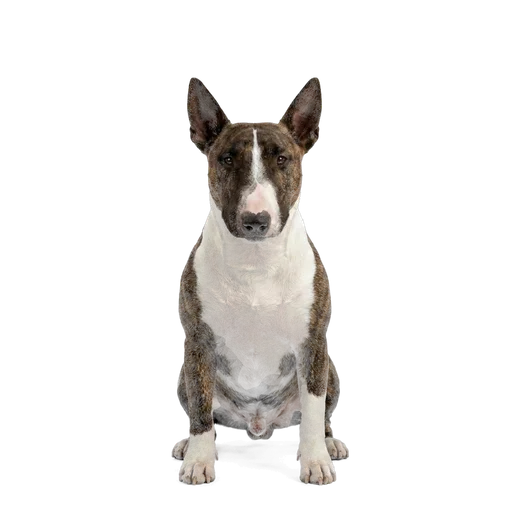
Deciding between similar breeds? Here is the Jack Russell Terrier next to Miniature Bull Terrier and Parson Russell Terrier.
| Jack Russell Terrier | Miniature Bull Terrier | Parson Russell Terrier | |
|---|---|---|---|
| Size | Small | Small | Small |
| Weight | 6-8 kg | 11-15 kg | 6-8 kg |
| Lifespan | 13-16 yrs | 11-13 yrs | 13-15 yrs |
| Activity | Active | Active | Active |
| Shedding | Medium | Medium | Medium |
| Good with kids | Yes | Yes | Yes |
| Apartment-friendly | No | Yes | No |
Frequently asked questions
Are Jack Russells good for first-time owners?
Usually not. They are intelligent and full of energy with a strong prey drive, and they need a lot of exercise and mental work. Without it they dig, bark, and escape. An active, experienced owner who enjoys training gets a wonderful dog; someone wanting an easy first pet often struggles.
How much exercise does a Jack Russell need?
A lot: plan on at least one to two hours of vigorous activity a day, plus training games and problem-solving to tire the mind. A Jack Russell that is under-exercised becomes destructive and noisy, so exercise is not optional with this breed.
Do Jack Russells get along with cats and other pets?
Often not, because of their strong hunting instinct. Cats, rabbits, and small pets can trigger the prey drive, and some Jack Russells are scrappy with other dogs. Raising them together and careful management help, but many do best as the only pet.
Do Jack Russell Terriers shed?
Yes, more than their short coat suggests. They shed a moderate amount year-round with heavier periods, and the short hairs get everywhere. Weekly brushing, stepped up during heavy sheds, keeps it manageable. They are not hypoallergenic.
What health problems are common in Jack Russells?
They are fairly hardy but conditions worth checking with your vet include patellar luxation, primary lens luxation (an eye emergency with a DNA test available), congenital deafness, Legg-Calve-Perthes disease, and hereditary ataxia. Buying from a breeder who health-tests the parents helps.
Related breeds


Health and care information is drawn from established veterinary sources and is general guidance, not veterinary advice. See our sources
Keep records for your Jack Russell Terrier
Vaccinations, food and treat safety, allergy alerts and parasite reminders - all tracked for your Jack Russell Terrier in the Pethls app.