


Origin: Malta
Maltese
Get reminders for your Maltese's vaccines
Vaccination and parasite reminders, food-safety scans and health records — free to start in the Pethls app.


Good for
The Maltese is a toy dog built for lap time, weighing 3 to 4 kg with a long, silky white coat that falls straight to the floor. Bred on the island of Malta as a companion for centuries, this is a dog whose whole job is being near you. Most live 12 to 15 years, and they stay playful and light on their feet well into old age. The coat is hair rather than fur, single-layered, and sheds very little, which is why the breed shows up on almost every hypoallergenic list. The trade-off is grooming: that white coat needs daily attention or a regular clip to stay out of trouble.
Temperament & personality
Maltese are affectionate to the point of being clingy, and they mean it. This is a dog that wants to be on your lap, follow you to the bathroom, and sleep pressed against your side. That devotion makes them wonderful company and also sets them up for separation anxiety if they are left alone for long stretches without any buildup. Start short absences early so being alone feels normal rather than alarming.
Under the fluff is a bold, curious little dog with plenty of spark. They play hard, chase toys, and will happily bark at the doorbell or a passing dog three times their size. Early socialization and gentle, consistent rules keep that confidence from tipping into yappy, demanding behavior. They are smart and food-motivated, so short positive training sessions work well.
They fit apartment life beautifully and suit first-time owners, but the fragility is real. A 3 kg dog can be hurt by a fall off the couch or a rough grab. Supervise closely around toddlers and very young children, and teach kids to sit on the floor if they want to hold the dog rather than pick it up and walk around.
Vaccination schedule
Maltese puppies follow the standard core schedule. The DHPP combination vaccine, which covers distemper, hepatitis (adenovirus), parvovirus, and parainfluenza, is given as a series starting around 6 to 8 weeks, then repeated every 3 to 4 weeks until the puppy is at least 16 weeks old. That final dose past 16 weeks matters, because maternal antibodies can block earlier shots from taking hold.
Rabies is given once at 12 to 16 weeks depending on local law, boosted at one year, then every 1 to 3 years according to the vaccine used and your region's rules. Because Maltese are tiny, some owners worry about vaccine reactions. The dose is not scaled down by body weight, and that is correct, but tell your vet if your dog has had swelling, hives, or lethargy after a previous shot so they can premedicate or space things out.
Leptospirosis is now a core vaccine recommended for every dog, so plan on it for your Maltese regardless of lifestyle. It needs a 2-dose puppy series followed by an annual booster, unlike the DHPP core boosters that can run every 3 years. Non-core vaccines such as Bordetella, canine influenza, and Lyme are worth discussing if your Maltese visits groomers, boarding, or daycare, which most do. Leptospirosis in particular used to be skipped in toy breeds over reaction fears, but modern vaccines are much cleaner, and the disease is serious. Water, rural, and wildlife exposure raise the risk and are why the annual booster matters, though vaccination is now advised for every dog rather than only exposed ones. Confirm the plan with your vet.
Best food & diet
Feed a complete small or toy breed formula with small kibble the dog can actually chew. Maltese have tiny mouths and crowded teeth, so pellet size genuinely matters. Portions are small, often well under a cup a day split into two or three meals, and it is easy to overfeed a dog this size without noticing. Measure meals rather than free-feeding.
Common allergen triggers for the breed include beef, chicken, dairy, dust mites, and mold. Chicken and beef are common triggers for itchy skin and loose stools in Maltese, so if your dog is scratching or has chronic soft stool, a diet built on a single novel protein like fish, duck, or a hydrolyzed formula is a reasonable trial under vet guidance. Skip dairy treats, and store dry food sealed and dry to keep mold and mites out.
Puppy Maltese need frequent meals for a specific reason: hypoglycemia. Toy puppies have almost no fat reserve and can crash their blood sugar if a meal is missed, especially when stressed or chilled. Feed puppies three to four times a day, keep a sugar source like a nutrient gel on hand, and watch for wobbliness or glazed eyes, which need food fast.
Common health problems
Two orthopedic and airway issues top the list. Patellar luxation, where the kneecap slips out of its groove, is common in toy breeds and shows up as a skipping hop or a leg held up for a few strides. Mild cases are managed with weight control and joint support; severe ones need surgery. Collapsing trachea also shows up in the breed: a honking, goose-like cough, especially with excitement or pressure on the neck. This is why every Maltese should walk on a harness, never a collar.
Dental disease is one of the biggest concerns in small dogs like the Maltese. Crowded small teeth can trap plaque, and by middle age many Maltese have significant tartar, gum recession, and loose teeth without home care. Brush daily if you can, use vet-approved dental chews, and budget for professional cleanings under anesthesia.
Portosystemic liver shunt is a congenital problem where blood bypasses the liver and toxins build up. Signs include stunted growth, disorientation after meals, and seizures; it is diagnosed with bile acid testing and often correctable with surgery. White shaker syndrome, a full-body tremor that tends to start in young-adult dogs, may develop and usually responds well to steroids. Chronic tear staining is also common in the breed.
Allergies & skin
Despite the low-shedding coat, Maltese are prone to itchy, reactive skin. Food ingredients like beef, chicken, and dairy can drive chronic scratching, licked paws, and sometimes ear infections that warrant a vet visit. Environmental allergens, dust mites and mold in particular, add a seasonal or year-round layer. If your dog is chewing feet and rubbing its face, work with your vet on an elimination diet and consider allergy testing rather than just cycling through shampoos.
That white coat shows every stain and irritation, which is actually useful: pink saliva staining on the paws and muzzle is a visible flag that the dog is licking too much. Tear staining is the classic Maltese cosmetic issue, a reddish-brown streak below the eyes from porphyrins in tears. Keep the area clean and dry, trim the hair around the eyes, and rule out blocked tear ducts or eye irritation if it is heavy.
Skin folds are not a Maltese problem, but the coat trapping moisture is. Wet fur against skin after baths or rainy walks can trigger hot spots. Dry the dog thoroughly, especially the belly and under the legs, and keep the coat either brushed out or clipped short so air reaches the skin.
Flea, tick & worm prevention
Fleas are miserable on a Maltese because the coat hides them and flea-allergic skin flares fast. Use a vet-approved monthly or quarterly flea and tick preventive, and here is the toy-breed catch: these products are dosed by body weight, and the smallest weight band often starts at around 2 kg, though the exact threshold varies by product. A 3 kg Maltese fits, but a young or very small individual may sit right at the bottom of the range, so confirm the exact product and dose with your vet rather than buying the box that looks close.
Ticks matter even for a dog that mostly lives indoors, because a single walk through grass is enough. Check the coat after outdoor time, paying attention to the ears, neck, and between the toes. In tick-heavy regions a combined product that covers both fleas and ticks simplifies life.
Worming follows the same weight-precise logic. Puppies are dewormed every 2 weeks from around 2 weeks of age until 12 weeks, then monthly to 6 months. Adults need routine intestinal worming a few times a year, and year-round heartworm prevention if you live where heartworm exists. Weigh the dog before dosing; a 500 gram error is trivial in a Labrador and meaningful in a Maltese.
Medications & dosing
With a 3 to 4 kg dog, the margin for error on any medication is thin. Drugs from painkillers to sedatives are dosed per kilogram of body weight, and a rounding mistake that would be harmless in a big dog can push a Maltese into overdose. Always dose off an accurate, recent weight, use a properly sized syringe for liquids, and double-check the math rather than eyeballing a fraction of a tablet.
Never give human medications on your own. Common painkillers like ibuprofen and paracetamol are toxic to dogs, and the tiny body size means even a single pill can be fatal. If your Maltese seems painful, call your vet for a dog-specific NSAID at the correct dose instead of reaching for the human medicine cabinet.
Procedures like dental cleanings and spays require anesthesia. Talk through the anesthetic risk with your vet, and choose one who runs pre-anesthetic bloodwork and monitors temperature and blood sugar closely. Keep a written list of your dog's current medications and any past reactions, and store all pills where this curious, food-driven little dog cannot reach a dropped tablet.
Grooming & coat care
This is where the Maltese asks the most of you. The full coat is a long, single layer of silky hair that grows continuously and mats fast, especially behind the ears, in the armpits, and around the collar. A show-length coat needs daily brushing down to the skin, not just over the top, or it will felt into painful mats that have to be shaved out.
Most pet owners choose a short 'puppy clip' every 6 to 8 weeks, which keeps the dog comfortable and the maintenance realistic while still needing a quick brush every couple of days. Either way, plan on regular baths with a gentle whitening or hypoallergenic shampoo, thorough drying, and keeping the coat out of the eyes and away from the sanitary area.
Face care is its own daily routine. Wipe the eye area to manage tear staining, keep the hair around the eyes trimmed so it does not scratch the cornea, and clean the ears, since hair grows inside the canal and traps wax and moisture. Trim nails every few weeks and keep the paw pads tidy so the dog gets traction on smooth floors.
How the Maltese compares
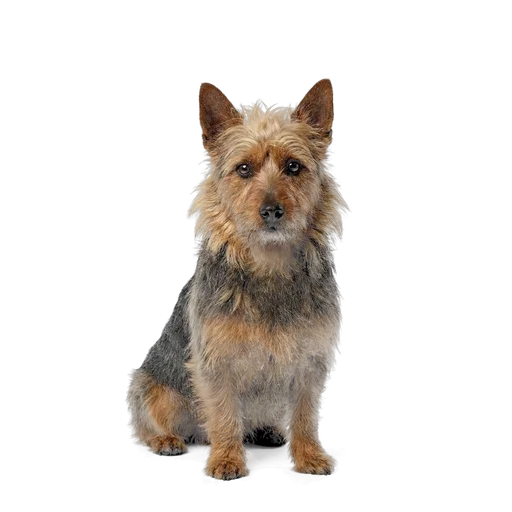
Deciding between similar breeds? Here is the Maltese next to Australian Terrier and Bichon Frise.
| Maltese | Australian Terrier | Bichon Frise | |
|---|---|---|---|
| Size | Small | Small | Small |
| Weight | 3-4 kg | 6-7 kg | 5-8 kg |
| Lifespan | 12-15 yrs | 11-15 yrs | 14-15 yrs |
| Activity | Moderate | Moderate | Moderate |
| Shedding | Low | Low | Low |
| Good with kids | Yes | Yes | Yes |
| Apartment-friendly | Yes | Yes | Yes |
Frequently asked questions
Are Maltese really hypoallergenic?
No dog is truly allergen-free, but Maltese come close. Their single, hair-like coat sheds very little, so they spread less dander and saliva-coated hair around the home, and many people with mild allergies tolerate them well. If you are allergic, spend time with an adult Maltese before committing, and keep the coat clean and well brushed to keep loose dander down.
Why does my Maltese have red stains under its eyes?
That is tear staining, a reddish-brown streak caused by pigments called porphyrins in the tears sitting on white hair. It is mostly cosmetic. Keep the area clean and dry, trim the hair around the eyes, and use filtered water. If the staining is sudden or heavy, have your vet check for blocked tear ducts, eyelash problems, or eye irritation.
Why should I use a harness instead of a collar?
Maltese are prone to a collapsing trachea, where the windpipe flattens and triggers a honking cough. Pressure from a collar on that delicate neck makes it worse and can bring on a coughing fit. A well-fitted harness spreads the pressure across the chest and protects the airway, so it should be the default for walks and any leash use.
How much exercise does a Maltese need?
Less than you might expect. A couple of short walks and some indoor play cover a healthy adult Maltese, which is part of why they suit apartments so well. Keep them lean and mentally busy with training and toys, but do not overdo high-impact jumping that strains their small knees, and skip strenuous exercise in heat since small dogs overheat quickly.
Are Maltese good for first-time owners?
Yes, with one caveat. They are affectionate, adaptable, and eager to please, which makes them forgiving of a new owner's learning curve. The catch is their fragility and their grooming needs: you must handle them gently, supervise around young kids, and commit to daily coat care or regular clips. Owners ready for that find them one of the easiest toy breeds to live with.
Related breeds

Health and care information is drawn from established veterinary sources and is general guidance, not veterinary advice. See our sources
Keep records for your Maltese
Vaccinations, food and treat safety, allergy alerts and parasite reminders - all tracked for your Maltese in the Pethls app.