

Origin: France
Papillon
Get reminders for your Papillon's vaccines
Vaccination and parasite reminders, food-safety scans and health records — free to start in the Pethls app.


Good for
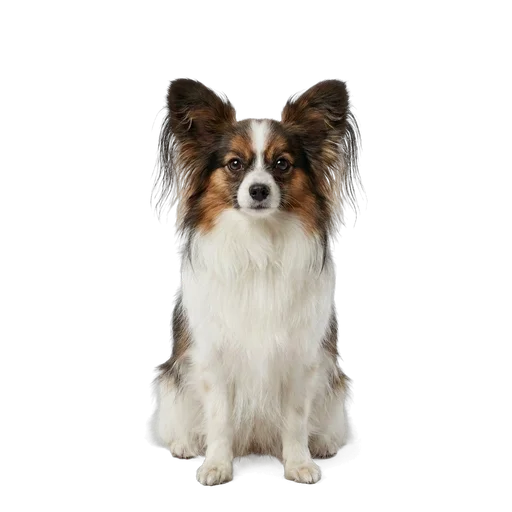
The Papillon is a tiny French toy dog with the brain of a border collie packed into a 3 to 5 kilogram frame. Those famous butterfly ears give the breed its name, but what owners remember is the personality: bright, busy, and endlessly keen to work out what you want. They train faster than almost any other small dog, which is why you see them cleaning up in agility and obedience rings well above their weight class. Despite the delicate looks, this is not a lap ornament. Give a Papillon a job and some daily movement and you get a happy, affectionate companion that fits city flats, gentle children, and multi-pet homes alike.
Temperament & personality
Papillons are alert, curious, and genuinely happy little dogs. They bond hard to their people and want to be involved in whatever is happening, from cooking to answering the door. That watchfulness makes them quick to bark at new sounds, so early work on a settle command pays off if you share walls with neighbors.
Intelligence is the headline trait. A Papillon picks up new cues in a handful of repetitions and stays sharp into old age, which is a gift and a small hazard: a bored one will invent its own games, usually involving your shoes or climbing onto any chair it can reach to raid the counter. Short, upbeat training sessions two or three times a day keep the mind satisfied.
Socially they are flexible. Most do well with polite children who understand that a small dog is not a toy, and they usually get on with cats and other dogs when introduced calmly. They can be a touch bold for their size, so supervise play with larger dogs to avoid accidental knocks.
Vaccination schedule
Puppies start their core vaccines at around 6 to 8 weeks with the combined DHPP shot, which covers distemper, hepatitis (adenovirus), parvovirus, and parainfluenza. Boosters follow every 2 to 4 weeks until the puppy is at least 16 weeks old, since maternal antibodies can block earlier doses from taking full effect.
Rabies is given as a single dose from 12 weeks of age, with timing set by local law and your vet. In many regions it is legally required, and you will need the certificate for travel or boarding.
After the puppy series, most Papillons move to a booster at one year, then core vaccines every 1 to 3 years depending on the product and your vet's protocol. Leptospirosis is now recommended as a core vaccine for all dogs, needing a 2-dose puppy series and then an annual booster rather than following the every-1-to-3-year DHPP schedule; dogs with water, rural, or wildlife exposure face higher risk, which is part of why the yearly booster matters. Non-core options such as kennel cough (Bordetella) or canine influenza depend on lifestyle. A tiny dog that visits groomers, parks, or daycare may benefit from kennel cough cover; talk it through at the annual check.
Best food & diet
Feed a complete diet formulated for small or toy breeds. The smaller kibble size matters more than it sounds, because a Papillon's mouth is tiny and standard-size pieces get bolted or dropped. Look for a named animal protein as the first ingredient and a recipe that meets AAFCO or FEDIAF standards for the right life stage.
Portions are small and easy to overshoot. An adult Papillon typically needs only around 200 to 300 calories a day depending on size and activity, so a few too many treats quickly show up on the waistline. Measure meals with a scale rather than a scoop, and count training treats toward the daily total. Numbers like these are a rough guide only; real needs shift with age, neuter status and activity, so watch the waistline and adjust with your vet.
Feed puppies three to four small meals a day. Toy-breed pups are prone to low blood sugar (hypoglycaemia) if a meal is skipped, so watch for wobbliness or lethargy and call your vet if it appears. Fresh water should always be available, and keep an eye on dental-friendly textures given how prone the breed is to tartar.
Common health problems
Patellar luxation, where the kneecap slips out of its groove, is the most common orthopaedic issue in the breed. Signs include a skipping hop on a back leg or a leg held up for a few strides before it pops back. Mild cases are managed with weight control and joint support; more severe grades may need surgery.
Eyes deserve attention too. Progressive retinal atrophy (PRA) is an inherited condition that slowly destroys the retina, leading to night blindness first and eventual total vision loss. There is no cure, so responsible breeders screen with DNA tests and eye exams before breeding.
Papillons carry a rare but serious breed-specific neurological disease called neuroaxonal dystrophy. Affected puppies show tremors, balance problems, and coordination issues that worsen over time, usually appearing within the first few months of life. A DNA test exists, and reputable breeders test their stock to avoid producing affected pups.
One more thing to watch: dental disease is very common in this small mouth. Crowded teeth trap plaque and tartar, so daily brushing from puppyhood and regular veterinary dental checks are the best way to keep the gums and teeth healthy for life.
Allergies & skin
Papillons are not a notably allergic breed, but like any dog they can react to fleas, pollens, dust mites, or certain food ingredients. The usual signs are itchy skin, red ears, licking or chewing at the paws, and recurrent ear infections. Because the coat is a single silky layer with no undercoat, skin problems tend to show quickly, which at least helps you catch them early.
Flea allergy is worth ruling out first, since a single bite can set off days of scratching in a sensitive dog. Year-round parasite prevention removes the most common trigger.
If itching persists once fleas are ruled out, the next steps are usually a diet trial or seasonal allergy management. Keep the skin healthy with a good-quality diet, gentle grooming, and prompt attention to any hot spots before they spread.
Flea, tick & worm prevention
Parasite control runs year-round for most dogs. The catch with a Papillon is the dosing weight: at 3 to 5 kilograms, an adult sits at the very bottom of many product ranges, and puppies weigh even less. Always match the product to your dog's current weight and never split a large-dog pipette to guess a small-dog dose.
For fleas and ticks you can choose a spot-on, a chewable tablet, or a collar. Chewables are convenient and avoid the residue issue in a home with young children, but some are only licensed above a minimum weight, so check the label for a tiny dog. Ticks matter even in city parks, and prompt removal lowers the risk of tick-borne disease.
Worming covers roundworms, tapeworms, hookworms, and, in at-risk regions, heartworm and lungworm. Puppies are wormed every 2 weeks from around 2 weeks of age until 12 weeks, then monthly to 6 months. Adults are typically treated every 3 months, or more often if they hunt or scavenge. Your vet can set an exact schedule based on where you live and your dog's habits.
Medications & dosing
Every medication for a Papillon is dosed by body weight, and at this size the margin for error is thin. A dose that is fine for a 20 kilogram dog can be a serious overdose for a 4 kilogram toy, so never share tablets between pets or estimate by eye.
Human painkillers are especially dangerous. Ibuprofen and paracetamol (acetaminophen) can be fatal to small dogs even in modest amounts. If your Papillon needs pain relief, use only a vet-prescribed veterinary product at the exact prescribed dose.
Weigh your dog regularly, because a difference of half a kilogram is a real proportion of a toy breed's body mass and can change the correct dose. When a vet prescribes tablets, ask whether they can be split accurately or whether a liquid formulation would let you dose more precisely. Keep all medicines well out of reach, since a curious Papillon is quite capable of raiding a low bag or bin.
Grooming & coat care
The Papillon has a long, flowing single coat with no undercoat, which keeps grooming more manageable than the glamour suggests. There is no seasonal blow-out, and shedding stays light to moderate. Brush two or three times a week with a pin brush to keep the feathering on the ears, chest, and tail free of tangles.
Pay special attention to the friction points behind the ears and between the back legs, where fine hair mats fastest. A quick daily check stops small knots turning into painful pelts.
Nails grow quickly on a light-footed dog that does not wear them down much, so trim every few weeks. Given the breed's strong tendency to dental disease, brush the teeth several times a week from puppyhood and schedule professional dental checks. Bathe every few weeks or when grubby, and dry the coat fully to protect that silky texture.
How the Papillon compares
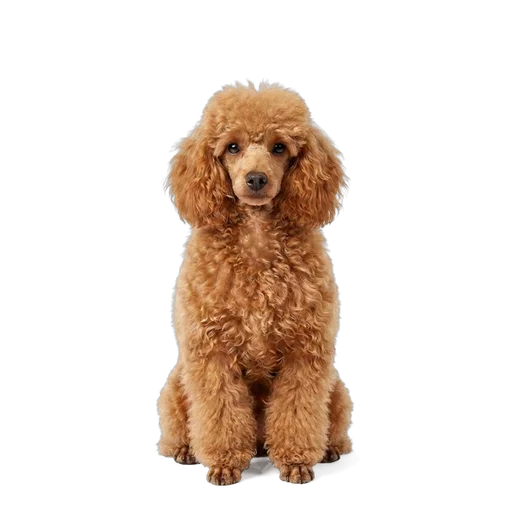
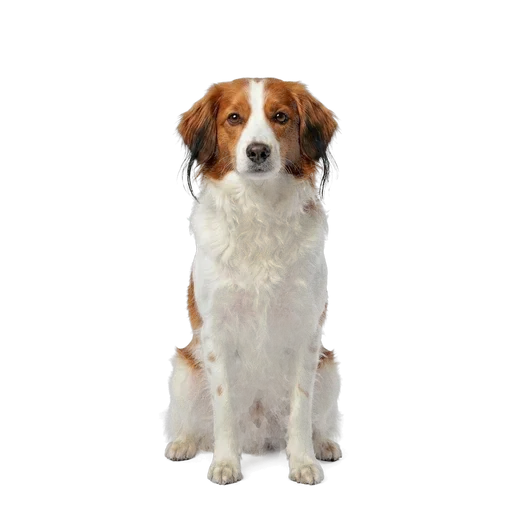
Deciding between similar breeds? Here is the Papillon next to Miniature Poodle and Nederlandse Kooikerhondje.
| Papillon | Miniature Poodle | Nederlandse Kooikerhondje | |
|---|---|---|---|
| Size | Small | Small | Small |
| Weight | 3-5 kg | 5-9 kg | 9-16 kg |
| Lifespan | 14-16 yrs | 13-16 yrs | 12-15 yrs |
| Activity | Active | Active | Active |
| Shedding | Low | Low | Medium |
| Good with kids | Yes | Yes | Yes |
| Apartment-friendly | Yes | Yes | Yes |
Frequently asked questions
Are Papillons good for first-time owners?
Yes. They are one of the most trainable small breeds and adapt well to flats and family life. The main thing a beginner needs to provide is daily mental stimulation and gentle, consistent training, plus care around their fragile size.
Do Papillons bark a lot?
They can. Papillons are alert and quick to announce visitors or unusual sounds. Early training on a quiet or settle cue, along with enough mental work to prevent boredom, keeps barking in check.
Are Papillons hypoallergenic?
No. They have a single silky coat that sheds lightly to moderately and they are not considered hypoallergenic. Regular brushing helps keep loose hair and dander down.
How much exercise does a Papillon need?
Around 30 to 60 minutes of activity a day, split between walks and play, suits most. Their real need is mental exercise: training games, puzzle feeders, and trick work satisfy this clever breed as much as physical exercise does.
Are Papillons good with children and other pets?
Generally yes, with gentle, respectful children and calm introductions to other animals. Because they are so small, supervise play closely so an excited child or a large dog cannot injure them by accident.
Related breeds

Health and care information is drawn from established veterinary sources and is general guidance, not veterinary advice. See our sources
Keep records for your Papillon
Vaccinations, food and treat safety, allergy alerts and parasite reminders - all tracked for your Papillon in the Pethls app.