

Origin: France
Miniature Poodle
Get reminders for your Miniature Poodle's vaccines
Vaccination and parasite reminders, food-safety scans and health records — free to start in the Pethls app.


Good for
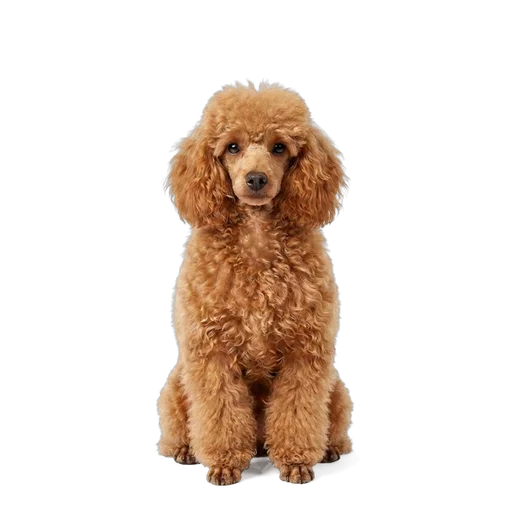
The Miniature Poodle packs the full Poodle brain into a body that tops out around 9 kg. Bred down from the larger Standard in France, it kept the sharp mind, the spring in its step, and the curly coat that barely sheds. These dogs learn fast, want a job, and bond hard with their people. For a first-time owner who wants a clever, portable, family-friendly dog, few breeds fit better.
Temperament & personality
Miniature Poodles rank near the top of every canine intelligence study, and it shows in daily life. They pick up house rules, tricks, and routines with very little repetition, and they get bored when nothing is asked of them. A bored Poodle invents its own entertainment, which usually means barking, digging, or chewing something you value. Short training sessions, puzzle feeders, and a bit of structure keep that busy mind pointed in the right direction.
This is a genuinely affectionate breed. It wants to be in the room with you, often on your lap or leaning against your leg, and it reads mood well. That sensitivity makes them gentle with children and quick to settle into a household rhythm, but it also means harsh corrections backfire. Reward-based training gets far more out of a Poodle than any raised voice ever will.
They socialize easily with other dogs and cats when introduced young, and their size makes them adaptable to apartments as long as they get real daily exercise. Some lines carry a reserved streak with strangers and will sound off at the doorbell, so early exposure to new people, places, and sounds pays off. A well-socialized Mini is confident rather than nervy.
Vaccination schedule
Puppies start their core vaccine series at 6 to 8 weeks with the combination DHPP shot, which covers distemper, hepatitis (adenovirus), parvovirus, and parainfluenza. Boosters follow every 3 to 4 weeks until the puppy is at least 16 weeks old, so most Minis get three rounds. Parvo hits small puppies hard, so keep an unvaccinated pup off shared ground and away from unknown dogs until the series is finished.
Rabies is given once at 12 to 16 weeks depending on local law, then boosted at the one-year mark. After that, rabies runs on a one-year or three-year cycle set by the vaccine product and your regional rules. A first adult DHPP booster is due one year after the puppy series, then typically every three years.
Non-core vaccines are worth a conversation based on lifestyle. Bordetella and canine influenza matter if your Poodle visits groomers, daycare, or boarding kennels, which most Minis do given their coat maintenance. Leptospirosis is a sensible add-on in areas with wildlife, standing water, or rodents. Your vet will tailor the plan to where you live and how your dog spends its days.
Best food & diet
Feed a complete diet formulated for small to medium breeds, matched to life stage. Puppies need the higher energy and calcium balance of a growth formula until roughly 12 months, then move to adult maintenance. Because Minis are small and food-motivated, watch the amount as closely as the label: a good complete food matters, but getting the portions right matters more. Measure meals, split them across two servings, and weigh your dog monthly.
This breed carries a few dietary sensitivities worth watching. Lamb, beef, dairy, and wheat show up as common allergens, so if you see itching, ear trouble, or loose stools, an elimination diet under vet guidance is the way to pin down the trigger. Novel-protein or hydrolyzed diets help dogs with confirmed food reactions.
Dental disease is a real problem in small breeds, and soft or sugary treats make it worse. Favor a kibble the dog actually chews, add vet-approved dental chews, and skip table scraps that pile on calories. A lean Miniature Poodle with a visible waist lives longer and moves better than a heavy one, and even 500 grams of extra weight is significant on a 7 kg frame.
Common health problems
Miniature Poodles are generally sturdy but carry several known conditions. Patellar luxation, where the kneecap slips out of its groove, is common in smaller dogs and ranges from an occasional skip in the step to needing surgery. Legg-Calve-Perthes disease, a breakdown of the hip joint's blood supply in young dogs, shows as hind-limb lameness in puppies and adolescents.
Eyes deserve attention. Progressive retinal atrophy gradually destroys the retina and leads to blindness, and responsible breeders often screen for it. Epilepsy can occur in some dogs and produces seizures that usually start between one and five years of age; it is manageable with medication once diagnosed. Ask any breeder for eye certification and a family seizure history.
Two hormonal diseases are worth knowing about. Cushing's disease is an imbalance where too much cortisol causes thirst, a pot belly, and hair loss. Addison's disease is the reverse: too little cortisol brings vague weakness and gut upset, and it can crash suddenly, so flag any unexplained lethargy early. Sebaceous adenitis, an inflammatory skin condition that damages the coat, can also affect the breed. Routine dental disease rounds out the list to raise at annual check-ups.
Allergies & skin
Beneath that curly coat, Poodle skin can be reactive. Environmental allergens like grass pollen and dust mites are frequent culprits and can lead to atopic dermatitis, with the dog licking paws, rubbing its face, and developing recurrent ear infections. Signs often flare seasonally at first, then become year-round if dust mites are involved. Managing the home environment and bathing with a soothing, vet-recommended shampoo both help.
Food allergens can mirror those skin signs. Lamb, beef, dairy, and wheat are the usual suspects in this breed, and a food trial lasting 8 to 12 weeks is the only reliable way to confirm a dietary cause. Do not chop and change diets randomly, since that muddies the picture and prolongs the itching.
Sebaceous adenitis is the Poodle-specific skin disease to know about. It attacks the oil glands, leaving scaly skin, a dull coat, and patchy hair loss along the back and neck. It is diagnosed by skin biopsy and managed long term with oil soaks, medicated baths, and sometimes supplements. Any persistent scaling or thinning coat in a Mini warrants a proper dermatology work-up rather than guesswork.
Flea, tick & worm prevention
Keep your Miniature Poodle on year-round flea and tick prevention. The dense coat hides parasites well, so an owner often misses an early infestation until the dog is scratching and skin is inflamed. Monthly spot-ons or chewables both work; pick one and stay consistent, because gaps in cover are what let flea populations take hold in the home. In tick country, a product with proven tick activity matters, since ticks carry diseases that are far harder to treat than they are to prevent.
Worming runs on its own schedule. Puppies should be wormed every two weeks from around two weeks of age until 12 weeks, then monthly to six months, covering the roundworms and hookworms they commonly pick up. Adults need worming roughly every three months, adjusted for lifestyle. Many combined parasite products fold heartworm prevention into the same monthly dose, which is essential in heartworm-endemic regions.
Dose every parasite product strictly by current body weight. On a 5 to 9 kg dog, the difference between weight bands is easy to get wrong, and under-dosing simply lets parasites survive. Weigh the dog before buying a new pack rather than assuming last season's weight still applies.
Medications & dosing
Almost every canine medication is dosed by body weight, and on a small dog the margin for error is thin. A 7 kg Mini needs a very different amount from a 25 kg spaniel, so never split or scale a dose by eye. Keep an up-to-date weight, and let your vet calculate the exact milligram amount for anything prescribed.
Never reach for the human medicine cabinet. Ibuprofen, paracetamol, and naproxen are toxic to dogs and can cause fatal kidney or liver damage at doses that seem trivial. If your Poodle is in pain, ask for a canine-licensed anti-inflammatory instead, and follow the label interval exactly.
Dogs on long-term medication for epilepsy, Cushing's, or Addison's need regular blood monitoring to keep doses in the safe range, and those doses are adjusted over time rather than set once. Finish every course of antibiotics even after symptoms clear, store medicines out of a curious dog's reach, and check with your vet before combining any two products.
Grooming & coat care
The Poodle coat is the reason this breed sheds so little and also the reason it takes real work. Curly hair keeps growing rather than dropping, so it needs professional clipping every 4 to 6 weeks to stay a manageable length. Between grooms, brush thoroughly two to three times a week down to the skin, because the outer curls can look fine while a dense mat forms underneath. Mats pull on the skin, trap moisture, and cause sores if left.
Pay attention to the details that Poodle owners sometimes skip. Hair grows inside the ear canal and should be checked and kept clear to prevent infections, especially in a breed already prone to ear trouble. Trim the hair between the paw pads, keep nails short, and clean the tear-stained area under the eyes gently. Introduce a puppy to brushing, clippers, and the grooming table early so the routine stays stress-free for life.
Bathe as needed with a shampoo suited to the coat and skin, and dry thoroughly, since damp curls invite yeast and irritation. If full-time professional grooming is not in the budget, learn to use clippers at home, but expect a learning curve. A neglected Poodle coat is not a cosmetic issue alone; it becomes a genuine welfare and skin-health problem.
How the Miniature Poodle compares
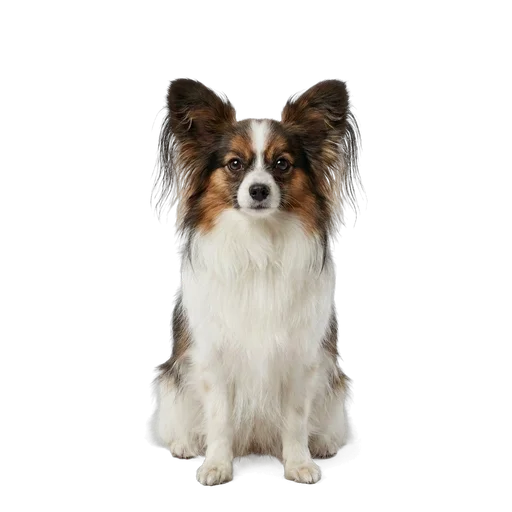
Deciding between similar breeds? Here is the Miniature Poodle next to Papillon and Bichon Frise.
| Miniature Poodle | Papillon | Bichon Frise | |
|---|---|---|---|
| Size | Small | Small | Small |
| Weight | 5-9 kg | 3-5 kg | 5-8 kg |
| Lifespan | 13-16 yrs | 14-16 yrs | 14-15 yrs |
| Activity | Active | Active | Moderate |
| Shedding | Low | Low | Low |
| Good with kids | Yes | Yes | Yes |
| Apartment-friendly | Yes | Yes | Yes |
Frequently asked questions
Are Miniature Poodles hypoallergenic?
They are about as close as a dog gets. The curly, dense coat sheds very little and traps loose hair and dander instead of releasing it into the home, which many allergy sufferers tolerate well. No dog is truly allergen-free, so spend time around one before committing, but Minis are a sensible choice for allergy-prone households.
How much exercise does a Miniature Poodle need?
Plan on around 45 minutes to an hour of activity a day, split between walks and play. Just as important is mental work, since this is one of the smartest breeds and a tired body with a bored brain still finds trouble. Training games, scent work, and puzzle toys satisfy the mind as much as a second walk would.
Are Miniature Poodles good for first-time owners?
Yes. They are eager to please, quick to house-train, and forgiving of a beginner's mistakes as long as training stays reward-based. The main commitment to understand upfront is the grooming, both the time and the cost of professional clipping every four to six weeks.
How long do Miniature Poodles live?
Typically 13 to 16 years, which is long even for a small breed. Keeping the dog lean, staying on top of dental care, and screening for the breed's known eye and hormonal conditions all help them reach the upper end of that range.
Do Miniature Poodles bark a lot?
They can. Poodles are alert and quick to announce visitors, and a bored or under-exercised one barks more. Early socialization to everyday sounds plus enough daily mental and physical exercise keeps the noise reasonable.
Related breeds

Health and care information is drawn from established veterinary sources and is general guidance, not veterinary advice. See our sources
Keep records for your Miniature Poodle
Vaccinations, food and treat safety, allergy alerts and parasite reminders - all tracked for your Miniature Poodle in the Pethls app.