


Origin: China
Pekingese
Get reminders for your Pekingese's vaccines
Vaccination and parasite reminders, food-safety scans and health records — free to start in the Pethls app.


Good for
The Pekingese is a small toy dog with an outsized sense of self. Bred for centuries inside the Chinese imperial palace as a companion to royalty, this little lion dog carries itself with a dignity that borders on regal indifference. Weighing only 3 to 6 kilograms and living 12 to 14 years, the Peke bonds fiercely with one or two people and stays politely distant from everyone else. Behind that flowing mane and flat, pushed-in face sits a stubborn, courageous character that never quite got the memo about being small. Owners love them for their loyalty, but the breed comes with real health considerations that anyone should understand before bringing one home.
Temperament & personality
Pekingese are calm, self-assured dogs that prefer to observe the world rather than chase it. They form deep attachments to their chosen person and will often follow that person from room to room, settling nearby with a contented sigh. With strangers they are aloof, sometimes standoffish, and they rarely offer instant affection to anyone new. This independence is part of the charm, but it also means a Peke does what a Peke wants.
The stubborn streak is genuine and worth respecting. These dogs were companions to emperors, not workers taking orders, and that history shows in their attitude. Training works best with short, patient sessions and food rewards rather than repetition or force. Push too hard and a Pekingese will simply sit down and refuse.
They are not a good match for households with young, boisterous children. A Peke will not tolerate rough handling, ear-pulling, or being chased, and their prominent eyes and long back make injury a real risk during rough play. With calm older children and other pets they usually coexist happily, often ignoring the household chaos with an air of quiet superiority.
Vaccination schedule
Pekingese puppies follow the standard core vaccination plan for dogs. The DHPP combination vaccine, which covers distemper, hepatitis (adenovirus), parvovirus, and parainfluenza, is usually given in a series starting around 6 to 8 weeks of age, then repeated every 3 to 4 weeks until the puppy is about 16 weeks old. Rabies vaccination is given once at roughly 12 to 16 weeks, depending on local law.
A booster for DHPP and rabies is given at around one year, after which most veterinarians move to a three-year schedule for the core vaccines where regulations allow. Keeping puppies away from unvaccinated dogs and public parks until the series is complete protects them during the vulnerable window.
Leptospirosis is now recommended as a core vaccine for all dogs, so your Peke should receive it regardless of lifestyle or location; it follows a 2-dose puppy series and then an annual booster, unlike the three-year DHPP boosters. Non-core vaccines such as those for Bordetella (kennel cough) or canine influenza depend on lifestyle and regional risk. A Peke that visits grooming salons, boarding kennels, or dog-friendly cafes may benefit from Bordetella protection. Your vet will tailor the plan to where you live and how your dog spends its time.
Best food & diet
A high-quality small-breed dog food suits the Pekingese well, since the smaller kibble size is easier for a flat-faced dog to pick up and chew. Because they are a low-energy toy breed, portion control matters enormously. Even a little extra weight puts strain on the spine and makes breathing harder, so measure meals rather than free-feeding, and split the daily ration into two servings.
Look for a complete and balanced food with named animal protein as the first ingredient and moderate fat. Puppies need a formula designed for growth until around 10 to 12 months, then a switch to adult food. Some Pekes eat more comfortably from a slightly raised, wide, shallow bowl that accommodates their short muzzle.
Treats should stay under roughly 10 percent of daily calories. Given how small the breed is, a single large biscuit can eat up much of a Peke's daily calorie allowance, so break treats into tiny pieces. Fresh water should always be available, especially in warm weather when a brachycephalic dog is at higher risk of overheating.
Common health problems
The most important health concern in the breed is brachycephalic obstructive airway syndrome (BOAS). The Pekingese has one of the flattest faces of any dog, and the narrowed nostrils, elongated soft palate, and cramped airway that come with it can cause noisy breathing, snorting, exercise intolerance, and dangerous overheating. Signs to watch for include loud breathing at rest, gagging, and blue-tinged gums. Surgery can widen the airway in more severely affected dogs.
The long back and short legs predispose Pekingese to intervertebral disc disease (IVDD), where a spinal disc bulges or ruptures and presses on the spinal cord. This can cause pain, wobbliness, or in severe cases sudden paralysis. Discourage jumping on and off furniture, keep your dog lean, and see a vet promptly if you notice reluctance to move, a hunched posture, or dragging of the back legs.
The prominent eyes bring their own risks: dry eye (reduced tear production), corneal ulcers from the exposed surface, and in the worst cases proptosis, where trauma or excess pressure can cause the eyeball to pop forward out of the socket. This is a genuine emergency. Dental crowding is also common because the shortened jaw leaves little room for a full set of teeth, so regular dental care matters. The deep facial wrinkle is also prone to skin fold dermatitis, so keep the fold clean and dry.
Allergies & skin
The deep wrinkle across the Pekingese muzzle is the classic trouble spot for skin fold dermatitis. Moisture, food debris, and tears collect in the crease, creating a warm pocket where yeast and bacteria thrive. Wiping the fold gently every day or two with a soft, damp cloth and drying it thoroughly keeps the area clean. If the skin turns red, smelly, or sore, a vet can prescribe a medicated wipe or cream.
Like many dogs, Pekingese can occasionally develop environmental allergies (atopic dermatitis) to pollen, dust mites, or mold, as well as food-related allergies. Signs include itching, licking of the paws, recurrent ear infections, and inflamed skin. Because the heavy coat can hide early skin changes, part the fur now and then to check the skin underneath.
The eyes and skin are linked in this breed, since tears overflowing onto the face keep the surrounding fur and folds damp. Keeping the eye area clean helps prevent tear-stain buildup and secondary skin irritation. If your dog is scratching persistently or you spot bald patches, book a veterinary visit rather than guessing at the cause, as skin conditions in Pekes often need targeted treatment.
Flea, tick & worm prevention
Fleas and ticks bother a Pekingese just as much as any dog, and the long double coat can hide parasites until an infestation is well established. Year-round prevention is the simplest approach. Products come as spot-on liquids, oral chews, and collars, and the correct choice is always the one dosed for your dog's exact weight, which for this breed usually falls in the smallest weight band on the packaging.
Because Pekingese are so light, giving the right dose is critical. A product sized for a larger dog is unsafe, so weigh your dog and match the product band precisely, or let your vet supply it. Never use a product labeled for dogs on a cat in the same household, as some canine flea treatments are toxic to cats.
Intestinal worming should be routine. Puppies are typically wormed every two weeks until 12 weeks of age, then monthly until 6 months, then several times a year as adults. Many modern parasite products combine flea, tick, and worm control in one dose. Heartworm prevention matters in regions where the parasite is present, so ask your vet what your area requires.
Medications & dosing
Every medication for a Pekingese should be dosed by body weight and directed by a veterinarian. In a breed that weighs as little as 3 kilograms, a small error in dose is proportionally large, so never split tablets meant for bigger dogs or estimate by eye. Always confirm the strength and the amount with your vet or the pharmacy label.
Some human medicines are dangerous for dogs. Ibuprofen, paracetamol (acetaminophen), and aspirin can cause serious harm and must never be given without veterinary instruction. If your Peke is in pain, your vet can prescribe a canine-specific anti-inflammatory at a safe dose.
Brachycephalic dogs need extra care around anaesthesia and sedation because of their compromised airways. Tell any vet treating your dog that it is a flat-faced breed so they can plan accordingly. Keep a written list of your dog's medications, doses, and any past reactions, and bring it to every appointment.
Grooming & coat care
The Pekingese wears a long, straight, flowing double coat with a thick mane around the neck and shoulders. This coat needs brushing several times a week, ideally most days, to prevent the fine undercoat from matting behind the ears, under the legs, and around the rear. Working through the coat in sections down to the skin, rather than skimming the surface, is the key to staying ahead of tangles.
Shedding is moderate but steady, with heavier seasonal drops in spring and autumn when the undercoat blows. Regular brushing captures loose hair before it ends up on your furniture. A bath every three to four weeks keeps the coat clean, and thorough drying afterward prevents damp skin problems.
Pay special attention to the details a flat-faced breed demands. Clean the facial fold and the area around the eyes daily, trim the hair around the paws and rear for hygiene, and keep the nails short. Because the coat is high-maintenance, some owners choose a shorter clip to make daily care easier, though this changes the breed's signature look.
How the Pekingese compares
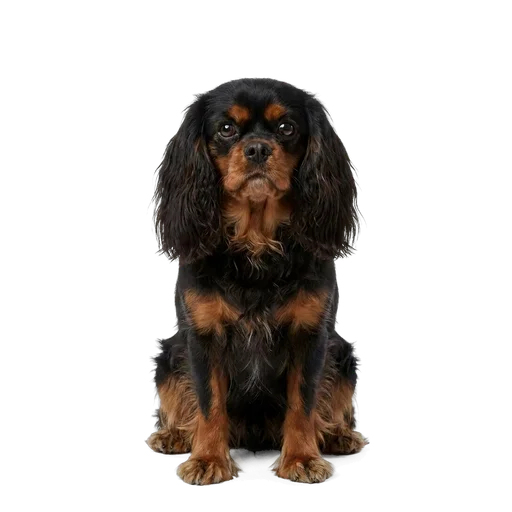
Deciding between similar breeds? Here is the Pekingese next to English Toy Spaniel and Pug.
| Pekingese | English Toy Spaniel | Pug | |
|---|---|---|---|
| Size | Small | Small | Small |
| Weight | 3-6 kg | 4-6 kg | 6-8 kg |
| Lifespan | 12-14 yrs | 10-12 yrs | 12-15 yrs |
| Activity | Calm | Calm | Calm |
| Shedding | Medium | Medium | High |
| Good with kids | No | Yes | Yes |
| Apartment-friendly | Yes | Yes | Yes |
Frequently asked questions
Are Pekingese good for first-time dog owners?
They can be, thanks to their low exercise needs and devoted nature, which suit a calm home or apartment. The catch is the grooming commitment and the brachycephalic health issues, which need a watchful owner. A beginner willing to brush daily and work with a vet on the breathing and eye risks will do well; someone expecting a low-effort pet may struggle with the coat and the vet care.
Do Pekingese get along with children?
They do best with calm, considerate older children. Pekingese will not tolerate rough handling, and their prominent eyes and long backs make them prone to injury during boisterous play. With toddlers and very active young kids, the mismatch in energy and the risk of accidental harm make them a poor fit. Always supervise interactions closely.
How much exercise does a Pekingese need?
Not much. A couple of short, gentle walks a day plus some indoor play is enough for this low-energy breed. Because of their flat faces, avoid exercise in heat and humidity, and never push them to keep pace on long or strenuous outings. Watch for noisy breathing or tiring, which are signs to stop and cool down.
Why does my Pekingese breathe so noisily?
Some snuffling is normal in flat-faced dogs, but loud, labored, or constant noisy breathing can signal brachycephalic obstructive airway syndrome. Narrow nostrils and an elongated soft palate restrict airflow. If your dog snorts heavily at rest, tires quickly, gags, or overheats easily, have a vet assess the airway, since surgical correction helps in more affected dogs.
How often should a Pekingese be groomed?
Brush several times a week at minimum, and daily if you can, to keep the long double coat free of mats. Bathe every three to four weeks, clean the facial fold and eye area every day, and keep nails trimmed. Professional grooming every six to eight weeks helps, and some owners opt for a shorter clip to reduce the daily workload.
Related breeds

Health and care information is drawn from established veterinary sources and is general guidance, not veterinary advice. See our sources
Keep records for your Pekingese
Vaccinations, food and treat safety, allergy alerts and parasite reminders - all tracked for your Pekingese in the Pethls app.