

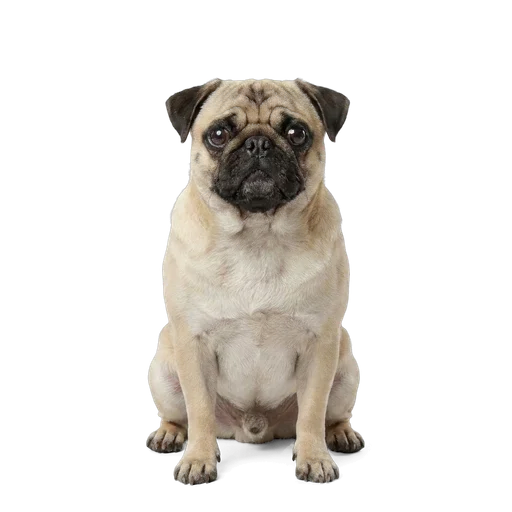
Origin: China
Pug
Get reminders for your Pug's vaccines
Vaccination and parasite reminders, food-safety scans and health records — free to start in the Pethls app.


Good for
The Pug is a small, sturdy comedian that lives to be near its people. Bred in ancient China as a companion to royalty, it carries that lap-dog history into every modern living room, following its owner from sofa to kitchen to bed. At 6 to 8 kg with a lifespan of 12 to 15 years, it fits apartments, families, and first-time owners alike. The wrinkled flat face is the breed's signature and also its biggest health caveat, because it drives breathing trouble, overheating, and the skin folds that need daily care. The charm is easy; the work is keeping a brachycephalic dog cool and lean.
Temperament & personality
Pugs are companion dogs to the core. They are affectionate, funny, and endlessly attached to their family, happiest when included in whatever is happening. That craving for company makes them excellent with children and easygoing with other dogs and cats.
Energy runs low to moderate. A Pug enjoys a short walk and a game, then is content to snooze at your feet for hours. This suits quiet homes and apartments, but the flip side is a tendency to gain weight, so play and portion control both matter.
They are smart in a stubborn, food-motivated way. Training works when treats are involved and sessions stay short and positive; harsh correction gets you a sulking Pug and nothing more. Their attachment can tip into separation distress if they are routinely left alone all day.
Vaccination schedule
Puppies begin the core DHPP series (distemper, hepatitis/adenovirus, parvovirus, parainfluenza) at 6 to 8 weeks, boosted every 3 to 4 weeks until roughly 16 weeks old. Completing the whole series is what actually builds protection, so do not stop early.
Rabies goes in once at 12 to 16 weeks depending on local law, a booster at one year, then every 1 to 3 years by vaccine type and regional rules. Keep the vaccination card, since travel, boarding, and grooming all require proof.
Leptospirosis is now a core vaccine recommended for every dog, given as a 2-dose puppy series and then boosted annually, unlike the every 3 years DHPP boosters; contact with water, wildlife, or rural areas raises the risk and is why the yearly booster matters. Lifestyle vaccines, Bordetella and canine influenza, are added based on exposure. Pugs that visit daycare, dog parks, or groomers benefit from Bordetella and flu cover. Your vet sets the final schedule around local disease risk and your dog's routine.
Best food & diet
Portion discipline is the single most important part of feeding a Pug. The breed loves food and gains weight easily, and every extra kilo makes breathing harder on an already flat face. Measure meals, feed twice a day, and keep treats to a small share of daily calories.
Aim to keep a Pug lean enough that you can feel the ribs under a light layer. A waist that is visible from above is the sign you are aiming for. Overweight Pugs suffer more with heat, joints, and the airway, so weight control is a health treatment, not just cosmetics.
Food sensitivities are common, with beef, chicken, dairy, and wheat the usual suspects behind itchy skin and ear trouble. If those signs appear, a vet-guided elimination diet sorts out the trigger. Use a slow-feeder if your Pug inhales meals, since gulping air worsens the snorting and gas.
Common health problems
Brachycephalic airway syndrome tops the list. Pinched nostrils, an overlong soft palate, and a narrow windpipe make breathing effortful, and it gets dangerous in heat or during exertion. Some snorting is normal; constant loud, strained breathing means a vet should look at whether surgery would help.
Pug dog encephalitis, an inflammation of the brain, tends to show up in young to middle-aged dogs. Watch for seizures, circling, and disorientation. It carries a poor outlook, which is one reason choosing a health-screened breeding line matters.
The prominent eyes are vulnerable. Corneal ulcers, dry eye, and in extreme cases proptosis (the eyeball displacing from the socket after trauma) can all threaten sight, so any eye symptom is an emergency. The breed is also prone to skin fold dermatitis in the facial wrinkles, patellar luxation (a slipping kneecap), and hemivertebrae (malformed spinal bones that can press on the cord).
Two constants sit behind all of it: obesity and heat. A lean Pug breathes and moves better, and because the airway makes cooling and anesthesia higher-risk, keep the dog cool, keep it slim, and use a vet who monitors brachycephalic patients carefully during any procedure.
Allergies & skin
Pugs are prone to atopic dermatitis, an inherited tendency to react to environmental allergens like dust mites and grass pollen. Food ingredients, commonly beef, chicken, dairy, and wheat, can drive the same itch. The result is red, irritated skin, chewed feet, face rubbing, and recurring ear infections.
Separating the causes takes method. Environmental atopy often flares seasonally and may need allergy testing, while food reactions run year-round and are pinned down with an elimination diet. Managing atopic dermatitis is usually about long-term control rather than a one-time cure.
The facial wrinkles need daily attention regardless of allergies. Trapped moisture, food, and dead skin turn the folds into a warm pocket where yeast and bacteria thrive, causing skin fold dermatitis. Wipe each fold with a soft damp cloth or vet wipe, then dry it thoroughly, and keep any tail-pocket clean the same way.
Flea, tick & worm prevention
Keep a Pug on year-round flea and tick prevention. Fleas are miserable for an allergy-prone breed, where a few bites can trigger a full itch flare, and ticks spread disease across most regions. Options include monthly chews, spot-ons, and long-acting collars matched to your local risk.
Worming follows the standard timeline: puppies every 2 weeks until 12 weeks, then monthly to 6 months, then every 3 months as adults. Combination products that cover roundworm and tapeworm together with fleas reduce how many separate doses you juggle.
In heartworm regions, monthly prevention is a must and usually needs a clear test first. All of these treatments are dosed by body weight, so weigh your Pug before restocking. Because weight creeps up in this breed, a dose that fit six months ago may be under the mark now.
Medications & dosing
Medication for a small dog is dosed on current body weight, and a Pug's compact size means small errors matter. Do not halve a large tablet by guesswork or borrow another pet's prescription; even a kilo of difference changes the right dose.
Human pain relievers are off-limits. Ibuprofen, paracetamol/acetaminophen, and naproxen can poison a dog. For pain or inflammation, use only a vet-prescribed canine product and stick exactly to the labeled dose and interval.
Always tell the vet a Pug is brachycephalic before sedation or surgery, since some sedatives depress breathing that a flat-faced dog cannot spare. If your Pug is on medication for skin, eyes, or a neurological condition, keep a written list of drugs and doses ready for every appointment and any emergency.
Grooming & coat care
Do not let the short coat fool you: Pugs shed a lot, year-round, with heavier blows in spring and autumn. Fawn Pugs are usually double-coated, while black Pugs tend to be single-coated, but both leave hair everywhere. Brush two or three times a week with a bristle brush or de-shedding tool to stay ahead of it, more during a shed.
The wrinkles are the real grooming job. Clean the facial folds daily, wiping out trapped moisture and debris and drying each crease, because skin fold dermatitis sets in fast when a fold stays damp. This one habit prevents most of the skin infections the breed is known for.
Bathe every few weeks or when the coat gets greasy, using a gentle dog shampoo, and dry the folds afterward. Finish with the basics: nails trimmed every few weeks, ears cleaned when waxy, and teeth brushed often, since a crowded brachycephalic jaw can run into dental disease.
How the Pug compares
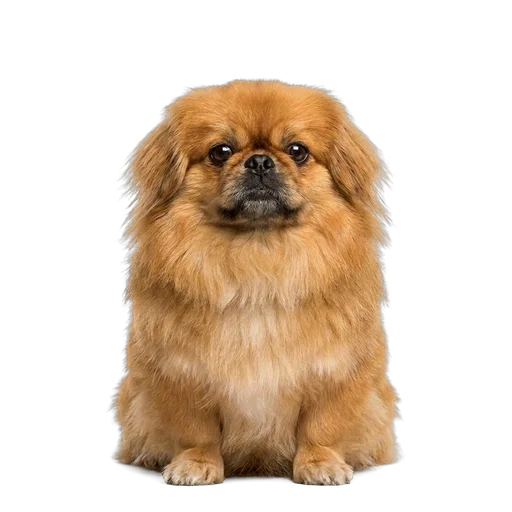
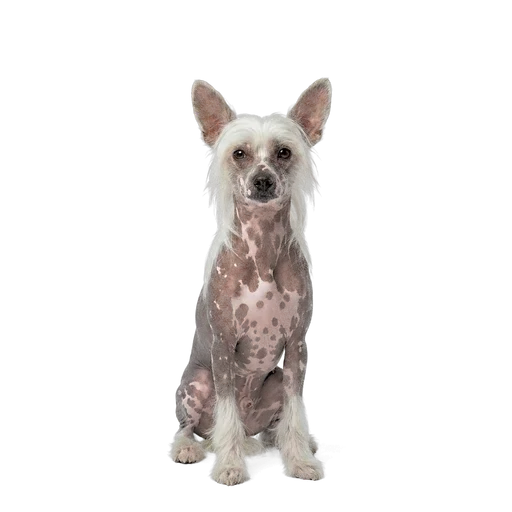
Deciding between similar breeds? Here is the Pug next to Pekingese and Chinese Crested.
| Pug | Pekingese | Chinese Crested | |
|---|---|---|---|
| Size | Small | Small | Small |
| Weight | 6-8 kg | 3-6 kg | 4-5 kg |
| Lifespan | 12-15 yrs | 12-14 yrs | 13-18 yrs |
| Activity | Calm | Calm | Moderate |
| Shedding | High | Medium | Low |
| Good with kids | Yes | No | Yes |
| Apartment-friendly | Yes | Yes | Yes |
Frequently asked questions
Do Pugs shed a lot?
Yes, more than their short coat suggests. Fawn Pugs are usually double-coated and black Pugs single-coated, but either way they shed heavily all year, with bigger seasonal blows. Brushing two or three times a week keeps it under control, but expect hair on clothes and furniture. They are also not hypoallergenic, so the dander still affects sensitive people.
Why does my Pug snort and snore?
The flat face gives Pugs narrow airways, so snorting and snoring come with the breed. Light noise at rest is normal. Constant loud, labored breathing, gagging, or blue-tinged gums is not, and it means a vet should assess whether the airway needs treatment. Heat and excitement make it worse.
How do I clean my Pug's facial wrinkles?
Wipe each fold daily with a soft damp cloth or a vet-approved wipe, then dry it completely; moisture left in a crease causes skin fold dermatitis. Do the same for any tail pocket. If a fold turns red, smelly, or sore despite cleaning, it likely has an infection that needs a vet.
Are Pugs good with children and other pets?
Very. Pugs are affectionate, patient, and sociable, which makes them excellent with kids and easy to introduce to other dogs and cats. Supervise young children so a small dog is not handled roughly, and keep an eye on those prominent eyes, which are vulnerable to accidental pokes.
How do I keep my Pug from getting overweight?
Measure every meal, keep treats to a small fraction of daily calories, and skip table scraps. Aim to feel the ribs under a thin layer of fat with a visible waist from above. Daily light exercise helps, but portion control does most of the work, and a lean Pug breathes far more easily.
Related breeds
Health and care information is drawn from established veterinary sources and is general guidance, not veterinary advice. See our sources
Keep records for your Pug
Vaccinations, food and treat safety, allergy alerts and parasite reminders - all tracked for your Pug in the Pethls app.