

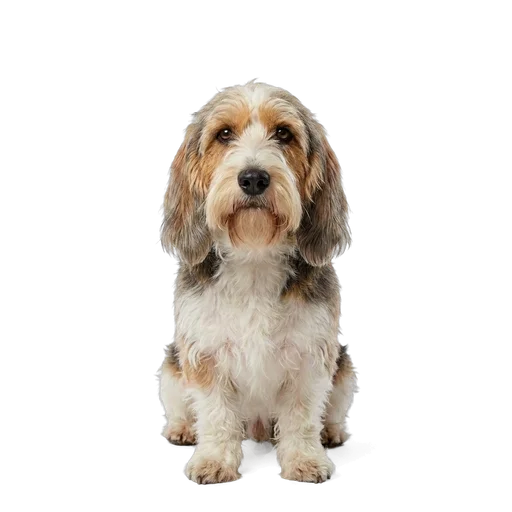
Origin: France
Petit Basset Griffon Vendéen
Get reminders for your Petit Basset Griffon Vendéen's vaccines
Vaccination and parasite reminders, food-safety scans and health records — free to start in the Pethls app.


Good for
Fanciers call the Petit Basset Griffon Vendéen "the happy breed", and one meeting explains why: a shaggy, tousled French rabbit hound with a constantly wagging tail, a loud opinion about everything, and boundless good cheer. Bred to hunt rabbits through the brambles of the Vendée region, the PBGV is a long-backed, short-legged dog of 11 to 20 kg with stamina that puts bigger dogs to shame and a lifespan of 14 to 16 years. It is extroverted, busy, vocal and cheerfully stubborn, always ten seconds from following its nose over the horizon. For active homes that enjoy character and can live with a hound's independence, it is hard to beat for personality.
Temperament & personality
The PBGV wakes up cheerful and stays that way. This is an extroverted, confident hound that assumes every person and dog it meets is a friend, which makes it a delight at the park and a hopeless guard dog. It is also busy. A PBGV patrols the garden, investigates every bag brought into the house, and narrates its findings with a full hound vocabulary of barks, bays and howls. Prospective owners in terraced housing or apartments should take the vocal reputation seriously.
The nose runs the show. Bred to trail rabbits through dense cover for hours, a PBGV that catches a scent will follow it with total commitment and temporary deafness. That means leashed walks and a genuinely secure fence, checked regularly, because the breed digs and squeezes with talent. Recall training is worth doing thoroughly and trusting cautiously.
With family, PBGVs are affectionate, playful and excellent with children, sturdy enough for boisterous games and patient by nature. They were bred to hunt in packs, so most get on well with other dogs; small pets like rabbits are a riskier proposition given the breed's original job description. Training works when it is short, fun and rewarded, and fails when it is repetitive. The stubbornness is real but good-natured: a PBGV is not defying you, it simply has its own agenda and is open to negotiation.
Vaccination schedule
PBGV puppies follow the standard core schedule. The DHPP combination vaccine, covering distemper, hepatitis (adenovirus), parvovirus and parainfluenza, begins at 6 to 8 weeks and is repeated every 3 to 4 weeks until at least 16 weeks of age. A booster at one year is followed by boosters every one to three years on your vet's advice.
Rabies vaccination happens once between 12 and 16 weeks depending on local regulations, is boosted at one year, then repeated every one to three years as your region requires. Keep certificates filed; hound owners travel to trails and events more than most.
One breed-specific note: steroid-responsive meningitis-arteritis, discussed under health problems, typically strikes young PBGVs and causes fever and neck pain that owners sometimes misattribute to a vaccine reaction. Mild lethargy for a day after vaccination is normal; a puppy or young dog with a stiff, painful neck, a hunched posture and a high temperature is a different matter and needs a vet promptly, whatever the timing. Leptospirosis is now a core vaccine recommended for every dog, given as a two-dose puppy series and then an annual booster, unlike the DHPP core boosters that run every one to three years. It matters all the more for this breed, since a scent hound with its nose in ditches, puddles and wildlife trails has real exposure. Confirm the schedule with your vet.
Best food & diet
Feed a PBGV a complete diet matched to its actual activity level, which varies more than the breed's size suggests. A hound doing long weekend hikes or scent work burns far more than a suburban pet on two walks a day. For most adults in the 11 to 20 kg range, that means roughly 450 to 900 kcal daily depending on where the dog falls in that weight span, with only genuinely hard-working hounds doing long scent days needing more; adjust by body condition rather than by the feeding chart. Puppies do well on a standard puppy formula until around 12 months.
Weight control is not cosmetic in this breed, it is orthopaedic. The PBGV's long back and short legs, plus its known risk of hip dysplasia and patellar luxation, mean every excess kilo loads joints that are already working at a mechanical disadvantage. You should feel ribs easily through the rough coat and see a waist from above. Hounds are talented beggars with excellent appetites, so measure meals and count treats honestly.
Two meals a day suits adults better than one, and food-dispensing toys or scatter feeding in the garden put that professional nose to work, which the breed loves. Joint-support nutrition (omega-3 fish oil, and glucosamine or green-lipped mussel supplements at vet-recommended doses) is a reasonable addition for middle-aged dogs or those with early joint findings. Keeping the dog lean does more for its joints than any supplement.
Common health problems
The PBGV is a sturdy breed with an excellent lifespan of 14 to 16 years, but it has one condition every owner must know by name: steroid-responsive meningitis-arteritis, or SRMA. It is documented in the breed and typically appears in dogs between about 6 and 18 months old. The classic picture is sudden neck pain, a reluctance to lower the head or turn it, a hunched stance, fever and lethargy. This is a vet-now situation. The good news is in the name: SRMA usually responds well to corticosteroid treatment, and most dogs recover fully, though relapses can happen and treatment courses run for months. Young PBGVs with unexplained fever and a stiff neck should be seen the same day.
Orthopaedically, watch for hip dysplasia and patellar luxation. Hip dysplasia in a small, long-backed hound shows up as bunny-hopping, stiffness after rest or reluctance on stairs, and is managed with weight control, exercise moderation, physiotherapy and pain relief, with surgery reserved for severe cases. Patellar luxation causes the familiar skipping hind-leg gait; vets grade it during routine exams and most cases need monitoring rather than surgery.
Eyes deserve a check too. Persistent pupillary membranes, remnants of foetal tissue across the iris or lens, occur in the breed and are usually harmless threads found on exam, though extensive ones can affect vision. Reputable breeders screen eyes. Finally, those wonderful heavy, hairy ears trap warmth and moisture, making ear infections a recurring nuisance; a weekly sniff-and-look and prompt treatment of head shaking keeps them from becoming chronic.
Allergies & skin
The PBGV is not hypoallergenic. The rough double coat sheds moderately year-round, and the breed produces normal levels of dander, so allergic households should not expect the wiry texture to protect them.
The harsh, tousled coat was built for brambles and generally keeps the skin beneath in good order. The breed is not notably allergy-prone, but individual dogs develop the standard triggers: flea saliva, environmental allergens like pollen and dust mites, and occasionally food. Signs follow the usual pattern of paw licking, belly redness, recurrent ear trouble and scratching. Because PBGVs push through vegetation nose-first, also check for the mechanical stuff after walks: grass seeds and burrs work into the coat, ears, armpits and between toes, and an embedded grass awn can mimic an allergy with localised licking and swelling.
The ears are the breed's weak point in this category. Long, hairy, hanging ears create a humid canal where yeast and bacteria thrive, and allergy flares make it worse. If your PBGV has repeated ear infections, ask your vet whether allergy is the underlying driver rather than treating each episode in isolation. Routine ear checks after swimming or wet walks, and drying the canals, prevent a good share of trouble.
Flea, tick & worm prevention
A hound that spends its life shoulder-deep in undergrowth needs disciplined parasite prevention. Ticks are the headline risk: the PBGV's hunting style takes it straight through tick habitat, and the dense rough coat hides attached ticks well. Use a vet-recommended flea and tick preventive year-round, whether a monthly isoxazoline chew or a topical, and go over the dog after country walks with your fingers and a comb, checking ears, neck folds, armpits, groin and between toes. In Lyme-endemic regions, ask your vet about vaccination alongside chemical prevention.
Fleas establish quickly in a coat this dense and are far easier to prevent than to clear. Treat all pets in the household on the same schedule, since a single untreated cat quietly refills the environment. If you find flea dirt, treat the house as well as the dog; most of the population lives in carpets and bedding, not on the animal.
Worming follows the standard program: puppies every 2 weeks from 2 weeks of age to 12 weeks, then monthly to 6 months, then adults every 3 months or via monthly combination preventives. For a scent hound that investigates carrion, rabbit droppings and everything else, quarterly worming is a minimum, and dogs that hunt or scavenge may need monthly tapeworm coverage. Include heartworm prevention where it is endemic, and dose everything by current weight, since a 20 kg PBGV needs nearly double the dose of an 11 kg one.
Medications & dosing
All dosing for a PBGV is weight-based and vet-directed, and the breed's wide 11 to 20 kg range makes an accurate current weight genuinely important. Never estimate from breed averages or reuse another dog's prescription; the difference between the bottom and top of this breed's range is almost a factor of two.
If your dog is diagnosed with steroid-responsive meningitis-arteritis, expect a long, carefully tapered course of corticosteroids, sometimes with additional immunosuppressive drugs in relapsing cases. The taper matters: stopping steroids abruptly risks relapse and adrenal trouble, so follow the schedule exactly and finish it even when your dog looks completely recovered weeks before the course ends. Your vet may recheck blood work along the way to monitor treatment.
For everyday issues, the usual rules hold. Dog-safe NSAIDs for joint pain must be prescribed, never improvised from the human medicine cabinet; ibuprofen and naproxen are toxic to dogs. One interaction to flag: NSAIDs and corticosteroids must not be combined, so if your PBGV is on steroids for SRMA and seems sore, call the vet rather than adding a painkiller. Keep a written medication log with dates, doses and weights, and take it to every appointment.
Grooming & coat care
The PBGV's coat is meant to look casually scruffy, and the grooming goal is a tidy version of tousled, not a sculpted trim. The rough, wiry outer coat over a soft undercoat needs a thorough brush once or twice a week with a slicker brush and a metal comb, paying attention to the friction zones where mats start: behind the ears, in the beard, under the arms, and in the trousers. Shedding is moderate; regular brushing keeps most of it in the brush rather than on the sofa.
The furnishings need the most upkeep. The beard collects water, food and garden souvenirs and benefits from a rinse or wipe after messy meals. Check the coat after every countryside walk for burrs, twigs and grass seeds, which this breed gathers like a hobby. A few times a year, dead outer coat can be hand-stripped or carded out to keep the harsh texture; clipping softens the coat and is generally avoided in the breed, though pet owners sometimes accept that trade for convenience.
Bathing every 6 to 8 weeks or when the dog is genuinely dirty is plenty, using a shampoo that will not soften the harsh coat excessively. Ears are the non-negotiable part of the routine: check and sniff weekly, pluck or trim excess hair around the canal if your vet advises, and dry the ears after swimming. Add nail trims every 3 to 4 weeks and tooth brushing several times a week, and the happiest breed stays a presentable one.
How the Petit Basset Griffon Vendéen compares
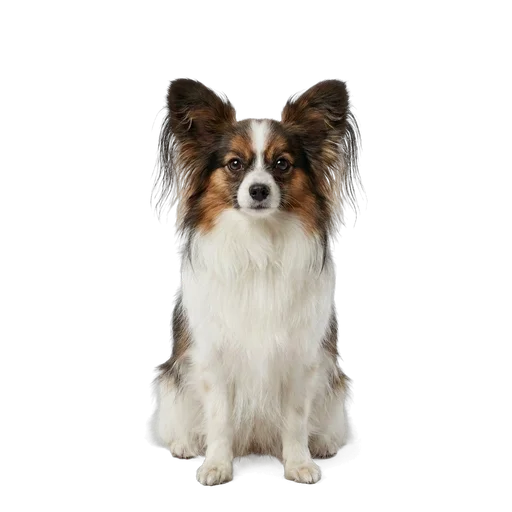
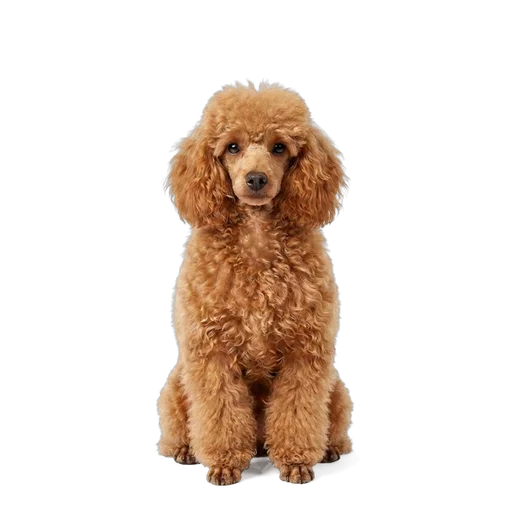
Deciding between similar breeds? Here is the Petit Basset Griffon Vendéen next to Papillon and Miniature Poodle.
| Petit Basset Griffon Vendéen | Papillon | Miniature Poodle | |
|---|---|---|---|
| Size | Small | Small | Small |
| Weight | 11-20 kg | 3-5 kg | 5-9 kg |
| Lifespan | 14-16 yrs | 14-16 yrs | 13-16 yrs |
| Activity | Active | Active | Active |
| Shedding | Medium | Low | Low |
| Good with kids | Yes | Yes | Yes |
| Apartment-friendly | No | Yes | Yes |
Frequently asked questions
What is SRMA in Petit Basset Griffon Vendéens and how serious is it?
Steroid-responsive meningitis-arteritis is an inflammatory condition documented in the breed, usually appearing in dogs between roughly 6 and 18 months old. It causes sudden neck pain, a hunched posture, fever and lethargy, and it needs same-day veterinary attention. The serious-sounding name comes with genuinely good news: most dogs respond well to a properly tapered course of corticosteroids and recover fully, though relapses can occur and treatment takes months.
Are PBGVs good family dogs?
Very good ones for active families. They are cheerful, sturdy, patient with children and sociable with other dogs thanks to their pack-hunting background. The trade-offs are noise, since this is a genuinely vocal hound, a stubborn independent streak that makes training a negotiation, and a nose that demands leashes and secure fencing for life.
Can a Petit Basset Griffon Vendéen be let off the leash?
Only in secure areas, and even then with realistic expectations. The breed was created to follow rabbit scent through heavy cover without checking in, and a PBGV on a fresh trail can go functionally deaf to recall. Train recall thoroughly, use a long line in open country, and treat a fully fenced field or garden as the only true off-leash space.
How much grooming does the shaggy coat need?
A moderate amount. Brush thoroughly once or twice a week, comb the beard and feathering where mats form, and check for burrs and grass seeds after country walks. A few hand-stripping or carding sessions a year maintains the harsh texture. Shedding is medium, and the breed is not hypoallergenic. The ears need weekly checks, since long hairy ears make infections the breed's most common day-to-day nuisance.
How long do PBGVs live?
An impressive 14 to 16 years is typical, which is excellent for a dog of 11 to 20 kg. Keeping one lean protects the long back, hips and knees, and knowing the signs of SRMA in the first two years covers the breed's main medical risk. Many PBGVs stay busy, loud and cheerful well into their teens.
Related breeds
Health and care information is drawn from established veterinary sources and is general guidance, not veterinary advice. See our sources
Keep records for your Petit Basset Griffon Vendéen
Vaccinations, food and treat safety, allergy alerts and parasite reminders - all tracked for your Petit Basset Griffon Vendéen in the Pethls app.