

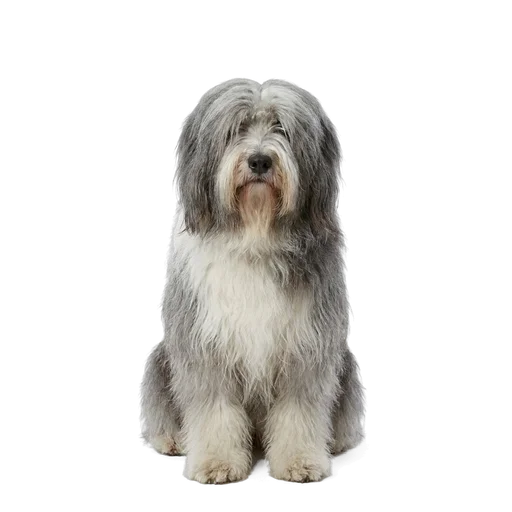
Origin: Poland
Polish Lowland Sheepdog
Get reminders for your Polish Lowland Sheepdog's vaccines
Vaccination and parasite reminders, food-safety scans and health records — free to start in the Pethls app.


Good for
The Polish Lowland Sheepdog, or PON as fanciers call it (from the Polish Polski Owczarek Nizinny), is a shaggy, medium-sized herder that has worked the plains of Poland for centuries. Expect a dog of 14 to 23 kilograms with a dense double coat that hides a surprisingly sturdy, muscular frame. PONs are confident, clever and watchful, famous among trainers for a long memory and an equally long stubborn streak. Give one a job and consistent rules and you get a devoted family guardian that typically lives 12 to 14 years.
Temperament & personality
A PON watches everything. This is a breed developed to manage sheep and alert shepherds to trouble, and that vigilance never switched off. In a home it translates into a dog that tracks your routine, notices when a chair has moved, and announces visitors before they reach the door. With family the PON is affectionate and often clownish; with strangers it tends to be reserved until it decides you belong.
The famous PON memory cuts both ways. These dogs learn commands quickly and hold onto them for years, but they also remember the one time you let them on the sofa or the vet visit that involved a thermometer. Training needs to be fair, consistent and started early, because a PON that spots inconsistency will exploit it cheerfully. Harsh corrections backfire; this breed shuts down or digs in rather than complying.
Herding instinct is strong. Expect some circling and gentle bumping of children at play, and teach kids early that the dog is not a referee. PONs generally live well with other dogs and with cats they were raised alongside, though a pushy housemate can spark the odd squabble. They can manage apartment life if you commit to real daily exercise and mental work, but a bored PON left alone all day will find loud, destructive hobbies.
Vaccination schedule
PON puppies follow the standard core schedule. The DHPP combination vaccine, covering distemper, hepatitis (adenovirus), parainfluenza and parvovirus, is given as a series: the first dose at 6 to 8 weeks, a second at 10 to 12 weeks, and a third at 14 to 16 weeks. That final dose matters most, because maternal antibodies can block earlier shots. Rabies is given once between 12 and 16 weeks depending on local law.
A booster for DHPP and rabies follows at roughly one year of age. After that, most vets move adult PONs to DHPP boosters every three years, with rabies renewed on the schedule your jurisdiction requires, either annually or every three years.
Non-core vaccines depend on lifestyle. A PON that hikes, herds, swims in ponds or boards regularly is a good candidate for leptospirosis, Bordetella (kennel cough) and possibly Lyme vaccination in tick-heavy regions. Talk through your dog's actual exposure with your vet rather than defaulting to everything on the menu, and keep a written record of each dose so booster dates do not slip past you.
Best food & diet
Feed a complete, balanced diet formulated for medium breeds. A puppy should eat a growth formula until around 12 months, because controlled growth matters in a breed with hip dysplasia in its background; overly rapid weight gain in the first year stresses developing joints. Avoid free feeding. Measured meals, two per day for adults, keep you honest about intake.
Most adult PONs do well on roughly 1,100 to 1,600 calories daily depending on size and workload, but the coat makes body condition hard to judge by eye. Put your hands on the dog weekly: you should feel ribs under a light fat layer without pressing hard. Weigh monthly, since a shaggy coat can hide two kilograms of creep before anyone notices.
Because autoimmune hypothyroidism runs in the breed, unexplained weight gain on a stable diet is a lab test, not a diet problem. Mention it to your vet before cutting rations. Omega-3 supplementation (fish oil dosed by weight, with veterinary guidance) supports both the heavy coat and aging joints, and many owners add it from middle age onward.
Common health problems
The PON is a robust farm breed overall, but three inherited conditions deserve attention. Hip dysplasia, a malformation of the hip joint, appears in the breed at meaningful rates. Signs include bunny-hopping gait, reluctance on stairs and stiffness after rest. Reputable breeders screen breeding stock with OFA or FCI hip scoring; ask to see the certificates, not just a verbal assurance. Keeping your PON lean is the single most effective thing you can do to delay symptoms.
Progressive retinal atrophy (PRA) causes gradual degeneration of the retina, starting with night blindness and progressing to full vision loss. There is no treatment, though affected dogs adapt remarkably well in a stable home. A DNA test and annual eye exams by a veterinary ophthalmologist identify carriers and catch early changes, and responsible breeders test before every litter.
Autoimmune hypothyroidism is easy to miss. The immune system attacks the thyroid gland, usually in middle age, producing weight gain, lethargy, cold intolerance, recurring skin infections and a dull, thinning coat. It is easily managed with an inexpensive daily thyroid hormone tablet once diagnosed, so annual bloodwork from age four or five onward is worth the cost. Noting symptoms and their timing between visits helps your vet spot the pattern.
Allergies & skin
You will sometimes see the PON listed as a low-allergen or even hypoallergenic breed because it sheds so little. Be careful with that claim. No dog is truly hypoallergenic; the main allergen, Can f 1, lives in saliva and dander, not in shed hair. A PON's coat traps loose hair and dander instead of dropping it around the house, which some allergy sufferers find easier to live with, but the allergen is still produced. If someone in the household has allergies, spend real time with adult PONs before committing.
The dense double coat is its own skin-care challenge. Mats form close to the skin, trap moisture and debris, and create warm pockets where hot spots and bacterial infections start. A matted PON with a damp undercoat after a rainy walk is a skin problem waiting to happen, so drying and brushing after wet weather is not optional.
Watch for the hypothyroidism link here too. Recurrent skin infections, greasy or flaky patches and symmetrical hair thinning in a middle-aged PON should prompt a thyroid panel before you spend months on shampoos. Genuine environmental or food allergies do occur, showing up as paw licking, ear infections and belly rash; your vet can work through an elimination diet or allergy testing if signs persist beyond a season.
Flea, tick & worm prevention
Year-round parasite prevention is the standard recommendation for PONs, and the coat is the reason to be extra disciplined about it. Finding a flea or an attached tick under ten centimetres of shaggy double coat is genuinely difficult, so by the time you see evidence, an infestation is usually established. Monthly (or per-label) flea and tick preventives, whether oral isoxazoline products or spot-ons, dosed to your dog's current weight, are far easier than fighting an outbreak.
Make a physical check part of grooming. When you do your regular line brushing, run fingers against the skin around the ears, armpits, groin and between toes, the spots ticks favor. Flea dirt (black specks that turn rust-red on a damp tissue) at the skin level is often the first sign you will get through that coat.
Worming follows the usual canine protocol: puppies dewormed every two weeks from 2 to 8 weeks of age, then monthly until six months, then adult dogs either on monthly broad-spectrum prevention or dewormed based on faecal tests two to four times a year. A PON that herds, scavenges on walks or lives with cats has higher exposure. Heartworm prevention is essential in regions where it occurs; ask your vet whether your area qualifies, and give the monthly dose on a fixed date so it never slips.
Medications & dosing
Every medication a PON receives should be dosed by current body weight and directed by a vet. With an adult range of 14 to 23 kilograms, the difference in body weight between a small female and a big male is more than 50 percent, so never borrow a dose from a friend's dog or reuse a prescription from when your dog was younger and lighter. Weigh before dosing, especially for parasite preventives with weight-banded products.
Never give human painkillers. Ibuprofen, naproxen and paracetamol are toxic to dogs at doses people consider harmless, and a stiff PON self-medicated with ibuprofen can end up with a bleeding stomach ulcer on top of sore hips. If your dog seems painful, the vet has dog-safe anti-inflammatories (NSAIDs like carprofen or meloxicam) that are dosed by weight and monitored with periodic bloodwork.
PONs on thyroid supplementation need consistency: levothyroxine is typically given twice daily on a set schedule, with blood levels rechecked four to eight weeks after any dose change. Keeping a simple written history of doses, weights and lab dates and bringing it to appointments shortens consults and catches drifting doses before they become problems.
Grooming & coat care
Be honest with yourself before bringing home a PON: this coat is a part-time job. The long, shaggy double coat does not shed much, but the loose hair it holds onto turns into mats unless you brush it out. Plan on thorough line brushing two to three times a week, working in sections from the skin outward with a pin brush and a long-toothed comb, and a full session takes 30 to 60 minutes on an adult in coat. Miss two weeks and you may be facing a shave-down.
Problem zones are behind the ears, the armpits, the trousers and anywhere a harness rubs. Check these with the comb, not just the brush; a brush glides over the top of a mat that a comb will catch. The fall of hair over the eyes is traditional and most owners leave it, though trimming for visibility is reasonable for a pet. Keep the sanitary area, paw pads and the hair between toes trimmed regularly.
Bathe roughly every six to eight weeks, and always brush out mats before the bath, because water tightens them into felt. Dry thoroughly down to the skin. Many owners book a professional groomer every couple of months and handle maintenance brushing at home, which is a sensible split. Puppies deserve special mention: the coat change between roughly eight and twelve months mats overnight, and daily brushing through that transition saves the coat. Nails every three to four weeks, ear checks weekly, and teeth brushing as close to daily as your patience allows.
How the Polish Lowland Sheepdog compares
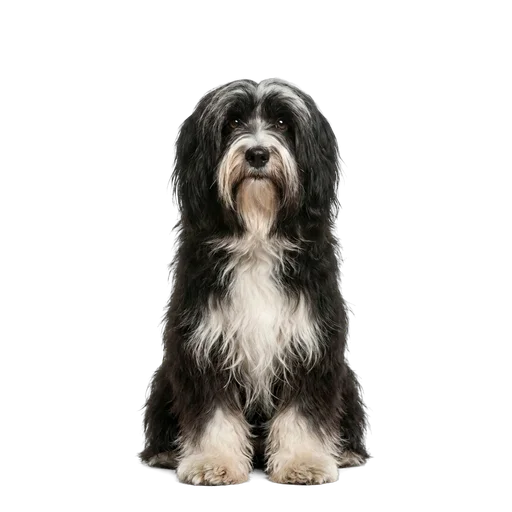
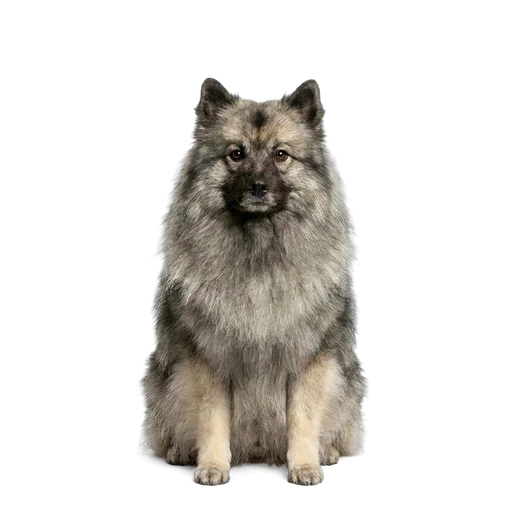
Deciding between similar breeds? Here is the Polish Lowland Sheepdog next to Tibetan Terrier and Keeshond.
| Polish Lowland Sheepdog | Tibetan Terrier | Keeshond | |
|---|---|---|---|
| Size | Medium | Medium | Medium |
| Weight | 14-23 kg | 8-14 kg | 16-20 kg |
| Lifespan | 12-14 yrs | 15-16 yrs | 12-15 yrs |
| Activity | Moderate | Moderate | Moderate |
| Shedding | Low | Low | High |
| Good with kids | Yes | Yes | Yes |
| Apartment-friendly | Yes | Yes | Yes |
Frequently asked questions
Is the Polish Lowland Sheepdog hypoallergenic?
No. The PON sheds very little, and its coat traps dander rather than dropping it around the house, which is why it appears on low-allergen lists. But the actual allergens come from saliva and skin, and PONs produce them like any dog. Allergy sufferers should spend time with adult PONs before committing.
How much grooming does a PON really need?
Plan on line brushing to the skin two to three times a week, 30 to 60 minutes per session, plus a bath every six to eight weeks. The coat mats fast, especially behind the ears and in the armpits, and the puppy coat change around 8 to 12 months often needs daily attention.
Are Polish Lowland Sheepdogs good with children?
Generally yes, with supervision. PONs are devoted to their families and sturdy enough for kid energy, but their herding instinct can lead to circling and bumping during rowdy play. Teach children to respect the dog's space and channel the herding into games instead.
Are PONs easy to train?
They are quick learners with excellent memories, which is not the same as easy. A PON questions instructions, tests inconsistency and remembers every exception you have ever allowed. Short, fair, reward-based sessions started in puppyhood work well; repetitive drilling and harsh corrections do not.
What health tests should a PON breeder show me?
Ask for hip scoring (OFA or FCI) on both parents, a DNA test or ophthalmologist exam for progressive retinal atrophy, and ideally thyroid testing, since autoimmune hypothyroidism runs in the breed. A good breeder shows certificates without being asked twice.
Related breeds
Health and care information is drawn from established veterinary sources and is general guidance, not veterinary advice. See our sources
Keep records for your Polish Lowland Sheepdog
Vaccinations, food and treat safety, allergy alerts and parasite reminders - all tracked for your Polish Lowland Sheepdog in the Pethls app.