

Origin: Germany
Pomeranian
Get reminders for your Pomeranian's vaccines
Vaccination and parasite reminders, food-safety scans and health records — free to start in the Pethls app.


Good for
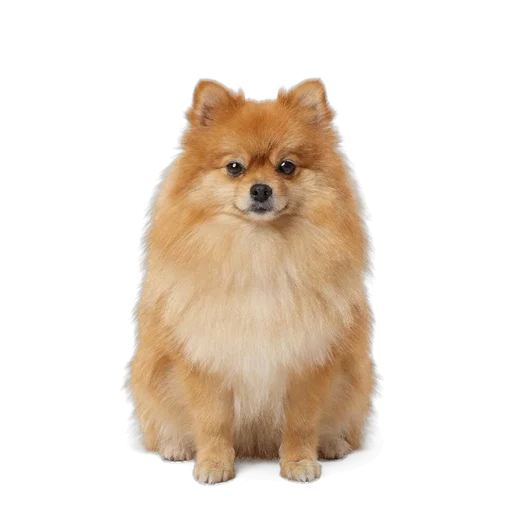
The Pomeranian is a toy-sized spitz, usually 1.5 to 3.5 kg, wrapped in a thick double coat that gives it that round, fox-faced, powder-puff look. It descends from much larger sled and herding spitz dogs from the Pomerania region straddling Germany and Poland, then was bred down over generations into the pocket-sized companion we know today. Lifespan runs about 12 to 16 years. Under all that fur is a lively, surprisingly loud little dog with a big personality. They pack a lot of personality and a lot of coat into a tiny package.
Temperament & personality
Pomeranians are extroverts. They are alert, curious, busy, and bold to the point of comedy, ready to bark down a dog five times their size. That confidence makes them entertaining company and also a bit of a handful, since they will appoint themselves the household alarm system and announce every visitor, delivery, and passing pigeon.
They are bright and take well to training. Poms enjoy learning tricks and thrive on the attention that comes with it, which makes reward-based sessions easy and fun. The catch is that they are also a little stubborn and quick to figure out how to get their way, so consistency from day one keeps the clever streak pointed in the right direction.
Barking is the trait most owners want to manage. It comes naturally to the breed, and without early training it becomes a habit. Teaching a reliable quiet cue and not rewarding demand-barking pays off, especially in an apartment with neighbors.
With children, the same caution applies as for any toy breed. Poms are small and their bones are delicate, so rough play can injure them, and they may snap if handled carelessly. They suit older, considerate kids and calm homes better than chaotic ones. With other pets they generally get on fine, though they will cheerfully boss around dogs far bigger than themselves.
Vaccination schedule
Pomeranian puppies get the standard core series. The DHPP shot, covering distemper, hepatitis (adenovirus), parvovirus, and parainfluenza, begins at 6 to 8 weeks and repeats every 3 to 4 weeks until at least 16 weeks of age. Running the series to that point matters because maternal antibodies can neutralize earlier doses, and you want protection to land once they fade.
Rabies is given once between 12 and 16 weeks depending on local regulations, boosted at one year, then repeated every 1 to 3 years according to the vaccine and your area's law.
Leptospirosis is now a core vaccine recommended for every dog, so plan on it for your Pom regardless of lifestyle; it needs a 2-dose puppy series followed by an annual booster, unlike the DHPP core boosters that repeat every 3 years. Contact with water, wildlife, or rural areas raises the risk and is a good reason to keep that yearly booster current. Non-core vaccines such as Bordetella (kennel cough), Lyme, and canine influenza are worth considering for Poms that regularly visit groomers, boarding kennels, or dog parks. Your vet can tailor the list to your dog's exposure.
As with any very small dog, keep an eye on your Pomeranian for a few hours after vaccination. Serious reactions are rare, but a light dog shows effects sooner, so watch for facial swelling, hives, or vomiting and call the clinic if anything looks off.
Best food & diet
A quality small-breed food suits the Pomeranian well. The smaller kibble is easier for a little mouth to handle, and small-breed formulas carry the calorie density a fast-metabolism toy dog needs from a modest volume of food.
Watch the waistline. All that coat hides the body, so it is easy to let a Pom get overweight without noticing until you actually feel the ribs. Measure meals, keep treats modest, and run your hands over the dog regularly to check condition rather than trusting the fluffy outline. Extra weight is hard on the knees and the trachea.
Pomeranian puppies, like other toy breeds, can crash into hypoglycemia if they go too long between meals. Low blood sugar shows as weakness, trembling, disorientation, or collapse. Feed puppies small portions several times a day and keep food available; do not let a young Pom skip meals.
Beef, chicken, dairy, and dust mites are common triggers for this breed. If you see itchiness, ear trouble, or digestive upset, review the diet with your vet, who may suggest a novel-protein or elimination trial. Keep fresh water available at all times.
Common health problems
Like many toy breeds, a Pom sometimes develops luxating patella, and it helps to catch it early. The kneecap slips out of its groove, showing up as a hop or skip in the hind gait or a briefly lifted back leg. Mild cases are managed without surgery; more severe ones need correction. Keeping the dog lean takes pressure off those small joints.
Like other toy breeds, a Pomeranian can run into a collapsing trachea, which produces a distinctive honking cough. Walk your Pom on a harness rather than a neck collar so leash pressure never lands on the windpipe. Dental disease is a common concern in this breed, since a full set of teeth in a tiny jaw means crowding and plaque, so daily brushing and routine cleanings are worth the effort.
One condition worth being aware of is alopecia X, often called black skin disease. The dog gradually loses coat, usually starting on the trunk and thighs, and the exposed skin can darken. It is largely a cosmetic problem rather than a painful one, but it needs a vet workup to rule out hormonal causes like thyroid or Cushing's disease first.
A puppy can also be born with patent ductus arteriosus, a heart-vessel defect that a vet often first picks up as a murmur during a routine checkup. It is treatable, and correcting it early gives the best outcome.
Allergies & skin
Pomeranians are not hypoallergenic, and with a heavy-shedding double coat they are among the less allergy-friendly toy breeds. The abundant loose hair and dander mean an allergic person is unlikely to do well living with one.
For the dog itself, allergies commonly trace to food proteins such as beef, chicken, and dairy, or to environmental triggers such as dust mites and other common seasonal or household allergens. Because the coat is so dense, skin problems can hide until they are well established, so part the fur and check the skin during grooming for redness, flaking, scabs, or a bad smell that points to infection.
Skin that stays itchy or inflamed deserves a proper vet assessment rather than trial-and-error, particularly in this breed where coat changes can also signal alopecia X or a hormonal issue rather than a simple allergy. An elimination diet or allergy testing pins down the cause.
Keep the coat clean and dry, since moisture trapped against the skin under a thick undercoat invites hot spots. Wiping the dog down after walks and washing bedding regularly helps with pollen and dust-mite load.
Flea, tick & worm prevention
The dense double coat is a gift to fleas and ticks, giving them plenty of cover, so a Pomeranian needs consistent parasite prevention and a careful eye. As a toy breed, product choice comes down to weight bands: a Pom often sits at the low end, so buy the version formulated for the smallest weight class and weigh the dog first rather than guessing.
For fleas and ticks, a monthly spot-on, an oral chewable, or a long-acting collar all work, provided the dose matches the dog's actual weight. Finding a tick in that coat is genuinely hard, so after outdoor time run your fingers down to the skin and check around the ears, neck, armpits, and toes. A flea comb helps flush out both parasites and the loose undercoat.
Worming covers roundworms, hookworms, and tapeworms, plus heartworm where it is a risk. Puppies follow an early deworming schedule; adults are treated on the routine your vet sets. In heartworm areas the monthly preventive is dosed by weight, so accuracy counts.
Do not stack products or mix a flea treatment with a wormer without checking coverage overlap. On a dog this size, doubling up is a real overdose hazard, so let your vet build one schedule that fits together.
Medications & dosing
Exact body weight drives every dose. A Pomeranian might weigh under 2 kg, and because nearly all medications are calculated per kilogram, a small miscalculation carries far more risk than it would in a big dog. Weigh your Pom on an accurate scale before dosing and re-check the weight before any change.
Do not reach for human medicines. Ibuprofen, paracetamol (acetaminophen), and many other over-the-counter drugs are toxic to dogs, and the safety margin in a tiny Pom is razor thin. Give only what your vet has prescribed for this dog at this weight, in the exact amount specified.
Doses this small sometimes need a compounded liquid or a divided tablet to be accurate. Use the syringe or dropper you are given, measure precisely, and never estimate. If you are not sure whether a dose went in, call your vet rather than risk giving it twice.
Store all human pills where the dog cannot reach them. A single dropped tablet that a large dog would tolerate can be an emergency for a Pomeranian, so treat medication safety as seriously as any other part of care.
Grooming & coat care
The Pomeranian is a high-maintenance coat, no way around it. That fluffy double coat needs brushing several times a week, right down to the skin, to work through the dense undercoat and prevent the mats that form near the skin where you cannot see them. Skip it for a week or two and you end up with painful knots that may have to be cut out.
Shedding is heavy. Poms shed steadily and then blow their undercoat seasonally, usually spring and autumn, when the loose fur comes out in impressive quantities. During those weeks daily brushing keeps ahead of it. A slicker brush plus a comb for the finer areas is the standard toolkit, and a metal comb helps you find mats early.
Never shave a Pomeranian down to the skin. The double coat regulates temperature in both heat and cold and protects the skin from sun. Shaving it can damage the regrowth so the coat comes back patchy, uneven, or not at all, a problem sometimes called post-clipping alopecia. Tidy trims around the feet, ears, and rear are fine; taking the whole coat off is not.
Round out grooming with the basics: bathe every few weeks or when dirty using a gentle dog shampoo, then dry the coat fully to avoid trapping moisture underneath. Trim nails every few weeks, check and clean the ears, and brush the teeth daily, which for this dental-prone breed is one of the most valuable habits you can keep.
How the Pomeranian compares
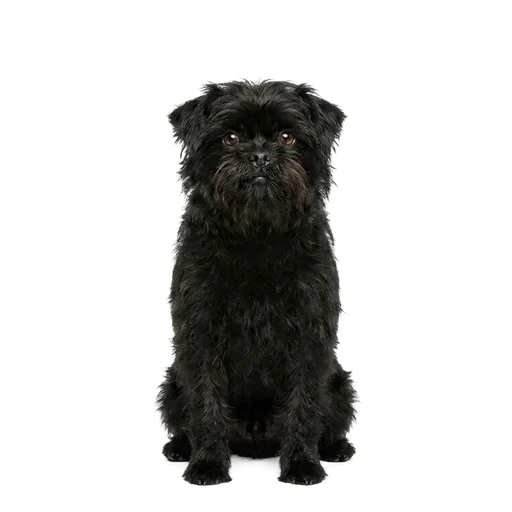
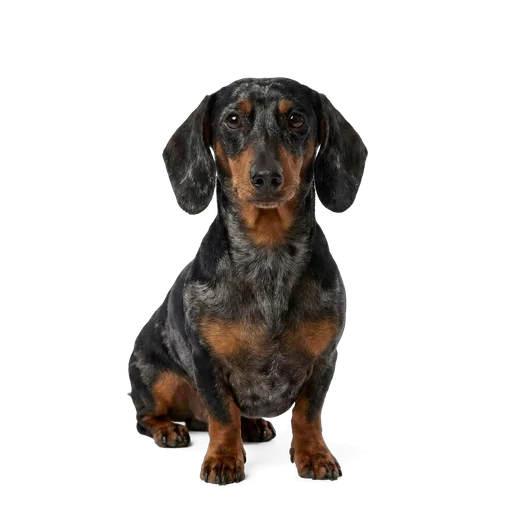
Deciding between similar breeds? Here is the Pomeranian next to Affenpinscher and Dachshund.
| Pomeranian | Affenpinscher | Dachshund | |
|---|---|---|---|
| Size | Small | Small | Small |
| Weight | 1.5-3.5 kg | 3-6 kg | 7-15 kg |
| Lifespan | 12-16 yrs | 12-15 yrs | 12-16 yrs |
| Activity | Moderate | Moderate | Moderate |
| Shedding | High | Low | Medium |
| Good with kids | No | No | Yes |
| Apartment-friendly | Yes | Yes | Yes |
Frequently asked questions
Can I shave my Pomeranian in summer to keep it cool?
No, and this is one of the most important things to know about the breed. The double coat actually insulates against heat as well as cold and shields the skin from sun. Shaving it can lead to patchy, uneven regrowth or a coat that never fully returns, a condition known as post-clipping alopecia. Manage summer with regular brushing, shade, and water instead, and keep clipping to light tidy-ups only.
How much grooming does a Pomeranian really need?
A lot. Plan on brushing several times a week down to the skin to prevent mats in the dense undercoat, with daily brushing during the seasonal coat blows in spring and autumn. Add regular baths, nail trims, ear checks, and daily tooth brushing. If you cannot commit to that schedule, budget for a professional groomer on a regular cycle.
Why is my Pomeranian losing its coat?
Some coat loss is normal seasonal shedding, but patchy or symmetrical thinning on the trunk and thighs can point to alopecia X, sometimes called black skin disease, where the exposed skin also darkens. Because coat loss can also signal hormonal problems like thyroid disease or Cushing's, do not assume it is cosmetic. Get a vet to examine the dog and run bloodwork to find the cause.
Are Pomeranians good apartment dogs?
Yes, their size and modest exercise needs suit apartment life well. The one thing to manage is barking, which comes naturally to the breed and can annoy neighbors if left unchecked. Teach a quiet cue early, give the dog daily mental and physical stimulation, and an apartment Pom does great.
How much exercise does a Pomeranian need?
Moderate amounts. A couple of short daily walks plus indoor play and some training games keep a Pom fit and mentally engaged. They are energetic and enjoy activity, but their small size means they tire before a big dog would. Avoid overheating in warm weather given the heavy coat, and do not let them fling themselves off furniture, since the impact is hard on those small knees.
Related breeds
Health and care information is drawn from established veterinary sources and is general guidance, not veterinary advice. See our sources
Keep records for your Pomeranian
Vaccinations, food and treat safety, allergy alerts and parasite reminders - all tracked for your Pomeranian in the Pethls app.