

Origin: Japan
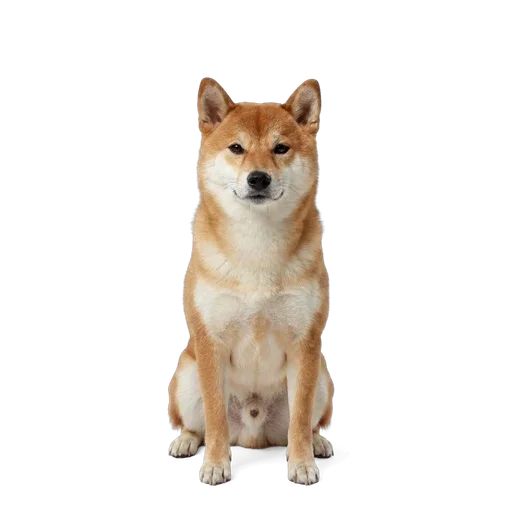
Shiba Inu
Get reminders for your Shiba Inu's vaccines
Vaccination and parasite reminders, food-safety scans and health records — free to start in the Pethls app.


Good for
The Shiba Inu is a compact, fox-faced dog from Japan, originally bred to flush birds and small game out of dense mountain brush. Owners describe them as cat-like: fastidiously clean, independent, and perfectly content to sit across the room rather than in your lap. That self-reliance is part of the charm, but it also means a Shiba does what a Shiba wants, and training takes patience and a sense of humor. They are loyal to their people and wary of strangers, and they carry a strong prey drive that never really switches off. Expect a bright, opinionated dog who bonds hard but rarely grovels for attention.
Temperament & personality
Shibas are confident and stubborn, with a strong independent streak that catches many new owners off guard. They are not eager-to-please retrievers; they weigh whether your request is worth their time. This makes them intelligent and easy to underestimate. A bored or under-exercised Shiba will find its own entertainment, usually at the expense of your baseboards or garden.
The breed is famous for the "Shiba scream," a high, drawn-out shriek they let loose when annoyed, restrained, or occasionally just excited. It sounds alarming and is completely normal. Most Shibas are otherwise quiet dogs, reserved with strangers and slow to warm up.
Prey drive is the trait to respect most. A Shiba will chase a squirrel, cat, or rabbit without a backward glance, which is why they should never be off-leash in an unfenced area. They can live happily with people and older kids who respect their space, but they are often prickly with unfamiliar dogs and small pets. Early, consistent socialization softens the edges but rarely erases the instinct.
Vaccination schedule
Shiba puppies follow the standard canine core protocol. The DHPP combination vaccine (distemper, hepatitis/adenovirus, parvovirus, and parainfluenza) starts at 6 to 8 weeks, then repeats every 3 to 4 weeks until the puppy is at least 16 weeks old. Parvovirus in particular is a real risk during this window, so keep a young puppy away from unvaccinated dogs and communal ground until the series is finished.
Rabies is given once at 12 to 16 weeks depending on local law, boosted a year later, then every 1 to 3 years according to the vaccine used and regional rules. A first booster of DHPP is due at roughly 12 months, after which most healthy adults move to a triennial schedule.
Non-core vaccines depend on lifestyle. A Shiba that hikes, boards, or visits grooming salons may benefit from leptospirosis, Bordetella, or canine influenza cover, so match the extras to how your dog actually lives.
Best food & diet
Shibas do well on a complete diet built around a named animal protein, portioned to keep them lean. This is an athletic, tightly built breed, and a fit adult around 8 to 11 kg should have a visible waist and easily felt ribs. Extra weight loads the hips and knees, so keeping your dog lean helps protect them.
Food sensitivities are common in the breed, and beef, chicken, soy, and wheat are frequent culprits. If your Shiba develops itchy skin, recurrent ear trouble, or loose stools, a vet-guided elimination diet using a novel or hydrolyzed protein is the reliable way to pin down the trigger. Over-the-counter "sensitive" formulas rarely isolate the culprit and usually cost you months of trial and error.
Feed measured meals twice a day rather than leaving food out. Many Shibas are naturally food-motivated once you find their currency, which is useful for training. Adjust portions for age, neutering, and activity, and treat dental chews and training rewards as part of the daily calorie budget, not extras.
Common health problems
Shibas are generally hardy and long-lived, often reaching 13 to 16 years, but the breed has a handful of predictable issues. Hip dysplasia and patellar luxation are worth catching early, and you may notice a skipping hind-leg gait, stiffness after rest, or reluctance to jump. Keeping the dog lean and reputable-breeder screening of the parents both reduce the odds.
Eye conditions deserve close attention. The breed's recognized hereditary concerns are progressive retinal atrophy (PRA), glaucoma, and entropion. PRA gradually degrades the retina and can lead to blindness, so night-vision trouble or bumping into things in low light is worth a vet check. Entropion, where the eyelid rolls inward so the lashes rub the surface of the eye, causes irritation and tearing and sometimes travels with distichiasis. Glaucoma raises pressure inside the eye and can cause rapid pain and vision loss. Cataracts also occur in the breed. A red, cloudy, or suddenly painful eye is an emergency, not a wait-and-see problem.
Hypothyroidism can develop in middle-aged dogs, showing as weight gain, lethargy, and coat changes despite normal feeding. It is diagnosed with a blood test and managed cheaply with a daily thyroid tablet. Allergic skin disease is the other big one, covered in the next section.
Allergies & skin
Atopic dermatitis, a tendency toward allergic skin inflammation, is one of the more common health complaints in the breed. Triggers include environmental allergens like dust mites and grass pollen, plus food ingredients such as beef, chicken, soy, and wheat. The itch usually shows on the paws, belly, groin, ears, and face.
Watch for constant licking or chewing at the feet, head-shaking, recurring ear infections, and patches of thin or reddened skin. Because that thick double coat hides a lot, run your hands over the skin regularly rather than relying on a glance. Secondary bacterial and yeast infections often pile on top of the original allergy and need their own treatment.
Management is usually lifelong rather than a one-time cure. Depending on the case, a vet may combine a food trial, medicated shampoos, omega-3 supplements, and modern anti-itch medication. Bathing to rinse pollen off the coat after outdoor time helps some dogs, especially through allergy season.
Flea, tick & worm prevention
Fleas are more than an itch for an allergy-prone breed; a single flea bite can set off days of scratching in a sensitive Shiba. Keep every dog in the household on a year-round flea preventive, since indoor heating lets fleas persist through winter. Ticks matter too, especially for Shibas that hike or roam long grass, because they carry Lyme and other tick-borne disease.
Products come as monthly spot-ons or oral chews, and several combination options cover fleas, ticks, and certain worms in one dose. Match the product to your dog's exact weight band and your region's parasite pressure, and ask your vet whether heartworm cover is needed where you live.
For intestinal worms, puppies are wormed every 2 weeks until 12 weeks old, then monthly to 6 months. Adults are typically treated every 3 months, or more often if they hunt, scavenge, or live with young children. A Shiba's prey drive means it may catch and eat wildlife, which raises worm exposure.
Medications & dosing
Almost every canine medication, from wormers and preventives to antibiotics and pain relief, is dosed by body weight, so an accurate current weight matters. At 8 to 11 kg a Shiba sits toward the lower end of most dosing charts, and rounding up carelessly can push a small dog into a higher-than-needed dose.
Never give human painkillers. Ibuprofen, paracetamol, and aspirin can cause stomach ulcers, kidney damage, or worse in dogs. If your Shiba is sore after activity or recovering from a joint problem, use a vet-prescribed canine anti-inflammatory at the dose written for that dog, and follow the recheck schedule.
Finish full antibiotic courses even after symptoms clear, and give thyroid medication at a consistent time each day if your dog is diagnosed with hypothyroidism. Because Shibas hide discomfort well and dislike being handled, count out doses carefully and watch for any vomiting, appetite loss, or lethargy that could signal a reaction.
Grooming & coat care
The Shiba wears a thick double coat: a stiff, straight outer layer over a soft, dense undercoat. Day to day it is a low-maintenance dog. The coat is naturally dirt-shedding, Shibas groom themselves like cats, and a weekly brush plus the occasional bath keeps things tidy for most of the year.
Then there is the coat blow. Twice a year the undercoat sheds out in dramatic clumps over a few weeks, and the amount of fur is genuinely startling for a medium-sized dog. During these periods brush daily with an undercoat rake or deshedding tool to clear the loose fur and prevent matting near the ears and hindquarters. Never shave a double coat; it disrupts insulation and can grow back patchy.
Round out the routine with regular nail trims, since many Shibas dislike having their feet handled and need early practice, plus weekly ear checks given the breed's allergy tendency. Introduce brushing, nails, and handling gently from puppyhood, because a resistant adult Shiba is a strong-willed opponent.
How the Shiba Inu compares
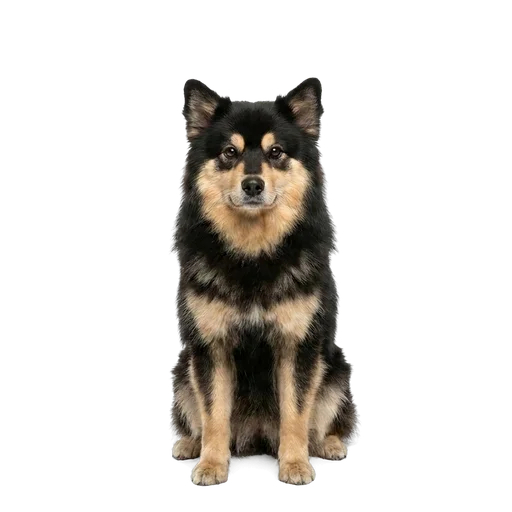
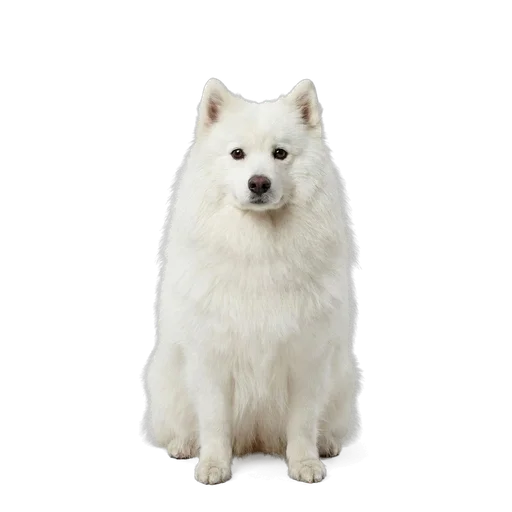
Deciding between similar breeds? Here is the Shiba Inu next to Finnish Lapphund and Japanese Spitz.
| Shiba Inu | Finnish Lapphund | Japanese Spitz | |
|---|---|---|---|
| Size | Medium | Medium | Small |
| Weight | 8-11 kg | 15-24 kg | 5-10 kg |
| Lifespan | 13-16 yrs | 12-15 yrs | 10-16 yrs |
| Activity | Moderate | Moderate | Moderate |
| Shedding | High | High | High |
| Good with kids | Yes | Yes | Yes |
| Apartment-friendly | Yes | Yes | Yes |
Frequently asked questions
Are Shiba Inus good for first-time dog owners?
Usually not the easiest choice. Their independence, stubbornness, and strong prey drive test the patience of new owners, and they don't hand you the quick obedience wins that build a beginner's confidence. A first-timer who researches the breed, commits to consistent training, and enjoys a challenge can absolutely succeed, but a Shiba rarely trains itself.
Can a Shiba Inu be let off the leash?
Off-leash freedom in open, unfenced areas is a real risk with this breed. Their prey drive is intense and their recall is unreliable once something worth chasing appears, so a Shiba that bolts may not come back. Keep them leashed in public and rely on a securely fenced yard for off-leash play.
Why does my Shiba scream like that?
The "Shiba scream" is a loud, high-pitched vocal protest the breed makes when frustrated, restrained, or handled in a way it dislikes, such as nail trims or baths. It sounds far more dramatic than the situation warrants and is normal Shiba behavior. Calm, gradual handling from puppyhood reduces how often you hear it.
How much do Shiba Inus shed?
A lot, especially twice a year. Most of the year a weekly brush handles the modest shedding, but during the seasonal coat blow the dense undercoat comes out in clumps for several weeks and daily brushing is needed. They are not hypoallergenic, so they suit people who don't mind fur around the house.
Do Shiba Inus get along with other pets?
It varies, and the odds aren't in your favor with small animals. Their hunting instinct makes cats, rabbits, and rodents tempting targets, and many Shibas are also touchy with unfamiliar dogs. Raising them alongside other pets from puppyhood and socializing early helps, but supervise interactions and don't assume a Shiba will tolerate a new small pet.
Related breeds
Health and care information is drawn from established veterinary sources and is general guidance, not veterinary advice. See our sources
Keep records for your Shiba Inu
Vaccinations, food and treat safety, allergy alerts and parasite reminders - all tracked for your Shiba Inu in the Pethls app.