

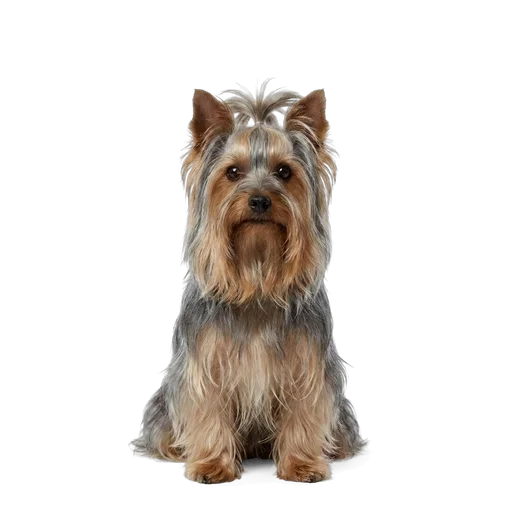
Origin: Australia
Silky Terrier
Get reminders for your Silky Terrier's vaccines
Vaccination and parasite reminders, food-safety scans and health records — free to start in the Pethls app.


Good for
The Silky Terrier is Australia's refined toy terrier, developed in Sydney around the turn of the twentieth century from Yorkshire Terrier and Australian Terrier crosses. At 4 to 5 kg he is bigger-boned and slightly longer than a Yorkie, with the same flowing, silky single coat parted down the back. Do not let the glamour fool you: this is a keen, bold little dog that still believes it has a job killing rodents. Silkies are friendly, lively and quick, and they typically live 13 to 15 years. The coat sheds very little but demands regular work.
Temperament & personality
The breed standard asks for a dog that displays terrier character, and the Silky delivers. He is alert, inquisitive and busy, patrolling the house, announcing visitors and investigating every rustle in the garden. Unlike some toy breeds developed purely for the lap, the Silky was expected to earn his keep on rats and snakes in early Australian households, and that working edge never left. He enjoys a cuddle, but on his schedule.
With his own family a Silky is affectionate, playful and often comically self-important. He bonds closely and likes to be involved in everything, following you room to room. Left alone and under-stimulated he will find his own entertainment, which usually means barking or shredding something, so this is a companion breed in the literal sense: he wants company.
Silkies do best in homes with adults or sensible older children. At 4 to 5 kg they are hard-wearing for a toy dog but still easy for a small child to hurt, and most Silkies will not suffer clumsy handling in silence. Around other dogs they are confident to the point of tactlessness, happily squaring up to animals ten times their size. They are usually fine with cats they know, but hamsters, rabbits and birds are not safe, because the ratting instinct is fully intact.
Vaccination schedule
Silky puppies need the standard core series: DHPP (distemper, hepatitis, parvovirus, parainfluenza) starting at six to eight weeks of age, repeated every three to four weeks until at least sixteen weeks. Do not cut the series short because the puppy seems healthy; the last dose is the one most likely to take, once maternal antibodies have faded. Rabies is given from twelve weeks where the law requires it, then boosted on the schedule your local regulations set.
After the twelve month booster, adults typically move to three-yearly DHPP with annual leptospirosis, and kennel cough vaccine if the dog boards, is groomed regularly or mixes with lots of dogs. Given how often Silkies visit grooming salons, kennel cough cover is worth going over with your vet.
A practical note for toy breeds: some individuals are more prone to being quiet or off-color for a day after vaccination, and reputable vets sometimes split injections for very small puppies. Mention any previous reaction before each visit, and record it in a health log alongside the vaccine dates so the history travels with the dog.
Best food & diet
A 4 to 5 kg Silky needs only around 250 to 350 kcal a day, so every mouthful counts. Feed a complete small-breed or toy-breed food with small kibble and a named animal protein first on the label. Split the ration into two meals for adults. Puppies should eat three to four times daily, partly because toy-breed puppies can occasionally develop low blood sugar (hypoglycaemia) if they go too long without food; a wobbly, glassy-eyed Silky puppy needs sugar on the gums and a vet call immediately. Treat any calorie figure as a starting point rather than a fixed rule, and let your dog's body condition and your vet fine-tune the amount.
Dental disease is arguably the breed's biggest everyday health issue, and diet plays a part. Crowded teeth in a small jaw accumulate plaque quickly, so a dry food, daily tooth brushing and vet-approved dental chews sized for a toy dog all help. Budget for professional dental cleaning during the dog's lifetime regardless.
Watch the waist. Silkies are efficient little dogs, and a few extra grams matter when the whole dog weighs less than a cat. Excess weight worsens two of the breed's known problems, patellar luxation and tracheal collapse, and raises diabetes risk. Keep treats tiny, count them into the daily total, and weigh the dog every month or two rather than trusting your eye.
Common health problems
Patellar luxation, a kneecap that slips out of its groove, is the classic Silky orthopaedic problem. The tell-tale sign is a skipping gait: the dog hops for a stride or two with a back leg held up, then trots on as if nothing happened. Mild cases just need weight control and muscle-building exercise, while severe grades benefit from surgery. Legg-Calve-Perthes disease also occurs in the breed, causing progressive hindlimb lameness in puppies under a year as the hip bone loses its blood supply; surgery gives very good results in dogs this size.
Tracheal collapse is the condition every Silky owner should understand. The cartilage rings supporting the windpipe soften and flatten, producing a dry, honking, goose-like cough, often triggered by excitement, pulling on the lead or hot weather. It is usually managed rather than cured: keep the dog lean, walk him on a harness instead of a collar for life, and see your vet if coughing becomes frequent, because medication helps and severe cases have surgical options.
Silkies are also predisposed to diabetes mellitus, typically in middle age or later. Drinking more, weeing more, eating well yet losing weight is the pattern to recognize, and it warrants a blood test promptly. Diabetes in dogs is manageable with twice-daily insulin and consistent feeding, and small dogs generally do well once stabilised. Add dental disease to the list and you have the breed's main watch-points; none of them stop most Silkies reaching 13 to 15 years in good shape.
Allergies & skin
The Silky wears a single coat with no undercoat, and it grows continuously rather than cycling through heavy sheds. Hair loss around the house is minimal, close to what you would experience with a Yorkshire Terrier, and the breed is widely considered one of the better choices for allergy-prone households. The single, low-shedding coat spreads less dander than most breeds, but no dog is truly hypoallergenic, since allergens also come from saliva. If anyone in the home reacts badly, spend time with the individual dog before committing.
The dog's own skin deserves attention too. That fine, silky hair offers little protection against fleas, and flea allergy dermatitis shows up dramatically on a dog this size, with scabbing and hair loss over the rump and tail base. Year-round flea control is the fix. Atopic dermatitis, an allergy to pollens and dust mites, is one to keep an eye on in any dog, usually appearing as paw licking, face rubbing and recurrent ear trouble.
Grooming habits affect skin health directly. A long coat that mats pulls at the skin and traps moisture underneath, setting up hot spots and infections, so a well-brushed or sensibly clipped coat is a skin-care measure, not just a cosmetic one. Use a gentle dog shampoo, rinse thoroughly, and get any persistent itch, odor or ear irritation checked rather than repeatedly bathing it.
Flea, tick & worm prevention
At 4 to 5 kg, a Silky sits in the smallest weight band for most parasite products, and precision matters. Always use the toy or small-dog version of a spot-on or chewable, dosed for the dog's weighed, current weight, never a portion of a larger dog's product. Splitting pipettes between dogs is a common cause of both underdosing and toxicity. Permethrin-based products sold for dogs must also never touch any cats in the house.
Fleas find the Silky's fine single coat easy territory, and a small dog can carry a proportionally heavy burden quickly, so year-round monthly prevention is the standard advice. Ticks are a real consideration for Australian Silkies, where the eastern paralysis tick (Ixodes holocyclus) can kill a toy dog; daily tick searches in season and a product with proven tick kill are essential in affected regions. Elsewhere, routine tick cover still protects against Lyme and other tick-borne disease.
Worming follows the usual small-dog pattern: every two weeks until twelve weeks old, monthly until six months, then typically every three months for life with a broad wormer covering roundworms and tapeworms. Dogs that hunt rodents, as many Silkies given the chance will, have a higher tapeworm risk. Log every product, dose and date in a health log so treatments never silently lapse.
Medications & dosing
A Silky Terrier weighs about as much as a large housecat, and drug dosing must respect that. Veterinary doses are calculated per kilogram, and at 4 to 5 kg the difference between a correct dose and an overdose can be a fraction of a tablet. Never guess, never reuse a prescription from a bigger dog, and have your vet or pharmacist confirm any dose you are unsure of. Ask for a current weight at every vet visit and keep it updated in a health log.
Human medicines are the biggest danger in this weight class. One ibuprofen tablet can cause stomach ulcers and kidney injury in a dog this small, a single paracetamol can be enough for serious liver toxicity, and a dropped xylitol chewing gum or human sweetener can trigger fatal hypoglycaemia. Store medicines out of reach and ring a vet or poison line immediately after any suspected ingestion; with toy dogs, waiting to see is the wrong call.
Two breed-specific points. First, dogs with tracheal collapse often need cough suppressants at some stage, and these are prescription-only for good reason at this size. Second, a diabetic Silky on insulin needs exact, consistent dosing and meal timing; even small errors matter, so use one dedicated person or a logged schedule for injections.
Grooming & coat care
That glorious blue and tan coat is the breed's signature and its main workload. It is a single coat of fine, human-like hair that hangs straight and glossy but should stop short of the ground rather than sweeping the floor like a show Yorkie's, parted from head to tail. With no undercoat there is very little shedding, but the hair tangles readily, especially behind the ears, in the armpits and where the harness sits. Plan on brushing and combing at least three times a week, and daily if the coat is kept long, using a pin brush and a metal comb right down to the skin.
A bath every two to four weeks with a mild dog shampoo and conditioner keeps the silk from becoming brittle, and thorough drying prevents damp-skin problems. Many pet owners sensibly opt for a shorter all-over clip, often called a puppy cut, every six to eight weeks. It sacrifices the long flowing coat but cuts brushing time dramatically and suits an active dog that enjoys the bush and the beach as much as any terrier.
Round out the routine with the small-dog essentials: nails every three to four weeks, hair between the paw pads trimmed, ears checked weekly, and above all daily tooth brushing, because dental disease is this breed's most common preventable problem. Start every part of this in puppyhood with treats and short sessions; an adult Silky who trusts the process makes grooming a pleasure rather than a wrestling match.
How the Silky Terrier compares
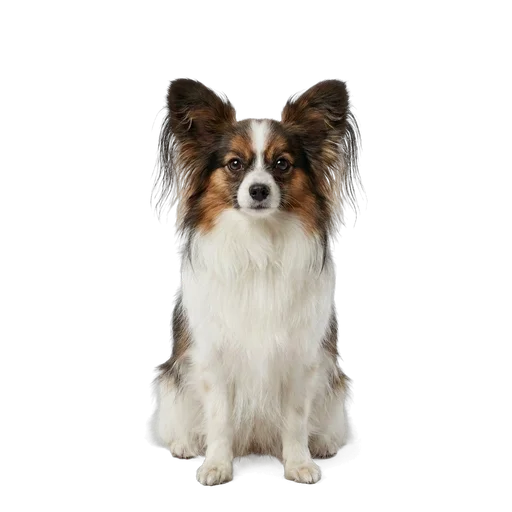
Deciding between similar breeds? Here is the Silky Terrier next to Papillon and Lakeland Terrier.
| Silky Terrier | Papillon | Lakeland Terrier | |
|---|---|---|---|
| Size | Small | Small | Small |
| Weight | 4-5 kg | 3-5 kg | 7-8 kg |
| Lifespan | 13-15 yrs | 14-16 yrs | 12-15 yrs |
| Activity | Active | Active | Active |
| Shedding | Low | Low | Low |
| Good with kids | No | Yes | Yes |
| Apartment-friendly | Yes | Yes | Yes |
Frequently asked questions
Is the Silky Terrier hypoallergenic?
Lower-shedding than most, but not truly hypoallergenic. The single, continuously growing coat sheds very little and spreads less dander than most breeds, so allergy sufferers often do well with Silkies. No dog is completely allergen-free, though, because allergens also come from saliva, so spend time with the breed first if allergies in the household are severe.
What is the difference between a Silky Terrier and a Yorkshire Terrier?
The Silky is the larger, more strongly built dog, typically 4 to 5 kg with a slightly longer body and a wedge-shaped head, developed in Australia partly from Yorkshire Terrier lines. The coat is similar in texture but usually kept shorter than a show Yorkie's floor-length coat. Temperament is also a touch more terrier: Silkies were expected to kill rats and snakes, not just decorate a parlour.
Why does my Silky Terrier make a honking cough?
A dry, goose-honk cough, especially on excitement or lead pulling, is the classic sign of tracheal collapse, a weakening of the windpipe cartilage that toy breeds are prone to. See your vet for diagnosis. Day to day, walk your Silky on a harness rather than a collar and keep them lean, since both measures reduce coughing episodes.
Are Silky Terriers good apartment dogs?
Yes, with two conditions. They need a proper daily walk plus play, because they are genuine terriers rather than couch ornaments, and their watchdog barking needs managing from puppyhood if you share walls with neighbors. Meet those two needs and a Silky thrives in a flat.
How long do Silky Terriers live?
Typically 13 to 15 years, and reaching the upper end is common with good care. The biggest contributions an owner can make are keeping the dog lean, brushing teeth daily, using a harness, and staying on top of parasite prevention and vet checks so problems like diabetes or knee trouble are caught early.
Related breeds


Health and care information is drawn from established veterinary sources and is general guidance, not veterinary advice. See our sources
Keep records for your Silky Terrier
Vaccinations, food and treat safety, allergy alerts and parasite reminders - all tracked for your Silky Terrier in the Pethls app.