

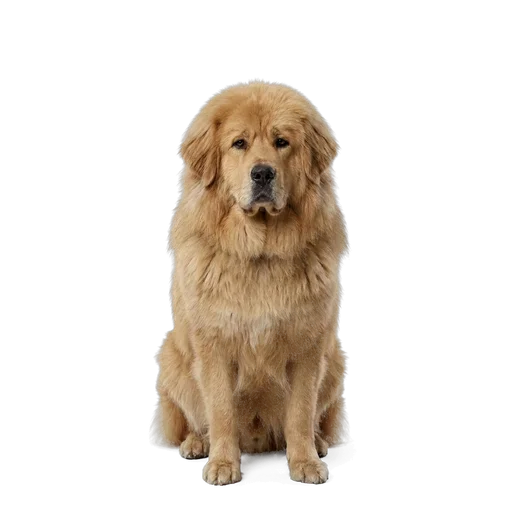
Origin: Tibet
Tibetan Mastiff
Get reminders for your Tibetan Mastiff's vaccines
Vaccination and parasite reminders, food-safety scans and health records — free to start in the Pethls app.


Good for
The Tibetan Mastiff is one of the oldest working guardian breeds on earth, bred over centuries to watch flocks and villages on the Himalayan plateau with almost no human direction. That history shows in everything about the dog: it is independent, aloof, territorial and famously stubborn, and it makes its own decisions about who and what belongs. To its family it is deeply loyal and affectionate, but with strangers it stays reserved, and it is a serious nighttime barker doing the job it was built for. This breed needs secure fencing, patient training and an owner who genuinely understands independent guardians. Handled well it lives a good long life for a giant, often 10 to 12 years, but it is emphatically not a dog for beginners.
Temperament & personality
The Tibetan Mastiff bonds closely with its own family and is calm and affectionate at home, often gentle with the children it lives with. What sets it apart from many giant breeds is its independence; this is a dog that was left alone for days to guard livestock and think for itself, and it still does. It will show affection on its own terms and is content to keep its own counsel.
Guarding is instinctive and switched on. Tibetan Mastiffs are territorial and naturally wary of strangers, and they take the job of watching their property seriously, which includes barking at night when they patrol and monitor. That nocturnal barking is a real consideration for many households and neighbors, and it is a breed trait, not a training failure. They need a securely fenced yard, because a bored or under-contained Tibetan Mastiff will guard the whole neighborhood or find a way out.
They are intelligent but strongly willed, and repetitive obedience drills bore them fast. Training relies on patience, respect and consistency from an owner the dog trusts, and it should start early, in puppyhood, because a Tibetan Mastiff grows into a powerful giant fast and good manners are far easier to set before it does. Many are aloof or aggressive toward strange dogs and best kept as the only dog or with animals they were raised with. The independence and stubbornness are exactly why this breed suits experienced owners and frustrates novices.
Vaccination schedule
Tibetan Mastiff puppies get the standard core vaccine series. DHPP, which protects against distemper, hepatitis (adenovirus), parvovirus and parainfluenza, begins around 6 to 8 weeks and repeats every 2 to 4 weeks until roughly 16 weeks of age. Completing the whole series is what counts, because maternal antibodies can block an earlier dose from working.
Rabies is given separately at about 12 to 16 weeks, boosted at one year, and then every 1 to 3 years depending on the vaccine and local law. Keep the certificates safe; travel, boarding and licensing all require proof of a current rabies vaccine.
Leptospirosis is now a core vaccine recommended for every dog, given as a 2-dose puppy series and then boosted every year, unlike the DHPP core boosters that follow at every 1 to 3 years. Water, rural and wildlife exposure raise a dog's risk and make the annual booster especially important. The non-core vaccines, Bordetella (kennel cough), Lyme and canine influenza, depend on where the dog lives and what it is exposed to. Many Tibetan Mastiffs lead fairly homebound guardian lives, so a mostly stay-at-home dog may not need the same non-core cover for kennel cough, Lyme or canine influenza as one that boards or travels. Confirm the full plan, core and non-core, with your vet.
Best food & diet
Feed a large or giant-breed puppy formula for the first 18 to 24 months. Even though Tibetan Mastiffs are slower to mature than most breeds, the principle holds: giant-breed growth food controls calcium, phosphorus and calorie density so the puppy grows steadily rather than in fast spurts. Slow, controlled growth protects the joints and lowers the risk of the hip and elbow problems the breed can carry.
This breed has a naturally moderate, sometimes downright picky appetite and often eats less than its size suggests, sometimes skipping a meal or eating noticeably less in warm weather. That is usually normal for the breed, but keep an eye on body condition so a picky eater doesn't quietly put on weight on the days it does clear the bowl. Feed measured meals to a lean, healthy body score rather than free-feeding.
Like many deep-chested giant breeds, the Tibetan Mastiff can carry some bloat risk, so sensible feeding habits apply. Split food into two meals, avoid hard exercise right around mealtimes, and don't let the dog gulp a lot of water immediately after eating. A swollen abdomen with unproductive retching is a bloat emergency, so know the signs before you ever need them.
Common health problems
The Tibetan Mastiff is a fairly hardy giant, with a good lifespan for its size, but it has its own set of inherited problems. Hip and elbow dysplasia occur, so reputable breeders screen and score their dogs' joints; watch for stiffness, a bunny-hopping gait or reluctance to rise, and get an early diagnosis for the best management options.
Hypothyroidism is fairly common in the breed. An underactive thyroid can cause weight gain, lethargy, a poor or thinning coat and skin problems, and it is easily diagnosed with a blood test and managed with a daily tablet. If your Tibetan Mastiff becomes sluggish or its coat quality drops off, ask your vet to check thyroid levels.
The breed-specific one to know is canine inherited demyelinative neuropathy, a nerve disease seen in young Tibetan Mastiff puppies. Affected puppies develop weakness in the hind limbs from around 6 weeks of age, and it progresses. A DNA test exists, and responsible breeders test their breeding stock to avoid producing affected litters, one more reason to buy only from a breeder who screens. Entropion, where the eyelid rolls inward and the lashes irritate the eye, is occasionally seen and typically needs surgical correction.
Allergies & skin
The Tibetan Mastiff's thick double coat is mostly a strength, but it does mean skin problems can hide underneath until they are well established. Regular brushing lets you actually see and feel the skin, so you catch hot spots, dryness or irritation early rather than after a mat has trapped moisture against the skin.
Skin trouble in this breed is often a downstream sign of something else, most commonly hypothyroidism, which can cause a dull, thinning coat, flaky skin and recurrent infections. If skin and coat quality decline, treating the underlying thyroid issue usually resolves the coat, so it's worth investigating rather than just treating the surface.
Tibetan Mastiffs can also develop ordinary environmental and food allergies that show up as itching, ear infections and paw licking. Keep the ears clean and dry under all that hair, and if you see a persistent itchy pattern, get it properly diagnosed rather than guessing at foods, since food and environmental allergies need different management.
Flea, tick & worm prevention
That heavy double coat is a perfect hiding place for fleas and ticks, which makes year-round prevention and regular coat checks especially important for this breed. Fleas cause itching and can flare up skin allergies, and ticks spread serious diseases like Lyme and ehrlichiosis. Use a vet-recommended monthly chew or topical, dose it to the dog's current weight, which spans a wide range in this breed, and part the coat to actually inspect the skin after walks.
Worming targets intestinal parasites, roundworms, hookworms, whipworms and tapeworms. Puppies are typically wormed every 2 weeks until 12 weeks old, then monthly to 6 months, then on the adult schedule your vet recommends. A combined parasite product can make it easier to keep the whole routine on track.
Heartworm prevention is separate, since heartworm spreads through mosquito bites and is much cheaper and safer to prevent than to treat. Your vet will usually confirm a clear heartworm test before starting or restarting a preventive. Stay on schedule with every product, since a missed dose leaves a window where the dog is unprotected.
Medications & dosing
Medication for a Tibetan Mastiff is always dosed by weight, and the breed's weight varies enormously, anywhere from around 32 to 73kg, so your vet needs an accurate current figure. Never guess a dose or adapt one from a smaller dog; the range in this breed alone shows why precise weight matters.
If your dog is diagnosed with hypothyroidism, it will likely need a daily thyroid tablet for life, given consistently and rechecked with periodic blood tests so the dose stays right. Follow the timing your vet sets and don't stop or change it on your own. For any condition, give courses to completion even once the dog seems well.
Never give human medications without veterinary direction, common painkillers like ibuprofen and paracetamol are toxic to dogs. As with all giant breeds, anesthesia and sedation can behave differently, so make sure any clinic knows it is treating a Tibetan Mastiff before a procedure, and keep a written list of current medications and doses on hand for emergencies.
Grooming & coat care
Grooming is a real commitment with this breed. The Tibetan Mastiff carries a huge, thick double coat, a coarse outer layer over a dense wool undercoat, and it needs brushing two or three times a week to prevent mats and keep the skin healthy. A slicker brush plus an undercoat rake works well; pay attention to the areas that mat quietly, behind the ears, the ruff, the trousers and the tail.
Once a year the breed 'blows' its undercoat in one enormous seasonal shed, usually in spring, and for a few weeks the hair comes out in sheets. During that period you'll need to brush daily, and a de-shedding tool or a session with a groomer helps you get ahead of it. Outside that big shed, day-to-day shedding is fairly moderate for such a coated dog.
Bathe as needed, every couple of months or when dirty, and always dry the coat thoroughly, since damp trapped against that undercoat causes skin problems. Never shave a Tibetan Mastiff; the double coat insulates against both cold and heat and doesn't always grow back correctly. Round out care with regular nail trims, tooth brushing and weekly ear checks, and start it all young so the dog accepts handling as an adult.
How the Tibetan Mastiff compares
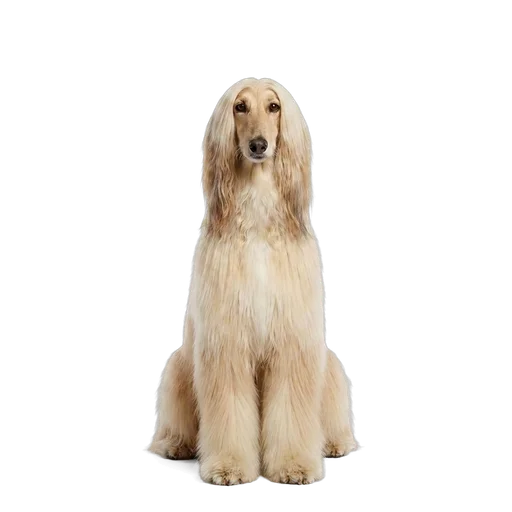
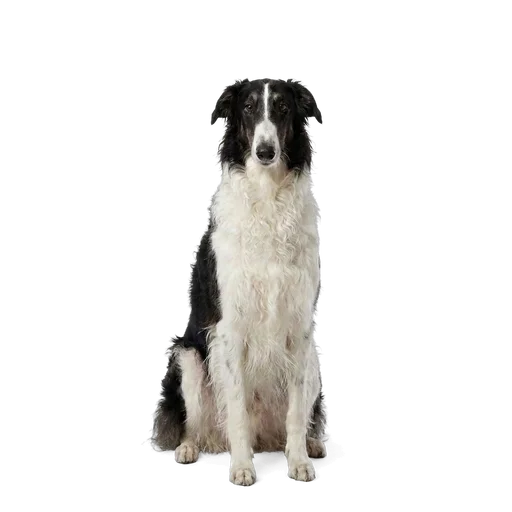
Deciding between similar breeds? Here is the Tibetan Mastiff next to Afghan Hound and Borzoi.
| Tibetan Mastiff | Afghan Hound | Borzoi | |
|---|---|---|---|
| Size | Large | Large | Large |
| Weight | 32-73 kg | 23-27 kg | 27-48 kg |
| Lifespan | 10-12 yrs | 12-15 yrs | 9-14 yrs |
| Activity | Moderate | Moderate | Moderate |
| Shedding | Medium | Low | Medium |
| Good with kids | Yes | Yes | Yes |
| Apartment-friendly | No | No | No |
Frequently asked questions
Are Tibetan Mastiffs good family dogs?
For the right experienced family, yes. They are loyal, calm at home and affectionate with their own people, and often gentle with the children they are raised with. They are also independent, aloof with strangers and highly protective, so they need early socialization, secure fencing and an owner who understands guardian breeds. Their independence and nighttime barking make them a poor fit for casual or first-time owners.
Why do Tibetan Mastiffs bark at night?
It is instinct. For centuries they guarded livestock and villages overnight, patrolling and barking to warn off predators and intruders, and modern Tibetan Mastiffs still do it. Expect barking when they hear or sense anything unfamiliar after dark. It is a deeply ingrained breed trait rather than a training problem, which is why they suit homes with space and understanding neighbors rather than close apartment living.
How much grooming does a Tibetan Mastiff need?
A fair amount. The thick double coat needs brushing two or three times a week year-round to prevent mats, and daily during the once-a-year seasonal shed when the undercoat blows out in large quantities, usually in spring. Bathe occasionally and dry thoroughly, and never shave the coat, since it protects against both heat and cold. Add regular nails, teeth and ear care to the routine.
How long do Tibetan Mastiffs live?
Often 10 to 12 years, which is long for a giant breed. Careful breeding matters: buy from a breeder who screens for hip and elbow dysplasia, tests for canine inherited demyelinative neuropathy, and checks for hypothyroidism and eye issues such as entropion. Keeping the dog lean, staying current on veterinary care and catching problems like thyroid disease early all help them reach the top of that range.
Are Tibetan Mastiffs good for first-time owners?
No. They are independent, stubborn, strongly territorial and slow to mature, and they bark at night by instinct, all of which frustrates inexperienced owners. A poorly contained or under-socialized Tibetan Mastiff is difficult to manage at this size. They reward patient owners who understand independent guardian breeds and can provide secure fencing, consistent early training and respect for the dog's watchful nature.
Related breeds
Health and care information is drawn from established veterinary sources and is general guidance, not veterinary advice. See our sources
Keep records for your Tibetan Mastiff
Vaccinations, food and treat safety, allergy alerts and parasite reminders - all tracked for your Tibetan Mastiff in the Pethls app.