

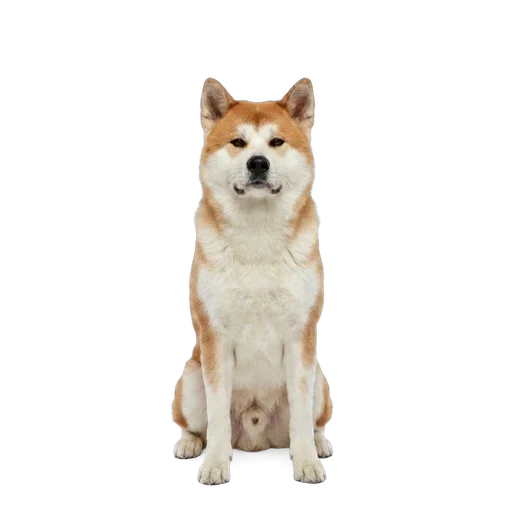
Origin: Japan
Akita
Get reminders for your Akita's vaccines
Vaccination and parasite reminders, food-safety scans and health records — free to start in the Pethls app.


Good for
The Akita is a large, powerfully built dog from the mountains of northern Japan, where the breed was developed to hunt big game and guard family homes. Owners tend to describe them the same way: dignified, quiet, and fiercely loyal to the people they trust. This is a breed that bonds deeply with its own household while staying reserved, sometimes downright suspicious, around strangers and unfamiliar dogs. Akitas are not a good match for a first-time owner, and they carry a handful of serious health risks that make regular veterinary care non-negotiable. Handled by someone who understands the breed, an Akita is a calm, devoted, and surprisingly clean housemate.
Temperament & personality
An Akita is confident and self-possessed in a way that can catch new owners off guard. They do not seek constant attention or fuss, and many are content to lie in the same room as their family rather than in a lap. That aloofness is part of the breed's character, not a training failure. What looks like standoffishness with visitors is the guarding instinct the breed was bred for, and it means an Akita will size up a new person carefully before deciding they are welcome.
The flip side of that loyalty is a strong protective streak. Akitas are naturally wary of strangers and are frequently dog-aggressive, especially toward dogs of the same sex. Early, consistent socialization from puppyhood helps a great deal, but it does not erase the tendency, and most Akitas do best as the only dog in the home. Many Akitas have a strong prey drive toward smaller animals, so households with cats or small pets should think hard before adding an Akita to the mix.
This is a smart, stubborn breed that respects a handler who is calm, fair, and consistent. Harsh corrections backfire and can damage trust. Akitas can be excellent with the children in their own family, though their size and sometimes their sheer independence mean interactions with young kids should always be supervised. An experienced owner who sets clear boundaries early will get a steady, dependable adult dog.
Vaccination schedule
Akita puppies follow the same core vaccination plan as any dog. The main series is DHPP, which covers distemper, hepatitis (adenovirus), parvovirus, and parainfluenza. Puppies get their first dose around 6 to 8 weeks, then boosters every 3 to 4 weeks until they are at least 16 weeks old. That final dose is important, because maternal antibodies can block earlier shots from taking full effect.
Rabies is given once between 12 and 16 weeks depending on local law, then boostered according to your regional requirements, usually at one year and every one to three years after that. Akitas are predisposed to autoimmune conditions, so it is worth telling your vet about the breed up front; that lets them individualize the vaccine plan and monitor for any immune-mediated reactions.
Leptospirosis is now a core vaccine recommended for every dog. It needs a 2-dose puppy series followed by an annual booster, unlike the every-3-years DHPP core boosters. Non-core vaccines such as Bordetella (kennel cough) and canine influenza depend on where you live and how your dog spends its time. A dog that boards, goes to grooming salons, or hikes near wildlife has a higher exposure risk, which is part of why the annual leptospirosis booster matters, but every dog should still be protected. Your vet will tailor the plan to your situation.
Best food & diet
Akitas do well on a high quality diet built around a clear, named animal protein and matched to their life stage. Large-breed puppy formulas are worth using during growth, because controlled calcium and calorie levels help joints develop at a steadier pace and reduce strain on developing hips. Adults generally settle into two measured meals a day rather than free feeding, which also helps you spot any drop in appetite early.
The breed is prone to certain food sensitivities. Common triggers in Akitas include beef, chicken, soy, and wheat, so a dog with recurring itching, ear infections, or loose stools may benefit from a diet built on a single novel protein and a limited ingredient list. Any elimination trial should be done properly, over 8 to 12 weeks, and ideally with veterinary guidance rather than by swapping foods every couple of weeks.
Bloat, also called gastric dilatation-volvulus, is a real risk in deep-chested breeds like the Akita. Feeding smaller meals, avoiding heavy exercise right after eating, and using a slow-feeder bowl for fast eaters all help lower the odds. Keep your Akita lean; carrying extra weight worsens joint disease and makes almost every other health problem harder to manage.
Common health problems
Like many large breeds, Akitas can develop hip dysplasia, where the hip joint forms abnormally and leads to arthritis over time. Buying from a breeder who screens breeding dogs with hip scoring lowers the risk, and keeping your Akita at a healthy weight protects the joints for life. Hypothyroidism is another common one, showing up as weight gain, lethargy, and coat or skin changes; it is straightforward to diagnose with a blood test and manage with a daily tablet.
The breed also carries several autoimmune conditions: sebaceous adenitis (an inflammatory skin disease), pemphigus, and a VKH-like syndrome that can affect the eyes and skin, causing loss of pigment along with painful eye inflammation. Progressive retinal atrophy, a gradual inherited loss of vision, is worth asking your breeder or vet about screening for. Any change in the eyes, skin pigment, or coat deserves a prompt veterinary look.
One more risk deserves a mention here. Bloat, described in the diet section, is a surgical emergency, and owners should learn the warning signs: a swollen belly, unproductive retching, restlessness, and drooling.
Allergies & skin
The Akita's thick double coat can hide skin problems until they are well established, so regular hands-on grooming doubles as a health check. Food allergies to ingredients like beef, chicken, soy, and wheat often show up as itchy skin, chronic ear infections, or paw licking rather than digestive upset. Environmental allergens matter too, and dust mites are a common trigger that flares year round rather than seasonally.
Because the breed is prone to immune-mediated skin diseases, it can be hard to tell an ordinary allergy from something more serious like sebaceous adenitis or pemphigus. Crusting, hair loss in patches, sores that will not heal, or loss of pigment around the nose and eyes are signals to see your vet rather than treat at home. Early diagnosis makes these conditions far more manageable.
Day to day, keep the coat and skin clean and dry, bathe only as needed with a gentle dog shampoo, and dry the coat thoroughly to avoid hot spots underneath all that fur. If your vet confirms an allergy, management usually combines a controlled diet, parasite prevention to rule out fleas, and sometimes medication to calm the itch.
Flea, tick & worm prevention
Every Akita needs year-round parasite control regardless of coat thickness. A dense double coat can actually make fleas and ticks harder to spot, so do not assume the fur is protecting your dog. Monthly or extended-release flea and tick products, given as a chew or a spot-on, keep infestations from taking hold and reduce the chance of tick-borne diseases in areas where those are common.
Intestinal worming is the other half of the routine. Puppies are wormed frequently in the early weeks, then most adult dogs are treated for roundworms, hookworms, tapeworms, and whipworms on a schedule your vet sets, often every 3 months. Heartworm prevention is essential in regions where the parasite occurs and is usually given monthly.
With a large dog like the Akita, dosing is based on body weight, so re-weigh growing puppies before each dose and check that adult products still match your dog's current weight. Never split a large-dog product to guess a smaller dose. Your vet can recommend a combined product that covers fleas, ticks, and worms to keep the routine simple.
Medications & dosing
Medication doses for Akitas are calculated by body weight, which for this breed can range widely from around 30 to 59 kg. That makes accurate weighing the foundation of safe dosing. Whether it is a parasite preventive, an antibiotic, or a pain reliever, the amount that is right for a 32 kg dog is not the same as for a 55 kg dog, so always dose to the current weight rather than an estimate.
Never give human medications without veterinary direction. Common painkillers such as ibuprofen and paracetamol are toxic to dogs, and even dog-specific anti-inflammatories need the correct dose and monitoring. As a general precaution around anesthetics and immune-mediated reactions, always remind your vet that you have an Akita before any procedure or new prescription.
If your Akita is diagnosed with a chronic condition like hypothyroidism or an autoimmune disease, expect long-term daily medication and periodic blood tests to keep doses right. Keep a simple record of what your dog takes, at what dose, and when, and finish any prescribed course fully even if your dog seems better partway through.
Grooming & coat care
The Akita wears a thick double coat: a coarse outer layer over a soft, dense undercoat. Most of the year, a thorough brushing once or twice a week keeps the coat healthy, removes dead hair, and lets you check the skin underneath. Akitas are famously clean dogs that lick themselves clean and fastidiously tidy their coats, so they rarely develop a doggy odor and need bathing only every couple of months or when genuinely dirty.
Twice a year the undercoat blows out in a heavy seasonal shed, and during those few weeks the shedding is dramatic. Daily brushing with an undercoat rake or de-shedding tool during these periods keeps the loose fur under control and prevents mats from forming close to the skin. Outside those seasonal molts, shedding is steady but moderate.
Round out the routine with the basics: trim nails every few weeks, check and clean the ears to catch infections early, and keep up dental care with regular tooth brushing. Because the breed hides skin issues under all that coat, treat every grooming session as a chance to feel for lumps, scabs, or thinning fur and raise anything unusual with your vet.
How the Akita compares
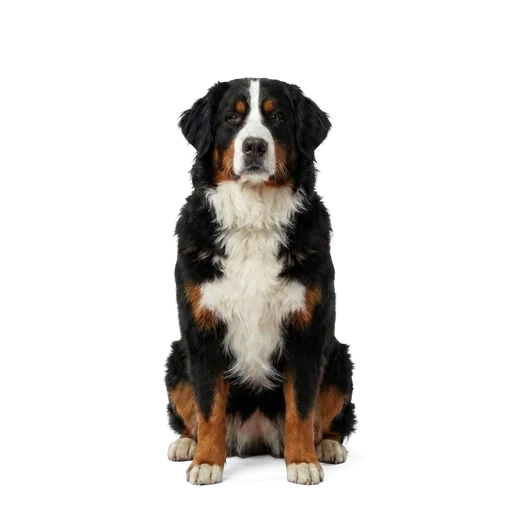
Deciding between similar breeds? Here is the Akita next to Bernese Mountain Dog and Leonberger.
| Akita | Bernese Mountain Dog | Leonberger | |
|---|---|---|---|
| Size | Large | Large | Large |
| Weight | 30-59 kg | 35-55 kg | 45-77 kg |
| Lifespan | 10-13 yrs | 7-10 yrs | 7-9 yrs |
| Activity | Moderate | Moderate | Moderate |
| Shedding | High | High | High |
| Good with kids | Yes | Yes | Yes |
| Apartment-friendly | No | No | No |
Frequently asked questions
Are Akitas good for first-time dog owners?
Generally no. Akitas are strong-willed, independent, and protective, and they need an owner who can provide calm, consistent leadership and thorough early socialization. Their tendency toward dog aggression and wariness of strangers makes them a poor first dog for most people. They suit an experienced owner who understands the breed.
Do Akitas get along with other dogs and pets?
Often not. Akitas are frequently dog-aggressive, particularly toward dogs of the same sex, and many have a strong prey drive toward smaller animals. A lot of Akitas do best as the only pet in the home. Early socialization helps but rarely removes the trait entirely, so introductions and multi-pet households need care.
How much do Akitas shed?
A lot. The breed has a thick double coat that sheds steadily year round and then blows the entire undercoat twice a year in heavy seasonal molts. Expect weekly brushing most of the year and daily brushing during the two shedding seasons. Akitas are not hypoallergenic.
What health problems are Akitas prone to?
The main concerns are hip dysplasia, hypothyroidism, several autoimmune conditions (including sebaceous adenitis, pemphigus, and a VKH-like eye and skin syndrome), bloat, and progressive retinal atrophy. Akitas can also be sensitive to certain anesthetics and immune-mediated reactions, so keep your vet informed about the breed.
How long do Akitas live?
Akitas typically live around 10 to 13 years. Keeping your dog at a healthy weight, staying on top of joint and thyroid health, screening for the breed's autoimmune and eye conditions, and knowing the warning signs of bloat all help an Akita reach the upper end of that range.
Related breeds


Health and care information is drawn from established veterinary sources and is general guidance, not veterinary advice. See our sources
Keep records for your Akita
Vaccinations, food and treat safety, allergy alerts and parasite reminders - all tracked for your Akita in the Pethls app.