

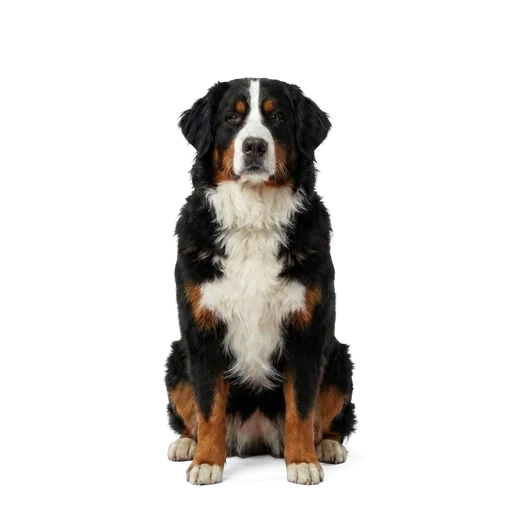
Origin: Switzerland
Bernese Mountain Dog
Get reminders for your Bernese Mountain Dog's vaccines
Vaccination and parasite reminders, food-safety scans and health records — free to start in the Pethls app.


Good for
The Bernese Mountain Dog started as a Swiss farm dog in the canton of Bern, hauling carts of milk and cheese and watching over livestock in cold mountain weather. That heritage explains almost everything about the breed: the thick tricolor coat, the calm and patient nature, and the genuine love of a job done alongside its people. Berners are big, typically around 36 to 50 kg, and famously gentle, which makes them one of the sweetest giant breeds for families with children. The hard truth that comes with all that charm is longevity. This is a breed with a relatively short lifespan of roughly 7 to 10 years, driven largely by cancer. Anyone bringing one home should understand that commitment going in.
Temperament & personality
Berners are easygoing, affectionate, and deeply attached to their family. They tend to be calm indoors, happy to lie at your feet while you work, and they are patient in a way that suits homes with children. Many are a little reserved with strangers, which reads as polite watchfulness rather than aggression, and they usually warm up once they take their cue from you.
This is a sensitive breed that trains best with kindness and food rewards. They are intelligent and willing but not pushy, and they can be a touch sensitive or slow to mature, staying puppyish well into their second or third year. Because they are gentle and want to please, they are one of the more beginner-friendly giant breeds, though the sheer size means basic manners and leash skills need to be solid early, while the dog is still liftable.
Berners generally get along well with other dogs and with the family cat, especially when raised together. What they do not tolerate well is isolation. A Bernese left alone in the yard or ignored becomes miserable and can turn to barking or chewing; they need to live inside as part of the household to be their best selves.
Vaccination schedule
Bernese puppies follow the standard core schedule. The combination DHPP vaccine (distemper, hepatitis/adenovirus, parvovirus, parainfluenza) begins at 6 to 8 weeks and repeats every 3 to 4 weeks until the puppy is at least 16 weeks old. Finish the full series before exposing the pup to unvaccinated dogs or high-traffic dog areas, since parvovirus is a serious threat to young dogs.
Rabies is given once between 12 and 16 weeks depending on local law, boosted at one year, and then every 1 to 3 years thereafter. A first DHPP booster also comes due around the first birthday.
Leptospirosis is now a core vaccine recommended for every dog: puppies get a 2-dose series followed by an annual booster, unlike the DHPP core boosters that repeat every 3 years. Because many Berners live rural or semi-rural lives and love the outdoors, their exposure to lepto in water, soil, and wildlife is higher, which is one reason that yearly booster matters. Other non-core vaccines are chosen by lifestyle: Lyme is often worth discussing for outdoor dogs, along with Bordetella for dogs that board or attend classes. Your vet will build the plan around where you live and what your dog does.
Best food & diet
The single most important diet decision for a Bernese happens in puppyhood. Feed a large or giant-breed puppy formula with controlled calcium and calories so the puppy grows slowly and steadily. Pushing a giant-breed pup to grow fast overloads developing joints and can worsen hip and elbow dysplasia. Lean and slow is the goal, not big and fast.
As adults, Berners do well on a complete large-breed diet fed in two meals a day rather than one. Because the Bernese is deep-chested, it can be affected by bloat (gastric dilatation-volvulus), so split meals, a slow-feeder bowl for fast eaters, and avoiding vigorous exercise right around mealtimes all help reduce that risk.
Keep the dog lean for life. Carrying less weight eases the load on the joints and lets the dog move more comfortably, and lean dogs often live longer. You should be able to feel the ribs under the coat without pressing hard. Because the thick coat hides body shape, weigh the dog regularly rather than judging by eye, and adjust portions with your vet's help.
Common health problems
Cancer is the defining health issue of the breed and the main reason the lifespan is so short. The most common is histiocytic sarcoma, an aggressive cancer that can strike in middle age. There is no screening test that reliably prevents it, but knowing your dog's family history and acting quickly on any unexplained lameness, weight loss, or lump gives you the best options.
Joint disease is the next big concern. Hip dysplasia and elbow dysplasia are common in the breed, and both can lead to painful arthritis. Responsible breeders screen the hips and elbows of their breeding dogs, so ask to see those results. Keeping puppies lean and avoiding high-impact exercise on growing joints, such as long runs or repetitive jumping, makes a real difference to long-term joint health.
Bloat, or gastric dilatation-volvulus, is a serious risk in deep-chested giant breeds. The stomach fills with gas and twists, and it needs immediate surgery. Learn the warning signs: a distended belly, unproductive retching, restlessness, and drooling. Ask your vet whether a preventive gastropexy at the time of spay or neuter makes sense for your dog.
Degenerative myelopathy is a slowly progressive disease of the spinal cord that causes hind-limb weakness in older dogs. The disease is not painful, but it gradually reduces mobility. There is a genetic marker breeders can test for, so a DNA test can identify dogs at risk.
Allergies & skin
Berners can run into both food and environmental allergies. On the food side, beef, chicken, dairy, and wheat are among the more common triggers, and a food allergy typically shows up as year-round itching, ear infections, or paw-licking rather than as an upset stomach. Confirming it means an 8-week elimination diet with a novel or hydrolyzed protein under veterinary guidance.
Environmental allergens matter for this outdoorsy breed. Dust mites indoors and grass pollen outdoors are common environmental allergens, and can play a role in atopic dermatitis, which often starts seasonally and can become year-round. Wiping the coat and paws down after walks reduces how much pollen the dog carries inside, and weekly hot-water washing of bedding helps dust-mite-sensitive dogs.
The thick double coat makes early detection harder, so build skin checks into grooming sessions. Part the fur and look at the skin for redness, hot spots, or moist infected patches, which can hide under dense hair, especially where the coat traps moisture. Prompt treatment of any developing hot spot keeps a small problem from turning into a painful, spreading one.
Flea, tick & worm prevention
Year-round flea and tick prevention is essential, and it matters even more for a breed that loves fields, forests, and long walks. That thick coat is a perfect place for ticks to hide, so a reliable preventive plus a hands-on tick check after every rural outing is the safe combination. Ticks in many regions carry Lyme, anaplasmosis, and ehrlichiosis. Choose a monthly chew, a topical, or a long-acting collar based on your local parasite load.
Puppies are wormed on the standard schedule, every 2 weeks from 2 weeks of age until 12 weeks, then monthly to 6 months, to clear the roundworms and hookworms that most pups carry. Adults need routine intestinal worming and, where heartworm exists, year-round heartworm prevention, since heartworm spreads by mosquito bite and is much easier to prevent than to treat.
Combination products can cover fleas, ticks, heartworm, and intestinal worms in a single monthly dose, which simplifies life for a giant dog. An annual fecal test backs up the plan by catching anything a preventive misses. Your vet will tailor the schedule to your climate and how much time your Bernese spends in tick country.
Medications & dosing
Medications are dosed by body weight, and a Bernese Mountain Dog sits near the top of the chart at roughly 36 to 50 kg. Always dose to the dog's actual current weight rather than guessing, and never repurpose a small dog's product or a leftover prescription. Weigh the dog before starting any weight-based treatment rather than eyeballing it, since the coat can make a Berner look heavier or lighter than it is.
For a large, arthritis-prone breed, pain and anti-inflammatory medication becomes part of life for many older dogs. NSAIDs prescribed for joint pain need the correct dose for the dog's weight and periodic blood tests to monitor the liver and kidneys during long-term use. Do not combine different anti-inflammatories or add human painkillers, which can be dangerous.
Keep a current weight log, since giant dogs can shift weight quickly with illness or aging, and share it with your vet at each visit so doses stay accurate. If you use a food scanner to check a food or supplement, treat the result as a starting point for a conversation with your vet rather than as dosing advice on its own.
Grooming & coat care
The Bernese wears a thick, tricolor double coat that sheds heavily. Expect hair on your floors and clothes year-round, with two big seasonal blow-outs in spring and autumn when the undercoat comes out in earnest. Brush at least a couple of times a week normally, and daily during those shedding seasons, using a slicker brush plus an undercoat rake to reach the dense underlayer and prevent mats behind the ears, under the legs, and around the tail.
Bathe every couple of months or when the dog is genuinely dirty. The coat takes a while to dry fully, so dry it thoroughly, since trapped moisture under all that hair invites hot spots and skin infection. Never shave a Berner's coat to keep it cool; the double coat actually insulates against heat as well as cold, and shaving disrupts that and can damage regrowth.
Heat is the real coat-related risk. Berners overheat easily and are built for Swiss winters, not hot summers, so exercise them in the cool of morning or evening, provide shade and water, and watch closely for heavy panting or lethargy in warm weather. Round out grooming with nails trimmed every few weeks, teeth brushed several times a week, and regular ear checks, as the coat can trap moisture around the ear canal.
How the Bernese Mountain Dog compares
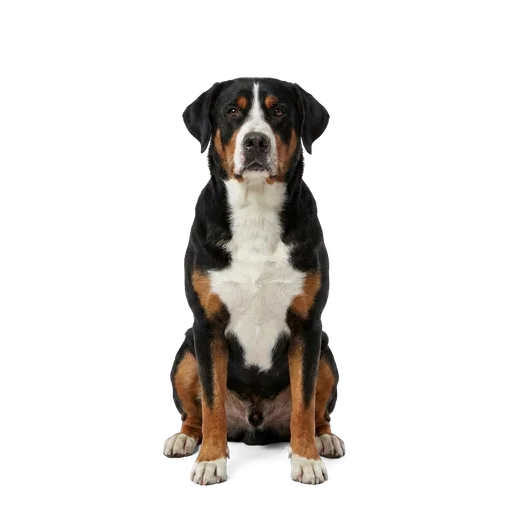
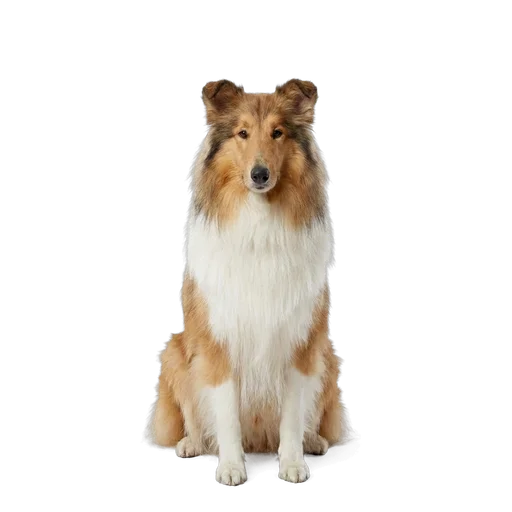
Deciding between similar breeds? Here is the Bernese Mountain Dog next to Greater Swiss Mountain Dog and Rough Collie.
| Bernese Mountain Dog | Greater Swiss Mountain Dog | Rough Collie | |
|---|---|---|---|
| Size | Large | Large | Large |
| Weight | 35-55 kg | 39-64 kg | 20-34 kg |
| Lifespan | 7-10 yrs | 8-11 yrs | 12-14 yrs |
| Activity | Moderate | Calm | Moderate |
| Shedding | High | High | High |
| Good with kids | Yes | Yes | Yes |
| Apartment-friendly | No | No | No |
Frequently asked questions
Why do Bernese Mountain Dogs have such short lifespans?
Cancer, especially histiocytic sarcoma, is the leading cause, which is why the breed's average lifespan is only roughly 7 to 10 years. Joint disease and bloat are also worth keeping an eye on. Buying from a breeder who tests their dogs and keeping your Berner lean and fit gives you the best odds, but the short lifespan is a real part of choosing this breed.
Are Bernese Mountain Dogs good with children?
Very. Calm, patient, and affectionate, Berners are among the best giant breeds for families with kids, and they tolerate the noise and bustle of a busy household well. The main thing to manage is size: a friendly Berner can knock over a toddler without meaning to, so supervise play and teach the dog polite manners early while it is still small enough to guide easily.
How much do Bernese Mountain Dogs shed?
A great deal. The thick tricolor double coat sheds year-round and blows out heavily twice a year in spring and autumn. Plan on brushing several times a week, and daily during shedding season, with a slicker brush and an undercoat rake. They are not hypoallergenic and are not a good fit for anyone who wants a tidy, low-hair home.
Can a Bernese Mountain Dog live in an apartment?
It is not a good match. Berners need space, cool conditions, and a household they can be part of, and their size, heavy shedding, and dislike of heat make apartment life difficult. They do best in a home with a yard in a cooler climate, with plenty of indoor time near their people.
How much exercise does a Bernese Mountain Dog need?
Moderate. A couple of good walks a day plus some play or light work keeps a Berner happy; they are not high-endurance running dogs. Keep exercise gentle on growing puppies to protect their joints, and always work them in the cool part of the day, because the heavy coat makes them overheat quickly in warm weather.
Related breeds
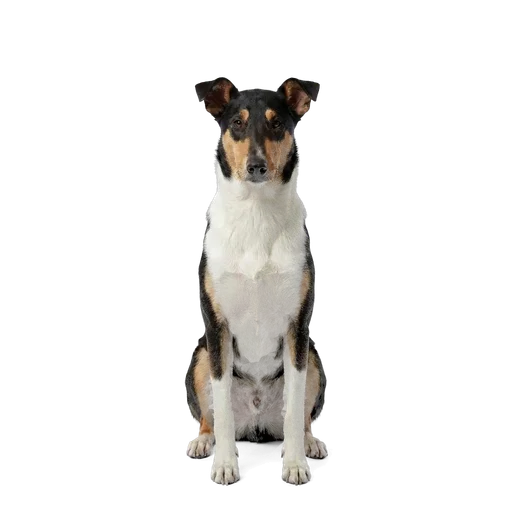
Health and care information is drawn from established veterinary sources and is general guidance, not veterinary advice. See our sources
Keep records for your Bernese Mountain Dog
Vaccinations, food and treat safety, allergy alerts and parasite reminders - all tracked for your Bernese Mountain Dog in the Pethls app.