

Origin: United Kingdom
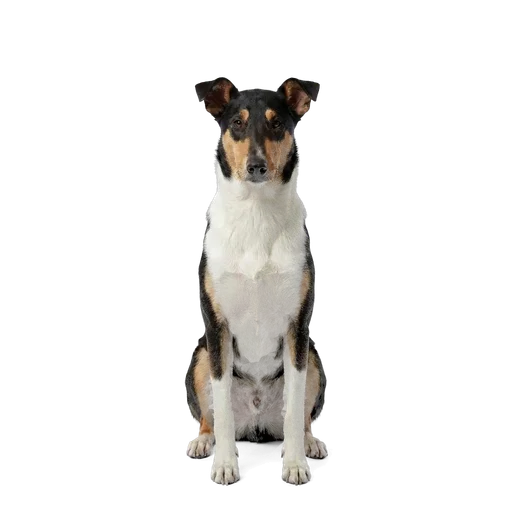
Smooth Collie
Get reminders for your Smooth Collie's vaccines
Vaccination and parasite reminders, food-safety scans and health records — free to start in the Pethls app.


Good for
The Smooth Collie is the same breed as the famous Rough Collie, just wearing a short coat instead of a long flowing one. Underneath, everything that makes a Collie a Collie is identical: the temperament people love, the cleverness, the closeness to family, and the same easy way with children. The short coat makes day-to-day grooming a good deal simpler, though these dogs still shed. They share much of the Collie health picture too, including the well-known MDR1 drug sensitivity that owners should be aware of. If you love the Collie character but not the two-hour brushing sessions, the Smooth is the one to look at.
Temperament & personality
Temperamentally, a Smooth Collie is a Rough Collie in a shorter coat. They are sensitive, gentle dogs that thrive on close contact with their people and respond best to calm, reward-based training. Harsh handling backfires quickly, since a scolded Collie tends to withdraw rather than push back. Their intelligence means they learn cues fast and stay engaged when the work is fun.
They keep the breed's herding instincts and its watchful streak. Expect a dog that notices everything, barks to report it, and prefers to keep the family gathered in one place. Around strangers they are typically polite but reserved rather than immediately friendly, which softens with good early socialization.
Smooth Collies are wonderful with children and generally get on well with other dogs and household pets. They are not aggressive dogs by nature; their instinct is to move and manage rather than confront. That gentleness, combined with real cleverness, makes them a good match even for a thoughtful first-time owner.
Like their rough-coated siblings, they are moderately energetic. They want a proper daily walk and something to think about, but they settle calmly indoors once their needs are met. A Collie with nothing to do becomes anxious and vocal.
Vaccination schedule
Smooth Collie puppies follow the standard UK schedule. The core DHPP vaccine protects against distemper, hepatitis (adenovirus), parvovirus and parainfluenza, given as a course starting at 6 to 8 weeks, with a second dose at 10 to 12 weeks and often a third at 14 to 16 weeks depending on the brand.
Rabies is not needed for a dog staying in the UK but is required for foreign travel under the Animal Health Certificate rules. It can be given from 12 weeks, followed by a 21-day wait before you travel.
Leptospirosis matters for a country-loving dog, since the bacteria live in farmland and standing water. Most UK vets include it in the puppy course and boost it every year. Kennel cough vaccination is commonly advised before boarding, day care or group training classes.
Once the puppy course is complete, your vet sets a booster plan, usually core vaccines every three years with leptospirosis annually. Log the actual dates so the app's reminders match your dog's schedule rather than a generic calendar.
Best food & diet
The Smooth Collie is a large breed, with adults typically weighing roughly 20 to 30kg (bitches lighter, dogs heavier), and it should be fed accordingly. A complete large-breed food matched to life stage keeps growth steady in puppies and body condition stable in adults. Large-breed puppy formulas manage calcium and calories to protect growing joints.
Feed two meals a day rather than one large one, avoid vigorous exercise right after eating, and keep fresh water available at all times.
Because the coat is short, weight changes are easier to spot on a Smooth than on a Rough, but you should still check the ribs weekly with your hands. Keeping the dog lean protects the hips and joints, as with any larger breed.
A quality diet with adequate omega-3 fatty acids supports skin and coat. If you notice dullness, flaking or itch, raise it with your vet before changing food or adding supplements on your own.
Common health problems
The Smooth Collie shares much of the Rough Collie's health profile, and the headline item is the MDR1 (ABCB1) gene mutation. Many Collies carry it, and it makes affected dogs dangerously sensitive to certain drugs, including high-dose ivermectin wormers and some sedatives and anaesthetics. A DNA test, a cheek swab or blood sample, tells you the status, which must then be recorded on the veterinary file and mentioned before any medication or sedation.
Eye disease is the other major concern. Collie eye anomaly (CEA) is an inherited eye condition that a vet or ophthalmologist can pick up in pups from 6 to 8 weeks, so have puppies checked early. Progressive retinal atrophy (PRA) is another inherited eye disease, and it tends to cause gradual sight loss later in life. Responsible breeders screen the parents for both conditions, so ask for the certificates.
Like many large breeds, Collies can develop hip dysplasia, which may show as stiffness or reluctance to jump; keeping the dog lean and fit is the best defense. Dermatomyositis, an inherited skin and muscle disease, often shows in young dogs as skin lesions around the face, ears and limbs, so flag any early lesions to your vet.
The takeaway is the same as for the Rough Collie: buy from a health-tested breeder, get the MDR1 test done, and keep good records so patterns are easy to track over the years.
Allergies & skin
The short coat makes skin much easier to inspect, which is an advantage. Even so, Smooth Collies can run into the same skin problems as any dog, and although the coat is short it is still a dense double coat, so part it down to the skin when you check for redness or irritation.
Atopic dermatitis, an allergy to environmental triggers such as pollen, dust mites or grass, shows up as paw licking, face rubbing and recurring ear or skin infections. Food allergies are less common, and when they do occur beef, chicken and dairy are among the usual triggers, typically combining itch with digestive upset. If the itch is persistent, your vet can guide you through diet trials or allergy testing rather than guessing.
Dermatomyositis is worth a mention here too because it can first appear as skin disease and be mistaken for an ordinary allergy. If skin lesions on a young Smooth Collie fail to respond to standard treatment, ask your vet about it specifically.
Keep on top of fleas, since flea allergy is one of the most common causes of itch, and photograph any lesion so you can judge whether it is settling or spreading. The short coat means you will spot changes early if you look.
Flea, tick & worm prevention
Smooth Collies enjoy the same rural rambles as their rough-coated cousins, so year-round flea and tick prevention is sensible. Use a vet-recommended spot-on, tablet or collar with good tick cover, and check the coat after country walks around the ears, armpits and between the toes. The short coat makes ticks easier to find, which helps.
Worming should cover roundworm, tapeworm and lungworm. Lungworm is spreading in the UK and is caught from slugs and snails, so a curious Collie is at some risk. Most dogs are wormed every three months, adjusted by your vet to suit lifestyle.
The MDR1 caution applies in full. Never use a livestock or horse wormer on a Collie, because the high-dose ivermectin in some of those products can be fatal to MDR1-affected dogs. The small-animal wormers your vet prescribes at label doses are formulated to be safe, but always remind the vet of the breed's sensitivity when choosing a new parasite product.
Log every treatment date so nothing slips. A lapse in spring tick cover is how tick-borne diseases get a foothold.
Medications & dosing
As with every Collie, medication should be weight-based and vet-directed, and the MDR1 mutation makes this more than routine advice. Affected dogs can react severely to normal doses of certain drugs because the compounds build up in the brain. The list includes ivermectin-class wormers, some sedatives and pre-anaesthetic agents like acepromazine, certain opioids, anti-diarrhea drugs such as loperamide, and some chemotherapy medicines.
The safeguard is straightforward. Test your Smooth Collie for MDR1, put the result on the veterinary record, and repeat it to any vet before a new drug, sedation or anaesthetic, including at out-of-hours clinics that have never seen your dog. Knowing the status lets the vet choose safe alternatives or adjusted doses.
Do not give human medicines without veterinary approval. Ibuprofen and paracetamol are toxic to dogs of any breed, and dosing by guesswork rather than by weight is a common source of harm.
Weigh your dog regularly so doses stay accurate, and keep a running record of medications given. That history saves time and prevents mistakes when something urgent comes up.
Grooming & coat care
This is where the Smooth Collie differs sharply from the Rough. The coat is short, flat and dense, and grooming is far less demanding. A weekly brush with a bristle brush or rubber curry comb lifts loose hair and keeps the coat healthy. There are no long feathers or ruff to mat, so the painful knots that plague Rough Collies simply are not an issue.
Do not mistake short for non-shedding. The Smooth has a full double coat and sheds steadily, with heavier molts once or twice a year in spring and autumn. During those periods, brush more often and expect loose hair around the house. An undercoat rake or deshedding tool speeds the process when the coat is blowing.
Bathe only when the dog is genuinely dirty, since frequent bathing strips natural oils. The short coat dries quickly and rarely holds mud the way a long coat does, so a wet, muddy walk means far less cleanup.
Complete the routine with the basics: trim nails every few weeks, brush the teeth regularly, and check the ears at each grooming session. Because the coat is short, grooming doubles as an easy skin check for lumps, parasites or lesions.
How the Smooth Collie compares
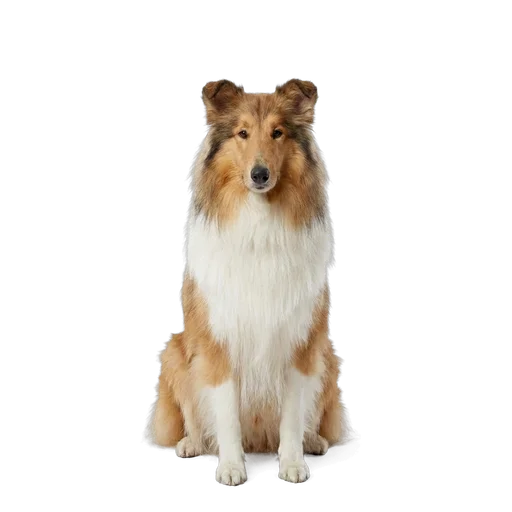
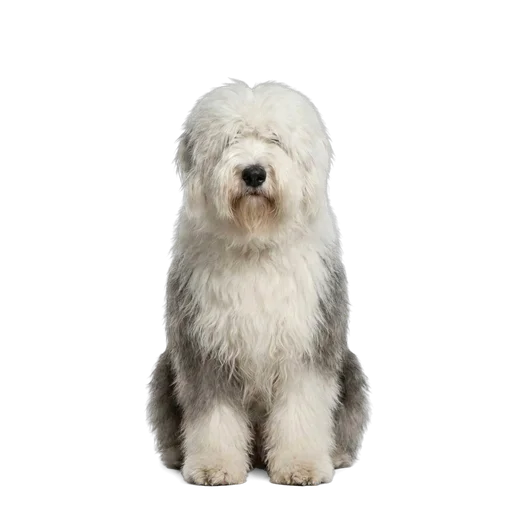
Deciding between similar breeds? Here is the Smooth Collie next to Rough Collie and Old English Sheepdog.
| Smooth Collie | Rough Collie | Old English Sheepdog | |
|---|---|---|---|
| Size | Large | Large | Large |
| Weight | 20-34 kg | 20-34 kg | 27-45 kg |
| Lifespan | 12-14 yrs | 12-14 yrs | 10-12 yrs |
| Activity | Moderate | Moderate | Moderate |
| Shedding | High | High | High |
| Good with kids | Yes | Yes | Yes |
| Apartment-friendly | No | No | No |
Frequently asked questions
What is the difference between a Smooth Collie and a Rough Collie?
They are the same breed with different coats. The Rough Collie has the long, flowing Lassie coat, while the Smooth Collie has a short, dense coat. Temperament, size, intelligence and health profile are identical. The main practical difference is grooming: the Smooth needs far less brushing and does not mat.
Do Smooth Collies still shed even with short hair?
Yes. The short coat is a full double coat, so it sheds steadily through the year and molts heavily once or twice, usually in spring and autumn. Weekly brushing keeps it under control, with more frequent sessions during the molt. Short does not mean shed-free.
Why does MDR1 testing matter for Smooth Collies?
Smooth Collies carry the same MDR1 gene mutation as Rough Collies. Affected dogs can react dangerously to normal doses of certain wormers, sedatives and anaesthetics. A simple DNA test tells you the status, which should go on the veterinary record and be mentioned before any sedation, anaesthetic or new medication.
Are Smooth Collies good with children?
Very much so. They share the gentle, patient, family-loving temperament of the breed and tend to be careful and watchful around children. Supervise young kids as with any dog, and teach them to handle the dog kindly, since Collies are sensitive and dislike rough treatment.
How much exercise does a Smooth Collie need?
They are moderately active. Around an hour of daily walking plus some mental work such as training or scent games keeps them content. They are herders, so they like having a purpose. An under-exercised Collie becomes anxious and tends to bark more.
Related breeds
Health and care information is drawn from established veterinary sources and is general guidance, not veterinary advice. See our sources
Keep records for your Smooth Collie
Vaccinations, food and treat safety, allergy alerts and parasite reminders - all tracked for your Smooth Collie in the Pethls app.