

Origin: United Kingdom
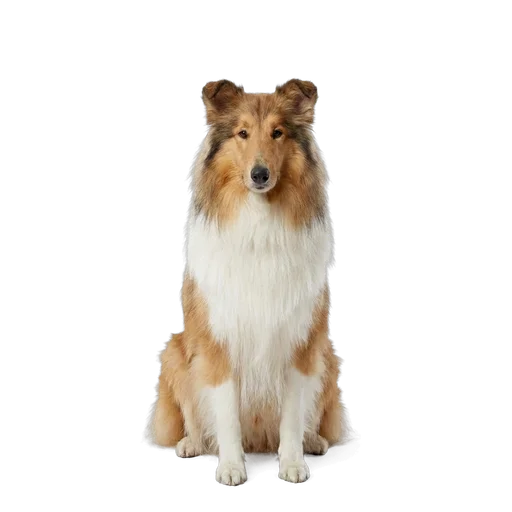
Rough Collie
Get reminders for your Rough Collie's vaccines
Vaccination and parasite reminders, food-safety scans and health records — free to start in the Pethls app.


Good for
The Rough Collie is the dog most people picture when they hear the name Lassie, and the real animal lives up to a lot of that reputation. This is a sensitive, deeply people-focused herder with a long flowing coat and an almost uncanny read on the mood of its family. Collies tend to be gentle with children, cautious with strangers rather than aggressive, and quick to learn when the training is kind. They do have a genetic quirk that every owner needs to know about, the MDR1 drug sensitivity, which changes how safely certain common medications can be given. Handle them softly and they repay you with years of steady, affectionate company.
Temperament & personality
Rough Collies are soft-natured dogs. They read tone of voice and body language closely, and a raised voice or rough correction can shut them down for the rest of a session. Positive, reward-based training gets far more out of them, and because they are genuinely clever, they pick up new cues fast. Many will herd anything that moves, including children and other pets, by circling and gentle nudging rather than nipping.
As a breed they bond hard with their household and can be reserved or watchful around unfamiliar people. That watchfulness comes out as barking more often than anything else. Collies are notorious talkers, and a bored one will find a lot to say about the postman, the neighbor's cat and the wind. Early, steady socialization to visitors, traffic and other dogs helps keep the alertness proportionate.
They are not high-energy dogs, but they are not content to lie around all day either. A Collie wants a proper daily walk, some mental work, and a job it can call its own, whether that is trick training, scent games or gentle agility. Left under-stimulated they get anxious and vocal. Given a role in family life they are calm, biddable and easy to live with.
This gentleness makes them good for first-time owners who are willing to be patient and consistent. They do not respond to dominance-based methods, and they do not forgive harsh handling quickly.
Vaccination schedule
Rough Collie puppies follow the standard UK vaccination plan. The core course is DHPP, which covers distemper, hepatitis (adenovirus), parvovirus and parainfluenza. Pups usually get the first dose at 6 to 8 weeks, a second at 10 to 12 weeks, and in many cases a third around 14 to 16 weeks, depending on the vaccine brand your practice uses.
Rabies is not required for dogs living in the UK, but it is mandatory for pet travel under the Animal Health Certificate scheme. If you plan to take your Collie abroad, the rabies shot can be given from 12 weeks of age, and you then wait 21 days before travel.
Leptospirosis is now a core vaccine recommended for every dog, so plan on it for your Collie and follow with an annual booster. Time around farmland, standing water and wildlife raises the exposure risk, which is why that yearly booster matters, but the vaccine is advised regardless of where your dog lives. Kennel cough (Bordetella) is often advised before boarding or group classes.
After the puppy series, your vet will set a booster schedule, typically the DHP core (distemper, hepatitis and parvovirus) every three years, with leptospirosis and parainfluenza boosted yearly. Keep the vaccination record updated so reminders line up with your dog's actual dates.
Best food & diet
Rough Collies are a large breed. Females typically weigh around 20 to 25kg and males around 27 to 34kg, so use your dog's sex and frame to judge where a healthy weight sits. Feed a complete diet formulated for large-breed dogs, matched to your dog's life stage and activity. Large-breed puppy food matters during growth because it controls calcium and calorie levels to protect developing joints.
Split the daily ration into two meals rather than one big feed. Collies are not typically greedy dogs, but as a general habit for larger breeds, avoid one big meal followed by hard exercise straight after eating. Fresh water should always be available.
Coat condition is a good gauge of diet quality. A diet with adequate omega-3 fatty acids, often from fish oil, keeps that dramatic double coat glossy and helps the skin underneath. If the coat looks dull or the skin flakes, talk to your vet before switching foods rather than layering on supplements.
Watch the waistline. That heavy coat hides weight gain well, so run your hands over the ribs weekly. You should feel them under a light covering. Extra weight puts real strain on hips and joints, which already carry some breed risk.
Common health problems
The single most important thing to know about any Collie is the MDR1 (ABCB1) gene mutation. A large proportion of the breed carries it, and it makes affected dogs dangerously sensitive to certain drugs. High-dose ivermectin found in some livestock wormers, a few sedatives and anaesthetic agents, and certain other medications can cross into the brain and cause severe neurological reactions or death at doses other breeds tolerate. A simple cheek-swab or blood DNA test tells you your dog's status, and the result should be flagged on every veterinary record.
Eyes are the next big area. Collie eye anomaly (CEA) is an inherited eye condition affecting the retina. Pups should be examined by an eye specialist at around 6 to 8 weeks, ideally before about seven weeks of age, because after that point mild cases can be masked as the eye matures and slip past a later exam. Progressive retinal atrophy (PRA) is another inherited eye disease that causes gradual blindness later in life. Reputable breeders test parents for both, so ask to see the results.
Like many large breeds, Collies can sometimes develop hip dysplasia, which shows up as stiffness or reluctance to jump. Keeping your Collie lean and fit is the best day-to-day protection. Dermatomyositis is a less common inherited condition affecting the skin and muscles, usually appearing in young dogs as skin lesions around the face, ears and legs.
The practical takeaway is to choose a health-tested breeder and build a relationship with a vet who knows the Collie profile. Log any recurring symptoms so patterns are easy to spot over time.
Allergies & skin
Under all that coat, Collie skin needs air and inspection. The dense undercoat can trap moisture and debris, especially behind the ears, on the belly and around the rear, and neglected patches can turn into hot spots or fungal irritation. Part the coat regularly during grooming and look at the skin itself, not just the fur.
Some dogs, including Collies, can occasionally develop atopic dermatitis, an allergic reaction to environmental triggers like pollen, dust mites or grass. Signs include licking paws, rubbing the face and recurrent ear or skin infections. Food allergies are less common but do occur, and they usually show as itch plus digestive upset. Your vet can help work through diet trials or allergy testing if the pattern is persistent.
The dermatomyositis mentioned above is worth a second note here because it first appears as skin disease, often mistaken for an ordinary allergy. If skin lesions on a young Collie do not respond to normal treatment, ask specifically about it.
For routine skin health, keep the coat clean and dry, treat parasites promptly since flea allergy is a common itch trigger, and photograph any lesion so you can track whether it is improving or spreading.
Flea, tick & worm prevention
Year-round flea and tick prevention is standard for a dog that spends time in fields and long grass, and Collies love exactly that terrain. Products come as spot-ons, tablets or collars. Ticks are a real concern in rural UK, so choose a product with good tick cover and check the coat after country walks, paying attention to the ears, armpits and between the toes.
Worming covers roundworm, tapeworm and, where relevant, lungworm. Lungworm is spreading across the UK and is picked up from slugs and snails, which a nosy Collie may swallow. Most dogs need worming every three months, though your vet may adjust the interval based on lifestyle.
Here is where the MDR1 status becomes critical. Some older or livestock-type wormers contain high-dose ivermectin or related compounds that are dangerous to MDR1-affected Collies. The routine small-animal wormers prescribed by your vet at label doses are formulated to be safe, but never use a farm or horse product on a Collie, and always remind the vet of the breed's sensitivity when a new parasite product is chosen.
Keep treatment dates logged so nothing lapses. A missed tick treatment in spring is how Lyme disease and other tick-borne illnesses slip in.
Medications & dosing
All medication for a Rough Collie should be weight-based and vet-directed, and this breed genuinely needs more caution than most. The MDR1 mutation means that drugs which are perfectly safe in other dogs can accumulate in the brain of an affected Collie. Beyond the ivermectin-class wormers, other drug groups can be affected too, so ask your vet which specific sedatives, pre-anaesthetic agents, anti-diarrhea drugs and chemotherapy agents need extra care for an MDR1-affected dog.
The practical rule is simple. Get your dog MDR1 tested, put the result on the veterinary file, and mention it every single time a new drug, sedation or anaesthetic is discussed, even at an emergency clinic that does not know your dog. A vet who knows the status can pick alternative drugs or reduce doses safely.
Never give human medicines or leftover prescriptions without veterinary approval. Common painkillers such as ibuprofen and paracetamol are toxic to dogs regardless of breed, and dosing errors with any drug are more likely when you guess by eye rather than by weight.
Weigh your Collie regularly so doses stay accurate as an adult's weight drifts, and keep a record of what has been given and when. That history is genuinely useful in an emergency.
Grooming & coat care
The Rough Collie's coat is its signature and its biggest commitment. It is a long, straight outer coat over a soft, dense undercoat, and it needs brushing at least a couple of times a week to stay free of mats. The trouble spots are the friction areas: behind the ears, the ruff around the neck, the feathering on the legs and the trousers at the rear. Left unbrushed, these knot into tight mats that are painful to remove.
Shedding is heavy. Collies molt steadily and then blow their coat dramatically once or twice a year, usually in spring and autumn, when daily brushing becomes necessary and the loose undercoat comes out in handfuls. A slicker brush plus an undercoat rake handles most of it. Bathe only when needed, as over-bathing strips the coat's natural oils.
Resist any suggestion to shave a Collie down in summer. The double coat insulates against heat as well as cold, and shaving can permanently damage the way it regrows. Trim only the feet, hocks and sanitary areas for tidiness and hygiene.
Round out grooming with routine care: nails every few weeks, teeth brushed regularly, and a proper look inside the ears each session. Because the coat hides so much, grooming time doubles as your best chance to catch lumps, skin lesions or parasites early.
How the Rough Collie compares
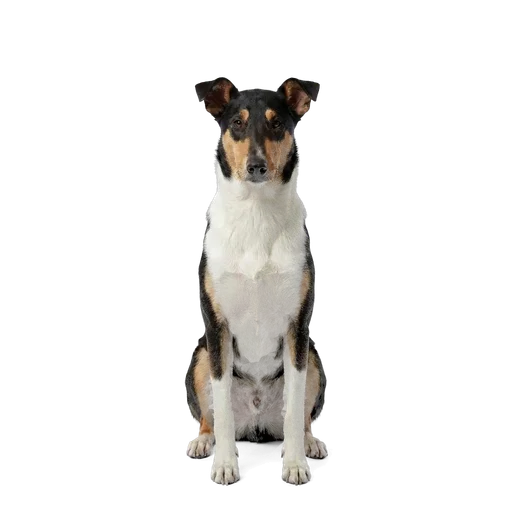
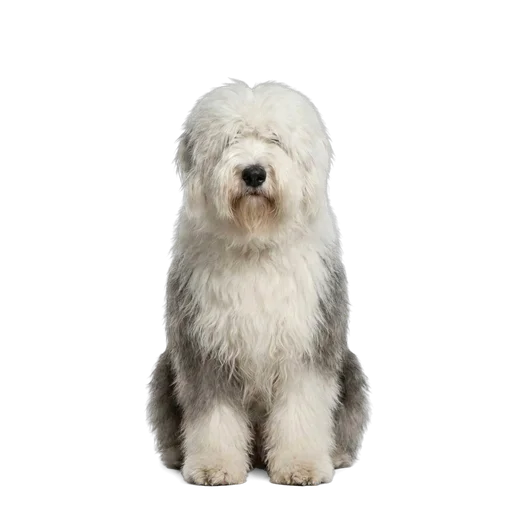
Deciding between similar breeds? Here is the Rough Collie next to Smooth Collie and Old English Sheepdog.
| Rough Collie | Smooth Collie | Old English Sheepdog | |
|---|---|---|---|
| Size | Large | Large | Large |
| Weight | 20-34 kg | 20-34 kg | 27-45 kg |
| Lifespan | 12-14 yrs | 12-14 yrs | 10-12 yrs |
| Activity | Moderate | Moderate | Moderate |
| Shedding | High | High | High |
| Good with kids | Yes | Yes | Yes |
| Apartment-friendly | No | No | No |
Frequently asked questions
Are Rough Collies good family dogs?
Yes. They are gentle, patient and strongly bonded to their people, which makes them a classic family breed. They tend to be careful around children and often appoint themselves as quiet supervisors. As with any dog, supervise young kids and teach them to handle the dog kindly, since Collies are sensitive to rough treatment.
What is MDR1 and why does it matter for Collies?
MDR1 is a gene mutation common in Collies that affects how the body handles certain drugs. Affected dogs can react severely, sometimes fatally, to normal doses of some wormers, sedatives and other medications. A simple DNA test reveals your dog's status. Get it done, put it on the vet record, and remind any vet before sedation, anaesthesia or a new medication.
How much grooming does a Rough Collie need?
A lot. Plan on brushing at least two or three times a week, and daily during the heavy spring and autumn molts. The long double coat mats behind the ears, on the legs and around the rear if it is neglected. Never shave the coat, as it protects against both heat and cold and may not regrow properly.
How much exercise does a Rough Collie need?
They are moderately active, not extreme. A good hour or so of walking a day plus some mental work like training games or scent tasks keeps them happy. They are herders at heart, so they enjoy having a job. Without enough stimulation they get anxious and bark more.
Do Rough Collies bark a lot?
They can. Collies are alert, watchful and vocal by nature, and they will announce visitors, other animals and unusual noises. Early socialization and enough daily exercise and mental work keep the barking within reason. A bored, under-exercised Collie is usually the noisiest one.
Related breeds
Health and care information is drawn from established veterinary sources and is general guidance, not veterinary advice. See our sources
Keep records for your Rough Collie
Vaccinations, food and treat safety, allergy alerts and parasite reminders - all tracked for your Rough Collie in the Pethls app.