

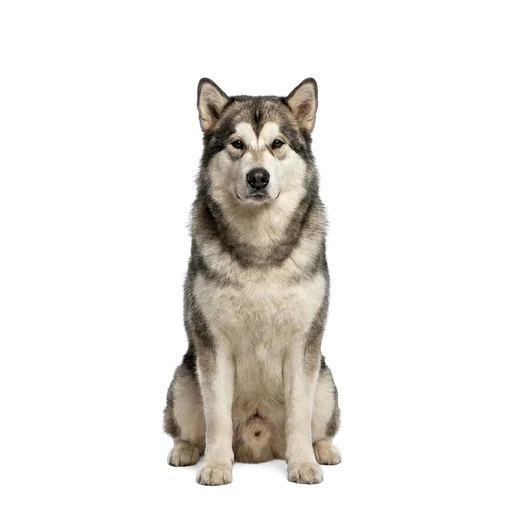
Origin: United States
Alaskan Malamute
Get reminders for your Alaskan Malamute's vaccines
Vaccination and parasite reminders, food-safety scans and health records — free to start in the Pethls app.


Good for
The Alaskan Malamute is the largest and one of the oldest of the Arctic sled dogs, bred by the Mahlemut people of Alaska to haul heavy freight over long distances in brutal cold. That heritage produced a powerful, hard-working dog with tremendous stamina and an independent streak. Malamutes are affectionate and friendly with their people, but they are strong, stubborn, and carry a high prey drive that makes them a demanding dog to own. They need firm, patient training, a great deal of exercise, and an owner who has done their homework. Get those pieces right and the Malamute is a loyal, good-natured, and endlessly capable companion.
Temperament & personality
Malamutes are friendly, affectionate dogs that generally love people, including children, and greet most visitors as friends rather than threats. That warmth does not make them easy, though. Bred to work independently in a team, the Malamute is intelligent but stubborn, and it will happily ignore a command it sees no reason to follow. This is a dog that tests boundaries and needs an owner who sets clear, consistent rules from day one.
The breed carries a strong prey drive and can be dog-aggressive, especially with dogs of the same sex, so many Malamutes do not share a home peacefully with other dogs or with cats and small animals. Early and ongoing socialization helps, but the instinct runs deep. Secure fencing is a must, because Malamutes are notorious diggers and determined escape artists when bored or under-exercised.
Above all, this is a working dog that needs a job and a serious amount of physical activity. A Malamute that does not get enough exercise becomes destructive, vocal, and frustrated. They are not suited to first-time owners or to anyone hoping for an easygoing pet. With firm, reward-based training and plenty of outlets for their energy, they are devoted and rewarding, but they demand experience and commitment.
Vaccination schedule
Alaskan Malamute puppies receive the core DHPP vaccine, which protects against distemper, hepatitis (adenovirus), parvovirus, and parainfluenza. The series starts at 6 to 8 weeks, with boosters every 3 to 4 weeks until the puppy is at least 16 weeks old. The final dose in that window matters, because antibodies from the mother can block earlier vaccines from working fully.
Rabies is given once between 12 and 16 weeks, timed to local law, and then boostered at about one year and every one to three years after that depending on where you live. Keeping vaccination dates recorded makes future boarding, travel, and vet visits far simpler.
Leptospirosis is now a core vaccine recommended for every dog, given as a 2-dose puppy series followed by an annual booster, unlike the every-1-to-3-year DHPP and rabies boosters. Depending on lifestyle and region, your vet may also add non-core vaccines such as Bordetella or canine influenza. An active Malamute that hikes near water, lives rurally, or contacts wildlife faces higher leptospirosis exposure, which is part of why the annual booster matters, and one that boards or mixes with other dogs may benefit from the kennel cough vaccine in particular. Your vet will match the full plan to your dog's exposure and local disease risk.
Best food & diet
As a large, high-energy working breed, the Malamute needs a nutrient-dense, complete diet built around a quality named protein. An actively working or heavily exercised dog burns considerable calories, but a pet Malamute living a quieter life can gain weight quickly, so portions must match real activity rather than the breed's reputation. Split the daily ration into two meals for most adults, with large-breed puppy food supporting controlled growth in the first year.
Some Malamutes react to particular ingredients, with salmon, beef, and chicken among possible triggers, alongside environmental allergens like grass pollen and dust mites. If your dog shows recurring itching, ear trouble, or digestive upset, a vet-guided elimination diet is the dependable way to identify a food culprit. Introduce any new food gradually over a week or two to avoid stomach upset.
Zinc-responsive dermatosis, a skin condition tied to how the dog absorbs or uses zinc, is one Malamute-specific reason diet matters here. If your dog develops crusty skin lesions despite a good diet, mention zinc to your vet, since supplementation under supervision can resolve it. Because Malamutes are deep-chested, avoid hard exercise right after eating to lower the risk of bloat.
Common health problems
Like many large breeds, Malamutes can develop hip dysplasia. Choosing puppies from hip-screened parents and keeping your dog lean and well-muscled lowers the risk. Hypothyroidism is another to watch for and can cause weight gain, low energy, and coat changes; it is easy to diagnose with a blood test and manage with a daily tablet. Cataracts, which cloud the lens and can impair vision, make regular eye checks a sensible habit.
Two inherited conditions are worth raising with your breeder. Chondrodysplasia, a form of dwarfism, causes abnormal cartilage and bone growth, and responsible breeders screen for it. Polyneuropathy, an inherited nerve disorder, can cause weakness, an unusual gait, and exercise intolerance. Both are reasons to buy only from breeders who test their lines.
Zinc-responsive dermatosis rounds out the breed's notable issues, showing up as crusty, scaling skin around the face, feet, and pressure points; the diet section covers how zinc supplementation helps. Most of these conditions are far more manageable when caught early, so regular veterinary checkups and prompt attention to changes in movement, skin, or energy are the best protection.
Allergies & skin
The Malamute's heavy double coat protects it from the cold but can also mask skin trouble, so regular grooming doubles as a skin inspection. Food ingredients such as salmon, beef, and chicken can trigger allergies in some dogs, showing up as itching, ear infections, or paw licking. Environmental allergens including grass pollen and dust mites can add a seasonal or year-round itch on top.
This breed has one skin issue that stands apart: zinc-responsive dermatosis. Unlike an ordinary allergy, it stems from how the dog handles zinc and produces crusty, scaling patches typically around the muzzle, eyes, ears, and feet. It will not respond to allergy treatment alone, so any crusty lesions that persist despite good care should be shown to your vet, who can test for it and prescribe zinc supplementation if needed.
For run-of-the-mill allergies, management starts with strict flea control to rule out parasites, then a vet-guided look at diet and environment. Keep the coat clean and fully dried after baths or wet weather to avoid hot spots developing under the dense fur, and use each grooming session to check for redness, scaling, or thinning hair.
Flea, tick & worm prevention
A Malamute needs year-round flea and tick prevention, and the thick double coat makes it especially important, since parasites are hard to find in such heavy fur. Monthly or extended-release products, given as a chew or a spot-on, keep infestations from establishing and cut the risk of tick-borne disease in regions where ticks are active. Check the coat by hand after hikes in long grass or wooded areas.
Internal worming covers roundworms, hookworms, tapeworms, and whipworms. Puppies are wormed often in their first weeks, and adults continue on a schedule your vet recommends, commonly every 3 months. Where heartworm is present, a monthly preventive is essential, because heartworm disease is far easier to prevent than to treat.
Because these treatments are dosed by body weight, and Malamutes are large dogs typically weighing 34 to 39 kg, always match the product to your dog's current weight. Re-weigh growing puppies before each dose and never guess by splitting a large-dog product. A combined flea, tick, and worm product can simplify the routine, and your vet can suggest one suited to your area.
Medications & dosing
Medication for a Malamute is dosed by body weight, and accurate weighing is the basis of safe dosing. Adults usually weigh between 34 and 39 kg, but puppies and lighter individuals must be dosed to their actual weight, not that range. Whether it is a parasite preventive, an antibiotic, or pain relief, the correct amount depends on an up-to-date weight, so weigh growing puppies before each dose and confirm adult weights before repeat treatments.
Do not give human medications on your own. Common painkillers such as ibuprofen and paracetamol are toxic to dogs, and even veterinary anti-inflammatories require the right dose and monitoring. If your Malamute is being treated for a condition like hypothyroidism or a skin disorder, always follow the vet's dosing exactly and complete the full course even if your dog looks better sooner.
For inherited or chronic conditions such as polyneuropathy or zinc-responsive dermatosis, treatment is guided by your vet and may involve long-term supplementation or medication with periodic rechecks. Keep a simple record of what your dog takes and when, and never adjust a dose or stop a prescribed medication without checking with your vet first.
Grooming & coat care
The Malamute has a thick, coarse double coat: a dense, oily, weather-resistant outer layer over a woolly undercoat that can be one to two inches deep. For most of the year, brushing two or three times a week keeps the coat healthy, removes dead hair, and lets you check the skin underneath. The breed stays fairly clean and odor-free, so bathing is only needed every couple of months or when the dog gets genuinely dirty.
Twice a year the Malamute blows its undercoat, shedding heavily over several weeks. During these periods, daily brushing with an undercoat rake is the only way to keep up with the volume of loose fur and to stop the undercoat from packing into mats near the skin. Between sheds the coat is more manageable, though this is always a heavy-shedding breed.
Never shave a Malamute except on veterinary advice, because the double coat regulates temperature in both heat and cold and shaving can damage how it grows back. Complete the routine with regular nail trims, since these are strong dogs that can do damage with overgrown claws, plus ear checks and tooth brushing. A grooming session is also a good moment to run your hands over the skin and note anything unusual.
How the Alaskan Malamute compares
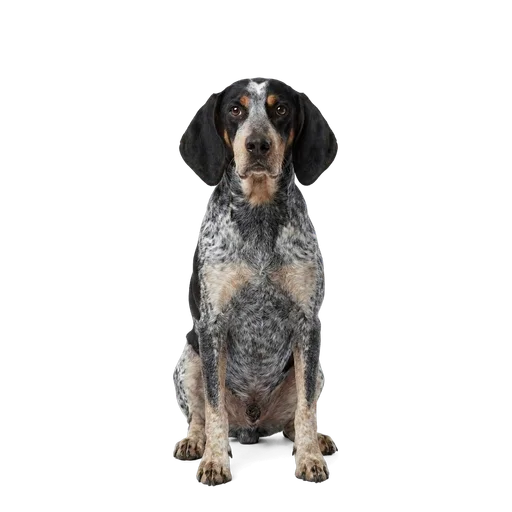
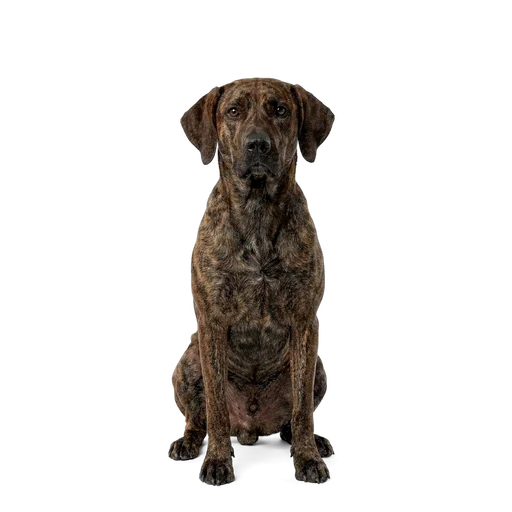
Deciding between similar breeds? Here is the Alaskan Malamute next to Bluetick Coonhound and Chesapeake Bay Retriever.
| Alaskan Malamute | Bluetick Coonhound | Chesapeake Bay Retriever | |
|---|---|---|---|
| Size | Large | Large | Large |
| Weight | 34-39 kg | 20-36 kg | 25-36 kg |
| Lifespan | 10-14 yrs | 11-12 yrs | 10-13 yrs |
| Activity | Active | Active | Active |
| Shedding | High | Medium | Medium |
| Good with kids | Yes | Yes | Yes |
| Apartment-friendly | No | No | No |
Frequently asked questions
Are Alaskan Malamutes good for first-time owners?
No. Malamutes are powerful, independent, and stubborn, with a high prey drive and huge exercise needs. They require firm, consistent training, secure fencing, and an experienced owner who can meet their physical and mental demands. Without that, they become bored, destructive, and hard to manage, so they suit seasoned dog owners best.
Do Alaskan Malamutes get along with other pets?
Often not. Malamutes have a strong prey drive and can be dog-aggressive, particularly toward dogs of the same sex, and many are not safe with cats or small animals. Early socialization helps but rarely removes the instinct. A lot of Malamutes do best as the only pet, and multi-pet homes need careful management.
How much exercise does an Alaskan Malamute need?
A great deal. Bred to haul heavy loads over long distances, Malamutes have huge stamina and need vigorous daily exercise plus mental stimulation. Long walks, running, hiking, or activities like carting suit them well. An under-exercised Malamute typically digs, escapes, howls, and becomes destructive, so they need an active owner.
What health problems do Alaskan Malamutes have?
Common concerns include hip dysplasia, chondrodysplasia (a form of dwarfism), inherited polyneuropathy, hypothyroidism, cataracts, and zinc-responsive dermatosis, a breed-linked skin condition. Buying from a breeder who screens their lines and keeping up with regular vet checks gives the best chance of catching these early.
How much do Alaskan Malamutes shed?
Heavily. The thick double coat sheds year round and blows out completely twice a year over several weeks. Expect brushing two or three times a week most of the year and daily brushing during the seasonal coat blows. Malamutes should not be shaved and are not hypoallergenic.
Related breeds

Health and care information is drawn from established veterinary sources and is general guidance, not veterinary advice. See our sources
Keep records for your Alaskan Malamute
Vaccinations, food and treat safety, allergy alerts and parasite reminders - all tracked for your Alaskan Malamute in the Pethls app.