

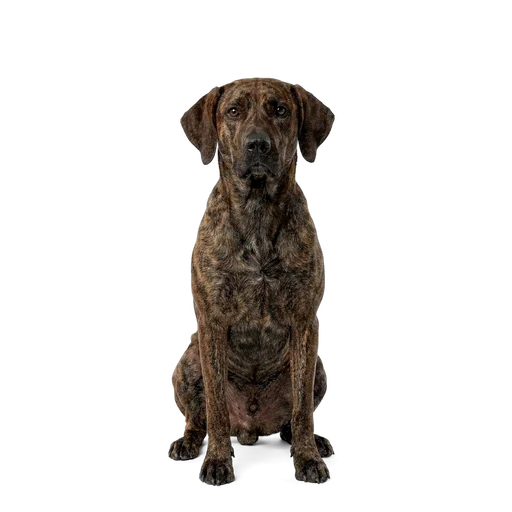
Origin: United States
Plott Hound
Get reminders for your Plott Hound's vaccines
Vaccination and parasite reminders, food-safety scans and health records — free to start in the Pethls app.


Good for
The Plott Hound is North Carolina's state dog and the odd one out among American coonhounds: it descends not from English foxhounds but from a handful of Hanoverian scenthounds (Hanover blood-tracking hounds) that a German immigrant, Johannes Georg Plott, brought to North Carolina around 1750. Bred for generations to bay black bear and wild boar, the Plott is fearless, athletic and strikingly brindle-coated, weighing roughly 18 to 27 kg and living 12 to 14 years. It is more protective and watchful than its coonhound cousins, loyal to its family and reserved with strangers. This is a rugged, low-maintenance dog physically, but it needs an active owner, a secure fence and a job for that big-game engine.
Temperament & personality
Plotts have the boldest temperament in the coonhound family. Generations of standing up to bear and boar shaped a dog that does not rattle easily: confident, gritty and genuinely brave. With their own family they are loyal to the bone, often bonding hardest to one person, and most are good with the children of their household, though their intense play style suits sturdy kids better than toddlers. Unlike the more indiscriminately friendly Redbone or Bluetick, a Plott is naturally watchful of strangers and makes a genuine watchdog, announcing visitors with a sharp, high-pitched chop bark quite different from the classic bawl.
That protective streak means early, generous socialization is not optional. Expose a Plott puppy to varied people, places, dogs and situations through the first year so its natural suspicion matures into discernment rather than reactivity. Same-sex dog aggression and general dog-selectiveness can show up more than in other coonhounds, a legacy of pack hunts where assertiveness was rewarded, so introductions to new dogs are worth managing carefully. Small pets like cats are a gamble; some Plotts raised with them coexist, but a strong prey drive does not switch off for a fleeing rabbit.
Energy and independence complete the picture. A Plott can hunt rough mountain terrain all day, and a pet Plott without an outlet becomes loud, destructive and hard to live with. These dogs are intelligent problem-solvers but were bred to work at a distance from humans and make their own decisions, so training requires consistency, fairness and patience. The nose rules here as in all scent hounds: leash or fence, always, because a Plott on a hot trail hears nothing you say.
Vaccination schedule
Plott puppies follow the standard core protocol. The DHPP combination, protecting against distemper, hepatitis (adenovirus), parvovirus and parainfluenza, starts at 6 to 8 weeks and repeats every 3 to 4 weeks until at least 16 weeks of age, usually three or four doses in total. The last dose in the series is critical, since lingering maternal antibodies can neutralize earlier shots. Keep the puppy off public dog ground until one to two weeks past that final vaccine.
Rabies is required by law, with the first vaccine between 12 and 16 weeks, a booster at one year, then every one to three years depending on your state and the licensed vaccine. For a mountain hound whose historical job involves close contact with wildlife, from raccoons to feral hogs, current rabies protection carries more than legal weight.
Adult Plotts need DHPP boosters at one year and then every one to three years per your vet's guidance. Leptospirosis is now a core vaccine recommended for every dog, given as a two-dose puppy series and then an annual booster, unlike the every-one-to-three-years DHPP schedule; that yearly booster matters even more for a hound drinking from creeks and working wet ground, essentially every hunting Plott. Beyond the core vaccines, discuss non-core options against your dog's real lifestyle: Bordetella and canine influenza matter for dogs that board or run in groups, and the Lyme vaccine is worth discussing anywhere Appalachian ticks are thick. Keep a written record of dose dates so boosters never lapse across a busy hunting season.
Best food & diet
Feed the Plott like the lean athlete it is. Puppies should eat a large-breed puppy formula so calcium and calories stay controlled while the frame grows; slow, even growth is one of your best defenses against hip dysplasia later. Adults at pet-level activity do well on a quality maintenance diet of around 22 to 26 percent protein fed in measured portions. A Plott hunting hard in mountain country burns enormous calories and may need a performance formula through the season, dropped back to maintenance in the off months before weight creeps up.
Bloat is the headline dietary risk in this breed, and it calls for specific feeding habits. The Plott's deep, narrow chest is exactly the build in which the stomach can fill with gas and twist, a rapidly fatal emergency. Split the daily ration into two or three smaller meals, never one big feed. Keep at least an hour between food and vigorous exercise, use a slow-feeder bowl for fast eaters, and discourage gulping large volumes of water immediately after exertion. If your Plott is having any abdominal surgery anyway, ask the vet about a preventive gastropexy.
Weight management is straightforward with this breed if you stay honest. Plotts carry little natural padding, and you should always feel ribs easily and see a clear waist. Weigh the food, cap treats at 10 percent of calories, and adjust seasonally, since a hunting dog's winter needs and summer needs are not the same. Extra kilos on a Plott stress the hips and drain the stamina the breed exists for.
Common health problems
The Plott is a rugged breed, shaped for two and a half centuries by mountain work that weeded out weakness, and many individuals see the vet only for routine care across a 12 to 14 year life. The health conversation for this breed really comes down to two significant conditions plus the usual hound housekeeping.
Hip dysplasia is the first. This inherited hip malformation grinds toward arthritis, showing early as bunny-hopping or reluctance to jump and later as stiffness after rest. It matters doubly in a dog whose whole purpose is athleticism over steep ground. Buy from breeders with OFA or PennHIP clearances on both parents, feed for slow growth, and keep the adult lean. Managed early with weight control, muscle-building exercise and vet-guided pain relief when needed, most dysplastic dogs stay active for years.
Gastric dilatation-volvulus, or bloat, is the second and the scariest. The deep-chested Plott is a textbook at-risk build. The stomach distends with gas and rotates, cutting off blood supply, and without surgery within hours the dog dies. Memorize the signs: unproductive retching, a tight or visibly swelling belly, sudden restlessness, drooling and pain. Any combination means an emergency clinic immediately, at any hour. Prevention is the feeding discipline described above, split meals and no exercise around food, plus considering prophylactic gastropexy.
Beyond those two, expect ordinary hound issues. The hanging ears need monitoring for otitis, though the Plott's ears are shorter than a Bluetick's and cause somewhat less trouble. Working dogs collect field injuries, cut pads, torn dewclaws and briar scrapes, so post-hunt checks are part of ownership. Tick-borne diseases are an occupational hazard addressed in the prevention section. That is genuinely most of the list; this is one of the sounder breeds you can choose.
Allergies & skin
The Plott's short brindle coat sits close to the skin and sheds only lightly to moderately, but the breed is not hypoallergenic. Dander and saliva proteins, not hair length, drive human allergies, and Plotts produce their normal share. Allergic households should spend time with adult Plotts before committing, ideally including time indoors where dander accumulates.
The dogs themselves have tough, weather-resistant skin, and a few Plotts carry the rare rough double coat, a largely historical variant, but the great majority are short and smooth-coated. Allergies still occur: environmental atopy appears as paw licking, belly rashes, hot spots and recurrent ear flare-ups, typically worsening seasonally. If itching becomes a pattern rather than an incident, involve the vet early, because chronic scratching breaks the skin barrier and invites secondary infections that are harder to clear than the original allergy. Food allergies are uncommon but real, diagnosed only through a strict 8 to 12 week elimination diet rather than by switching store brands.
Field exposure is the bigger everyday skin issue for this breed. Plotts push through laurel thickets and briar tangles that shred lesser coats, and even their armor misses spots: check ear tips, muzzle, armpits, groin and between the toes after every hunt for cuts, embedded seeds and ticks. Clean minor wounds with dilute antiseptic and watch them for a few days; anything deep, gaping or near a joint gets a vet visit. Flea allergy dermatitis rounds out the list, one more reason the year-round flea control this breed needs anyway also protects the skin.
Flea, tick & worm prevention
No breed makes the case for year-round tick prevention like a bear hound. Plotts work the brushy ridges, laurel slicks and creek drainages of Appalachia, some of the densest tick habitat in North America, and a single mountain outing can load a dog with ticks carrying ehrlichiosis, Rocky Mountain spotted fever, Lyme disease or anaplasmosis. Winter is no amnesty; adult black-legged ticks are active on any day above freezing, so prevention runs all twelve months without exception.
Choose a modern preventive with your vet: monthly oral isoxazoline chews are popular with hunting households because they cannot rub off in brush or wash off in creeks, while long-acting collars and topicals suit others. Whatever you pick, pair it with a physical tick check after every outing, working through the coat with your fingers and paying special attention to ears, eyelids, lips, armpits, groin and toes. Brindle coats hide ticks well, so be thorough. Remove attached ticks with fine-pointed tweezers, gripping at the skin and pulling straight out, and note the date in case symptoms follow. Ask about the Lyme vaccine if you are in an endemic zone.
Worm control is the quieter half of the program. Give heartworm prevention every month of the year, no seasonal gaps, with an annual heartworm test; treatment for an established infection is long, expensive and hard on the dog. Plotts that nose through carrion, wallows and wildlife scat face constant intestinal parasite exposure, so use a monthly product that also covers roundworms and hookworms and run fecal exams once or twice a year. Puppies are dewormed every two weeks from 2 to 8 weeks old, then monthly until 6 months. Write the schedule down once and set a reminder on your phone so nothing slips.
Medications & dosing
Dose every medication by your Plott's actual, current weight, under veterinary direction. The breed runs roughly 18 to 27 kg, lighter than it looks under all that muscle, and owners who guess by eye routinely overshoot. Weigh the dog before starting anything new and before each purchase of flea, tick and heartworm products, which are sold in weight bands that only protect when matched correctly. A hunting Plott's weight can swing noticeably between season and off-season, so recheck rather than assume.
Keep human drugs away from the dog entirely. Ibuprofen and naproxen cause gastric ulcers and kidney damage in dogs, and acetaminophen should never be given without a vet's direction. When a hard hunt leaves your Plott sore, or when dysplastic hips start aching in middle age, the vet has canine-licensed NSAIDs that are dosed to the kilogram and monitored with periodic bloodwork, plus adjuncts like omega-3 fatty acids and joint support. That pathway works; the medicine cabinet shortcut ends in emergency visits.
Two breed-specific cautions. First, never medicate a suspected bloat at home; simethicone, waiting or walking it off all burn the hours that surgery needs, so go straight to the clinic. Second, working dogs often carry multiple concurrent products, heartworm preventive, tick control, maybe an NSAID after injury, and interactions matter, so keep one complete, current medication list written down and show it at every appointment, including emergency visits where history saves time and mistakes.
Grooming & coat care
The Plott may be the lowest-maintenance coat in the hound group. The short, smooth brindle jacket, in rare cases a heavier rough double coat, needs one weekly pass with a hound glove or rubber curry to lift dead hair and distribute oils. Shedding is light to moderate, among the lightest of the coonhounds, with a modest uptick in spring and fall. Baths are needed only every couple of months or after a genuinely dirty outing, and the breed carries less of the classic hound odor than its cousins. Ten minutes a week covers the coat.
Ears still need real attention, as with any drop-eared hound, though the Plott's shorter, higher-set ears ventilate better than a Bluetick's and give proportionally less trouble. Check inside weekly for redness, odor, discharge or wax buildup, and clean with a vet-approved ear solution every one to two weeks and after any swim. Massage the cleaner in at the base of the ear, allow the shake, wipe out the loosened debris with cotton wool, and never insert cotton buds into the canal. Catching otitis at the itchy-and-pink stage instead of the smelly-and-swollen stage is the whole game.
The rest is basic upkeep with a working-dog twist. Trim nails every three to four weeks; a Plott scrambling over rock wears them unevenly rather than short. Brush teeth several times weekly with dog toothpaste. And after every hunt or serious hike, run a full-body check: paw pads for cuts and cracks, toes for lodged seeds and stones, ears and armpits for ticks, and the brindle coat parted in a few places to inspect the skin beneath. Mountain hounds hide injuries behind grit, so your hands will find what the dog will not show.
How the Plott Hound compares
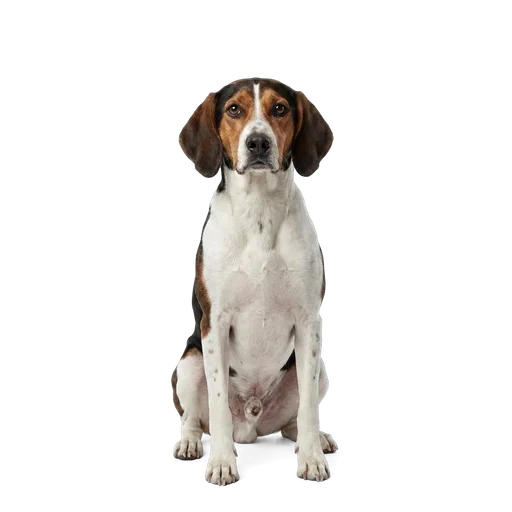
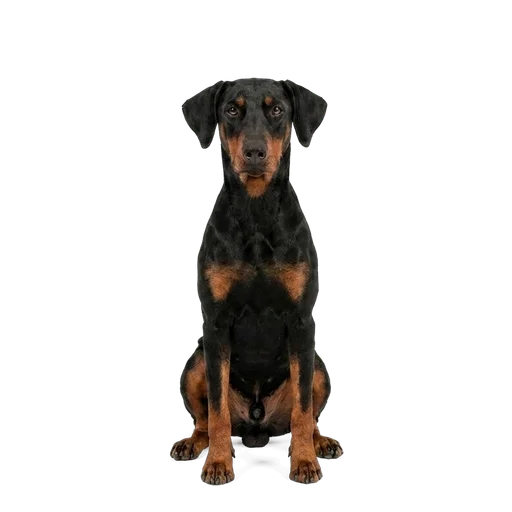
Deciding between similar breeds? Here is the Plott Hound next to Treeing Walker Coonhound and Doberman Pinscher.
| Plott Hound | Treeing Walker Coonhound | Doberman Pinscher | |
|---|---|---|---|
| Size | Large | Large | Large |
| Weight | 18-27 kg | 20-32 kg | 30-45 kg |
| Lifespan | 12-14 yrs | 12-13 yrs | 10-13 yrs |
| Activity | Active | Active | Active |
| Shedding | Medium | Medium | Medium |
| Good with kids | Yes | Yes | Yes |
| Apartment-friendly | No | No | No |
Frequently asked questions
What makes the Plott Hound different from other coonhounds?
Ancestry and attitude. Every other American coonhound descends from English foxhounds; the Plott descends from German scenthounds brought to North Carolina around 1750 and was bred to bay bear and wild boar, not just tree raccoons. The result is a more protective, more intense dog with a sharp chop bark instead of a pure bawl, stronger watchdog instincts and a fearless streak the raccoon specialists never needed. It has been North Carolina's official state dog since 1989.
Are Plott Hounds good family dogs?
For the right family, yes. Plotts are deeply loyal, generally good with the children they live with, and calmer indoors than their reputation suggests once exercised. But they need an active owner providing an hour or more of daily work, a secure fence, and early socialization to manage their natural wariness of strangers. They can be selective with unfamiliar dogs and are risky around cats. First-time or sedentary owners should look elsewhere.
What is bloat and why is it a big deal for Plott Hounds?
Bloat, formally gastric dilatation-volvulus, is when the stomach fills with gas and twists, cutting off its own blood supply. The Plott's deep, narrow chest puts it at elevated risk, and untreated cases are fatal within hours. Prevention means splitting food into two or three meals daily, keeping an hour between eating and exercise, and slowing fast eaters. Unproductive retching, a swelling tight belly and sudden distress mean an emergency vet immediately.
How much exercise does a Plott Hound need?
Plan on 60 to 120 minutes daily, and make some of it count. Plotts were built to hunt rough mountain terrain all day, so a stroll around the block barely registers. Combine brisk leash mileage or running with fenced free play and scent work such as tracking or food searches. Hiking is this breed's natural hobby. Skimp on exercise and the Plott converts the surplus into barking, digging and remodeled furniture.
Do Plott Hounds shed much?
Less than most hounds. The short brindle coat sheds lightly to moderately year round with small seasonal peaks, and a weekly session with a rubber curry brush keeps loose hair well controlled. Grooming overall is minimal: occasional baths, monthly nail trims and routine tooth brushing. The one non-negotiable is ear care, since like all drop-eared hounds the Plott needs weekly ear checks and regular cleaning to stay ahead of infections.
Related breeds
Health and care information is drawn from established veterinary sources and is general guidance, not veterinary advice. See our sources
Keep records for your Plott Hound
Vaccinations, food and treat safety, allergy alerts and parasite reminders - all tracked for your Plott Hound in the Pethls app.