

Origin: Turkey
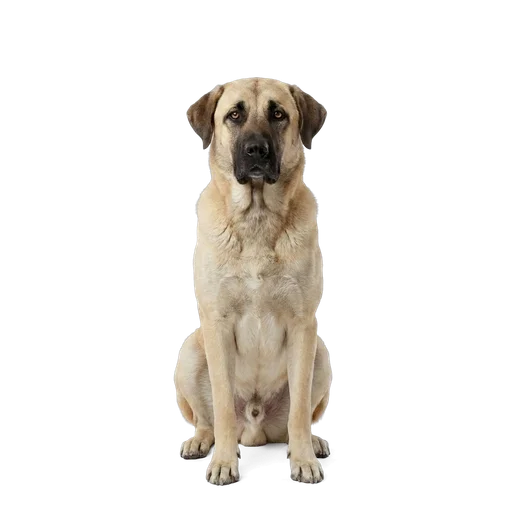
Anatolian Shepherd
Get reminders for your Anatolian Shepherd's vaccines
Vaccination and parasite reminders, food-safety scans and health records — free to start in the Pethls app.


Good for
The Anatolian Shepherd is a giant livestock guardian from Turkey, bred over centuries to live alongside flocks and fend off predators such as wolves and jackals without a shepherd standing over it. Adults run from 40 to 68kg of muscle, bone, and quiet confidence. This is a calm, watchful, deeply independent dog, devoted to its own family but naturally reserved and territorial with outsiders. It thinks for itself, which is exactly what the job demanded, and that makes it a poor fit for first-time owners or apartment life. Give it space, a secure fence, and an experienced hand, and you have a steady, loyal protector.
Temperament & personality
Everything about the Anatolian's character traces back to its work. A guardian dog had to stay calm for hours, assess threats on its own, and act decisively without waiting for a command. The result is a dog that is placid and unhurried at home but capable of switching to full protective mode in a heartbeat. It watches, it patrols, and it takes its territory seriously.
That independence is not stubbornness for its own sake, but it does mean the breed does not live to please the way a retriever might. Training works best when it is early, patient, and built on mutual respect rather than repetition drills. An Anatolian will decide whether your request makes sense. Harsh methods backfire badly with a dog this powerful and self-assured.
With its own family the Anatolian is affectionate, gentle, and protective, and it usually does well with children it has grown up with. Strangers are a different matter: expect wariness and a strong guarding instinct. Thorough socialization from puppyhood is what separates a discerning guardian from an over-reactive one. Secure fencing is essential, because this dog will patrol and defend well beyond your intended boundary if allowed.
Vaccination schedule
Anatolian puppies follow the same core vaccine schedule as any breed, starting around 6 to 8 weeks with DHPP, which protects against distemper, hepatitis (adenovirus), parvovirus, and parainfluenza. Boosters continue every 3 to 4 weeks until roughly 16 weeks of age, so the puppy is covered as maternal immunity wears off.
Rabies is given between 12 and 16 weeks depending on local law, then boosted along with DHPP at about one year of age. After that, DHPP is typically repeated every 3 years, while rabies boosters follow the 1- or 3-year interval set by your local law and the vaccine used.
For a working guardian dog that lives outdoors and may encounter wildlife, livestock, and standing water, talk to your vet about non-core vaccines. Leptospirosis is a real consideration for dogs with rural exposure, and Bordetella or canine influenza may be advised depending on contact with other dogs. The plan should reflect how and where your Anatolian actually lives.
Best food & diet
Giant breeds have special dietary needs, and the most important one starts in puppyhood. Anatolian puppies must be fed a large-breed puppy formula, which is specifically balanced to slow their growth to a steady, controlled rate. Feeding a regular puppy or adult food that grows them too fast raises the risk of serious joint and bone problems later.
Adult Anatolians eat less than you would expect for a dog this large, because they are efficient, low-to-moderate energy dogs rather than high-burning athletes. Feed a quality large-breed adult food and portion to keep the dog lean; carrying extra weight is hard on giant-breed joints and shortens lives. Your vet can help you set the right amount as the dog matures.
Bloat, or gastric dilatation-volvulus, is worth being aware of in deep-chested giant breeds, so how you feed matters as much as what. Split the daily ration into two meals rather than one large feeding, avoid heavy exercise right before and after eating, and do not let the dog gulp a huge volume of water at once. Learn the signs of bloat, covered below, because it is a life-threatening emergency.
Common health problems
Anatolian Shepherds are a relatively healthy, primitive breed, but their size brings orthopedic concerns. Hip dysplasia and elbow dysplasia are both seen, where the joints form imperfectly and lead to arthritis and lameness over time. Reputable breeders screen breeding dogs with hip and elbow scoring, and keeping puppies lean and slow-growing reduces the risk of both developing.
Entropion is an eyelid condition where the lid rolls inward and the lashes rub against the eye, causing pain, irritation, and eventually damage if left alone. It is usually correctable with minor surgery. Hypothyroidism, an underactive thyroid, also turns up in the breed and can cause weight gain, lethargy, and coat changes; it is easily managed with a daily tablet once diagnosed by a blood test.
One condition to know about is bloat/GDV, where the stomach fills with gas and can twist on itself. This is a fast-moving emergency that kills within hours without surgery. Signs include a swollen or hard belly, unproductive retching, restlessness, drooling, and collapse; if you see them, go to an emergency vet immediately.
Allergies & skin
The Anatolian's short-to-medium double coat is fairly weatherproof and low-drama compared with many breeds, and serious skin disease is not a hallmark of the breed. Even then, any dog can sometimes develop environmental allergies to pollen, grasses, or dust, and a working dog that spends its days outdoors has plenty of exposure to potential triggers.
Watch for the usual signs of allergic skin: itching, paw licking, redness in the folds and armpits, and recurring ear infections. Because these dogs are stoic and independent, they may not make a fuss, so it falls to you to check the skin during grooming and after time in fields or brush. Catching irritation early keeps it from becoming a deeper problem.
Food sensitivities are less common but possible, showing up as itchy skin or loose stools. If your vet suspects one, an elimination diet trial helps identify the offending ingredient. For environmental allergies, management with your vet's guidance, plus omega-3 supplements and good coat hygiene, usually keeps things under control.
Flea, tick & worm prevention
An outdoor guardian dog in rural or farm settings faces heavy parasite exposure, so year-round flea and tick prevention is important. Ticks in particular are a concern for a dog patrolling fields and woodland edges, and they carry diseases that can make a dog seriously ill. Your vet will recommend a product dosed to your Anatolian's substantial weight, whether a chew, a spot-on, or a collar.
Worming covers intestinal parasites like roundworms, hookworms, whipworms, and tapeworms. Puppies are wormed frequently in the early months, then adults are treated on a schedule set by your vet according to exposure. A farm dog around livestock and wildlife generally needs more regular worming than a house pet, and tapeworm risk rises with hunting or scavenging.
Heartworm prevention, given monthly, protects against a mosquito-borne parasite that is much easier to prevent than to treat. Because this breed lives so much of its life outdoors, check the coat thoroughly for ticks after patrols, paying attention to the ears, neck, and between the toes, and remove any you find promptly.
Medications & dosing
All medication for an Anatolian is dosed by body weight, and with a dog this large those numbers get significant. Always dose to your dog's current, accurate weight rather than an estimate, and remember that a giant-breed puppy gains weight fast, so preventive doses need updating regularly through the first year or two.
Because doses scale with such a large frame, the margin for error is smallest with a dog this size, so keep the weight you give your vet current.
Never give human painkillers such as ibuprofen or paracetamol, which are toxic to dogs. If your Anatolian needs pain relief or any prescription, use only what your vet provides at the dose they specify, finish the full course, and keep a record of what the dog is taking. When something seems off, call the clinic rather than adjusting a dose yourself.
Grooming & coat care
Grooming an Anatolian is refreshingly straightforward for such a big dog. The short-to-medium double coat needs only weekly brushing most of the year to remove loose hair and keep it healthy. There is no clipping, stripping, or fussy trimming involved, which suits the breed's practical, working nature.
The exception is shedding, which is heavy. Anatolians blow their thick undercoat seasonally, usually twice a year, and during those weeks the volume of fur is genuinely impressive for such a low-maintenance coat. Brushing daily through a shed, with an undercoat rake or de-shedding tool, keeps the worst of it off your floors and helps the new coat come through cleanly.
Bathe only occasionally, when the dog is actually dirty, since frequent bathing strips protective oils from a coat built to handle the outdoors. Round out care with regular nail trims, especially for a dog that does not wear its nails down on soft ground, plus routine ear checks and tooth brushing. Check the eyes too, given the breed's tendency toward entropion.
How the Anatolian Shepherd compares
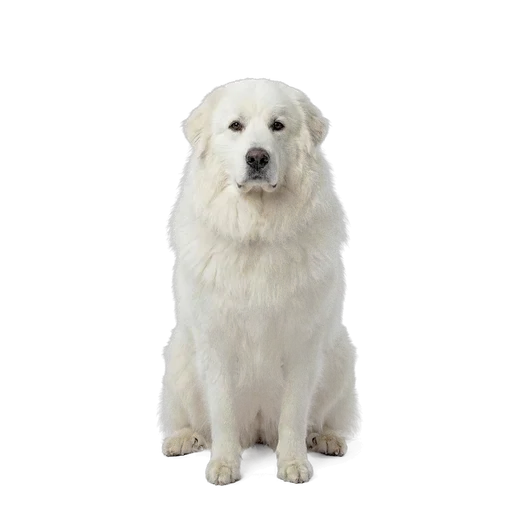
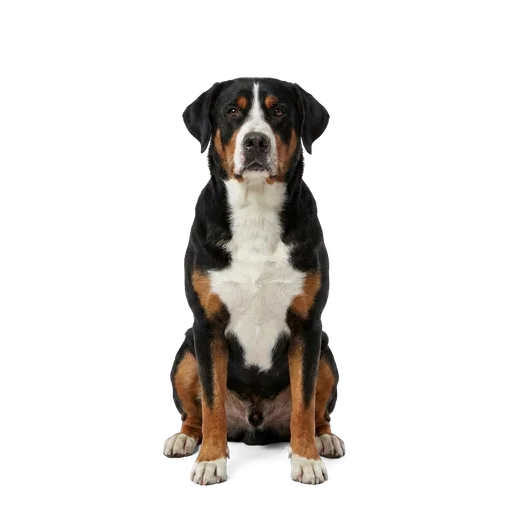
Deciding between similar breeds? Here is the Anatolian Shepherd next to Great Pyrenees and Greater Swiss Mountain Dog.
| Anatolian Shepherd | Great Pyrenees | Greater Swiss Mountain Dog | |
|---|---|---|---|
| Size | Large | Large | Large |
| Weight | 40-68 kg | 39-73 kg | 39-64 kg |
| Lifespan | 11-13 yrs | 10-12 yrs | 8-11 yrs |
| Activity | Calm | Calm | Calm |
| Shedding | High | High | High |
| Good with kids | Yes | Yes | Yes |
| Apartment-friendly | No | No | No |
Frequently asked questions
Are Anatolian Shepherds good for first-time owners?
No. This is an independent, powerful, territorial guardian breed that needs an experienced owner who understands its instincts and can earn its respect through calm, consistent handling. Their size, wariness of strangers, and self-directed nature make them a poor choice for beginners.
Can an Anatolian Shepherd live in an apartment?
No. These giant guardian dogs need space, a securely fenced yard, and room to patrol. They are unsuited to apartment living and can become frustrated and problematic without adequate space and a sense of territory to watch over.
Are Anatolian Shepherds aggressive?
They are protective and territorial rather than indiscriminately aggressive. With their own family they are calm and affectionate, but they are naturally reserved and suspicious of strangers. Early, thorough socialization is essential to raise a discerning guardian rather than an over-reactive one.
Why does anesthesia matter for this breed?
There is no breed-specific anesthetic sensitivity recorded for Anatolian Shepherds, but every dog benefits from careful planning. Before any surgery, dental cleaning, or sedated procedure, give your vet your dog's exact weight and full health history so they can choose and dose the drugs safely.
How much exercise does an Anatolian Shepherd need?
Less high-intensity exercise than you might expect for the size. They are calm, low-to-moderate energy dogs happiest with daily walks and a large secure space to patrol on their own terms, rather than demanding runs or intense play sessions.
Related breeds
Health and care information is drawn from established veterinary sources and is general guidance, not veterinary advice. See our sources
Keep records for your Anatolian Shepherd
Vaccinations, food and treat safety, allergy alerts and parasite reminders - all tracked for your Anatolian Shepherd in the Pethls app.