

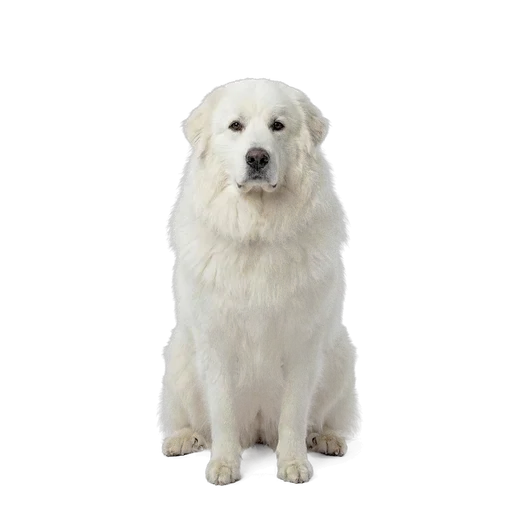
Origin: France
Great Pyrenees
Get reminders for your Great Pyrenees's vaccines
Vaccination and parasite reminders, food-safety scans and health records — free to start in the Pethls app.


Good for
The Great Pyrenees is a livestock guardian from the mountains between France and Spain, bred to live out with flocks and drive off wolves and bears. Centuries of that work shaped a dog that is calm, patient, and deeply independent, with a thick white coat built to weather cold nights on an exposed slope. At home they are gentle and affectionate with their people, but they think for themselves, guard by instinct, and bark to warn off anything they judge a threat, especially after dark. This is a rewarding dog for the right owner and a difficult one for the wrong situation, so it pays to understand the guardian mind before bringing one home.
Temperament & personality
Everything about the Great Pyrenees traces back to guardian work. Left alone with a flock, these dogs had to assess threats and act without a handler, so independence is not a training flaw; it is the whole design. A Pyr will consider your command, decide whether it agrees, and comply on its own terms. That makes them intelligent but frustrating for anyone expecting the eager obedience of a retriever.
With their own family they are gentle, affectionate, and notably patient, which extends to children and to other animals they have been raised to protect. Many Pyrs are wonderful with kids, cats, and livestock. The flip side of that protectiveness is wariness of strangers, so thorough early socialization is essential to keep the guarding sensible rather than reactive.
For a guardian, the barking is the job. Guardians bark to announce and deter, and they do it most at night when predators historically moved. A Great Pyrenees in a suburban yard will bark at cars, wildlife, neighbors, and shadows, and this is one of the most common reasons they are rehomed. Owners need a plan: bring the dog in at night, manage the environment, and accept that some barking is simply the breed.
The roaming instinct is equally strong. A guardian expands and patrols its territory, so an unfenced Pyr will wander off to check the perimeter of a much larger area than you intend. A secure, tall fence is not a nicety for this breed; it is a requirement, and many Pyrs treat off-leash recall as optional.
Vaccination schedule
Great Pyrenees puppies follow the standard core vaccine schedule. The DHPP combination (distemper, hepatitis/adenovirus, parvovirus, parainfluenza) starts at 6 to 8 weeks and repeats every 3 to 4 weeks until the puppy is at least 16 weeks old. Completing the full series is what builds reliable protection against parvovirus and distemper.
Rabies goes in once between 12 and 16 weeks, with a booster at one year and then every 1 to 3 years depending on local law. Your vet will set the schedule to match regional requirements.
For a dog that spends real time outdoors, discuss non-core vaccines carefully. Leptospirosis is worth considering for a Pyr working or roaming around livestock, wildlife, and standing water. Bordetella is standard for any dog that boards or mixes with others regularly.
As with all breeds, the vaccine dose is fixed regardless of size, so a giant Pyrenees puppy gets the same volume as a small dog. Body weight becomes important later for anesthesia and drug dosing, so keep a running weight record from puppyhood on.
Best food & diet
Feed a Great Pyrenees puppy a large-breed or giant-breed puppy formula. The controlled calcium and calorie levels in these diets slow the growth rate on purpose, which protects joints from the developmental problems that come from a giant puppy growing too fast. Regular puppy food is too calorie-dense for a breed that will reach this size.
Interestingly, Pyrs are often lighter eaters than their size suggests, a holdover from a breed built to work and survive on modest rations in the mountains. Do not panic if yours seems to eat less than you expect. Body condition is the real guide: keep ribs easily felt, and let your vet body-score the dog at checkups rather than fixating on the amount in the bowl.
Because the breed is deep-chested and at risk of bloat, feeding routine matters. Split the daily food into two meals rather than one, keep the dog calm for an hour before and after eating, and discourage rapid gulping. A raised or slowed feeder can help a fast eater take in less air.
Adults do well on a quality large-breed maintenance diet with calories matched to a fairly low activity level, since a mature Pyr is calm and can gain weight easily. Beef, chicken, dairy, and wheat are the common triggers in the breed. If you see itching or digestive trouble, run an elimination diet with your vet to pin down which ingredient is at fault.
Common health problems
Hip and elbow dysplasia head the list of orthopedic concerns, appearing as stiffness, limping, or a reluctance to move on hard days. Screening of the parents plus a giant-breed puppy diet and a lean adult weight give the best odds of a sound dog.
Bloat, or gastric dilatation-volvulus, is the emergency every deep-chested giant owner must recognize: a distended belly, unproductive retching, restlessness, and drooling mean an immediate vet trip, because a twisted stomach is fatal within hours. Learn the signs and locate your nearest emergency clinic in advance, and ask your vet whether a preventive gastropexy makes sense.
Osteosarcoma, an aggressive bone cancer, occurs more often in giant breeds and typically shows as persistent lameness or a firm swelling on a leg. Any limp that does not resolve deserves prompt investigation rather than a wait-and-see approach, since early detection matters with bone tumors.
The breed also carries a specific neurological concern, neuronal degeneration, an inherited condition seen in some lines that affects young dogs and shows as weakness and coordination problems. It is uncommon, but it is a reason to buy from a breeder who knows their lines and health history. Overall the Great Pyrenees is a fairly long-lived giant, often reaching 10 to 12 years with good care.
Allergies & skin
Great Pyrenees may develop food and environmental allergies alike. On the food side, beef, chicken, dairy, and wheat are the usual triggers. Canine allergy tends to show as itching, chewed feet, recurrent ear infections, and irritated skin rather than sneezing, so those signs are the signal to work through an elimination diet with your vet.
Dust mites and grass pollen are the common environmental triggers. Itching that worsens indoors points toward dust mites, while itching that flares seasonally in spring and summer points toward grass pollen rather than a food cause. Washing bedding in hot water, vacuuming regularly, and keeping the dog's resting spots clean all reduce exposure, and routine bathing helps clear allergens from that heavy coat.
The dense white double coat needs airflow to the skin. Matted or perpetually damp fur traps moisture and leads to hot spots, those raw patches that flare and spread once the dog starts licking. A Pyr that spends time outdoors in wet grass or mud should be dried and brushed out so the skin underneath stays healthy, with particular attention to the feathering on the legs and behind the ears.
Check the skin during grooming for redness, scabs, or a yeasty smell, and do not let a hot spot go. On a coat this thick, problems hide until they are advanced, so any persistent irritation or infected ear is worth a vet visit rather than home treatment.
Flea, tick & worm prevention
A Great Pyrenees that patrols a yard or works around livestock has high parasite exposure, so year-round prevention is essential, dosed to the dog's body weight. Adults are large, commonly around 40 to 55kg, so confirm your product's weight band actually covers a dog that size rather than assuming a standard large-dog dose is enough.
Fleas drive itching and can cause flea-allergy dermatitis, and ticks transmit Lyme and other regional diseases, a real risk for a dog spending long hours outdoors in grass and brush. Monthly or quarterly preventives handle both. Tick checks are extra work on a Pyr because the thick white coat hides them, so run your fingers down to the skin around the ears, neck, and legs after time outside.
Worming covers intestinal parasites (roundworm, hookworm, tapeworm, whipworm) plus heartworm, which mosquitoes spread and which is far cheaper and safer to prevent than to treat. Puppies are wormed every 2 to 3 weeks until about 12 weeks old, then move to an adult schedule set by your vet.
Because outdoor and livestock-guarding dogs contact wildlife and their parasites more than a house dog does, tell your vet how and where your Pyr spends its time so the coverage fits. A single combination product for fleas, ticks, and worms keeps the routine simple across a big outdoor dog's year.
Medications & dosing
Safe medication for a giant breed starts with an accurate, up-to-date body weight, since nearly all drugs are dosed per kilogram. Guessing the weight of a dog this large can put a dose well off target, so have the vet weigh the dog and keep the number current. The thick coat can also make a Pyr look heavier or lighter than it really is, which is another reason to rely on the scale.
Do not use human painkillers. Ibuprofen and paracetamol are toxic to dogs. For pain, arthritis, or injury, the vet prescribes canine anti-inflammatories dosed to weight, and dogs on long-term medication need periodic bloodwork to monitor liver and kidney health.
As with any giant breed, anesthesia and sedation must be dosed precisely to an accurate body weight, so have any surgery or dental work handled by a team experienced with large dogs.
Keep a simple written log of medications, doses, and dates, and follow the vet's directions exactly rather than estimating for such a large dog. Finish antibiotic courses in full even after the dog seems recovered, and never adjust a dose on your own without checking first.
Grooming & coat care
The Great Pyrenees wears a thick white double coat that sheds heavily, with two big seasonal blowouts a year on top of steady daily shedding. Brush two or three times a week most of the year, moving to daily during the shed, using a slicker brush and an undercoat rake to clear the dense underlayer. The coat is surprisingly self-cleaning and repels a fair amount of dirt, but it still needs consistent work to prevent mats.
Do not shave a Pyrenees. The double coat insulates against heat as well as cold and protects the skin from sun, so shaving it off removes that protection and the coat often grows back poorly. Instead, manage heat through brushing out the undercoat, shade, and water. Focus mat prevention on the feathering behind the ears, the britches, and the tail, where tangles form fastest.
Many Great Pyrenees have double dewclaws on the hind legs, a breed hallmark. These extra nails do not touch the ground and so do not wear down, so check and trim them regularly along with the rest of the nails to keep them from curling into the skin.
Bathe only every couple of months or when genuinely dirty, since over-bathing strips the coat's protective oils and dulls that clean white look. Dry thoroughly down to the skin afterward. Round out the routine with weekly ear checks and regular tooth brushing, and get the dog used to handling young, since grooming an independent-minded giant that dislikes being fussed with is a real challenge later on.
How the Great Pyrenees compares
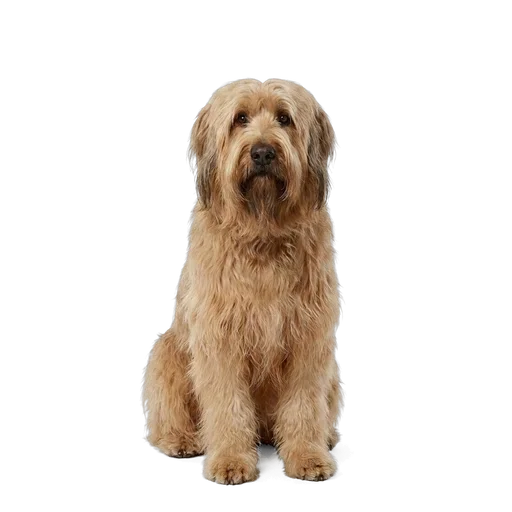
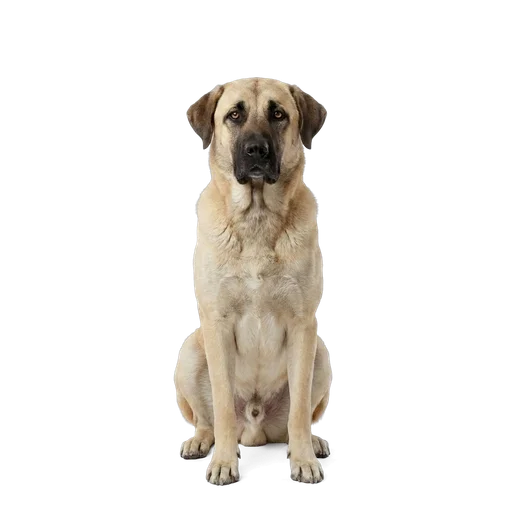
Deciding between similar breeds? Here is the Great Pyrenees next to Briard and Anatolian Shepherd.
| Great Pyrenees | Briard | Anatolian Shepherd | |
|---|---|---|---|
| Size | Large | Large | Large |
| Weight | 39-73 kg | 25-45 kg | 40-68 kg |
| Lifespan | 10-12 yrs | 10-12 yrs | 11-13 yrs |
| Activity | Calm | Active | Calm |
| Shedding | High | Low | High |
| Good with kids | Yes | Yes | Yes |
| Apartment-friendly | No | No | No |
Frequently asked questions
Why do Great Pyrenees bark so much at night?
Nighttime barking is the guardian instinct at work. Bred to protect flocks from predators that moved after dark, these dogs bark to announce and deter anything they judge a threat. It is deeply hardwired, not a training failure, and it is one of the top reasons Pyrs are surrendered. The realistic approach is to bring the dog indoors at night, manage the environment, and accept that some barking comes with the breed.
Can a Great Pyrenees be let off leash?
Rarely, and for most owners the honest answer is no. The breed has a strong roaming and territorial instinct and treats recall as a suggestion, so an off-leash Pyr may wander far to patrol. A tall, secure fence is essential, and off-leash freedom should be limited to fully enclosed areas. This independence is a core guardian trait, not a lack of intelligence.
Are Great Pyrenees good family dogs?
For the right family, yes. They are gentle, patient, and affectionate with their own people, and often excellent with children and other pets they have been raised alongside. The catch is that they need a house with a secure yard, tolerance for barking and shedding, and an owner who understands independent guardian behavior. They are not a good fit for apartments or for first-time owners.
Should I shave my Great Pyrenees in summer?
No. The double coat insulates against heat as much as cold and shields the skin from sun, so shaving removes that protection and the coat can grow back damaged. Manage warm weather by brushing out the undercoat thoroughly, providing shade and cool water, and exercising in the cooler parts of the day instead.
How long do Great Pyrenees live?
Around 10 to 12 years, which is relatively long for a giant breed. You improve the odds of a healthy life by feeding a giant-breed diet during growth, keeping the adult lean, screening for hip and joint problems, knowing the signs of bloat, and buying from a breeder who tests their lines for inherited conditions.
Related breeds
Health and care information is drawn from established veterinary sources and is general guidance, not veterinary advice. See our sources
Keep records for your Great Pyrenees
Vaccinations, food and treat safety, allergy alerts and parasite reminders - all tracked for your Great Pyrenees in the Pethls app.