


Origin: France
Dogue de Bordeaux
Get reminders for your Dogue de Bordeaux's vaccines
Vaccination and parasite reminders, food-safety scans and health records — free to start in the Pethls app.


Good for
The Dogue de Bordeaux is the massive-headed French Mastiff most people recognize from the film Turner and Hooch. Behind that famously wrinkled, brooding face sits a dog who is calm, deeply loyal and openly affectionate with the people it lives for. This is a natural guardian, wary of strangers and quick to place itself between family and anything it doesn't trust, but rarely hot-headed about it. Owners should know two things going in: the breed drools, and it is one of the shortest-lived of all dogs, with many reaching only 5 to 8 years. It fits an experienced home that wants a devoted, low-energy giant and understands the health commitment that comes with the size.
Temperament & personality
At home the Dogue de Bordeaux is a gentle, sensitive dog that wants to be near its people constantly. It leans on legs, follows from room to room, and forms a very tight bond with the whole family, children included. Despite the intimidating build, most are patient and steady with kids they have grown up alongside. The flip side is separation stress; a Dogue left alone for long stretches tends to become anxious and destructive.
The guarding instinct is real and switches on early. This breed is naturally suspicious of strangers and territorial about its property, so calm, consistent socialization from puppyhood is not optional. You want a dog that reads situations well, not one that reacts to every visitor. Introduce it to different people, dogs, sounds and places while it is young and still a manageable size.
They are intelligent but stubborn, and they respond to a confident, fair handler rather than harsh correction. Same-sex dog aggression and a strong prey drive mean many Dogues do best as the only dog, or at least away from unfamiliar animals. This is not a beginner's breed. A 60kg dog that decides it disagrees with you is a serious management problem, which is why experienced ownership matters here.
Vaccination schedule
Puppies start their core vaccine series around 6 to 8 weeks of age with DHPP, which protects against distemper, hepatitis (adenovirus), parvovirus and parainfluenza. Boosters follow every 2 to 4 weeks until roughly 16 weeks old, because maternal antibodies can otherwise block an early dose from taking. Your vet sets the exact dates based on the puppy's age and how its maternal antibodies are fading.
Rabies is given as a separate core vaccine, usually at 12 to 16 weeks, then boosted at one year and afterward every 1 to 3 years depending on the vaccine used and local law. Keep the paperwork; travel, boarding and licensing all ask for proof.
Leptospirosis is now recommended as a core vaccine for all dogs. It needs a 2-dose puppy series and then an annual booster, unlike the every-3-years DHPP core boosters, and the risk is higher for dogs that walk in areas with wildlife and standing water. Non-core vaccines are chosen by lifestyle and region. Bordetella (kennel cough) and canine influenza are common recommendations for dogs that socialize or board. Talk through your Dogue's real exposure with the vet rather than defaulting to every shot on the menu.
Best food & diet
During the first 18 to 24 months, feed a large or giant-breed puppy formula. This is one of the most important choices you make for a Dogue de Bordeaux. Growth food built for giant breeds keeps calcium, phosphorus and calories controlled so the puppy grows slowly and steadily, which protects developing joints. Rich adult or standard puppy food pushes them to grow too fast and worsens hip and elbow problems down the line.
As adults they eat a lot but are not high-energy dogs, so calories add up quickly and weight creeps on. Keep this breed lean; every extra kilogram loads already-vulnerable joints and a heart that is prone to disease. Feed measured meals against a body-condition score rather than free-feeding, and split the daily ration into two meals.
Like many deep-chested giant breeds, a Dogue de Bordeaux can run into bloat and gastric torsion, so feeding routine is worth getting right. As a sensible precaution, use two or three smaller meals instead of one large one, avoid heavy exercise for an hour before and after eating, and don't let a hot, panting dog gulp a big bowl of water at once. Ask your vet whether a preventive stomach tacking (gastropexy) makes sense, often done at the same time as spay or neuter.
Common health problems
The Dogue de Bordeaux is a lot of dog packed into a short lifespan, and prospective owners deserve an honest picture. Hip and elbow dysplasia are common; responsible breeders screen parents and score their joints before breeding. Signs include stiffness, a bunny-hopping gait or reluctance to rise, and early diagnosis gives you the most options.
Heart disease is a leading concern. Dilated cardiomyopathy, where the heart muscle weakens and enlarges, and aortic stenosis, a narrowing of the outflow from the heart, both appear in the breed. Annual vet checks with heart auscultation, and cardiac ultrasound when indicated, help catch these early. Coughing, tiring quickly or fainting are red flags that need same-day attention.
The breed's relatively short muzzle makes it moderately brachycephalic, so heat and heavy breathing are genuine risks. These dogs overheat fast and cannot cool themselves as efficiently as a longer-nosed breed, so hot weather, humidity and hard exercise are dangerous. Bloat (gastric dilatation-volvulus) is something to watch for in any large, deep-chested dog, and it is a surgical emergency. A swollen belly, unproductive retching and restlessness mean the vet, right now. The shortened lifespan is tied to this cluster of heart, joint and heat problems, which is why screening and lean body weight matter so much.
Allergies & skin
Those deep facial folds and the heavy jowls are part of the breed's charm and part of its maintenance. Wrinkles trap moisture, food, drool and bacteria, and left alone they can develop skin fold dermatitis, red, sore, smelly skin down in the creases. Wipe the folds out several times a week with a soft damp cloth or a vet-approved wipe, then dry them thoroughly. Damp skin is what causes trouble.
Beyond the folds, the breed may develop environmental and food allergies that show up as itchy skin, recurrent ear infections and licking at the paws. If you see a persistent pattern, work with your vet on an approach rather than swapping foods at random; a proper diet trial or allergy workup saves months of guessing.
Check the ears and the eyes as part of the same routine, since the loose skin around the face can affect both. Any hot spot, raw patch or foul odor from a fold or an ear is worth a vet visit before it turns into a deeper infection.
Flea, tick & worm prevention
Every dog needs year-round flea and tick control, and a Dogue de Bordeaux is no exception. Fleas cause itching and can trigger allergic skin flare-ups, while ticks carry serious diseases like Lyme and ehrlichiosis. Use a vet-recommended product, either a monthly chewable or a topical, and dose it strictly to your dog's current weight; on a fast-growing giant that number changes often, so recheck it.
Worming covers intestinal parasites, roundworms, hookworms, whipworms and tapeworms, which puppies especially pick up. Puppies are typically wormed every 2 weeks until 12 weeks old, then monthly to 6 months, then on a schedule your vet sets for the adult dog. Many owners find a combined parasite product simplest.
Heartworm prevention is separate and important, since heartworm is spread by mosquitoes and is far cheaper to prevent than to treat. Your vet will usually confirm a clear heartworm test before starting or restarting a preventive. Keep every product on schedule; a missed month is a real gap in protection.
Medications & dosing
With a dog this large, medication dosing is always weight-based, and the weight can be substantial, so never split a small dog's tablet or guess. Everything from a wormer to pain relief is calculated on kilograms, and the difference between a correct and an incorrect dose is meaningful in a giant breed. Keep an up-to-date weight for your vet.
Never give human medications without veterinary direction. Common painkillers such as ibuprofen and paracetamol are toxic to dogs, and even canine anti-inflammatories need a vet's oversight because of the breed's heart and organ risks. If your Dogue is on cardiac medication, give it exactly as prescribed and don't stop suddenly.
Because this is a moderately brachycephalic giant breed, always tell the vet or clinic that you have a Dogue de Bordeaux before any sedation or anesthesia so they can plan appropriately. Keep a simple written list of current medications, doses and dates, it makes emergency care faster and safer.
Grooming & coat care
The coat itself is the easy part. The Dogue de Bordeaux has a short, fine single coat that needs only a weekly once-over with a rubber curry brush or a hound glove to lift loose hair and spread skin oils. Shedding is moderate; you will find hair around, just not in the drifts a double-coated breed produces. A bath every month or two, or when the dog gets genuinely dirty, is plenty.
The real work is the face. Clean the wrinkles and jowls several times a week, keep them dry, and wipe away the drool that collects in the folds and around the mouth. This breed drools, and there is no fixing that. Keep a towel handy and clean the lip folds so they don't sour.
Round out the routine with the basics that big dogs often skip: trim the nails every few weeks since heavy dogs get sore feet with long nails, brush the teeth regularly, and check the ears weekly for wax or odor. Introduce all of this in puppyhood, because grooming a cooperative 60kg adult is a very different job from wrestling one that never learned to stand still.
How the Dogue de Bordeaux compares
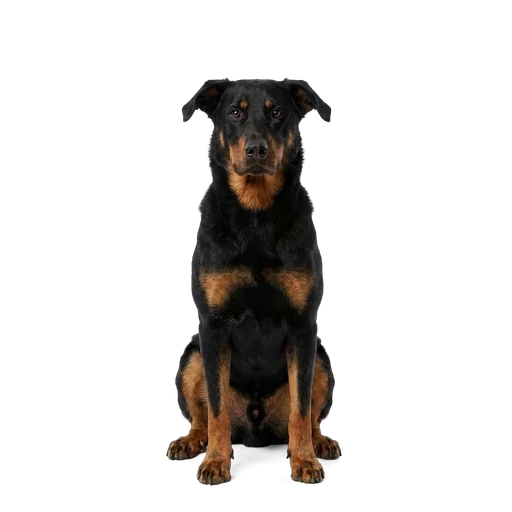
Deciding between similar breeds? Here is the Dogue de Bordeaux next to Beauceron and Bullmastiff.
| Dogue de Bordeaux | Beauceron | Bullmastiff | |
|---|---|---|---|
| Size | Large | Large | Large |
| Weight | 45-65 kg | 32-50 kg | 45-59 kg |
| Lifespan | 5-8 yrs | 10-12 yrs | 7-9 yrs |
| Activity | Calm | Active | Moderate |
| Shedding | Medium | Medium | Medium |
| Good with kids | Yes | Yes | Yes |
| Apartment-friendly | No | No | Yes |
Frequently asked questions
Are Dogue de Bordeaux good family dogs?
Yes, with the right family. They are calm, affectionate and devoted to their people, and generally patient with children they have grown up with. They bond hard and want to be part of everything. Because of the size, strength and guarding instinct, they suit experienced owners and homes where an adult can supervise interactions with young kids and visitors.
Why do Dogue de Bordeaux have such short lifespans?
Many live only 5 to 8 years, among the shortest of any breed. It comes down to a cluster of health problems tied to the giant size and build: heart disease like dilated cardiomyopathy and aortic stenosis, joint problems, heat sensitivity from the short muzzle, and bloat. Buying from a breeder who screens for hips, elbows and heart, and keeping the dog lean, gives you the best shot at the higher end of that range.
Do Dogue de Bordeaux drool a lot?
Yes. The heavy jowls and loose lips mean drooling is part of the package, especially after drinking, eating or in warm weather. It is not something you can train away. Keep a towel by the water bowl, wipe the lip folds so they stay clean and dry, and accept that a shake of the head can send a rope of drool across the room.
How much exercise does a Dogue de Bordeaux need?
Less than their size might suggest. This is a calm, low-energy breed happy with a couple of moderate daily walks and some yard time. Avoid hard exercise in heat, since they overheat quickly, and go easy on growing puppies to protect their joints. Long jogs and intense play are not what this breed is built for.
Are Dogue de Bordeaux good for first-time owners?
Not really. They are stubborn, powerful and strongly protective, and a poorly socialized or under-managed Dogue is a serious handful at 45 to 65kg. They also carry heavy health and drooling considerations and a short lifespan that can be emotionally tough. They reward experienced owners who understand giant breeds and can commit to consistent training and veterinary care.
Related breeds

Health and care information is drawn from established veterinary sources and is general guidance, not veterinary advice. See our sources
Keep records for your Dogue de Bordeaux
Vaccinations, food and treat safety, allergy alerts and parasite reminders - all tracked for your Dogue de Bordeaux in the Pethls app.