


Origin: France
Briard
Get reminders for your Briard's vaccines
Vaccination and parasite reminders, food-safety scans and health records — free to start in the Pethls app.


Good for
The Briard is an old French sheepdog, bred for centuries to herd flocks by day and guard them from wolves by night. Shepherds called the breed a heart wrapped in fur, and the phrase still fits: deeply loyal, openly affectionate with its family, reserved and watchful around strangers. Under that long wavy coat sits a large, athletic dog of 25 to 45 kilograms with a typical lifespan of 10 to 12 years. This is a breed for experienced, active owners who can offer real work, early socialization and a serious grooming routine.
Temperament & personality
A Briard bonds hard. Centuries of working alone with a shepherd produced a dog that attaches to its people, follows them from room to room and takes a personal interest in everything the household does. With family, including children it has grown up with, the breed is gentle and playful. With strangers it is naturally aloof, and that guarding instinct needs to be shaped early. A Briard that meets plenty of new people, dogs and situations through the main socialization window, roughly up to sixteen weeks, and keeps meeting them into adulthood grows into a confident adult rather than a suspicious one.
The herding brain never switches off. Expect a dog that thinks independently, tests rules and gets bored with mindless repetition. Briards excel at herding trials, tracking, obedience and long hikes, and they genuinely need a job of some kind. An hour or more of proper daily exercise plus mental work keeps the breed civil indoors. Left under-stimulated in a small flat, the same dog becomes vocal, pushy and destructive.
Training works best with consistency and fairness. Briards remember harsh corrections for a long time and shut down under heavy-handed methods, yet they also take advantage of a wishy-washy handler. Set clear rules from puppyhood, reward generously and keep sessions short and varied. First-time owners usually find the combination of size, coat and independent mind more than they bargained for.
Vaccination schedule
Briard puppies follow the standard canine core schedule. The DHPP combination vaccine, covering distemper, hepatitis (adenovirus), parvovirus and parainfluenza, starts at six to eight weeks of age and repeats every three to four weeks until at least 16 weeks. Most puppies receive three or four doses in total. The series matters because maternal antibodies fade at different rates in different puppies, and only the later doses reliably take hold.
Rabies is given once between 12 and 16 weeks, depending on local law, with a booster one year later. After the first adult booster, DHPP and rabies typically move to a schedule of every one to three years based on the vaccine used and your vet's protocol. Keep records tidy: kennels, groomers and travel across borders all ask for proof.
Leptospirosis is now recommended as a core vaccine for all dogs, so plan on it for your Briard, and talk to your vet about non-core vaccines such as Bordetella and Lyme. Leptospirosis needs a two-dose puppy series followed by an annual booster, unlike the every-one-to-three-years core boosters, and a Briard that hikes, herds or swims in rural areas faces higher exposure that makes keeping that annual booster current especially important. Until the puppy series is complete, limit contact with unknown dogs and avoid heavily trafficked dog parks.
Best food & diet
Feed a complete large-breed diet matched to life stage. Briard puppies should eat a large-breed puppy formula with controlled calcium and moderate energy density; growing a 40 kilogram frame too fast is a known contributor to hip problems. Keep puppies lean enough that you can feel ribs easily, and resist the urge to bulk them up. Adults do well on a quality diet delivering roughly 20 to 26 percent protein, adjusted for workload.
Bloat is a sensible dietary precaution for any large dog, and the Briard is no exception. Split the ration into two or three meals rather than one large feed, avoid vigorous exercise for an hour before and after eating, and discourage frantic gulping with a slow-feeder bowl. Every owner of a big dog should know the signs of gastric dilatation-volvulus cold: unproductive retching, a swelling abdomen, restlessness and drooling mean an emergency drive to the clinic, not a wait-and-see evening.
Portion by body condition, not by the bag. A working Briard herding all day may need half again as many calories as a suburban companion of the same weight. Weigh the dog monthly through adolescence and twice a year in adulthood, and adjust. Fresh water always, and go easy on fatty table scraps that can trigger pancreatitis in any large dog.
Common health problems
The condition most specific to the breed is congenital stationary night blindness, an inherited retinal disease found almost exclusively in Briards. Affected dogs see poorly or not at all in dim light from an early age; daytime vision ranges from normal to significantly reduced. There is no treatment, but there is a reliable DNA test, so buy only from breeders who test both parents. Ask to see the certificates rather than taking a website's word for it.
Hip dysplasia appears in the breed at rates typical of large herding dogs. Malformed hip joints lead to laxity, then arthritis, stiffness after rest and reluctance to jump. Reputable breeders screen hips through schemes such as OFA or FCI scoring. Keeping the dog lean, avoiding forced running on hard ground during growth and building muscle through swimming or hill walking all reduce the odds of clinical trouble.
Hypothyroidism is the breed's common hormonal issue, usually surfacing in middle age. Watch for weight gain without extra food, a dull thinning coat, lethargy, cold intolerance and recurring skin infections. Diagnosis takes a blood panel, and treatment is a daily thyroid hormone tablet that most dogs live with comfortably for years. Beyond these breed-linked conditions, the Briard's size means the general large-breed precaution against gastric dilatation-volvulus applies, so a sensible plan emerges: annual vet checks, eye and hip certificates from the breeder, and quick action on any bloated, retching dog.
Allergies & skin
The Briard is not hypoallergenic. The coat sheds lightly for its size because loose hair tends to stay caught in the coarse outer coat until it is brushed out rather than dropping onto the floor. That reduces hair on the sofa, but allergy sufferers react to dander, saliva and skin proteins, which the breed produces like any other dog. Anyone with dog allergies should spend real time around adult Briards before committing.
Skin problems in the breed often trace back to two sources: the coat and the thyroid. A dense double coat that gets damp and stays damp is a perfect incubator for hot spots, especially behind the ears, under the collar and around the hindquarters. Dry the dog properly after swimming or rain, and part the coat to check the skin during weekly grooming. Recurrent skin infections in a middle-aged Briard justify a thyroid test, since hypothyroidism commonly shows up first in the skin and coat.
Environmental and food allergies occur at ordinary canine rates. Persistent paw licking, face rubbing, ear infections or belly rash deserve a proper workup with your vet rather than endless food switching. Flea allergy is the easiest form to prevent: one flea bite can set off weeks of itching in a sensitized dog, so year-round flea control is part of skin care, not an optional extra.
Flea, tick & worm prevention
That magnificent coat is a liability for parasite control. Fleas and ticks disappear into 15 centimetres of wavy hair, and by the time you spot them the infestation is established. Use a vet-recommended preventive year-round, either a monthly spot-on or a chewable isoxazoline product; chewables have the advantage of not being brushed off or diluted by bathing. After walks in tall grass or woodland, run your hands over ears, armpits, groin and between the toes, where ticks attach first.
Ticks in Europe carry Lyme disease, anaplasmosis, babesiosis and ehrlichiosis, and a herding or hiking Briard has more exposure than the average pet. Prompt removal matters: most tick-borne pathogens need many hours of attachment to transmit. Keep a tick hook in the grooming kit and learn to use it properly, following the tool's instructions to lift the tick out whole rather than squeezing it.
Worming follows the standard canine pattern. Puppies are treated every two weeks from two weeks of age until 12 weeks, then monthly to six months. Adults are dewormed or faecal-tested every three months, more often if the dog scavenges, hunts rodents or lives with small children. In heartworm regions, a monthly preventive prescribed by your vet is non-negotiable; ask about local risk, because heartworm range keeps expanding across Europe.
Medications & dosing
Every drug a Briard takes is dosed by body weight, and this breed spans a wide range, roughly 25 to 45 kilograms between a small female and a big male. A dose calculated for the breed average can be 40 percent off for your individual dog. Get an actual scale weight before any new prescription, and re-weigh adolescent dogs monthly, since a growing Briard can gain several kilograms between vet visits.
Never dose without veterinary direction. Common human painkillers such as ibuprofen and paracetamol are toxic to dogs at surprisingly small amounts, and even canine NSAIDs like carprofen or meloxicam need correct weight-based dosing plus periodic liver and kidney bloodwork during long-term arthritis treatment. If your Briard develops hypothyroidism, levothyroxine is likewise dosed to weight and then fine-tuned with follow-up blood tests until levels sit in the target range.
Two breed-relevant notes. First, the Briard is not among the herding breeds prone to the MDR1 drug-sensitivity mutation, but always confirm any new medication and dose with your vet. Second, keep the clinic's emergency number saved: as with any large dog, knowing where the nearest 24-hour surgical facility is can save the dog's life if bloat strikes. If your Briard is ever having other abdominal surgery, you can ask your vet whether a preventive gastropexy makes sense.
Grooming & coat care
Be honest with yourself before buying a Briard: the coat is a part-time job. The outer coat is long, dry and coarse, with the hard 'goat-hair' texture the breed standard calls for, backed by a fine undercoat, and it mats with enthusiasm anywhere friction occurs, behind the ears, in the armpits, under the collar and around the hindquarters. Plan on thorough brushing sessions two to three times a week, at least 30 to 45 minutes each, working line by line down to the skin with a pin brush and an undercoat rake. Surface brushing looks tidy for a day and hides felting mats underneath.
Shedding is low to medium because loose hair stays trapped in the coat instead of falling out, which is exactly why the brushing schedule cannot slip. Skip two weeks and you will be cutting mats out rather than brushing them out. Bathe every six to eight weeks or when genuinely dirty, and always brush before bathing, since water sets existing mats like concrete. A high-velocity dryer is a worthwhile investment for drying the undercoat fully.
The rest is routine but easy to forget under all that hair. Trim nails every three to four weeks, check and clean the ears weekly since the hairy ear canals trap moisture, and keep the hair between the paw pads trimmed so mud and ice do not ball up. Some owners keep the traditional head fall over the eyes; if you trim it, do so gradually, as the coat protects the eyes from sun and debris. Brushing teeth several times a week rounds out the routine, and a professional groom every couple of months helps owners who fall behind.
How the Briard compares
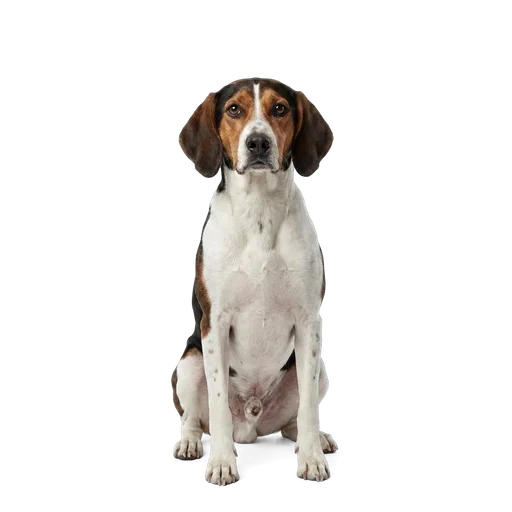
Deciding between similar breeds? Here is the Briard next to Standard Poodle and Treeing Walker Coonhound.
| Briard | Standard Poodle | Treeing Walker Coonhound | |
|---|---|---|---|
| Size | Large | Large | Large |
| Weight | 25-45 kg | 20-32 kg | 20-32 kg |
| Lifespan | 10-12 yrs | 12-15 yrs | 12-13 yrs |
| Activity | Active | Active | Active |
| Shedding | Low | Low | Medium |
| Good with kids | Yes | Yes | Yes |
| Apartment-friendly | No | Yes | No |
Frequently asked questions
Are Briards good family dogs?
With their own family, yes, and famously so. Briards are affectionate, playful and protective with the children they live with. The caveats are size, herding instinct and reserve toward strangers, so early socialization and supervision around visiting kids are essential. They suit active families with dog experience, not first-time owners.
How much grooming does a Briard need?
A lot. Plan on two to three thorough brushing sessions per week, 30 to 45 minutes each, working down to the skin to prevent mats. Add a bath every six to eight weeks, regular ear checks and nail trims. Owners who cannot commit to this schedule should choose a different breed or budget for frequent professional grooming.
What is congenital stationary night blindness in Briards?
It is an inherited retinal disease found almost only in Briards. Affected dogs see poorly or not at all in dim light from puppyhood, and some have reduced daytime vision too. There is no cure, but a DNA test identifies carriers, so responsible breeders test both parents. Always ask to see the results before buying a puppy.
Do Briards shed much?
Less than you would expect from the coat. Loose strands stay caught in the long, coarse coat until brushed out rather than dropping onto floors. The trade-off is that all that trapped hair mats quickly, so low shedding comes at the price of very high brushing needs. The breed is not hypoallergenic.
How much exercise does a Briard need?
At least an hour of real activity daily, plus mental work. These are herding dogs bred to move flocks all day, and they thrive on long walks, hikes, herding trials, tracking or obedience training. A bored, under-exercised Briard becomes vocal and destructive, so apartment life without a serious activity plan rarely works.
Related breeds

Health and care information is drawn from established veterinary sources and is general guidance, not veterinary advice. See our sources
Keep records for your Briard
Vaccinations, food and treat safety, allergy alerts and parasite reminders - all tracked for your Briard in the Pethls app.