

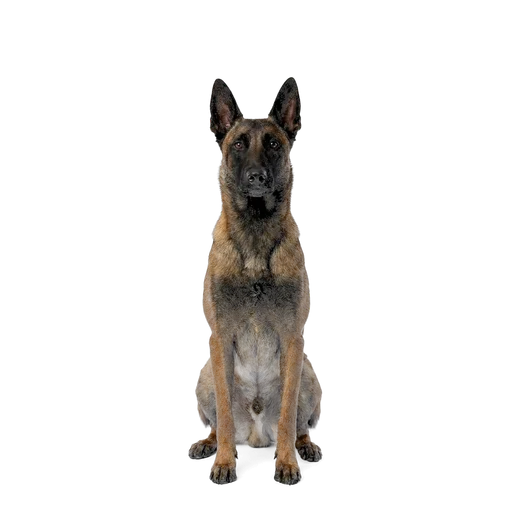
Origin: Belgium
Belgian Malinois
Get reminders for your Belgian Malinois's vaccines
Vaccination and parasite reminders, food-safety scans and health records — free to start in the Pethls app.


Good for
The Belgian Malinois is a serious working dog, the breed you see doing bite work with police units and deploying with military teams. It is a large herder, usually 20 to 36 kilograms, fawn to mahogany with a black mask, built lean and spring-loaded. Intelligence, drive, and stamina define this dog, and those same traits make it a poor match for most ordinary homes. A Malinois needs a real job, hours of training and exercise, and a handler who knows what they are doing. In the right hands it is superb, and in the wrong ones it becomes a frustrated, destructive, and sometimes dangerous animal.
Temperament & personality
Confident, sharp, and relentlessly driven is the honest summary. A Malinois wants to work, and if you do not give it a job it will invent one, usually something you dislike such as patrolling the fence line, herding the children, or chewing through the house. This is a dog that thinks constantly and needs that thinking channelled.
The bond with a Malinois is intense. They attach closely to their handler and thrive on training, which is genuinely enjoyable because they learn so fast. That intensity has a flip side: they can be wary of strangers, reactive to fast movement, and quick to escalate if under-stimulated or poorly socialized. Early, ongoing socialization is not optional with this breed.
This is not a casual pet, and it is not a good fit for flats, first-time owners, or busy families who want an easy dog. They can be good with children they are raised alongside, but their herding instinct means nipping at heels and their energy can overwhelm small kids. With other pets they range from tolerant to a real problem, since prey drive and same-sex tension are common. Be honest about how much time and structure you can give before taking one on.
Vaccination schedule
The core puppy course starts at 6 to 8 weeks with DHPP, protecting against distemper, hepatitis (adenovirus), parvovirus, and parainfluenza. Boosters run every 2 to 4 weeks until about 16 weeks, so protection holds once maternal antibodies wear off.
Rabies goes in as a single shot between 12 and 16 weeks depending on local rules, then a booster at one year. Core vaccines usually shift to a three-year interval after that, while your vet keeps the timing that fits your dog's exposure.
Leptospirosis is now a core vaccine recommended for every dog, given as a 2-dose puppy series and then an annual booster, unlike the three-year interval for the DHPP core boosters. Working and sporting Malinois may also need extra cover because of where they go. Kennel cough (Bordetella) and in some regions Lyme are worth discussing, since these dogs train in groups, travel to trials, and spend time in fields and water, exposure that raises the leptospirosis risk and makes the annual booster matter even more. If your dog works in law enforcement, detection, or protection sport, coordinate the vaccine plan with the demands of that role.
Best food & diet
A working Malinois burns serious fuel, so feed a high-quality food built for active dogs, with quality animal protein and enough fat to sustain the workload. The right amount swings a lot with activity: a dog doing daily protection training eats far more than one recovering from an injury, and you should adjust rather than feed a fixed scoop.
Use body condition as your guide. You want to feel the ribs easily with a visible waist, because carrying extra weight on this athletic frame stresses the joints the breed can already struggle with. Split the daily ration into two meals and keep fresh water available, especially around hard exercise in heat.
As with any active dog, avoid one large gulped meal and heavy exercise right after eating. Leave a gap of roughly an hour either side of a big feed before strenuous work. If you feed a performance or raw diet, get it balanced properly rather than assembled by guesswork.
Common health problems
The Malinois is a relatively hardy breed, but joints are a known weak point. Hip dysplasia and elbow dysplasia, where the joint forms poorly and wears painfully, can end a working career and cause lifelong lameness. Responsible breeders screen parents with hip and elbow scoring, so ask to see those results before buying a puppy.
Neurological conditions appear in the breed too. Epilepsy causes recurrent seizures, often starting in young adulthood, and while it can usually be managed with medication it needs veterinary diagnosis and monitoring. Progressive retinal atrophy slowly destroys the retina and leads to blindness, and it can be identified through DNA testing of breeding stock.
The condition most specific to this breed is centronuclear myopathy, an inherited muscle disease that causes weakness, exercise intolerance, and poor muscle development in affected pups. There is a DNA test for it, which is the reason it matters when choosing a breeder: two carriers should never be paired. A good line will be clear on all of hips, elbows, eyes, and the myopathy gene.
Allergies & skin
The short, straight double coat is low-fuss and mostly weatherproof, and serious skin disease is not a defining problem in the breed. Even so, individual dogs develop environmental allergies to pollen, dust mites, or grass, showing up as itchy paws, ear infections, and rubbing at the face.
Active outdoor dogs pick up contact irritation and minor skin injuries from the terrain they work on. Check the coat after training for grass seeds, cuts, and hitchhiking ticks, particularly between the toes and around the ears where problems hide. Prompt cleaning stops small nicks becoming infected hot spots.
Food allergy is possible but less common than the environmental kind. If you see persistent itching or recurring ear trouble, work through it with your vet rather than switching foods repeatedly on your own, since a structured elimination trial is the only reliable way to pin down a dietary cause.
Flea, tick & worm prevention
A dog that works in fields, woods, and long grass meets ticks constantly, so tick cover is a priority rather than an afterthought. Ticks transmit Lyme disease and other infections, and a hard-working Malinois can pick up several in a single session. Use a reliable monthly or longer-acting product and still run a hands-on tick check after outdoor work.
Flea control usually rides along with the tick product as a combined spot-on or oral chew. The oral options suit this breed since there is no residue to rub off during handling or bite work. Keep the whole household and any other pets on the same schedule so you are not fighting a re-infestation from indoors.
Worm the puppy every 2 weeks until 12 weeks of age, then monthly until 6 months, then about every 3 months as an adult, covering roundworm, hookworm, tapeworm, and whipworm. In heartworm areas add a monthly preventive or the longer-acting injection. Ask your vet to fold heartworm, intestinal worming, and flea and tick control into one coordinated plan.
Medications & dosing
Doses are set by body weight, and with a range as wide as 20 to 36 kilograms across the breed that number really matters. Weigh your dog before buying weight-banded parasite products or starting any prescribed course, and re-check periodically since a working dog's weight shifts with training load.
Epilepsy is the medication area owners most often face. Anti-seizure drugs are dosed to the individual and adjusted using blood-level testing and seizure frequency, so never change the amount or stop suddenly on your own, as that can trigger dangerous cluster seizures. Give the medication at consistent times every day and keep a seizure diary for your vet.
For pain and inflammation from the breed's joint issues, use only vet-prescribed veterinary anti-inflammatories at the correct weight-based dose, and never human medicines such as ibuprofen or paracetamol, which are toxic to dogs. Finish antibiotic courses in full, and always tell any treating vet about existing medications so nothing interacts.
Grooming & coat care
Grooming is one of the easy parts of Malinois ownership. The short, straight coat needs only a weekly brush most of the year to remove dead hair and spread the natural oils that keep it weatherproof. A rubber curry or bristle brush does the whole job in minutes.
Shedding is moderate and steady, with two heavier seasonal molts in spring and autumn when a quick daily brush keeps the loose undercoat off your floors and furniture. The coat is not hypoallergenic, so this is not a breed to pick if allergies are your main concern.
Bathe only when the dog is genuinely dirty, since over-washing strips the coat's protective oils. Keep the rest of the routine simple and regular: trim nails every few weeks, check and clean the ears, and brush the teeth. For a dog worked this hard, the grooming session doubles as a health check for cuts, lumps, and stiffness.
How the Belgian Malinois compares
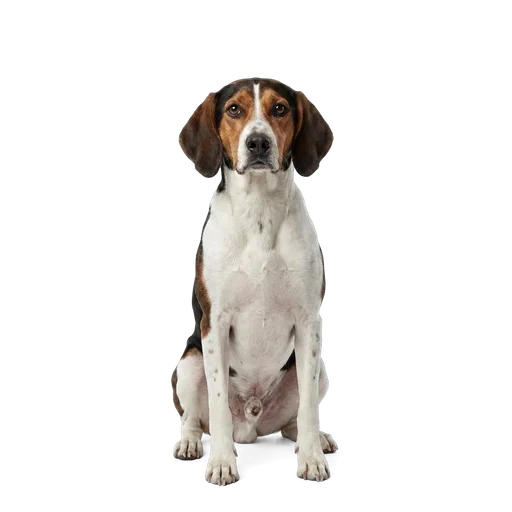
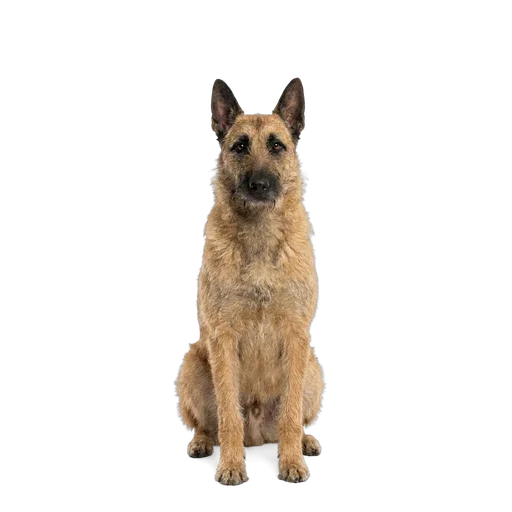
Deciding between similar breeds? Here is the Belgian Malinois next to Treeing Walker Coonhound and Belgian Laekenois.
| Belgian Malinois | Treeing Walker Coonhound | Belgian Laekenois | |
|---|---|---|---|
| Size | Large | Large | Large |
| Weight | 20-36 kg | 20-32 kg | 25-30 kg |
| Lifespan | 14-16 yrs | 12-13 yrs | 10-12 yrs |
| Activity | Active | Active | Active |
| Shedding | Medium | Medium | Medium |
| Good with kids | Yes | Yes | No |
| Apartment-friendly | No | No | No |
Frequently asked questions
Is a Belgian Malinois a good family pet?
For most families, no. This is a high-drive working dog that needs hours of daily exercise, training, and a genuine job to stay balanced. It can live with children it was raised with, but the energy, herding nips, and intensity make it a demanding choice best suited to experienced, very active owners.
Can a Belgian Malinois live in an apartment?
It is a poor fit for apartment life. The breed needs space, structured work, and long daily activity, and confining that drive to a flat usually leads to barking, destruction, and stress for both dog and owner. A home with a secure yard and an owner committed to serious exercise is the minimum.
How much exercise does a Malinois need?
A lot. Plan on at least two hours a day combining hard physical exercise with real mental work such as obedience, scent work, or protection sport. A walk around the block does not touch this breed's needs, and under-exercised Malinois quickly become destructive and hard to live with.
Are Belgian Malinois good for first-time owners?
Not at all. The combination of intelligence, drive, sharpness, and physical power overwhelms most inexperienced owners. This breed rewards skilled training and firm structure and punishes uncertainty, so it is best left to handlers with real dog experience or professional support.
What is centronuclear myopathy in Malinois?
It is an inherited muscle disease specific to the breed that causes weakness, poor muscle development, and exercise intolerance in affected puppies. There is a reliable DNA test, so responsible breeders screen their dogs and avoid pairing two carriers. Ask any breeder for proof their line is clear.
Related breeds
Health and care information is drawn from established veterinary sources and is general guidance, not veterinary advice. See our sources
Keep records for your Belgian Malinois
Vaccinations, food and treat safety, allergy alerts and parasite reminders - all tracked for your Belgian Malinois in the Pethls app.