

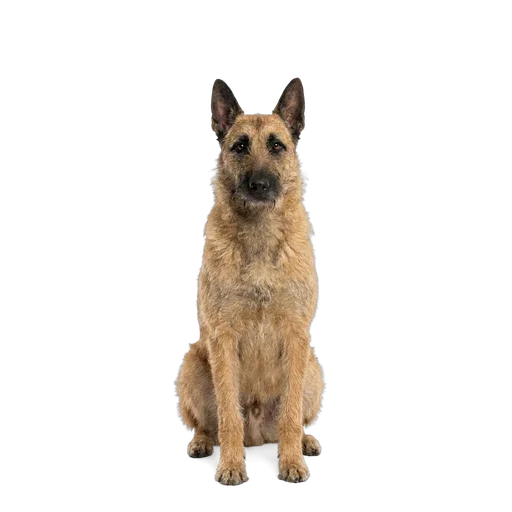
Origin: Belgium
Belgian Laekenois
Get reminders for your Belgian Laekenois's vaccines
Vaccination and parasite reminders, food-safety scans and health records — free to start in the Pethls app.


The Belgian Laekenois is the rarest of the four Belgian shepherd varieties, distinguished from the Malinois, Tervuren and Groenendael by its tousled, wiry fawn coat. Rarity is the only quiet thing about it. This is a working dog that runs 25 to 30 kg in males and roughly 20 to 25 kg in females, carrying the full Belgian shepherd package: intense focus, sharp protective instincts, and an engine that runs all day. Laekenois originally herded livestock and guarded linen laid out to dry near the Chateau of Laeken, and the modern dog still wants a job, a handler it respects, and structure it can rely on. In experienced hands it is a loyal, capable partner that typically lives 10 to 12 years; in a novice home it becomes bored, frustrated and hard to live with.
Temperament & personality
Everything about the Laekenois temperament traces back to work. Like its Malinois cousin, this dog is alert to a degree that surprises people used to ordinary pets: it tracks movement across the room, notices the routine and flags anything that breaks it. Protective instinct is strong and comes standard. A Laekenois takes its family and territory seriously, is naturally reserved with strangers, and needs early, thorough socialization so that watchfulness matures into judgment rather than suspicion.
The flip side of that intensity is a deep, sometimes clingy bond with its people. A well-raised Laekenois is affectionate, playful and often silly at home, following its handler from room to room and reading moods with unsettling accuracy. It does poorly when left alone for long stretches or parked in a yard. This breed wants to be in the middle of family life and involved in whatever is happening.
Be honest about the demands. A Laekenois needs 90 minutes or more of real exercise daily plus training or dog sport to occupy its head; herding, tracking, agility, obedience and protection sports all suit it. Herding heritage means it may chase and nip at running children and pursue cats or small pets, which is why this breed is generally cautious with kids and other animals. It can live well with respectful older children and dogs it was raised with, but that outcome takes management and training, not luck. This is a breed for experienced owners, full stop.
Vaccination schedule
Laekenois puppies need the standard core series. DHPP, the combination vaccine covering distemper, hepatitis (adenovirus), parvovirus and parainfluenza, starts at 6 to 8 weeks and repeats every 3 to 4 weeks until at least 16 weeks of age, usually three or four doses in total. Rabies is given once between 12 and 16 weeks according to local regulation. Because a young Laekenois urgently needs socialization during this same window, ask your vet how to balance disease risk with controlled exposure; puppy classes that require age-appropriate vaccination are usually a safe compromise.
Adult boosters follow the familiar pattern: DHPP at one year, then every one to three years; rabies per legal schedule, usually every one to three years. Working and sporting Laekenois have a stronger case than most breeds for the non-core vaccines. Leptospirosis for dogs training in fields and near water, Bordetella and canine influenza for dogs mixing at trials, classes and boarding kennels.
Keep vaccination records meticulous if you plan to compete, board or travel with the dog, since all three demand proof. A digital record with dates and due-date reminders prevents the classic scramble the week before an event.
Best food & diet
Feed a Laekenois like the athlete it is. A high-quality diet with named animal protein as the first ingredient supports the lean muscle this breed carries, and active adults of 25 to 30 kg typically need roughly 1,400 to 1,900 kcal per day, more during heavy training seasons and less in quiet winters. Adjust by body condition: you should see a clear waist from above and feel ribs easily. Belgians run lean by design, and a ribby-looking Laekenois in working condition is usually correct, not underfed.
Puppies should eat a large-breed puppy formula until around 12 months to keep growth steady, which matters in a breed screened for hip and elbow dysplasia. Avoid supplementing calcium on top of a complete puppy diet; excess calcium during growth is linked to joint problems in medium and large breeds. Keep puppies lean and limit repetitive high-impact exercise like forced running or stair sprints until the skeleton matures.
Two meals a day is sensible, and avoid strenuous work for an hour before and after eating. For dogs in sport, time the main meal well after training and consider a small pre-work snack rather than a full stomach. Food is also this breed's best training currency, so budget part of the daily ration for training treats instead of adding them on top, or the dog gradually puts on weight.
Common health problems
The Laekenois is generally a sound working breed, but four conditions dominate its health screening list: hip dysplasia, elbow dysplasia, progressive retinal atrophy and epilepsy. A responsible breeder tests for all of them, so ask for hip and elbow scores on both parents, current eye certification, and an honest conversation about seizures in the pedigree. With a breed this rare, buyers have real influence; demand the paperwork.
Hip and elbow dysplasia are developmental joint diseases that lead to pain and early arthritis. Watch for stiffness after rest, a rolling or bunny-hopping gait, or front-leg lameness in a growing dog, and investigate with X-rays rather than waiting it out. Weight control and sensible exercise during growth reduce severity, and treatment runs from physiotherapy and anti-inflammatories to surgery in bad cases. Progressive retinal atrophy is an inherited, painless deterioration of the retina that ends in blindness; night blindness and bumping into furniture in dim light are the early signs. There is no treatment, which is exactly why breeder eye testing matters.
Epilepsy appears across all four Belgian shepherd varieties and the Laekenois is no exception. Seizures usually begin between one and five years of age. A single seizure warrants a vet visit and bloodwork; recurring seizures usually mean lifelong anticonvulsant medication, and most epileptic dogs live full lives on well-managed treatment. Film any seizure on your phone if you can, note the time and duration, and never reach into a seizing dog's mouth.
Allergies & skin
The Laekenois is not hypoallergenic. Its rough, wiry coat sheds moderately year-round with heavier seasonal turnover, and it releases dander like any double-coated shepherd. Allergic households should not shortlist this breed on coat type alone.
The dog's own skin is usually hardy. The wire coat evolved to shrug off Belgian weather and fieldwork, and skin complaints are less common here than in many modern breeds. When problems do appear, the usual suspects are the usual ones: flea allergy dermatitis, environmental allergies to pollens and dust mites showing up as paw licking and ear infections, and occasionally food sensitivities. An itchy Laekenois scratching at consistent spots deserves a vet workup rather than a shampoo experiment.
One breed-specific caution concerns the coat, not the skin: never clip or shave a Laekenois for convenience. Cutting the wire coat softens its texture and ruins its weather resistance, and the damage can take years to grow out, if it fully recovers at all. If skin treatment ever requires clipping a patch, keep it as small as the treatment allows.
Flea, tick & worm prevention
A Laekenois lives the kind of life parasites love: fields, woods, long grass, water, other dogs at training. Year-round prevention is non-negotiable. Use a vet-recommended flea and tick product, oral or spot-on, on a strict schedule, and set phone reminders because a missed month in tick season is how problems start. Ticks carry Lyme disease, anaplasmosis and other infections that can sideline a working dog for months.
The tousled wire coat complicates tick checks. A corded or flocked coat would hide a tick even more thoroughly, but the rough, curled texture is still enough to conceal a small one, so check by feel rather than sight after every outing in grass or woodland. Work your fingertips against the skin around the ears, jaw, neck, armpits, groin and between the toes. Remove any tick promptly with a tick hook, twisting or levering it out whole, and note the date in case of later illness.
Worming follows the standard protocol: puppies every 2 weeks from 2 weeks old until 12 weeks, then monthly to 6 months; adults treated or faecal-tested every 3 months, with lungworm coverage where it is endemic and heartworm prevention wherever mosquitoes transmit it. Dogs that scavenge on walks or work around livestock need reliable tapeworm treatment too. All parasite products are dosed by weight, so keep an up-to-date weight for your dog and never split large-dog doses between animals.
Medications & dosing
All medication for a Laekenois should be weight-based and vet-directed. Most adults sit between 25 and 30 kg, which often places them awkwardly between two tablet sizes for common products, so confirm the dose against an actual recent weight rather than a guess. Working dogs can shift a kilogram or two between seasons, enough to matter for narrow-margin drugs.
If your Laekenois is diagnosed with epilepsy, medication discipline becomes central to its life. Anticonvulsants such as phenobarbital, potassium bromide or levetiracetam only work at steady blood levels, so doses go out at the same times every day, missed doses can trigger seizures, and periodic blood tests confirm the level and check liver values. Never stop an anticonvulsant abruptly. Keep a seizure diary noting date, duration and triggers; it is the single most useful thing you can hand your vet.
For joint disease, vets typically prescribe NSAIDs like carprofen or meloxicam alongside weight management and controlled exercise. Give NSAIDs with food and report vomiting, black stools or unusual tiredness immediately. Never dose a dog with human painkillers; ibuprofen and paracetamol are dangerous to dogs at small human doses. One more Belgian-shepherd-specific note: if you compete in dog sports, check every medication against your organisation's prohibited substances list, because some routine drugs require withdrawal periods before trials.
Grooming & coat care
The Laekenois coat is a rough, dry, tousled wire jacket, about 6 cm long over the body, with a characteristically scruffy face. It should never look sculpted. Routine care is modest: a thorough once-weekly session with a slicker or pin brush and a comb to lift dead hair and prevent tangles behind the ears, in the armpits and on the breeches. During seasonal sheds, usually spring and autumn, brush two or three times a week to keep the medium-level shedding off your floors.
Twice a year or so the coat benefits from light hand-stripping, plucking the dead wire hairs out with fingers or a stripping knife so fresh harsh coat grows through. The breed standard's spirit is 'never overworked': a Laekenois should leave the grooming table looking naturally rumpled, and light trimming for tidiness around the feet and hygiene areas is as far as scissors should go. Clipping is the cardinal sin; it softens the texture and spoils the coat's weatherproofing for years.
Bathe only when genuinely dirty, perhaps every couple of months for an active dog, using a mild dog shampoo, since overwashing strips the natural oils that make the wire coat water-resistant. Round out the routine with nail trims every 3 to 4 weeks, weekly ear checks, and tooth brushing several times a week. Grooming sessions double as health checks on a stoic working breed: run your hands over joints, feel for lumps and check the eyes while you brush, because a Laekenois will rarely volunteer that something hurts.
How the Belgian Laekenois compares
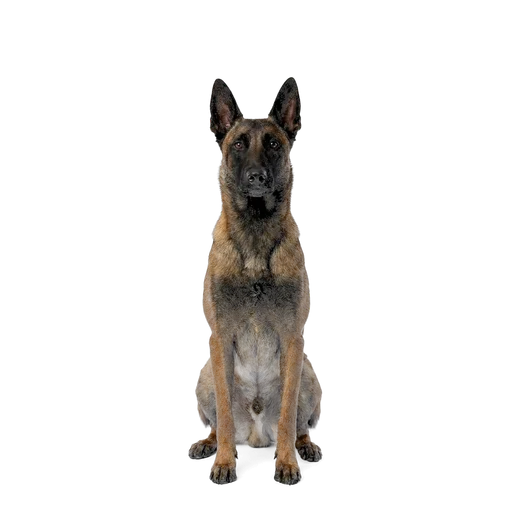
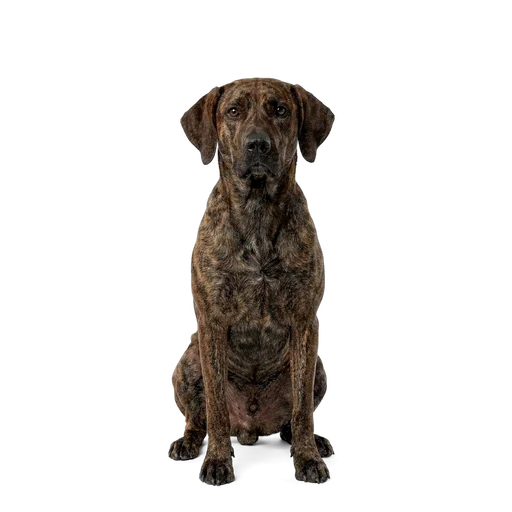
Deciding between similar breeds? Here is the Belgian Laekenois next to Belgian Malinois and Plott Hound.
| Belgian Laekenois | Belgian Malinois | Plott Hound | |
|---|---|---|---|
| Size | Large | Large | Large |
| Weight | 25-30 kg | 20-36 kg | 18-27 kg |
| Lifespan | 10-12 yrs | 14-16 yrs | 12-14 yrs |
| Activity | Active | Active | Active |
| Shedding | Medium | Medium | Medium |
| Good with kids | No | Yes | Yes |
| Apartment-friendly | No | No | No |
Frequently asked questions
Is the Belgian Laekenois a good dog for a first-time owner?
No. The Laekenois has the drive, intensity and protective instinct of its Malinois cousin, and it needs an experienced handler who can provide daily training, serious exercise and consistent structure. Without that, the breed finds its own outlets: herding children, guarding excessively, or dismantling the house. First-time owners are better served by a calmer breed.
How rare is the Belgian Laekenois?
Very. It is the rarest of the four Belgian shepherd varieties, far less common than the Malinois, Tervuren or Groenendael, and only achieved full AKC recognition in 2020. Expect a waiting list, a serious breeder interview, and possibly travel to find a well-bred puppy. The upside of rarity is a small community of dedicated breeders who health test carefully.
How much exercise does a Belgian Laekenois need?
Plan on 90 minutes or more of genuine activity every day, plus mental work. A walk around the block does not scratch the surface. Laekenois thrive on herding, tracking, agility, obedience and protection sports, long runs and structured training sessions. Meet those needs and the dog settles well at home; skip them and you get barking, pacing and chewed furniture.
What health problems affect the Belgian Laekenois?
The main screened conditions are hip dysplasia, elbow dysplasia, progressive retinal atrophy and epilepsy. Buy from a breeder who provides hip and elbow scores, current eye certification, and openness about seizure history in the line. Typical lifespan is 10 to 12 years, and lean body condition plus sensible exercise during growth protects the joints.
Does the Laekenois coat need professional grooming?
Not usually. Weekly brushing, a bath when dirty, and light hand-stripping once or twice a year keep the rough coat healthy, and many owners learn to strip it themselves. The one firm rule is never to clip or shave the coat, because cutting wire hair ruins its harsh texture and weather resistance. The correct look is tidy but naturally tousled.
Related breeds
Health and care information is drawn from established veterinary sources and is general guidance, not veterinary advice. See our sources
Keep records for your Belgian Laekenois
Vaccinations, food and treat safety, allergy alerts and parasite reminders - all tracked for your Belgian Laekenois in the Pethls app.