

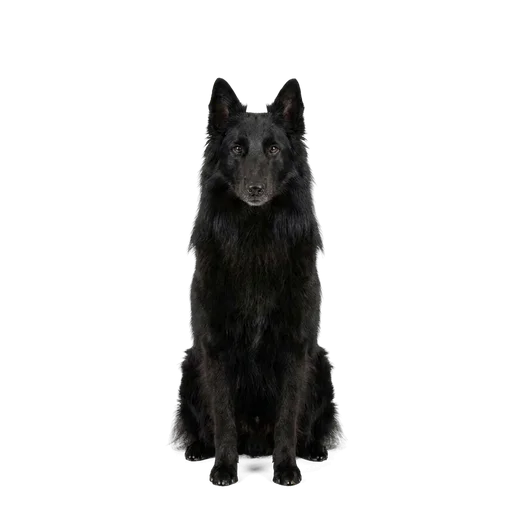
Origin: Belgium
Belgian Groenendael
Get reminders for your Belgian Groenendael's vaccines
Vaccination and parasite reminders, food-safety scans and health records — free to start in the Pethls app.


Good for
The Belgian Groenendael, known in many registries simply as the Belgian Sheepdog, is the striking all-black longhaired variety of the Belgian shepherd. Under that flowing jet coat sits a serious working dog: intelligent, watchful, deeply loyal to its family and suspicious enough of strangers to make an excellent natural guardian. Bred in Belgium for herding and protection, a Groenendael weighs 20 to 34 kg and lives around 10 to 14 years. It needs steady exercise, training and socialization throughout its life. Experienced, active owners get a devoted shadow with a brain to match; anyone expecting a low-maintenance pet will struggle to keep up.
Temperament & personality
A Groenendael attaches hard. This breed wants to be with its people constantly, working alongside them if possible, and it tolerates being parked in a garden alone very poorly. Left isolated or under-stimulated, Groenendaels become vocal, destructive and sometimes obsessive, spinning or shadow-chasing. Give the same dog daily training, a couple of long active outings and a household that includes it in everything, and you get a calm, observant, deeply affectionate companion.
Watchfulness defines the breed. Groenendaels notice every arrival, every unfamiliar sound, every change in furniture, and they announce a fair amount of it. They are naturally reserved with strangers, which is correct temperament and useful in a guardian, but without wide early socialization that reserve can curdle into suspicion or fear-based reactivity. Take a Groenendael puppy everywhere: different people, surfaces, noises, dogs, buildings, from eight weeks onward and continuing through adolescence.
With their own family, including respectful children, they are devoted and often gentle, though the herding urge to circle and nip at running kids needs early redirection. Toward cats and small animals the chase drive is significant, and dog-to-dog tolerance varies; some Groenendaels are social, others are selective. They learn at a frightening pace, in both directions: a behavior rewarded twice, deliberately or by accident, is a habit. Train with rewards and consistency, never heavy-handed corrections, because this is a sensitive dog that holds a grudge against unfair treatment.
Vaccination schedule
Groenendael puppies need the core DHPP series covering distemper, hepatitis (adenovirus), parvovirus and parainfluenza. The first dose goes in at six to eight weeks, with repeats every three to four weeks until at least sixteen weeks of age, typically three or four appointments in total. Rabies is given once between twelve and sixteen weeks according to local regulations. Keep a written record of every dose and due date so nothing lapses.
Both vaccines are boosted at around one year old. From there, DHPP moves to a three-year cycle in most practices, and rabies follows the one-year or three-year interval your jurisdiction requires. Groenendaels that attend training clubs, herding trials, daycare or boarding should also be covered against Bordetella (kennel cough), and many vets will recommend leptospirosis where the dog works around water, wildlife or farmland, which describes plenty of Groenendael lifestyles.
Because this is a breed with epilepsy in its background, mention any seizure history to your vet before vaccination visits; it rarely changes the plan, but your vet should know. An overdue rabies vaccine complicates travel, boarding and any bite report.
Best food & diet
Feed a complete large-breed diet matched to life stage. Puppies belong on a large-breed growth formula until twelve to fifteen months; controlled calcium and calories protect developing hips in a breed where hip dysplasia is a known issue. Keep puppies lean. Excess weight during growth puts real strain on developing joints.
Adult maintenance for a moderately exercised Groenendael lands around 1,200 to 1,700 kcal daily, rising steeply for dogs in sport or herding work. Two measured meals a day beat free-feeding for weight control. Keep meals and hard exercise separated by an hour, and treat a swollen, tight abdomen with unproductive retching as the emergency it is.
There is a reason not to normalise chronic gut trouble in a Groenendael: gastric cancer has been flagged as a possible concern in the Belgian shepherd varieties. Occasional dietary indiscretion happens to every dog, but vomiting that recurs over weeks, gradual appetite decline or unexplained weight loss in a dog past middle age needs investigation, not another food switch. Keep a dated note of gut upsets; a pattern on paper gets taken seriously faster than a vague recollection.
Common health problems
Epilepsy is the headline concern across the Belgian shepherd varieties, and Groenendael lines are affected. Idiopathic epilepsy usually surfaces between one and five years of age. A dog having a seizure paddles, loses awareness and may urinate or defecate; it is distressing to watch but rarely dangerous in a single short episode. Recurrent seizures need a neurological workup and daily medication, and most treated dogs do well. Video any suspected episode; it is the single most useful thing you can bring to the consult.
Hip dysplasia occurs in the breed, so insist on hip scores (OFA, BVA or FCI schemes) for both parents of any puppy you consider. Watch adult dogs for stiffness after rest, reluctance to jump into the car and a swaying rear gait. Keeping the dog lean and well-muscled is the cheapest orthopaedic insurance available.
Eyes deserve attention in this variety. Progressive retinal atrophy (PRA) causes gradual vision loss, usually starting with night blindness, and has no treatment; cataracts can develop as well and can sometimes be surgically corrected. Responsible breeders use eye testing and, where available, DNA screening. Hypothyroidism is worth catching early, showing as lethargy, weight gain and coat deterioration; it is treated with daily hormone replacement once confirmed by a blood test.
Finally, gastric carcinoma has been noted as a possible concern in Belgian shepherds. Stomach cancer in dogs is generally rare, which is one reason it can be missed: vets who see few cases may not think of it early. For a Groenendael over about seven years old with chronic vomiting, appetite loss or weight loss, ask directly about gastric imaging or endoscopy. Early findings are treatable in a way late ones are not.
Allergies & skin
The Groenendael is not hypoallergenic. Its long black double coat sheds year-round and heavily in season, carrying dander throughout the house. People with dog allergies react to Groenendaels the same as to any heavy-shedding breed, sometimes worse simply because there is so much coat.
Skin disease in the breed follows the usual canine patterns. Flea allergy dermatitis produces frantic chewing over the rump and tail base and is the first thing to rule out in any itchy Groenendael, because fleas hide superbly in a dense black coat. Environmental allergies (atopy) show as paw licking, face rubbing, armpit and groin redness and recurring ear infections, typically starting between one and three years of age. Food allergy is less common and usually pairs itchy skin with gut signs.
Two practical notes for this coat. First, hot spots: a damp undercoat plus a scratch can bloom into a raw, oozing patch within hours, so dry the dog thoroughly after rain or swimming and part the coat to inspect any spot the dog keeps licking. Second, black coats hide everything: flea dirt, redness, scabs and early lumps all disappear against dark skin and hair, so weekly grooming sessions double as skin exams. Run your hands over the whole dog and investigate anything that feels wrong.
Flea, tick & worm prevention
Keep a Groenendael on year-round flea and tick prevention. This is an outdoor, active breed that trains in fields, swims and pushes through vegetation, and its profuse black coat is close to the worst possible background for spotting a tick by eye. Oral isoxazoline chewables, given monthly with most products and up to every twelve weeks with a few longer-acting ones, work well here because they are unaffected by coat density, swimming or bathing; spot-ons and collars are alternatives your vet can match to your dog's lifestyle.
After walks in tick country, search by feel rather than sight: slide fingertips against the skin around the ears, muzzle, neck, armpits, groin, tail base and between the toes. Remove attached ticks with a tick hook, twisting gently, and note the date of the find. Regional tick diseases such as Lyme, anaplasmosis and babesiosis are far easier to connect to a bite when the bite has a date.
Worm adult dogs against roundworms and tapeworms at least every three months, monthly for dogs that scavenge, catch rodents or live with small children. Puppies are wormed every two weeks from two to twelve weeks of age, then monthly until six months. Add monthly heartworm prevention if you live in or travel to a heartworm region. An annual faecal test is cheap confirmation that the schedule is doing its job.
Medications & dosing
Dosing in this breed always starts with a scale. Groenendaels span 20 to 34 kg, and a dose calculated for the breed average can be meaningfully wrong for your individual dog. Weigh at least a few times a year, monthly during growth or illness, and keep a record of the numbers so every prescription and parasite product is matched to the dog's actual weight band.
For the epileptic minority, medication discipline is everything. Phenobarbital, potassium bromide and levetiracetam are dosed per kilogram and fine-tuned with blood level monitoring; doses drift as weight and metabolism change, which is another reason the weight log matters. Give anti-seizure drugs at the same times daily, and never stop them abruptly or adjust the dose yourself, because sudden withdrawal can provoke the very seizures they prevent.
Thyroid hormone for hypothyroid dogs is likewise weight-based, given daily for life, and rechecked by blood test after any dose change. For pain, resist the medicine cabinet: ibuprofen, naproxen and paracetamol poison dogs at small doses, and a limping sport dog should see a vet rather than share your painkillers. Keep a record of each medication with its dose, schedule and prescribing vet, and set reminders; missed doses are the most common reason a well-chosen drug appears to fail.
Grooming & coat care
That gleaming black coat is a long, straight outer layer over dense undercoat, with heavy feathering on the chest, legs and tail and a pronounced ruff around the neck. Maintenance is moderate-to-high: a proper session twice a week with a pin brush and undercoat rake, taken in layers down to the skin. The mat hotspots are behind the ears, the ruff, the breeches and anywhere a harness rubs. A quick daily once-over between full sessions keeps debris and tangles from settling in.
Shedding is substantial all year and heavy twice a year during coat blows, when the undercoat lets go in clouds. Daily raking through a blow, plus a bath and a thorough blow-dry, shortens the ordeal considerably. Between blows, bathe only every two to three months; the coat has a natural weatherproof quality that over-washing strips. Never shave a Groenendael. The double coat manages heat as well as cold, and clipped coats often regrow patchy and wooly.
One black-coat-specific note: strong sun can bleach the tips reddish-brown over a summer of outdoor work, which is cosmetic and harmless. Round out the routine with nail trims every three to four weeks, weekly ear checks, and tooth brushing several times a week. Start all of it in puppyhood with treats and short sessions; a Groenendael that trusts the process will stand for an hour of raking, and one that does not will make every coat blow a wrestling match for the next twelve years.
How the Belgian Groenendael compares
Deciding between similar breeds? Here is the Belgian Groenendael next to Belgian Tervuren and Giant Schnauzer.
| Belgian Groenendael | Belgian Tervuren | Giant Schnauzer | |
|---|---|---|---|
| Size | Large | Large | Large |
| Weight | 20-34 kg | 20-34 kg | 25-48 kg |
| Lifespan | 10-14 yrs | 12-14 yrs | 12-15 yrs |
| Activity | Active | Active | Active |
| Shedding | High | High | Low |
| Good with kids | Yes | Yes | Yes |
| Apartment-friendly | No | No | No |
Frequently asked questions
Is the Belgian Groenendael the same as the Belgian Sheepdog?
Yes. In the United States the AKC registers the Groenendael simply as the Belgian Sheepdog, while the FCI treats it as the black longhaired variety of a single Belgian Shepherd breed alongside the Tervuren, Malinois and Laekenois. Same dog, different paperwork.
Are Belgian Groenendaels good family dogs?
With an active, experienced family that trains and includes the dog daily, yes; they are loyal and gentle with their own children. They are a poor fit for busy households wanting a low-effort pet. Herding nips at running kids need early training, and strangers will be watched, not welcomed.
How much exercise does a Groenendael need?
Roughly two hours a day of combined physical and mental work: running, training, scent games, herding or dog sports. This breed was built to work all day, and no amount of garden access substitutes for structured activity. Under-worked Groenendaels bark, spin and dismantle furniture.
Do Groenendaels shed a lot?
Yes, heavily. Expect year-round black hair on floors and clothing plus two dramatic seasonal coat blows. Twice-weekly deep brushing, daily during blows, is the minimum. The breed is emphatically not hypoallergenic.
What health problems affect the Belgian Groenendael?
The main concerns are epilepsy, hip dysplasia and progressive retinal atrophy; cataracts and hypothyroidism can also develop and are worth watching for. Buy from breeders who screen hips and eyes and speak openly about seizures in their lines, and investigate chronic vomiting or weight loss in older dogs promptly.
Related breeds
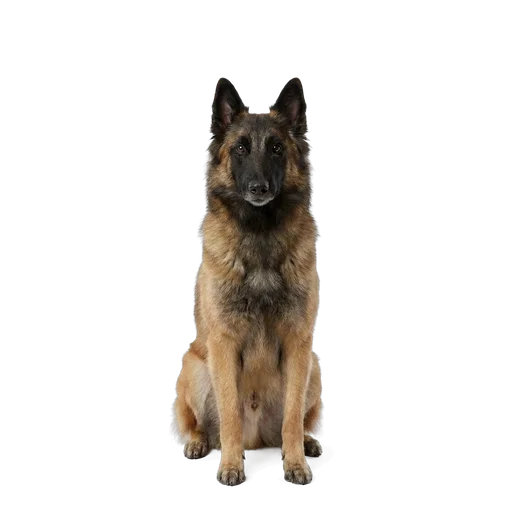
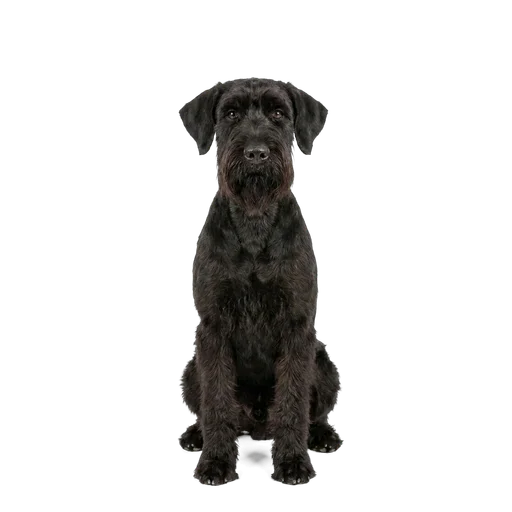
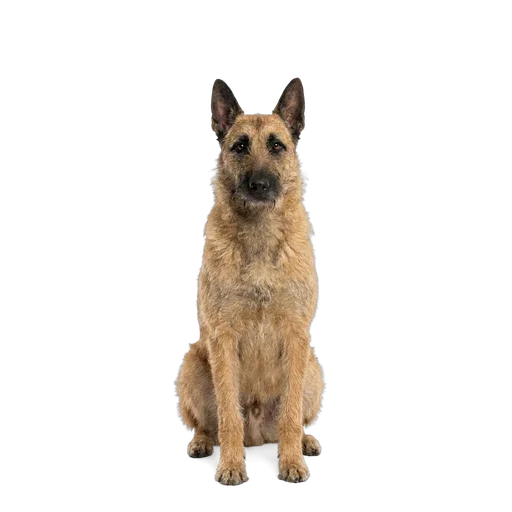
Health and care information is drawn from established veterinary sources and is general guidance, not veterinary advice. See our sources
Keep records for your Belgian Groenendael
Vaccinations, food and treat safety, allergy alerts and parasite reminders - all tracked for your Belgian Groenendael in the Pethls app.