

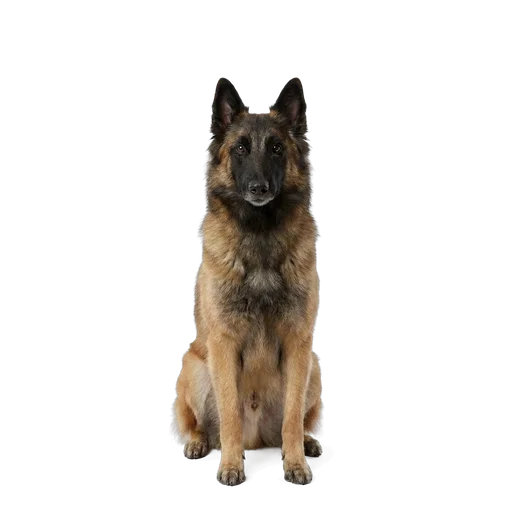
Origin: Belgium
Belgian Tervuren
Get reminders for your Belgian Tervuren's vaccines
Vaccination and parasite reminders, food-safety scans and health records — free to start in the Pethls app.


Good for
The Belgian Tervuren is the longhaired fawn-and-black member of the Belgian shepherd family, and it wears that elegance over a working engine that never really switches off. Bred in Belgium to herd and guard, most adult Tervurens weigh around 20 to 30 kg, with females often at the lighter end and large males topping out near 34 kg, and they live 12 to 14 years. This is a brilliant, sensitive, watchful dog that reads its household constantly and needs a genuine job, structured training and daily hard exercise. In the right experienced hands a Tervuren is spectacular; in a casual pet home it invents its own work, usually barking, spinning, digging and destructive patrolling. First-time owners should look elsewhere, honestly.
Temperament & personality
Tervurens are intense. That word comes up in every honest description of the breed, and it fits. They watch everything, learn routines after one or two repetitions, and form a deep, almost clingy bond with their people. Many follow one favorite person from room to room all day. With strangers they tend to be reserved rather than openly friendly, which is normal for the breed, but it means early and ongoing socialization is not optional.
The herding instinct runs strong. Expect a young Tervuren to circle, shadow and sometimes nip at running children, joggers or cyclists until you train an alternative behavior. With kids in their own family they are usually devoted, though they do best with children old enough to respect a sensitive dog. Around cats and small pets the chase drive can be a real problem, so households with existing small animals need careful introductions and realistic expectations.
Sensitivity is the trait that catches new owners off guard. Harsh corrections shut a Tervuren down or make it anxious; this breed works for a handler it trusts, not one it fears. Reward-based training, clear rules and plenty of mental work such as obedience, agility, scent work or herding trials keep the brain busy. A bored Tervuren barks, spins, digs and patrols, and it will keep doing so until you give it something better to do.
Vaccination schedule
A Tervuren puppy needs the same core vaccines as any dog, and because so many go on to train and compete around other dogs, the non-core ones matter more here than average. The DHPP combination vaccine, which covers distemper, hepatitis (adenovirus), parvovirus and parainfluenza, starts at six to eight weeks of age and is repeated every three to four weeks until the pup is at least sixteen weeks old. That usually works out to three or four visits. The rabies vaccine is given once between twelve and sixteen weeks, depending on local law.
A booster of both DHPP and rabies is due around the first birthday. After that, most vets move to DHPP every three years, while the rabies booster interval is set by the licensed vaccine and your local law, typically one or three years. Leptospirosis is now recommended as a core vaccine for every dog; it needs a two-dose puppy series and then an annual booster, unlike the every-three-years DHPP core boosters. Because Tervurens often train and compete around other dogs, also ask your vet about non-core vaccines such as Bordetella (kennel cough) and canine influenza; dogs that attend classes, trials or daycare usually need at least Bordetella.
Keep the vaccine record current in a health log so reminders fire before, not after, a booster lapses. Boarding kennels, training clubs and groomers in most countries will ask for proof of vaccination, and a lapsed rabies certificate can turn a minor bite incident into a legal headache.
Best food & diet
Feed a Tervuren a complete diet formulated for large, active breeds. Puppies should eat a large-breed puppy formula until roughly twelve to fifteen months; these foods control calcium and energy density so the skeleton grows at a steady rate, which matters in a breed with documented hip and elbow dysplasia. Overfeeding a growing Tervuren is one of the few dysplasia risk factors you can actually control.
Daily needs vary a lot with size and workload: a lightly exercised 20 kg female may need only about 800 to 1,000 kcal, a bigger or more active adult closer to 1,200 to 1,700 kcal, and a dog in serious sport or herding work considerably more. Feed two measured meals rather than free-feeding, and adjust by body condition: you should feel ribs easily under the coat without seeing them. The dense double coat hides weight gain well, so put your hands on the dog every week rather than trusting your eyes.
Like any larger, active dog, a Tervuren benefits from bloat-sensible (gastric dilatation-volvulus) feeding. Split the daily ration into at least two meals, avoid intense exercise for an hour after eating, and learn the emergency signs: a swollen abdomen, unproductive retching and sudden restlessness mean an immediate trip to the vet. This is a mechanical stomach twist and a same-hour emergency, quite separate from the slow-building stomach cancer covered in the health section below.
Common health problems
Epilepsy is the condition most closely associated with Belgian shepherds, and the Tervuren is no exception. Idiopathic epilepsy typically appears between one and five years of age, and research in the breed points to a hereditary component. A single seizure is frightening but not always a crisis; recurrent seizures need a neurological workup and usually lifelong medication. Most epileptic Tervurens live full lives once their treatment is dialled in, though it takes patience to find the right drug and dose.
Orthopaedic disease matters too. Hip dysplasia and elbow dysplasia both occur in the breed, which is why reputable breeders screen breeding stock through schemes such as OFA, BVA or FCI grading. Ask to see the parents' scores before you commit to a puppy. Signs in a growing or adult dog include stiffness after rest, bunny-hopping, reluctance to jump and a rolling hind-end gait.
Hypothyroidism shows up as weight gain without extra food, lethargy, a thinning or dull coat and sometimes recurrent skin infections. It is diagnosed with a blood panel and managed cheaply with daily thyroid hormone. The more sobering breed concern is gastric carcinoma: Belgian shepherds, Tervurens included, carry a documented elevated risk of stomach cancer compared with dogs in general. Chronic vomiting, appetite loss or weight loss in a Tervuren over about seven years old is worth a scope or scan early, rather than cycling through trial diets for months. Caught early, surgical options exist; caught late, they usually do not.
With sound breeding, sensible weight and prompt attention to the warning signs above, a Tervuren's expected span of 12 to 14 years is realistic. Log seizures, lameness episodes and gut upsets in a health log with dates and video where possible; patterns over time are exactly what your vet needs to see.
Allergies & skin
The Tervuren is not a hypoallergenic breed. It carries a long, dense double coat that sheds heavily, and the dander and saliva proteins that trigger human allergies come along with all that hair. Allergy sufferers who visit a Tervuren household will know about it quickly.
The dogs themselves have reasonably sound skin, but the usual canine allergies still occur. Flea allergy dermatitis is the classic one: a single bite can set off intense chewing over the rump and tail base in a sensitized dog, and the thick coat lets an infestation build unnoticed. Environmental atopy (pollens and dust mites) tends to show as paw licking, face rubbing and recurrent ear trouble, while true food allergies are less common and usually involve itching plus gut signs.
Because the coat is so dense, skin problems hide. Part the hair down to the skin during weekly grooming and check for redness, scabs, flea dirt and hot spots, especially around the rump, groin and behind the ears. Hot spots (acute moist dermatitis) can erupt in hours in a damp undercoat, so dry the dog properly after swimming or rain. Persistent itching deserves a vet visit rather than repeated medicated baths; identifying the actual trigger saves months of discomfort.
Flea, tick & worm prevention
A Tervuren's lifestyle argues for year-round parasite cover. These dogs hike, herd, train in fields and push through undergrowth, which is precisely where ticks quest. The long coat then hides an attached tick better than almost any other breed's. Use a vet-recommended flea and tick preventive on schedule, whether that is a monthly spot-on, a chewable isoxazoline given monthly or every twelve weeks, or a long-acting collar. Chewables have a practical advantage here because thick coats can interfere with spot-on spreading and because nothing washes off in the rain.
Do a hands-on tick check after every rural outing: ears and ear folds, lips, armpits, groin, between the toes and under the tail. Remove any tick promptly with a twisting tick tool, and note the date in a health log in case illness follows. Ticks transmit Lyme disease, anaplasmosis, babesiosis and more, depending on your region, and speed of removal genuinely reduces risk.
Worming follows the standard adult pattern: a broad-spectrum wormer covering roundworms and tapeworms every three months, or monthly if the dog is a scavenger, hunts rodents while herding, or lives with young children. Puppies need worming every two weeks from two weeks of age until twelve weeks, then monthly to six months. In heartworm regions, monthly heartworm prevention is not optional; ask your vet whether your area qualifies. Faecal testing once or twice a year confirms the program is actually working.
Medications & dosing
Every medication a Tervuren receives should be dosed against an accurate, current weight, and in this breed that spread is wide: a 20 kg female and a 34 kg male need very different amounts of the same drug. Weigh the dog every few months, more often for a growing puppy or a dog on long-term medication, and record it in a health log so your vet works from real numbers rather than an estimate from last year.
This matters doubly for the epileptic Tervurens in the breed. Anti-seizure drugs such as phenobarbital, potassium bromide and levetiracetam are dosed per kilogram, adjusted against blood levels, and are strictly vet-directed. Never change the dose, skip doses or stop an anti-seizure drug abruptly; sudden withdrawal can itself trigger seizures. The same weight-based, vet-directed rule applies to thyroid supplementation for hypothyroid dogs, to NSAIDs prescribed for dysplastic joints, and to routine parasite preventives, which come in weight bands you should recheck yearly.
Never give human painkillers. Ibuprofen, naproxen and paracetamol are toxic to dogs at doses people consider harmless, and an athletic breed that pulls up lame after training is exactly the situation where owners are tempted. Call your vet instead. Store every prescription with its dose and schedule in a health log, and set repeat reminders for daily medications; consistency is most of the battle with both epilepsy and thyroid disease.
Grooming & coat care
The Tervuren's coat is a long, straight outer layer over a dense undercoat, with dramatic feathering on the chest, breeches and tail and a distinct ruff on males. It looks high-maintenance and it is moderately so: plan on a thorough brush twice a week for most of the year, using a pin brush and an undercoat rake, working in sections down to the skin. Surface brushing that skims the top layer leaves a felted mess underneath, particularly behind the ears, in the breeches and under the collar.
Shedding is heavy. There is a steady year-round drift of hair plus one or two spectacular coat blows a year, usually spring and autumn, when the undercoat releases in handfuls. During a blow, daily raking sessions and a couple of warm baths followed by a proper blow-dry will shift the dead coat in a week or two instead of letting it drift through the house for two months. Intact females often blow coat after a season as well.
Beyond brushing, the routine is standard: nails every three to four weeks, ear checks weekly, teeth brushed several times a week. Do not clip or shave the coat; the double coat insulates against both cold and heat, and shaving can permanently damage its regrowth. Bathing every two to three months is plenty unless the dog finds something disgusting to roll in, which, being a Tervuren, it eventually will. Start grooming rituals in puppyhood, because a sensitive 30 kg adult that resents the rake is nobody's idea of fun.
How the Belgian Tervuren compares
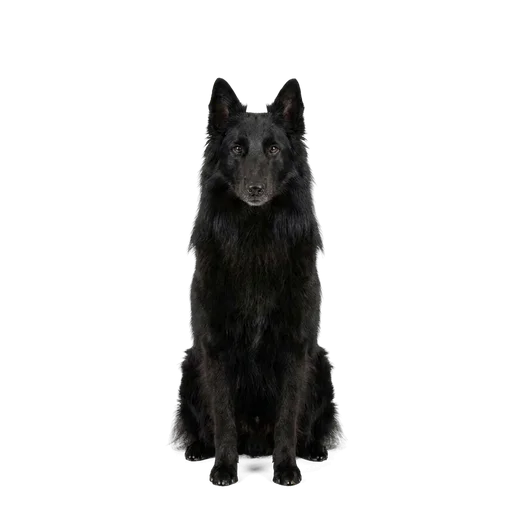
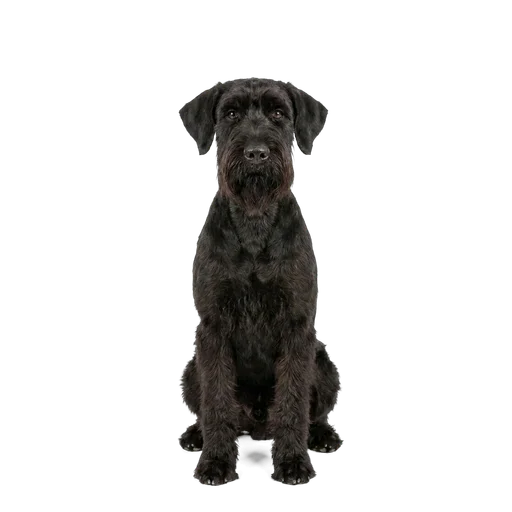
Deciding between similar breeds? Here is the Belgian Tervuren next to Belgian Groenendael and Giant Schnauzer.
| Belgian Tervuren | Belgian Groenendael | Giant Schnauzer | |
|---|---|---|---|
| Size | Large | Large | Large |
| Weight | 20-34 kg | 20-34 kg | 25-48 kg |
| Lifespan | 12-14 yrs | 10-14 yrs | 12-15 yrs |
| Activity | Active | Active | Active |
| Shedding | High | High | Low |
| Good with kids | Yes | Yes | Yes |
| Apartment-friendly | No | No | No |
Frequently asked questions
Is the Belgian Tervuren a good first dog?
No, and most breed clubs say so openly. The Tervuren's intensity, sensitivity and enormous exercise and training needs overwhelm inexperienced owners. It suits people who have handled demanding working breeds before and who want a dog-sport or working partner, not a low-key family pet.
How much exercise does a Belgian Tervuren need?
Plan on ninety minutes to two hours daily, mixing free running, structured walks and real mental work such as obedience, scent games or agility. A quick lap of the block does not touch the sides. Under-exercised Tervurens develop barking, spinning and destructive habits fast.
Do Belgian Tervurens have epilepsy?
Epilepsy occurs at a notable rate in Belgian shepherds, including the Tervuren, and typically first appears between one and five years of age. It is manageable with lifelong medication in most dogs. Buy from breeders who discuss seizure history in their lines honestly, and report any suspected seizure to your vet immediately.
How bad is Belgian Tervuren shedding?
Heavy. There is constant moderate shedding plus one or two major coat blows per year when the undercoat comes out in clumps. Twice-weekly raking, stepped up to daily during a blow, keeps it tolerable. This is not a breed for anyone who wants a hair-free home or has dog allergies.
Are Belgian Tervurens good with children and other pets?
With their own family's older children they are usually loyal and gentle, but the herding instinct means chasing and nipping at running kids must be trained out early. Their chase drive makes them a risky match for cats and small pets, and same-sex dog scuffles are not rare. Socialization from puppyhood is essential.
Related breeds
Health and care information is drawn from established veterinary sources and is general guidance, not veterinary advice. See our sources
Keep records for your Belgian Tervuren
Vaccinations, food and treat safety, allergy alerts and parasite reminders - all tracked for your Belgian Tervuren in the Pethls app.