

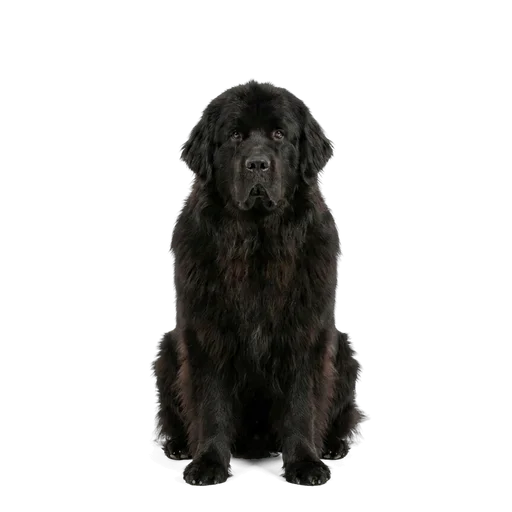
Origin: Canada
Newfoundland
Get reminders for your Newfoundland's vaccines
Vaccination and parasite reminders, food-safety scans and health records — free to start in the Pethls app.


Good for
The Newfoundland is a giant working dog from the cold Atlantic coast of Canada, bred to haul fishing nets and pull drowning sailors from the sea. Everything about the build serves water: a heavy water-resistant double coat, muscular legs, and webbed feet that make them powerful natural swimmers. For all that strength, the defining trait is sweetness. Newfies are famously gentle, devoted, and patient, which is where the old nickname nanny dog comes from. They drool, they shed, and they suffer in the heat, but as a calm, loving family dog for a home with the space to suit their size, few breeds match them.
Temperament & personality
Newfoundlands are calm, soft-natured dogs that bond tightly to their families. They are not guard dogs in any traditional sense; the breed standard actually calls for sweetness of temper, and a suspicious or sharp Newfie is considered a fault. What you get instead is a dog that watches over the household through sheer devotion and presence.
The nanny-dog reputation is real but often misunderstood. It comes from genuine patience and gentleness with children, not from leaving a dog unsupervised as a babysitter. A well-raised Newfie tolerates a lot from kids and tends to position itself near them, but its size alone means an adult should always be in the room.
They are smart and eager to please, which makes training pleasant, though they work at their own deliberate pace. Harsh corrections backfire. Calm, reward-based work suits them, and early socialization keeps that natural friendliness pointed in the right direction. Most Newfies greet strangers as potential friends.
The water instinct runs deep. Many Newfies will try to swim in anything, and the drive to retrieve or rescue can kick in unexpectedly. This is charming and occasionally inconvenient, so introduce swimming safely and teach a solid recall around open water.
Vaccination schedule
Newfoundland puppies get the same core vaccine series as any dog. The DHPP shot, covering distemper, hepatitis/adenovirus, parvovirus, and parainfluenza, begins at 6 to 8 weeks and repeats every 3 to 4 weeks until the puppy is at least 16 weeks old. Do not cut the series short; parvovirus is a serious threat to unvaccinated puppies.
Rabies is given once between 12 and 16 weeks, followed by a booster at a year old and then every 1 to 3 years according to local law. Your vet will set the exact interval for your area.
Discuss non-core options based on lifestyle. Leptospirosis is worth serious thought for a water-loving breed, since the bacteria spread through water contaminated by wildlife and a Newfie that swims in ponds and streams has real exposure. Bordetella is standard for dogs that board, train in groups, or visit the groomer.
Vaccine dose does not scale with body weight, so a Newfoundland puppy receives the same volume as a small dog. Weight does matter for later anesthesia and drug dosing, so start a weight log early and bring it to every checkup.
Best food & diet
Raise a Newfoundland puppy on a large-breed or giant-breed puppy food. These formulas are built to slow growth with controlled calcium and calories, which protects joints that are under enormous load from a fast-growing giant frame. A standard puppy food pushes growth too quickly and raises the risk of developmental joint disease.
Keep the puppy lean and resist the urge to overfeed. Ribs should be easy to feel. Excess weight during growth stresses hips and elbows that are still forming, and it puts extra strain on the heart. Let your vet body-score the dog at each visit and adjust the ration accordingly.
Feeding routine protects against bloat, which is a genuine danger in deep-chested giants. Split meals into two or three servings a day rather than one big bowl, keep the dog quiet for an hour before and after eating, and slow down fast eaters with a puzzle bowl. Avoid a single huge meal followed by hard play.
Adults thrive on a good large-breed maintenance diet with the calories watched closely, since a calm indoor Newfie needs fewer calories than its bulk implies. Beef, chicken, and dairy are common triggers in this breed, so if the dog develops itchy skin or digestive upset, review those proteins with your vet before assuming it is something exotic.
Common health problems
The heart condition to know is subvalvular aortic stenosis (SAS), a narrowing just below the aortic valve that forces the heart to work harder. It is inherited and can range from a mild murmur to a life-threatening obstruction. Responsible breeders have their dogs' hearts checked by a cardiologist, and your vet may pick up a murmur that warrants a referral, so heart screening is not optional in this breed.
Like many giant breeds, Newfoundlands sometimes run into hip and elbow dysplasia, which shows as stiffness, limping, or reluctance to jump and climb. Screening of the parents, a giant-breed puppy diet, and keeping the adult lean all reduce the burden. Like many large dogs, Newfies can run into some arthritis with age and do well on long-term joint management.
Cystinuria is an inherited defect in how the kidneys handle certain amino acids, leading to cystine bladder stones. Signs include straining to urinate, blood in the urine, or frequent small urinations, and a full blockage is an emergency, especially in males. There is a genetic test, and affected dogs are managed with diet and monitoring.
Bloat (gastric dilatation-volvulus) is an emergency to watch for in deep-chested dogs, with a swollen belly, unproductive retching, and distress that demands an immediate vet trip. And like all heavy-coated giants, Newfoundlands are highly heat intolerant. That thick double coat is built for cold Atlantic water, not a hot afternoon, so overheating is a constant warm-weather risk to manage actively.
Allergies & skin
Newfoundlands can react to both food and environmental allergens. Beef, chicken, and dairy are the common dietary triggers. Allergy in dogs shows up as itching, chewed paws, repeated ear infections, and inflamed skin rather than a runny nose, so those signs are your cue to talk to the vet about an elimination diet.
Dust mites are a frequent environmental trigger for the breed. Itching that flares indoors, especially in winter when the house is closed up, points that way. Washing bedding in hot water, vacuuming often, and keeping the dog's sleeping area clean cut down the mite load, and regular bathing helps rinse allergens off the coat.
That dense double coat is a skin-care challenge because it traps moisture right against the skin. A Newfie that swims, gets rained on, or is bathed and not dried properly can develop hot spots fast - those raw, itchy patches that spread when the dog licks them. Thorough drying down to the skin after any soaking is the best prevention.
The heavy jowls hold drool and food debris, so wipe the mouth and lower lip area to keep them from staying wet and infected. Any persistent smell, raw patch, or ear that looks red and dirty is worth a vet visit rather than home guesswork, since problems spread quickly under all that hair.
Flea, tick & worm prevention
Parasite prevention runs year-round and is dosed by body weight, which puts an adult Newfoundland in the top weight band of most products. Check that whatever you use actually covers a 54 to 68kg dog, because some spot-ons and chews are formulated for smaller sizes and will under-dose a giant.
Fleas cause itching and can set off flea-allergy dermatitis, and ticks carry Lyme disease and other infections that vary by region. Monthly or quarterly preventives cover both. Tick checks after country walks matter, and they take real effort on a Newfie: the thick coat hides ticks, so work your fingers down to the skin around the ears, neck, armpits, and toes.
Worming targets intestinal parasites (roundworm, hookworm, tapeworm, whipworm) and heartworm, which mosquitoes transmit and which is much easier to prevent than to treat. Puppies are wormed every 2 to 3 weeks until roughly 12 weeks of age, then shift to an adult schedule your vet sets.
A swimming dog picks up extra exposure to waterborne parasites and the wildlife that carries them, so mention your Newfie's water habits to the vet when planning coverage. A single combination product covering fleas, ticks, and worms keeps the routine simple and easy to remember.
Medications & dosing
With a dog this size, medication safety rests on an accurate, current body weight, because almost every drug is dosed per kilogram. A rough estimate on a 60kg dog can miss the mark badly in either direction, so have the vet weigh the dog and update the figure regularly. Under-dosing wastes the medicine and over-dosing risks harm.
Steer clear of human medicines. Ibuprofen and paracetamol are toxic to dogs, and dosing anything from the family cabinet is guesswork at best. For pain or arthritis, the vet prescribes canine-specific anti-inflammatories matched to the dog's weight, and long-term users need periodic blood tests to keep an eye on liver and kidney function.
Newfoundlands with cystinuria may be on lifelong diet management and sometimes medication to manage stone formation, which needs consistent monitoring through urine tests and imaging. Never skip these follow-ups, since a silent stone can turn into a blockage.
Because of their size, discuss anesthesia and sedation dosing with your vet before any surgery, and choose a team experienced with giant breeds. Keep a written log of every medication, dose, and date, follow the vet's instructions to the letter, and finish antibiotic courses fully even once the dog looks better.
Grooming & coat care
The Newfoundland's coat is a big commitment. It is a heavy, water-resistant double coat that sheds steadily all year and blows out twice a year in spring and autumn. Brush thoroughly three or four times a week at minimum, and daily during the heavy shed, using a slicker brush and an undercoat rake to reach the dense underlayer before it mats.
Mats form fastest behind the ears, in the armpits, on the britches, and around the tail, and they tighten quickly if the dog gets wet. Work through the coat right down to the skin rather than just skimming the top. Neglected, this coat mats into a solid layer that traps moisture and skin infection and often has to be shaved out.
Drying is as important as brushing for this breed. After a swim, a bath, or heavy rain, dry the coat down to the skin. Water sitting trapped in the undercoat is the classic cause of hot spots and yeast. Bathe every couple of months or when genuinely dirty, since over-bathing strips protective oils from a coat designed to repel water.
Fill out the routine with weekly ear checks, since drop ears over a water-loving dog stay damp, plus regular nail trims and tooth brushing, and daily jowl wiping to manage drool. Start all of this in puppyhood. Grooming a 60kg adult that never learned to stand for it is genuinely difficult, and many owners rely on a professional groomer every couple of months to keep the coat manageable.
How the Newfoundland compares
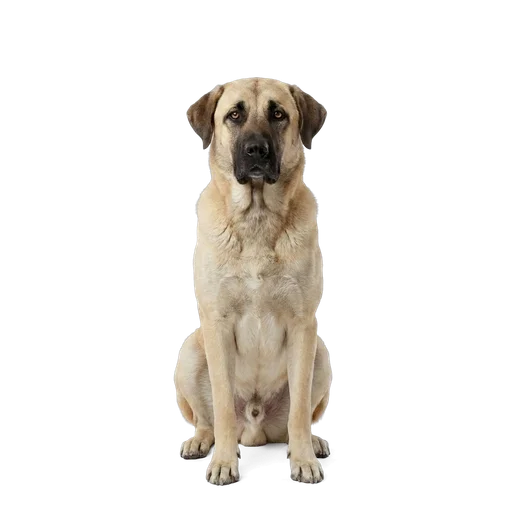
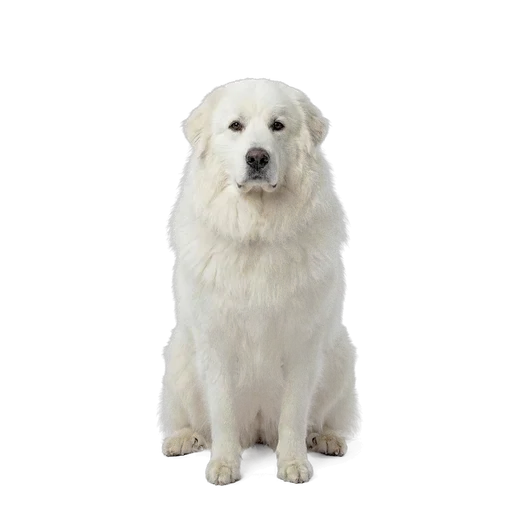
Deciding between similar breeds? Here is the Newfoundland next to Anatolian Shepherd and Great Pyrenees.
| Newfoundland | Anatolian Shepherd | Great Pyrenees | |
|---|---|---|---|
| Size | Large | Large | Large |
| Weight | 54-68 kg | 40-68 kg | 39-73 kg |
| Lifespan | 9-10 yrs | 11-13 yrs | 10-12 yrs |
| Activity | Calm | Calm | Calm |
| Shedding | High | High | High |
| Good with kids | Yes | Yes | Yes |
| Apartment-friendly | No | No | No |
Frequently asked questions
Why are Newfoundlands called nanny dogs?
The nickname comes from their gentle, patient nature around children and their protective devotion to family, helped along by the breed's history of water rescue. It describes temperament, not a job. No dog should be left to supervise a child unattended, and a Newfie's giant size means an adult should always be present during play.
Do Newfoundlands need to swim?
They do not need to, but most love it and are built for it, with webbed feet and a water-resistant coat that make them strong swimmers. If you have safe access to water, it is excellent low-impact exercise for a giant breed. Introduce it gradually, keep a reliable recall, and always dry the coat down to the skin afterward to prevent hot spots.
How much do Newfoundlands shed and drool?
A lot of both. The heavy double coat sheds year-round and blows out heavily twice a year, so expect frequent brushing and hair everywhere. The loose jowls mean drool, worst after eating and drinking. Neither is trainable away; they come with the breed, so keep grooming tools and wiping cloths on hand.
Are Newfoundlands prone to heart problems?
Yes, subvalvular aortic stenosis is an important inherited heart condition in the breed, ranging from mild to serious. This is why heart screening matters so much: buy from a breeder who has parents cardiac-tested by a specialist, and have your vet listen for a murmur. Early detection lets you manage it and plan the dog's activity appropriately.
Can a Newfoundland handle hot weather?
Poorly. The thick coat is built for cold Atlantic water, so heat is a real danger. In warm months, exercise them early or late, provide shade and cool water, never leave one in a car, and watch for heavy panting or sluggishness as early overheating signs. Access to cool floors or water for a dip makes a big difference in summer.
Related breeds
Health and care information is drawn from established veterinary sources and is general guidance, not veterinary advice. See our sources
Keep records for your Newfoundland
Vaccinations, food and treat safety, allergy alerts and parasite reminders - all tracked for your Newfoundland in the Pethls app.