


Origin: Germany
Boxer
Get reminders for your Boxer's vaccines
Vaccination and parasite reminders, food-safety scans and health records — free to start in the Pethls app.


Good for
The Boxer is a large, muscular working dog from Germany, built for guarding and famous for staying a puppy at heart well into its senior years. Owners searching for a family Boxer usually want the same two things: a dog that is gentle and endlessly patient with children, and one with the energy to keep up with an active house. This breed delivers both. It is also brachycephalic, meaning the short muzzle brings real heat sensitivity and some breathing quirks you need to plan around, and it carries a handful of serious health risks that make choosing a good breeder and a good vet non-negotiable.
Temperament & personality
Boxers are clowns. They lean into you, they play with a bouncing, front-paw-slapping style all their own, and they crave being in the middle of whatever the family is doing. Left alone in a yard all day, a Boxer becomes anxious and destructive; this is a dog that needs to live inside with its people.
With children they are exceptional: patient, tolerant, and protective without being aggressive. Their history as guard dogs still shows: most Boxers are naturally watchful and will put themselves between the family and a stranger until they judge the situation safe.
They are smart but stubborn, and that combination trips up new owners who expect instant obedience. A Boxer will test you and gets bored with drilling. Short, upbeat, consistent training sessions work; heavy-handed corrections just make them dig in. This is not the pick for someone who wants a calm, easy, hands-off first dog.
Vaccination schedule
Boxer puppies follow the core vaccine schedule like any breed. DHPP (distemper, hepatitis/adenovirus, parvovirus, parainfluenza) begins at 6 to 8 weeks and repeats every 3 to 4 weeks until at least 16 weeks of age, typically landing at 8, 12, and 16 weeks.
Rabies is given once between 12 and 16 weeks depending on local law, boosted at one year, then repeated on a 1-year or 3-year schedule set by the vaccine and your region.
Core vaccines are boosted around 12 months and then every 1 to 3 years. Boxers are social, high-contact dogs that often visit parks and daycare, so non-core vaccines like Bordetella (kennel cough) and canine influenza are worth discussing. Leptospirosis is a reasonable add for dogs with outdoor and wildlife exposure.
Best food & diet
Feed a Boxer a complete, high-quality diet formulated for a large, active breed, and keep the dog lean. Boxers put on muscle easily but also gain fat if overfed, and extra weight is hard on the joints and the heart, an organ already worth protecting in this breed.
Portion by the dog's ideal weight, not its begging, and split the daily food into two meals. Like many deep-chested breeds, Boxers can be at risk of bloat, so avoid one giant meal and skip hard exercise right around feeding time.
Food sensitivities are common. Beef, chicken, soy, and corn are the ingredients most often flagged in Boxers, and they tend to surface as itchy skin, ear infections, and digestive upset rather than obvious stomach problems. If you suspect a food reaction, run a proper elimination diet with your vet using a single novel protein instead of switching brands at random.
Common health problems
Boxers are a high-risk breed for several serious conditions, and prospective owners should go in clear-eyed. Boxer cardiomyopathy, a form of arrhythmogenic right ventricular cardiomyopathy (ARVC), disrupts the heart's rhythm and can cause fainting or sudden death, so it needs veterinary attention. Aortic and subaortic stenosis, a narrowing of the heart's main outflow tract, is the other cardiac concern to catch early, which is why annual heart checks and listening for murmurs matter.
Cancer is the other major theme. Boxers have one of the highest rates of mast cell tumors of any breed, and they are also prone to lymphoma and brain tumors. Check your dog regularly for new lumps and get anything suspicious tested; mast cell tumors can look deceptively minor. Hip dysplasia is a further concern, so buy from breeders who screen hips and hearts.
The short muzzle brings brachycephalic airway signs: snorting, snoring, noisy breathing, and poor tolerance of heat and hard exercise. Most Boxers manage fine with sensible limits, but severe cases can need surgery.
Allergies & skin
Atopic dermatitis is common in Boxers and is one of the breed's defining skin problems. It is an allergic, inflammatory condition, usually driven by environmental triggers like grass pollen and dust mites, that leaves the dog itchy, red, and prone to licking and chewing at the paws, face, belly, and armpits.
The short, fine coat means skin issues show quickly, which is a small advantage; you spot redness, hot spots, and infections early. Boxers with lots of white can also be more sun-sensitive on exposed pink skin.
Managing atopy is about controlling the itch and heading off secondary infections. Your vet may combine medicated shampoos, omega-3 fatty acids, and targeted anti-itch medication such as Apoquel or Cytopoint. Because food allergy can overlap with environmental atopy, an elimination diet is sometimes part of the workup.
Flea, tick & worm prevention
Keep a Boxer on year-round flea and tick prevention. Isoxazoline products (afoxolaner, fluralaner, sarolaner and similar) are given as monthly or every-3-month chews and reliably kill fleas and ticks. Topical spot-ons are an alternative for owners who prefer not to dose by mouth, applied on a set schedule.
Flea control does double duty for an allergy-prone breed, since flea bites can set off or worsen the atopic itch Boxers already deal with. Even indoor dogs should stay covered, because a single flea can trigger a flare in a sensitive dog.
Worming targets roundworms, hookworms, tapeworms, and whipworms. Puppies are dewormed every 2 weeks until 12 weeks, then monthly to 6 months; adults are treated roughly every 3 months or as your vet advises. In heartworm areas a monthly preventive is essential, and dogs should be tested before it is started.
Medications & dosing
All medications for a Boxer are dosed by current body weight and prescribed by your vet. An adult Boxer typically weighs 21 to 32 kg, with females usually at the lighter end and males heavier, but use the current number on the scale rather than an estimate, and reweigh before repeat treatments.
One breed-specific caution stands out: It is worth being cautious with acepromazine, a common sedative and pre-anaesthetic, which can cause pronounced low blood pressure and fainting, so talk to your vet before any sedation. Make sure any vet handling sedation or surgery knows the dog is a Boxer. The brachycephalic airway also makes anaesthesia higher-risk, so an experienced team and careful monitoring matter.
Never reach for human medicines. Ibuprofen and paracetamol are toxic to dogs. For pain or inflammation your vet will prescribe a dog-specific NSAID at a weight-appropriate dose, and any heart medication for a Boxer with cardiomyopathy must be dosed and monitored strictly under veterinary supervision.
Grooming & coat care
Grooming a Boxer is refreshingly simple. The short, tight coat needs only a weekly once-over with a rubber curry brush or grooming mitt to lift loose hair and keep it shiny. They shed a moderate amount year-round, a bit more in seasonal changes, but nothing like a double-coated breed.
Baths are occasional, only when the dog is genuinely dirty, since over-washing strips the coat and can aggravate sensitive skin. Wipe the facial wrinkles and folds now and then to keep them clean and dry, and check the ears while you are at it.
Round it out with regular nail trims and consistent dental care. Because the coat asks so little, the real grooming attention for a Boxer goes into skin checks: run your hands over the dog often to catch new lumps early, given the breed's mast cell tumor risk.
How the Boxer compares
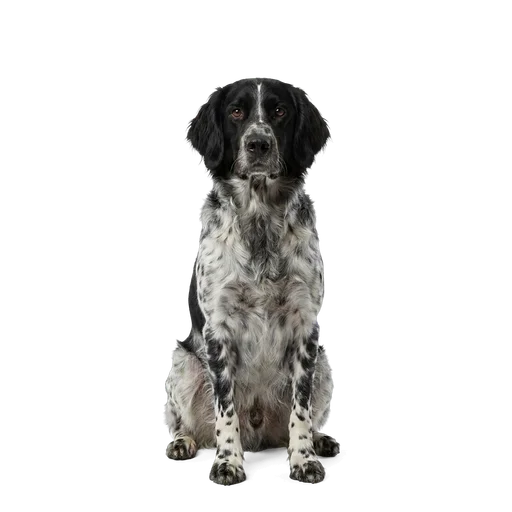
Deciding between similar breeds? Here is the Boxer next to Large Munsterlander and Doberman Pinscher.
| Boxer | Large Munsterlander | Doberman Pinscher | |
|---|---|---|---|
| Size | Large | Large | Large |
| Weight | 25-32 kg | 25-32 kg | 30-45 kg |
| Lifespan | 10-12 yrs | 11-13 yrs | 10-13 yrs |
| Activity | Active | Active | Active |
| Shedding | Medium | Medium | Medium |
| Good with kids | Yes | Yes | Yes |
| Apartment-friendly | No | No | No |
Frequently asked questions
Are Boxers good with children?
Yes, this is one of the breed's strongest traits. Boxers are patient, tolerant, and protective with kids, and their playful energy matches a busy family well. Supervise young children with any large, bouncy dog, because an excited Boxer can knock a toddler over by accident. Raised alongside kids, a Boxer is a devoted and gentle family dog.
Can Boxers handle hot weather?
Not well. Boxers are brachycephalic, meaning the short muzzle makes them far less efficient at cooling themselves by panting. Avoid heavy exercise in heat, walk in the cool of morning or evening, always provide shade and water, and never leave a Boxer in a warm car or room. They overheat faster than long-nosed breeds and heatstroke is a genuine danger.
Are Boxers a healthy breed?
Boxers are prone to some serious conditions, including boxer cardiomyopathy, mast cell tumors and other cancers, hip dysplasia, and brachycephalic breathing issues. They also tend to have a shorter lifespan of 10 to 12 years. Buying from a breeder who screens hearts and hips, plus annual vet checks and regular lump checks, gives you the best odds of catching problems early.
Are Boxers good for first-time dog owners?
They are a lot of dog for a beginner. Boxers are strong, high-energy, and stubborn, and they need firm, consistent, positive training plus real daily exercise. Someone active and willing to put in the work can absolutely succeed with one, but if you want a calm, low-maintenance dog that trains itself, a Boxer is not the right first pick.
How much exercise does a Boxer need?
A lot. Plan on at least two solid sessions a day, walks, play, and off-lead running where it is safe, plus games that engage the brain. Under-exercised Boxers get restless and destructive. Just time the hard exercise around cooler parts of the day, because the short muzzle limits how well they cope with heat and heavy exertion.
Related breeds


Health and care information is drawn from established veterinary sources and is general guidance, not veterinary advice. See our sources
Keep records for your Boxer
Vaccinations, food and treat safety, allergy alerts and parasite reminders - all tracked for your Boxer in the Pethls app.