

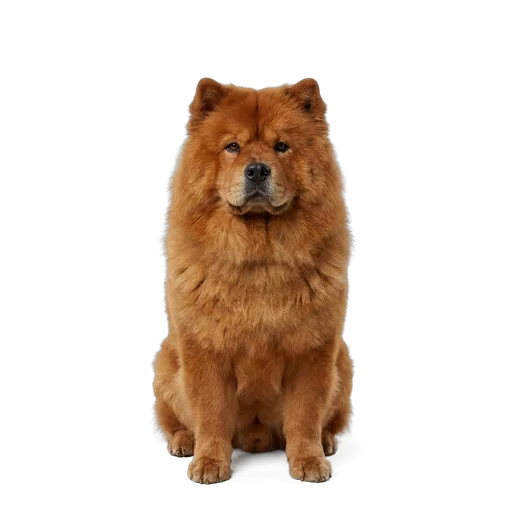
Origin: China
Chow Chow
Get reminders for your Chow Chow's vaccines
Vaccination and parasite reminders, food-safety scans and health records — free to start in the Pethls app.


Good for
The Chow Chow is one of the oldest dog breeds on record, bred in northern China for guarding, hunting and hauling long before it became a companion. Owners often describe living with one as closer to sharing a home with a cat than a dog: dignified, self-contained, and affectionate strictly on its own terms. That famous blue-black tongue and the lion-like ruff around the head make the breed instantly recognisable. Underneath the plush coat sits a serious guardian with a stubborn streak and a strong loyalty to one or two chosen people. This is not a beginner's dog, and the plush double coat means grooming is a real commitment rather than an afterthought.
Temperament & personality
Chow Chows are aloof, independent and slow to hand out affection. They tend to bond deeply with one or two people in the household and stay politely reserved with everyone else. A well-raised Chow is calm and quietly confident rather than clingy: it chooses when it wants contact, dislikes being fussed over, and can be perfectly content lying in the same room without needing to be on your lap.
That independence has a flip side. The breed is naturally suspicious of strangers and can be territorial, which is exactly why early, patient socialization matters so much. Puppies that meet a wide range of people, dogs, sounds and situations before sixteen weeks grow into stable adults. Chows that miss that window can become guarded or reactive, and their strength and determination make those problems harder to manage than in a small breed.
They are not especially eager to please, so training relies on respect and consistency rather than repetition drills. Short, motivating sessions work far better than long ones. Because Chows can be same-sex aggressive and often dislike other dogs, they usually do best as the only pet or paired carefully with a dog they were raised alongside. With children they are typically tolerant of their own family but have limited patience for rough handling, so supervision is sensible.
Vaccination schedule
Chow Chow puppies follow the standard core vaccination plan. The DHPP combination protects against distemper, hepatitis (adenovirus), parvovirus and parainfluenza, and it is given as a series of shots roughly every three to four weeks starting at six to eight weeks of age and finishing around sixteen weeks. Parvovirus in particular is a serious risk for young puppies, so the full course should be completed before they mix freely with unknown dogs.
Rabies vaccination is given once at around twelve to sixteen weeks, depending on local law, then boosted at the first annual visit. After the puppy series, most dogs move to a schedule of core boosters every one to three years based on your vet's protocol and regional requirements.
Leptospirosis is now considered a core vaccine recommended for every dog, given as a two-dose puppy series and then boosted annually, unlike the DHPP core boosters that run every one to three years. Non-core vaccines are matched to lifestyle and location. Bordetella (kennel cough), canine influenza and Lyme disease may be recommended if your Chow visits boarding kennels, grooming salons, dog shows or tick-heavy areas. Your vet will tailor the plan to your dog's exposure, so talk through daycare, travel and grooming habits at the puppy visits.
Best food & diet
Chow Chows do well on a complete, balanced diet appropriate for their life stage, fed in measured portions rather than left down all day. As a medium-to-large breed prone to joint problems, keeping them lean is one of the single most useful things you can do for long-term health; extra weight loads the hips and knees. Ribs you can feel easily under the coat, without a layer of padding, is the target.
Some Chows have sensitive stomachs and skin, and food-related reactions are worth keeping in mind. Common triggers in this breed include beef, chicken, soy and wheat, so if you see chronic itching, ear infections or loose stools, an elimination diet run with your vet can identify the culprit. A single novel protein and carbohydrate source is the usual starting point.
Puppies should be raised on a large or medium breed puppy formula that supports steady, controlled growth rather than rapid weight gain, which protects developing joints. Fresh water must always be available, and because their heavy double coat makes Chows prone to overheating, avoid feeding or exercising them hard in the heat of the day. Split the daily ration into two meals to help digestion and reduce begging.
Common health problems
Like many sturdy breeds, Chow Chows may develop hip and elbow dysplasia, where the joints develop abnormally and lead to pain, stiffness and arthritis over time. Responsible breeders screen their breeding stock, so ask to see hip and elbow scores for both parents. Keeping your Chow slim and providing regular, moderate exercise helps protect the joints throughout life.
Entropion is common in Chow Chows and worth watching for. The eyelid rolls inward so the lashes rub against the eye, which is painful and can damage the cornea if left untreated. It is common in this breed thanks to the heavy facial folds, and it usually needs a straightforward corrective surgery. Signs include squinting, tearing, redness and pawing at the eyes, and any of these deserve prompt attention.
Patellar luxation (slipping kneecaps) and autoimmune skin conditions also turn up in the breed. Because of their heavy double coat, Chows tolerate heat poorly and can struggle to cool themselves, so heatstroke is a genuine risk in warm weather. Keep exercise gentle on hot days, provide shade and water, and never leave a Chow in a warm car or an unventilated space.
Allergies & skin
That thick double coat hides a lot, so skin problems can be well established before an owner notices. Chow Chows can sometimes develop allergic skin disease, and dust mites are a frequent environmental trigger, alongside grass pollen. Typical signs are itching, recurrent ear infections, red or greasy skin and hair loss, often around the feet, face and belly.
Food allergies show up in similar ways. Beef, chicken, soy and wheat are the usual dietary suspects in this breed, and separating a food allergy from an environmental one takes patience and, often, a proper elimination diet supervised by your vet. Do not switch foods randomly, since that muddies the picture and delays a real answer.
Autoimmune skin disease is also one to keep an eye on, so any stubborn, unusual or spreading skin lesion should be looked at rather than treated with over-the-counter creams. Regular grooming down to the skin lets you catch hot spots, sores and parasites early, which is far easier than dealing with a deep infection buried under matted fur.
Flea, tick & worm prevention
Year-round flea and tick prevention is important for every Chow, and the dense coat makes it doubly so because parasites are hard to spot and easy to miss until an infestation takes hold. A single flea bite can set off an allergic flare in a sensitive dog, and ticks carry diseases such as Lyme and ehrlichiosis. Your vet can recommend a spot-on, collar or oral product suited to your dog's weight and your local parasite pressure.
Worming covers the internal parasites: roundworms, hookworms, whipworms and tapeworms. Puppies need worming every two weeks until around twelve weeks of age, then monthly until six months of age, then on a routine adult schedule, usually every three months. Many owners find a combined product that handles fleas, worms and heartworm the simplest way to stay covered.
Where heartworm is present, monthly prevention is essential because treating an established infection is difficult, expensive and risky. Match the schedule to your climate and travel habits, and part the coat right down to the skin when you check for ticks after walks, since the ruff and leg feathering hide them easily.
Medications & dosing
Every medication for your Chow Chow should be dosed by body weight and directed by your vet. A medium adult typically weighs anywhere from twenty to thirty-two kilograms, and that range makes accurate weighing important; guessing risks under-dosing (which fails to work) or over-dosing (which can harm). Weigh your dog at vet visits and adjust preventives as an adult reaches full size.
Never give human painkillers such as ibuprofen or paracetamol, which are toxic to dogs even in small amounts. For joint pain, which is common in this breed, your vet can prescribe canine-safe anti-inflammatories and monitor the liver and kidneys during long-term use. Because entropion surgery is common in Chows, post-operative eye medications and pain relief should be given exactly as instructed.
Always finish prescribed courses, especially antibiotics for skin or ear infections, even if the problem looks resolved. Keep a note of any reaction your dog has had to a medication and share it with any new vet. If you ever suspect your Chow has swallowed something toxic or been given the wrong dose, contact your vet or an animal poison line straight away rather than waiting to see what happens.
Grooming & coat care
The Chow Chow's coat comes in rough (the classic plush, standing-off look) and smooth varieties, and both are dense double coats that demand real work. Rough Chows need brushing several times a week, and daily during the twice-yearly heavy shedding periods when the undercoat blows out in impressive quantities. Skip it and the coat mats close to the skin, which is uncomfortable and traps moisture that leads to infection.
Use a slicker brush and an undercoat rake, and work all the way down to the skin rather than just skimming the surface. Pay special attention to the ruff, the trousers on the back legs, behind the ears and under the tail, where mats form first. Bathe as needed with a shampoo suited to the double coat, and dry thoroughly, because damp trapped under that dense fur is a recipe for hot spots.
The facial folds and the area around the eyes need regular gentle cleaning, particularly given how prone the breed is to entropion and eye irritation. Keep nails trimmed, check and clean the ears, and stay on top of dental care. Never shave a Chow down to cool it off; the double coat actually insulates against heat as well as cold, and shaving can damage regrowth and remove that protection. Manage heat through shade, water and timing instead.
How the Chow Chow compares
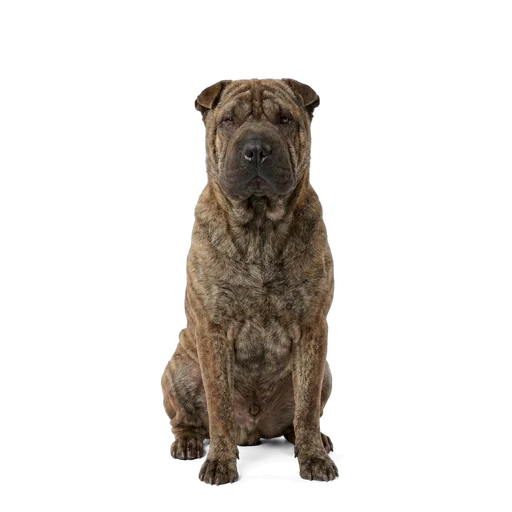
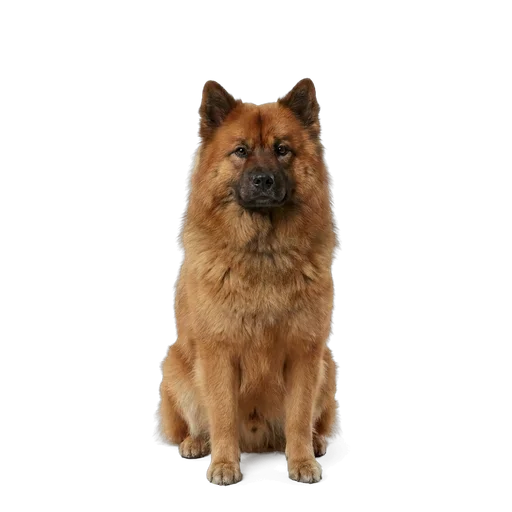
Deciding between similar breeds? Here is the Chow Chow next to Chinese Shar-Pei and Eurasier.
| Chow Chow | Chinese Shar-Pei | Eurasier | |
|---|---|---|---|
| Size | Medium | Medium | Medium |
| Weight | 20-32 kg | 18-27 kg | 18-32 kg |
| Lifespan | 9-15 yrs | 8-12 yrs | 12-16 yrs |
| Activity | Calm | Calm | Calm |
| Shedding | High | Medium | High |
| Good with kids | Yes | Yes | Yes |
| Apartment-friendly | Yes | Yes | Yes |
Frequently asked questions
Are Chow Chows good for first-time dog owners?
Generally no. Their independence, guarding instincts and stubborn nature make them a challenging first dog. They need confident, consistent handling and committed early socialization, which is a lot to ask of someone learning the ropes. First-time owners who are set on the breed should line up a good trainer early and go in with realistic expectations.
Why does a Chow Chow have a blue-black tongue?
The blue-black tongue is a distinctive breed trait present from a few weeks of age. It is a normal pigment feature, not a health concern. Worth knowing: if an adult dog's tongue suddenly changes color, that is a different matter and reason to see a vet, since it can signal an oxygen or circulation problem.
How much do Chow Chows shed?
A lot. They are heavy shedders year-round and blow their undercoat dramatically twice a year, usually in spring and autumn. Expect brushing several times a week normally and daily during those seasonal molts. They are not hypoallergenic and are a poor match for anyone hoping to avoid fur around the house.
Do Chow Chows get along with other dogs and pets?
Often not easily. Many Chows are aloof or aggressive toward other dogs, particularly of the same sex, and their aloof, guarded nature can make sharing a home with cats and small animals a challenge. Early socialization helps, but plenty of Chows are happiest as the only pet in the home. Careful, supervised introductions are a must.
Can Chow Chows handle hot weather?
Not well. The thick double coat adds to their heat load and can make it harder for them to cool through panting, so they can be prone to overheating and heatstroke. Exercise them in the cool parts of the day, provide constant shade and water, and never leave one in a warm car or unventilated room.
Related breeds
Health and care information is drawn from established veterinary sources and is general guidance, not veterinary advice. See our sources
Keep records for your Chow Chow
Vaccinations, food and treat safety, allergy alerts and parasite reminders - all tracked for your Chow Chow in the Pethls app.