

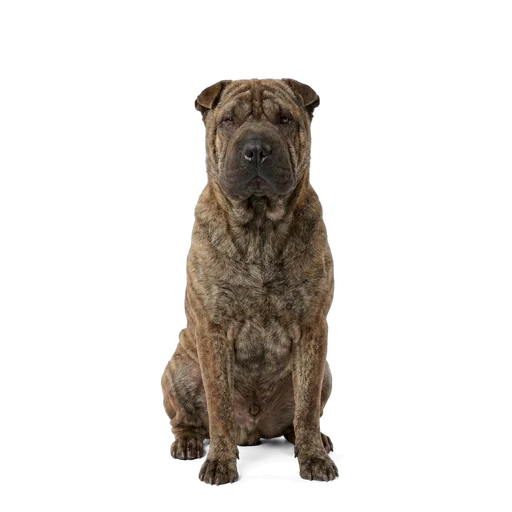
Origin: China
Chinese Shar-Pei
Get reminders for your Chinese Shar-Pei's vaccines
Vaccination and parasite reminders, food-safety scans and health records — free to start in the Pethls app.


Good for
The Chinese Shar-Pei is instantly recognisable: a compact, powerful dog wrapped in loose, wrinkled skin, with a blue-black tongue and small, deep-set eyes. The breed comes from southern China, where it worked as a farm dog, guardian and hunter, and that history shows in its calm, self-possessed, faintly stubborn character. Shar-Pei are devoted to their own family and reserved to the point of standoffish with strangers. The wrinkles that give the breed its charm also give it its biggest care challenge, because those skin folds trap moisture and need real attention. For all their sturdy build, the breed carries some serious health considerations that any prospective owner should understand before committing.
Temperament & personality
Shar-Pei are calm, dignified and independent. Around the house they are typically quiet and undemanding, content to be near their people without constantly seeking attention. They form strong, loyal bonds with their family and can be genuinely devoted, but that loyalty comes packaged with a natural aloofness toward outsiders and a guarding instinct that is baked into the breed.
That wariness makes early and thorough socialization essential. A Shar-Pei that meets many people, dogs and situations as a puppy learns to tell a normal visitor from a real threat. Without it, the breed's suspicion can tip into reactivity, and their strength and stubbornness make that hard to unpick later. They are intelligent and capable of learning quickly, but they think for themselves and will not perform to please, so training needs to be firm, fair and consistent.
With their own family, including children they have grown up with, Shar-Pei are usually steady and affectionate. They tend to be less enthusiastic about strange children and other dogs, and many do best as the only dog or with careful, gradual introductions. Their small, deep-set eyes, crowded by the heavy facial folds, can narrow their field of view, so they are sometimes startled by sudden approaches from the side, so teaching people (especially kids) to approach calmly from the front helps a lot.
Vaccination schedule
Shar-Pei puppies need the standard core vaccine series. DHPP protects against distemper, hepatitis (adenovirus), parvovirus and parainfluenza, and is given every three to four weeks from about six to eight weeks of age until around sixteen weeks. Completing the whole course before your puppy meets unfamiliar dogs is important, as parvovirus is often fatal in the unprotected young.
Rabies is given once at roughly twelve to sixteen weeks depending on where you live, then boosted at the first annual check. From there, core vaccines are boosted every one to three years according to your vet's protocol and local law.
Leptospirosis is now a core vaccine recommended for every dog. It needs a two-dose puppy series followed by an annual booster, unlike the DHPP core vaccines that are boosted every one to three years. Dogs with water, rural or wildlife exposure face a higher risk, which is part of why the yearly booster matters, but the vaccine is advised regardless of lifestyle. Other non-core vaccines depend on lifestyle. Bordetella, canine influenza and Lyme cover may be advised if your Shar-Pei goes to kennels, daycare, shows or tick-heavy areas. Because the breed can have immune-system quirks tied to its inflammatory conditions, keep your vet fully informed about your dog's health history so the vaccine plan fits the individual dog.
Best food & diet
Feed your Shar-Pei a complete, balanced diet suited to its life stage, in measured meals rather than free-choice feeding. The breed can be prone to weight gain, and keeping them lean protects their joints and reduces strain on a body that already carries some health risks. As a rough guide, you should be able to feel the ribs without pressing through a layer of fat.
Skin and food sensitivities are common, so many Shar-Pei do better on a diet built around a limited number of high-quality ingredients. If your dog has recurrent itching, ear trouble or digestive upset, an elimination diet arranged with your vet can pin down the trigger. A high-quality diet with good skin-supporting fats can also help the coat and folds stay healthy.
Puppies should grow on an appropriate puppy formula, and fresh water must always be on offer, particularly because the breed's heavy skin folds make them heat-sensitive and prone to dehydration in warm weather. Split the daily amount into two meals, and avoid heavy exercise right after eating. If your Shar-Pei has been diagnosed with kidney involvement from amyloidosis, your vet may prescribe a specific therapeutic diet, which then replaces general feeding advice.
Common health problems
The condition every Shar-Pei owner should understand is familial Shar-Pei fever, a breed-specific inflammatory disorder. It causes recurring bouts of fever, often with swelling around the hocks (the ankle joints), and it stems from the same genetic feature that gives the breed its wrinkles. The most serious concern is that repeated inflammation can drive amyloidosis, where an abnormal protein builds up in the organs, most dangerously the kidneys, and can lead to kidney failure. Any unexplained fever, lethargy or hock swelling needs veterinary attention, and dogs diagnosed with the fever should be monitored long-term.
Entropion is very common in the breed because of the heavy facial wrinkling. The eyelid rolls inward and the lashes rub the eye, which is painful and can damage the cornea. Puppies sometimes need eye tacking as a temporary measure and corrective surgery later. Squinting, watery eyes, redness and rubbing at the face are all signs to act on quickly.
Heat tolerance is worth watching in this breed. The heavy folds and dense skin make it harder for a Shar-Pei to cool off, so avoid exercise in hot, humid weather and keep them cool and hydrated. Skin fold problems and ear infections are both worth catching early, and the ear canals are fairly narrow, which makes an infection easy to miss until it is well established. Because Shar-Pei fever, entropion and amyloidosis are all breed-specific, a vet who has treated the breed before is a real asset.
Allergies & skin
Skin is the defining care issue in this breed. Shar-Pei are prone to atopic dermatitis, an allergic skin condition triggered by environmental allergens such as pollen, mold and dust mites, which shows up as itching, redness, recurrent ear infections and hair loss. Food allergies can cause the same picture, so working out whether the trigger is environmental or dietary often needs a methodical approach and your vet's help.
On top of general allergies, the wrinkles and skin folds create their own problem: skin fold dermatitis. Warmth and moisture get trapped in the deep folds around the face, muzzle and body, and the result is redness, odor, yeast or bacterial infection and sore, irritated skin. The folds need regular cleaning and, critically, thorough drying, because damp left in a fold is what tips it into infection.
Because the breed's inflammatory tendency underlies several of its problems, don't dismiss persistent skin trouble as cosmetic. Clean the folds as part of a routine, keep the coat and skin dry after baths or swimming, and get any stubborn redness, smell or sore checked. Catching a fold infection early is far simpler than clearing a deep, established one.
Flea, tick & worm prevention
Year-round flea and tick prevention matters for every Shar-Pei, and it matters more given how reactive their skin is. A single flea bite can trigger a miserable allergic flare, and ticks spread diseases such as Lyme and ehrlichiosis. Your vet can suggest a spot-on, oral or collar product matched to your dog's weight and your local parasite risk. When you apply spot-on treatments, part the coat and reach the skin between the folds.
Worming handles the internal parasites: roundworms, hookworms, whipworms and tapeworms. Puppies are wormed every two weeks until about twelve weeks, then monthly to six months, then on an adult routine, commonly every three months. A combined product covering fleas, worms and heartworm is the simplest way for many owners to stay on top of everything.
In regions where heartworm is a threat, monthly prevention is essential, since treatment of an established infection is hard on the dog. Match the plan to your climate and travel, and when you check for ticks after walks, work carefully around the neck folds and legs where they hide.
Medications & dosing
All medications for a Shar-Pei should be dosed by body weight and prescribed by your vet. Adults generally weigh between eighteen and twenty-seven kilograms, so accurate weighing before dosing preventives and medicines is important; a weight guess can leave a treatment ineffective or push it into a harmful range.
This breed's health conditions make careful veterinary oversight especially important. For dogs diagnosed with familial Shar-Pei fever, a vet may discuss anti-inflammatory medication such as colchicine to help slow amyloid deposition, and those with kidney involvement require medications and monitoring tailored to their kidney function, which changes what is safe to give. Never assume a drug that suits another dog is fine for a Shar-Pei with these conditions.
Never give human medicines like ibuprofen or paracetamol, which are toxic to dogs. Finish prescribed courses fully, especially antibiotics for the skin and ear infections this breed is prone to. Keep a record of any medication reactions, share it with every vet you see, and if you suspect a poisoning or dosing error, call your vet or an animal poison line straight away.
Grooming & coat care
The coat itself is low-maintenance. Shar-Pei have a short, harsh coat that comes in a very short 'horse' variety and a slightly longer 'brush' variety, and both need only weekly brushing to remove loose hair and keep the skin healthy. They are moderate shedders rather than heavy ones. A rubber grooming mitt or a soft brush does the job. The harsh coat can prickle if it gets on your skin, which is a normal quirk of the breed.
The real grooming work is the folds, not the fur. The deep wrinkles around the face and body need regular cleaning with a damp cloth and, above all, careful drying afterward, because trapped moisture is what causes fold infections. Build this into a routine so you catch redness, odor or soreness early. The ear canals also need regular checking and gentle cleaning, since the fairly narrow canals make an infection easy to miss until it is well underway.
Bathe only as needed and dry the dog thoroughly, working into every fold, before letting the coat and skin stay damp. Keep nails trimmed and stay on top of dental care. Pay attention to the eyes during grooming given how common entropion is in the breed, and flag any squinting or discharge to your vet.
How the Chinese Shar-Pei compares
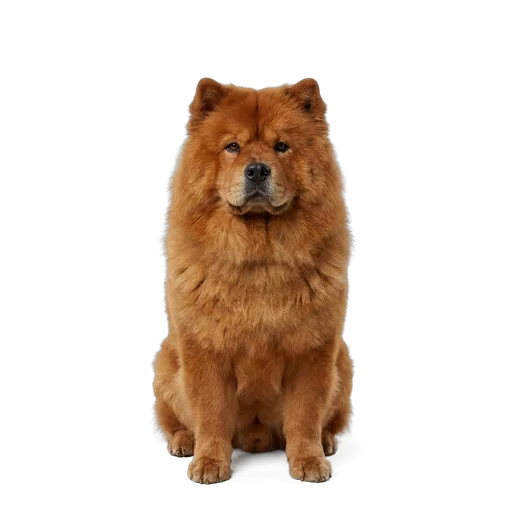
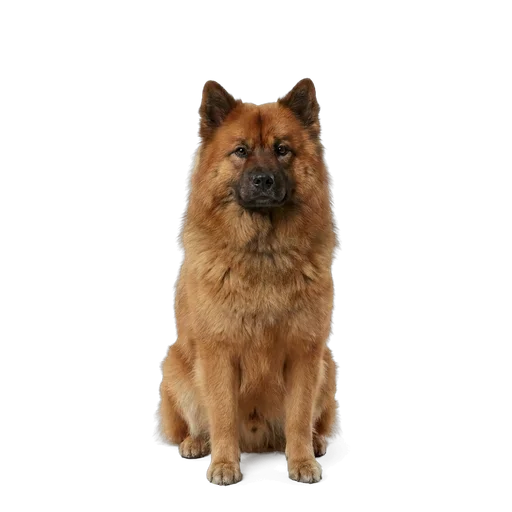
Deciding between similar breeds? Here is the Chinese Shar-Pei next to Chow Chow and Eurasier.
| Chinese Shar-Pei | Chow Chow | Eurasier | |
|---|---|---|---|
| Size | Medium | Medium | Medium |
| Weight | 18-27 kg | 20-32 kg | 18-32 kg |
| Lifespan | 8-12 yrs | 9-15 yrs | 12-16 yrs |
| Activity | Calm | Calm | Calm |
| Shedding | Medium | High | High |
| Good with kids | Yes | Yes | Yes |
| Apartment-friendly | Yes | Yes | Yes |
Frequently asked questions
What is familial Shar-Pei fever?
It is a breed-specific inflammatory condition that causes recurring episodes of fever, often with swelling around the hock joints. It is linked to the same genetics that produce the breed's wrinkles. The serious concern is that repeated inflammation can lead to amyloidosis, where protein builds up in the organs and can cause kidney failure. Dogs that show unexplained fever or hock swelling should be seen by a vet and monitored long-term.
Do Shar-Pei wrinkles need special care?
Yes. The deep skin folds trap warmth and moisture, which leads to skin fold dermatitis, a painful infection of the folds. They need regular cleaning and, most importantly, thorough drying, especially around the face and after baths. Building fold care into a routine and catching redness or odor early keeps small problems from becoming deep infections.
Are Shar-Pei good with children and other pets?
They are usually steady and affectionate with their own family, including children raised alongside them, but they are reserved with strangers and can be less patient with unfamiliar kids and other dogs. Early socialization is essential, and many Shar-Pei do best as the only dog. Teach children to approach calmly from the front, since the breed's deep-set eyes limit side vision and sudden approaches can startle them.
Are Shar-Pei suitable for first-time owners?
They are a demanding first dog. Between the strong-willed, independent temperament, the guarding instinct that needs careful socialization, and the significant health and skin-care needs, they suit an owner ready to commit time and money. A first-time owner set on the breed should choose a health-tested puppy, find a vet familiar with Shar-Pei, and get help with training early.
How much do Shar-Pei shed and are they hypoallergenic?
They are moderate shedders with a short, harsh coat that needs only weekly brushing. They are not hypoallergenic. Anyone sensitive to dog dander or fur should spend time around the breed before committing, since the low grooming demand of the coat does not make them allergy-friendly.
Related breeds
Health and care information is drawn from established veterinary sources and is general guidance, not veterinary advice. See our sources
Keep records for your Chinese Shar-Pei
Vaccinations, food and treat safety, allergy alerts and parasite reminders - all tracked for your Chinese Shar-Pei in the Pethls app.