

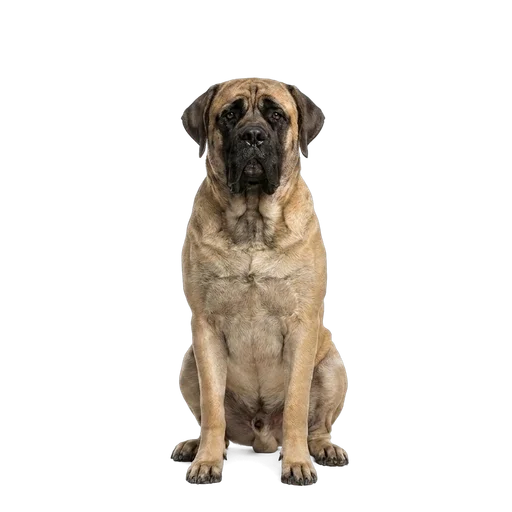
Origin: United Kingdom
English Mastiff
Get reminders for your English Mastiff's vaccines
Vaccination and parasite reminders, food-safety scans and health records — free to start in the Pethls app.


Good for
The English Mastiff is one of the heaviest dogs on earth, with the largest males reaching 100 kg, yet the breed's defining trait is calm. This is the classic gentle giant: docile, dignified, and quietly affectionate with its family. A Mastiff spends most of the day lounging and asks only for moderate exercise, but that easygoing nature comes wrapped in serious size, cost, and strength. Keeping one lean is a health priority, not a cosmetic one, because every extra kilo lands on joints and a heart that are already carrying a lot. First-time owners underestimate what it takes to house, feed, medicate, and physically manage a dog this big.
Temperament & personality
Mastiffs are calm, steady, and deeply attached to their people. They were bred as guardians, so a Mastiff is naturally watchful and will place its bulk between the family and a stranger, but the modern breed is docile rather than aggressive. Most are quiet dogs that would rather lean on you than patrol. That mellow disposition makes them wonderful housemates for people who want a large, low-drama companion.
They are sensitive and take correction to heart, so training works best with patience and rewards rather than force. A Mastiff that feels bullied simply shuts down. They are not the fastest breed to obey, partly out of a slight stubborn streak and partly because they think things over, but early training is essential precisely because you cannot manhandle a 70 kg adult that never learned manners as a puppy.
With family children they are gentle and tolerant, often remarkably patient. The catch is physics: a Mastiff can knock a toddler flat without any ill intent simply by turning around, so supervision around small kids is about accidental injury, not temperament. They usually coexist well with other pets, especially animals they are raised alongside.
Vaccination schedule
Mastiff puppies get the same core vaccine series as any dog. The DHPP combination (distemper, hepatitis/adenovirus, parvovirus, parainfluenza) starts around 6 to 8 weeks and repeats every 3 to 4 weeks until at least 16 weeks of age. Parvovirus is dangerous to young puppies, so finish the full series before letting the puppy socialize with dogs of unknown vaccination status.
Rabies is given once between 12 and 16 weeks depending on local law, boostered at one year, then every 1 to 3 years based on the product used and regional rules. With a giant breed that will be boarded, transported, or seen by multiple vets over its life, keeping vaccine records organized saves headaches later.
Leptospirosis is now a core vaccine recommended for every dog, so your Mastiff should get it regardless of area or lifestyle; it needs a 2-dose puppy series followed by an annual booster, unlike the DHPP core boosters that run every 3 years. Whether your Mastiff also needs non-core vaccines like Bordetella (kennel cough), Lyme, or canine influenza depends on your area and the dog's exposure. Discuss lifestyle with your vet: a Mastiff that meets other dogs or boards is a candidate for that extra coverage, while a homebody may not need all of it. Walking near water, rural roaming, or wildlife contact raises leptospirosis risk and is why the annual booster matters, but every dog should be protected regardless.
Best food & diet
Feed a Mastiff puppy a large-breed puppy formula. These diets deliberately limit calcium and control calories to slow the growth rate, which is critical for a breed that can gain over a kilo a week as a puppy. Fast growth overloads developing joints and can contribute to dysplasia and other orthopedic problems. Feed to the projected adult weight and resist the urge to grow the puppy big and fast.
Adult Mastiffs must be kept lean. Extra weight strains the hips, elbows, spine, and heart, all of which are already vulnerable in the breed. You should be able to feel the ribs with light pressure. Feed a quality diet with real animal protein and adjust the amount to keep body condition in check rather than trusting the bag's generous suggestions.
Bloat is a serious risk in this deep-chested breed, so feeding management matters. Split the daily ration into two or three meals, slow down fast eaters with a puzzle bowl, and keep the dog quiet around mealtimes. Beef, chicken, and dairy are the common food-reaction culprits for Mastiffs, so if you see chronic itching or digestive upset, work with your vet on an elimination diet to find the trigger.
Common health problems
Like many giant breeds, Mastiffs are prone to hip and elbow dysplasia, driven by both genetics and the stress a heavy frame puts on the joints. Buy from breeders who screen their breeding dogs, keep your Mastiff lean for life, and avoid high-impact exercise while the growth plates are still open. Many Mastiffs develop arthritis as they age, so plan for joint support and pain management in the senior years.
Gastric dilatation-volvulus (bloat) is a life-threatening emergency that deep-chested breeds like the Mastiff are prone to. The stomach distends with gas and can twist, and without immediate surgery it is fatal. Watch for a swelling abdomen, unproductive retching, drooling, and pacing distress. Many owners choose a preventive gastropexy, often at the same time as spay or neuter, to tack the stomach and prevent the twist.
The breed also carries cardiac and metabolic risks. Dilated cardiomyopathy, a disease that weakens and enlarges the heart, can occur in large breeds, so periodic cardiac screening is a reasonable precaution. Progressive retinal atrophy, an inherited degeneration of the retina that leads to gradual vision loss, is also recognized in the breed. Watch for eye entropion (an inward-rolling eyelid), real heat sensitivity given the body mass, and general joint strain from the weight, and you have a breed that needs proactive veterinary care rather than reactive.
Allergies & skin
Food reactions in Mastiffs most often involve common ingredients, with beef, chicken, and dairy being the usual suspects. A genuine food allergy tends to present as ongoing itching, recurrent ear infections, or paw and belly licking rather than as a one-off stomach upset. The dependable way to diagnose it is a supervised 8 to 12 week elimination diet on a novel or hydrolyzed protein.
Environmental allergens matter too, and dust mites are a frequent trigger for this breed. Dust-mite reactions run year-round, so washing bedding on a hot cycle, vacuuming often, and wiping the dog down help lower the load. Signs to watch for are face-rubbing, chewed feet, reddened belly skin, and repeat ear flare-ups.
The Mastiff's facial folds and loose skin are the areas most likely to cause trouble. Moisture and food debris collect in the wrinkles around the muzzle and eyes and set up yeast or bacterial infections. The short coat makes the rest of the body easy to inspect, so run your hands over the dog weekly and treat any spreading, weeping, or smelly patch as a vet matter rather than something to watch.
Flea, tick & worm prevention
Keep a Mastiff on year-round flea and tick prevention. Ticks transmit diseases such as Lyme and ehrlichiosis, and fleas trigger the skin irritation this breed is already prone to. Products come as monthly chews, topical spot-ons, or long-acting collars, and every one is dosed by body weight, so a Mastiff sits firmly in the largest weight band. Never dose down from a smaller dog's product.
Intestinal worms (roundworm, hookworm, whipworm, tapeworm) and heartworm need separate handling. Puppies are dewormed on a schedule beginning at 2 to 3 weeks, and adults stay on routine deworming or a combination preventive. Heartworm is carried by mosquitoes and is far easier and cheaper to prevent than to treat, so keep the dog on monthly heartworm prevention through mosquito season or all year, depending on your region.
Combination products that fold heartworm, intestinal worms, and flea or tick coverage into a single monthly dose make life simpler with a giant dog. No one product covers everything, though, so let your vet build the right combination for your climate and the parasites that are common where you live.
Medications & dosing
Medication dosing for a Mastiff is all about weight, and with adults ranging from roughly 54 to 100 kg, accuracy matters more than in almost any other breed. A wrong estimate on a dog this size can push a dose well off target. Weigh the dog properly before anything weight-based, and never give human medications, since common ones like ibuprofen and paracetamol are poisonous to dogs.
For the arthritis that follows dysplasia and years of carrying that frame, vets use dog-specific NSAIDs alongside joint supplements and, for chronic pain, newer monoclonal antibody injections. Long-term NSAID use calls for regular bloodwork to keep an eye on kidney and liver function, especially in an older giant-breed dog.
As with any giant breed, anesthesia and sedation should be planned carefully with your vet, taking body composition into account, rather than dosed by body weight alone. If your dog is diagnosed with a heart condition or an eye disease such as progressive retinal atrophy, its care and any medications are tailored to the individual and adjusted with follow-up testing. Give everything exactly as prescribed.
Grooming & coat care
The Mastiff's short, dense coat is easy to care for. A weekly brush with a rubber curry or bristle brush pulls out dead hair and keeps shedding under control. The breed sheds a moderate amount all year with heavier seasonal drops in spring and fall, when brushing a few times a week keeps loose hair down. Baths are occasional, every couple of months or when the dog gets dirty.
The real work is the face. Mastiffs drool, sometimes a lot, and that moisture combined with deep facial folds is a setup for skin infection. Wipe the wrinkles and the lip area clean and dry daily, and keep a cloth handy for the drool. Neglected folds turn red, sore, and smelly quickly, so this is a genuine daily task rather than an optional extra.
Finish with nails, ears, and teeth. Keep the nails short, because overgrown nails change how a heavy dog stands and add strain to the joints. Check the ears for redness or odor and clean as needed. Brush the teeth several times a week. Getting the puppy used to having its face, feet, and mouth handled early pays off enormously once you are grooming a dog that outweighs you.
How the English Mastiff compares
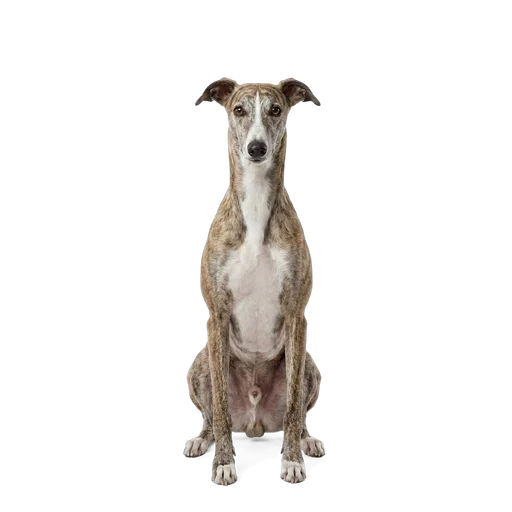
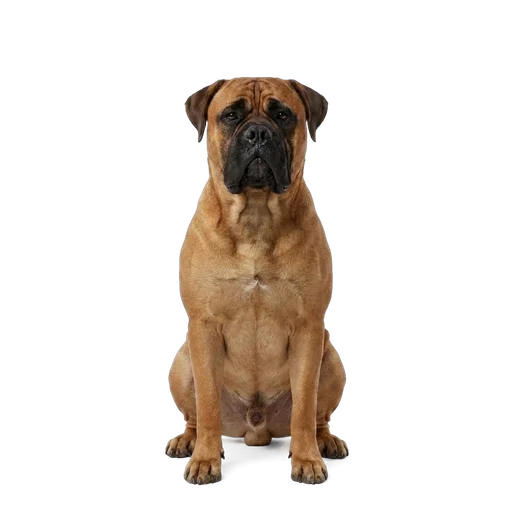
Deciding between similar breeds? Here is the English Mastiff next to Greyhound and Bullmastiff.
| English Mastiff | Greyhound | Bullmastiff | |
|---|---|---|---|
| Size | Large | Large | Large |
| Weight | 54-100 kg | 27-40 kg | 45-59 kg |
| Lifespan | 6-12 yrs | 10-14 yrs | 7-9 yrs |
| Activity | Calm | Calm | Moderate |
| Shedding | Medium | Low | Medium |
| Good with kids | Yes | Yes | Yes |
| Apartment-friendly | No | Yes | Yes |
Frequently asked questions
How big does an English Mastiff get?
Very big. Females typically run around 54 to 77 kg and males from roughly 73 kg up to 100 kg, with exceptional individuals heavier still. They stand about 70 to 80 cm at the shoulder. This is one of the heaviest breeds in the world by mass, which shapes everything from food and vet bills to how much car and house space you need.
Are English Mastiffs good family dogs?
Yes, for the right family. They are gentle, patient, and affectionate with their people and usually tolerant of children and other pets. The main caution is size: a Mastiff can accidentally knock over a small child just by moving, so supervise around toddlers. Their calm, low-energy nature makes them easy housemates once they are past the puppy stage.
How much exercise does an English Mastiff need?
Only moderate amounts. A couple of gentle walks a day and some light play are plenty for an adult, and over-exercising is actually harmful while they are growing or in hot weather. The priority is keeping the dog lean and its joints protected rather than building stamina. They are quite happy to be low-key, indoor dogs between short outings.
Do English Mastiffs drool a lot?
Yes. The loose lips (flews) mean drool is part of daily life, especially after drinking, eating, or when excited. Owners keep towels around the house and wipe the dog's mouth and facial folds regularly to prevent skin infection. If drool and slobber bother you, this is not the breed for you.
Why do English Mastiffs have shorter lifespans?
Giant breeds age faster and carry more health risk than smaller dogs, and the Mastiff's range is about 6 to 12 years. Their size stresses the joints and heart, and conditions like bloat, dysplasia, and dilated cardiomyopathy take a toll. Keeping the dog lean, feeding large-breed puppy food during growth, screening for heart and joint disease, and preventing bloat all help a Mastiff reach the upper end of that range.
Related breeds
Health and care information is drawn from established veterinary sources and is general guidance, not veterinary advice. See our sources
Keep records for your English Mastiff
Vaccinations, food and treat safety, allergy alerts and parasite reminders - all tracked for your English Mastiff in the Pethls app.