

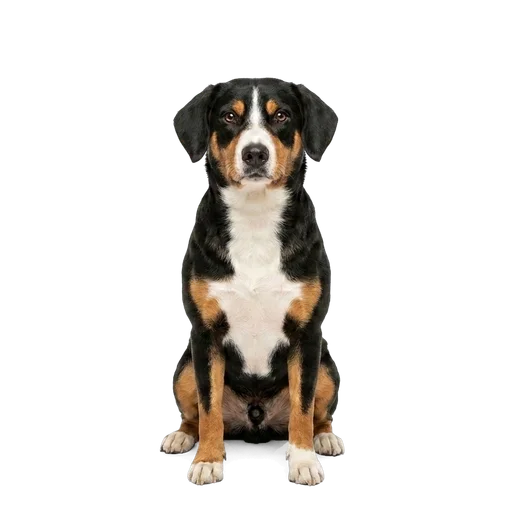
Origin: Switzerland
Entlebucher Mountain Dog
Get reminders for your Entlebucher Mountain Dog's vaccines
Vaccination and parasite reminders, food-safety scans and health records — free to start in the Pethls app.


Good for
The Entlebucher Mountain Dog is the smallest of the four Swiss mountain breeds, a compact tricolor cattle driver from the Entlebuch valley that packs 20 to 30 kg of muscle into a low, agile frame. This is a working dog first and a couch dog rarely: clever, boisterous, and intensely devoted to its people. Give an Entlebucher a job and daily exercise and you get one of the most rewarding medium breeds around; skip the training and the same dog becomes pushy and loud. Most live 11 to 13 years, and a few heritable issues, including eye and urinary problems, are worth knowing about before you buy a puppy.
Temperament & personality
Entlebuchers were bred to move cattle through Alpine valleys, and everything about their character flows from that job. They are quick thinkers, physically fearless, and they like to control movement, which means an untrained Entlebucher will happily herd children, chase cyclists, and body-check other dogs in play. Owners often describe them as cheeky. That word is accurate. This breed tests rules, remembers exactly which ones you failed to enforce, and exploits the gaps with visible enjoyment.
With their own family they are extremely affectionate, often glued to one person, and they take guarding seriously. Expect barking when someone approaches the house and a reserved, watchful attitude toward strangers until you signal that the visitor is fine. Early, broad socialization between eight and sixteen weeks makes a huge difference in how relaxed the adult dog is around new people and unfamiliar dogs.
They fit well with active families and with children old enough to stand up to an enthusiastic 25 kg dog, but toddlers can get flattened or nipped at the heels during play, so supervise and teach the dog a solid settle. With other pets, most Entlebuchers do fine when raised together, though the herding drive means cats who run will be chased. Plan on ninety minutes or more of real activity daily, ideally including work for the brain: obedience, agility, herding trials, scent games, or cart pulling all suit them.
Vaccination schedule
Entlebucher puppies follow the standard canine core schedule. The DHPP combination vaccine, covering distemper, hepatitis (adenovirus), parvovirus, and parainfluenza, begins around six to eight weeks and is repeated every three to four weeks until the pup is at least sixteen weeks old. That usually works out to three or four visits. The series matters because maternal antibodies fade at unpredictable times, and a single early shot can be neutralized before the immune system responds to it.
Rabies is given once between twelve and sixteen weeks, depending on local law, then boosted a year later. After that, most vets move rabies and DHPP to a one-year or three-year cycle based on the licensed product and your region's rules. Keep the certificate handy; you will need it for boarding, travel, and most training classes.
Because Entlebuchers tend to end up in dog sports, daycare, and group classes, ask your vet about non-core vaccines too. Bordetella and canine influenza are sensible for dogs who mix with lots of others, and leptospirosis is worth serious consideration for a breed that drinks from puddles and swims in farm country. Log each dose and due date in a health log so a booster never slips past you.
Best food & diet
Feed a complete diet formulated for active medium breeds. An adult Entlebucher doing real daily work burns serious calories, so look for a food with quality animal protein around 25 to 30 percent and moderate fat, and adjust portions to the individual dog rather than the bag chart. At the same body weight, a farm dog moving stock every day can need roughly a third more food than a weekend hiking companion.
Puppies should eat a growth formula for medium breeds until roughly twelve months. Because hip dysplasia occurs in the breed, avoid overfeeding during growth; a lean puppy with ribs easily felt under light fat cover puts far less strain on developing joints than a roly-poly one. Three meals a day until six months, then two, is a comfortable rhythm.
Adults do best on two measured meals rather than free feeding. These dogs are motivated eaters and will campaign hard for extras, so count training treats against the daily ration. Fresh water always, and go easy on rich table scraps; a sudden fatty meal is a classic trigger for pancreatitis in any breed. If your dog competes in agility or works stock, feed the larger meal after exercise, not immediately before.
Common health problems
The Entlebucher is generally sound, but the small founding population left the breed with a few documented issues. Hip dysplasia heads the list. It is a malformation of the hip joint that leads to instability and early arthritis, showing up as bunny-hopping, stiffness after rest, or reluctance to jump. Reputable breeders hip-score both parents; ask to see the certificates. Managing weight and building muscle through steady exercise slows progression, and severe cases have surgical options.
Progressive retinal atrophy (PRA) causes gradual loss of the retina's light-sensing cells, starting with poor night vision and progressing to blindness. There is a DNA test for the form found in Entlebuchers, and because it is inherited as a simple recessive, pairing so that at least one parent is DNA-clear prevents affected puppies entirely, since a dog needs two copies of the mutation to go blind from this form of PRA. If you notice your dog hesitating in dim rooms or bumping into furniture at dusk, book an eye exam.
Ectopic ureters are a known cause of urinary incontinence in young Entlebuchers. One or both ureters bypass the bladder's normal valve mechanism, so affected dogs, more often females, dribble urine from puppyhood. Constant dampness, urine scald on the hind legs, or recurring urinary infections in a young dog warrant imaging. Surgery or laser correction helps many cases. The breed also carries a risk of hemolytic anemia, where the immune system destroys red blood cells; pale gums, weakness, dark urine, or yellow-tinged eyes are emergencies, so get to a vet the same day.
Allergies & skin
The Entlebucher's short, tight coat is easy to inspect, and that is handy because the breed is not immune to the usual canine allergies. Environmental allergy (atopy) is the most common pattern: itchy paws, armpits, belly, and ears, often seasonal at first and year-round later. A dog who licks its feet rusty-red or scoots along the carpet deserves a proper workup rather than an endless cycle of shampoos.
Flea allergy dermatitis is the other big one. A single bite can set off days of chewing at the tail base in a sensitized dog, so year-round flea control is the cheapest skin treatment you will ever buy. Food allergy is less common but shows up as non-seasonal itching, ear infections, or soft stools; the only reliable diagnosis is an eight to twelve week elimination diet run under veterinary guidance, not a saliva or hair test.
This breed is not hypoallergenic. Entlebuchers shed dander and moderate amounts of hair, so allergic households should spend real time with adult dogs before committing. For the dog's own skin, a monthly bath with a mild dog shampoo is plenty; overwashing strips the coat's oils and can make itching worse.
Flea, tick & worm prevention
A dog bred to work Alpine pasture will find every tick in the county. Entlebuchers who hike, herd, or romp through long grass need year-round flea and tick prevention, not a seasonal afterthought. Modern options include monthly spot-ons, oral chews lasting one to three months, and long-duration collars. Ticks in most regions carry Lyme disease, anaplasmosis, or babesiosis, so pair the preventive with a quick hands-on tick check after rural outings; the short coat makes this fast.
Worming matters just as much. Puppies are dewormed every two weeks from two weeks of age until twelve weeks, then monthly until six months, because roundworms pass from the mother before birth and through milk. Adults are typically treated every three months, or on a schedule guided by fecal testing if you prefer to medicate less. Dogs who scavenge, hunt rodents, or live with children merit the stricter end of that range since roundworms can infect people.
In heartworm regions, monthly prevention is non-negotiable and requires a negative test before starting. Many combination products cover heartworm, intestinal worms, and fleas in one dose, which simplifies life considerably. Set repeating reminders in a health log for each product so a busy month never opens a gap in coverage.
Medications & dosing
Almost every canine medication is dosed by body weight, and an Entlebucher's 20 to 30 kg range spans meaningful dosing brackets for parasite preventives, antibiotics, and pain relief. Weigh your dog every few months, more often during the fast growth phase between four and twelve months, and keep the current figure logged in a health log so your vet can prescribe accurately without guesswork.
Never dose from memory or from a product bought for a different-sized dog. Splitting large-dog chews or doubling small-dog ones produces unreliable amounts of active ingredient. And keep human painkillers locked away: ibuprofen, naproxen, and paracetamol are toxic to dogs at doses people consider trivial, and an athletic Entlebucher can reach counters you thought were safe.
For a breed with a documented risk of hemolytic anemia, tell any treating vet the breed history before new medications are started, and report lethargy, pale gums, or dark urine promptly during any course of treatment. Older dogs on long-term arthritis medication need periodic blood work to check liver and kidney values. Follow the prescribed course to the end, especially antibiotics; stopping early because the dog looks better is how relapses happen.
Grooming & coat care
Grooming is the easy part of Entlebucher ownership. The coat is short, hard, and glossy over a dense undercoat, and it largely looks after itself. A weekly once-over with a rubber curry brush or grooming mitt lifts dead hair and distributes skin oils; during the spring and autumn coat changes, step up to two or three sessions a week and expect noticeably more hair on the floor.
Baths are needed only when the dog finds something disgusting to roll in, which, to be fair, this breed treats as a hobby. Use a gentle dog shampoo and rinse thoroughly. The tricolor coat dries quickly and needs no trimming, stripping, or professional grooming, which keeps costs low.
The rest is routine maintenance. Check ears weekly and clean only when you see wax. Trim nails every three to four weeks; active dogs wear them down somewhat, but the dewclaws never touch ground and will curl if ignored. Brush teeth several times a week, starting in puppyhood so the dog accepts it, and use grooming sessions as a quick health scan for lumps, ticks, and sore spots.
How the Entlebucher Mountain Dog compares
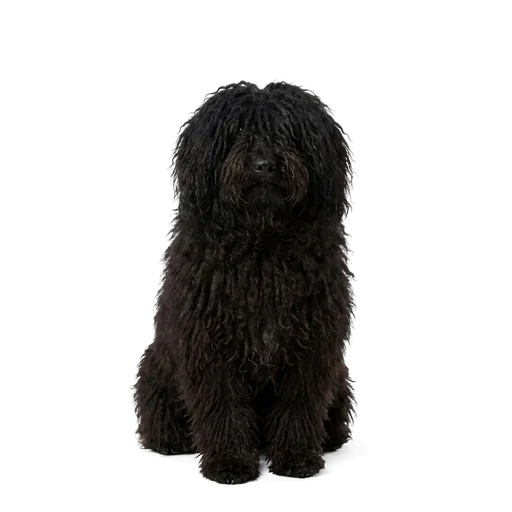
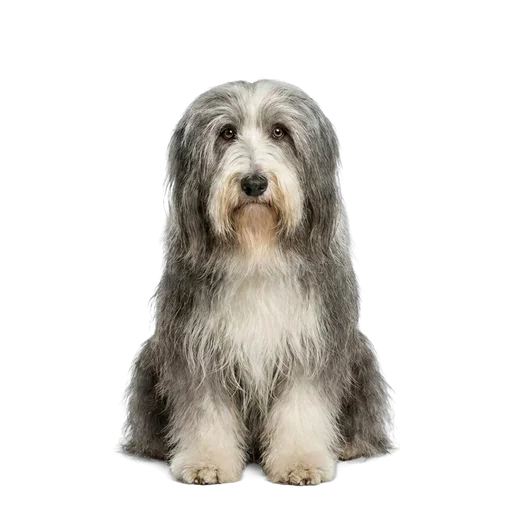
Deciding between similar breeds? Here is the Entlebucher Mountain Dog next to Puli and Bearded Collie.
| Entlebucher Mountain Dog | Puli | Bearded Collie | |
|---|---|---|---|
| Size | Medium | Medium | Medium |
| Weight | 20-30 kg | 11-16 kg | 20-25 kg |
| Lifespan | 11-13 yrs | 10-15 yrs | 12-14 yrs |
| Activity | Active | Active | Active |
| Shedding | Medium | Low | Medium |
| Good with kids | Yes | Yes | Yes |
| Apartment-friendly | No | Yes | No |
Frequently asked questions
Is the Entlebucher Mountain Dog a good family dog?
Yes, for the right family. Entlebuchers are devoted, playful, and protective, and they generally love children they grow up with. They are also strong, boisterous, and inclined to herd running kids, so they suit households that will train consistently and can offer ninety minutes or more of daily activity. First-time owners who want a laid-back pet should look elsewhere.
How much exercise does an Entlebucher need?
Plan on at least an hour and a half of genuine exercise daily, plus mental work. Walks alone will not cut it for most of them. Hiking, running, agility, herding trials, scent work, and fetch sessions all suit the breed. An under-exercised Entlebucher invents its own jobs, and you will not approve of any of them.
Do Entlebuchers have urinary problems?
Ectopic ureters are a documented issue in the breed and cause urinary incontinence, usually noticed as dribbling in puppies and young dogs, more often females. It is a structural problem where the ureter bypasses the bladder's valve, and it can often be corrected surgically or with laser treatment. Any young Entlebucher leaking urine or getting repeated urinary infections should be imaged, not just put on antibiotics.
What is the Entlebucher's life expectancy?
Typically 11 to 13 years. Buying from a breeder who hip-scores parents and uses the PRA DNA test, keeping the dog lean, staying current on vaccines and parasite prevention, and acting fast on warning signs like pale gums or vision changes all tilt the odds toward the upper end.
Are Entlebucher Mountain Dogs hypoallergenic?
No. They have a short double coat that sheds moderately year-round and heavily during seasonal coat changes, and they produce normal levels of dander. Allergy sufferers should spend time around adult Entlebuchers before bringing one home.
Related breeds
Health and care information is drawn from established veterinary sources and is general guidance, not veterinary advice. See our sources
Keep records for your Entlebucher Mountain Dog
Vaccinations, food and treat safety, allergy alerts and parasite reminders - all tracked for your Entlebucher Mountain Dog in the Pethls app.