

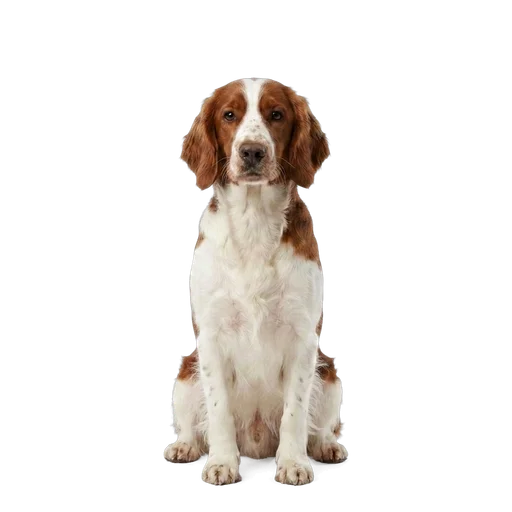
Origin: Wales
Welsh Springer Spaniel
Get reminders for your Welsh Springer Spaniel's vaccines
Vaccination and parasite reminders, food-safety scans and health records — free to start in the Pethls app.


Good for
The Welsh Springer Spaniel is the red-and-white gundog of Wales, an old breed that predates its more famous English cousin and has quietly kept its working character intact. Welshies are softer and more reserved than English Springers: devoted, gentle and deeply loyal to their own people, polite but aloof with strangers. At 16 to 20kg this is a genuinely medium-sized dog, athletic under the silky feathered coat and built for a full day on the hills. Expect 12 to 15 years of companionship, a shadow that follows you from room to room, and a daily, non-negotiable demand for proper exercise. Health is generally good, though hips, eyes and ears all deserve attention.
Temperament & personality
Ask anyone who lives with a Welsh Springer what defines the breed and the answer is usually devotion. These are one-family dogs that bond hard and stay bonded. A Welshie wants to be in the same room as you, preferably touching you, and many owners find their dog follows them everywhere, right into the bathroom, for the whole of its life. That loyalty comes with a softer, more sensitive temperament than the English Springer; harsh handling or shouting genuinely wounds them, and they train far better with warmth and consistency than with pressure.
With strangers, expect polite reserve rather than the everyone-is-my-friend enthusiasm of some spaniels. A well-socialized Welshie is typically watchful rather than aggressive, taking a moment to weigh up new people before offering friendship. Early and ongoing socialization matters for this breed precisely because that natural reserve can tip into timidity if a puppy meets too little of the world.
At home they are gentle, patient and very good with children, which combined with their manageable size makes them a genuine family dog. The working engine is still in there, though. A keen nose, a love of flushing birds from hedgerows and real stamina mean a bored, under-exercised Welshie invents jobs: shredding, digging, barking at the window. Give the dog a daily outlet, ideally with sniffing and searching built in, and you get the calm, sweet housemate the breed is known for.
One practical note: their attachment cuts both ways. Welsh Springers can struggle with being left alone for long stretches, and separation anxiety is a known pattern in the breed. Build up alone-time gradually from puppyhood and be honest about your household's schedule before committing.
Vaccination schedule
Welsh Springer puppies follow the standard core schedule. The core combination protects against distemper, hepatitis (adenovirus) and parvovirus, and in the UK leptospirosis is normally part of that primary course too; parainfluenza is often included. These are given as a series: first dose at 6 to 8 weeks, second at 10 to 12 weeks and a final puppy dose at 14 to 16 weeks. Stick to the full series and keep your puppy away from unknown dogs and high-traffic areas until a week or two after the last jab, since parvovirus in particular is unforgiving.
Rabies vaccination can be given from 12 weeks. In the UK it is required only for travel abroad under an animal health certificate, but in most other countries it is a legal requirement with a booster at one year and then every one to three years. If a working or showing life might ever take your Welshie across borders, get the rabies timeline sorted early.
Adult boosters follow at one year and then on a one-to-three-year cycle set by your vet. For a country-living, water-loving gundog breed, keeping the leptospirosis component up to date matters, since the bacteria lurk in wet ground, standing water and areas frequented by rats. Kennel cough vaccination makes sense if your dog attends daycare, training classes, shoots or boarding kennels. Your vet can tailor the non-core choices to your dog's actual lifestyle.
Best food & diet
A 16 to 20kg active spaniel does well on a good-quality complete food for medium breeds, fed as two meals a day. Energy needs vary enormously in this breed depending on lifestyle: a Welshie working three days a week in winter may need around 1.5 times the food of a pet doing an hour of walks, so feed the dog in front of you rather than the number on the packet. Adjust portions to body condition, not appetite, because spaniel appetite is essentially bottomless.
Puppies should grow on a medium-breed puppy formula with controlled energy, kept lean throughout. Hip dysplasia occurs in the breed, and excess weight during the growth phase is one of the risk factors you can actually control. You should be able to feel ribs easily under the feathering at every life stage; the coat hides creeping weight gain, so use your hands and the scales rather than your eyes.
Middle-aged Welsh Springers are notorious for quiet weight gain as exercise dips and treats stay constant. Extra kilos load the hips, worsen any arthritis and shorten a lifespan that should reach 12 to 15 years. Weigh the daily ration, count training treats within it, and reassess portions every season. For dogs on long-term medication for epilepsy, keep the diet consistent, since sudden changes can complicate a stable treatment plan; loop your vet in before any big food switch.
Common health problems
The Welsh Springer is a fundamentally sound breed, but a handful of issues come up often enough to know well. Hip dysplasia is one: the hip joint develops loosely and wears into arthritis over time. It runs in lines, so ask breeders for hip scores on both parents. In your own dog, watch for stiffness after rest, reluctance to jump into the car or a rolling, bunny-hopping gait, and get any of these checked early, when management options are widest.
Glaucoma is another documented breed issue, and the one with the most urgency. Pressure builds inside the eye and can destroy vision within hours to days. A red, cloudy, painful or squinting eye, a dilated pupil or a dog suddenly head-shy on one side is an emergency, not a wait-and-see. Because the predisposition is inherited, regular eye checks are recommended for the breed, and breeding dogs should have gonioscopy screening. If glaucoma is ever diagnosed in one eye, the other eye needs lifelong monitoring.
Epilepsy also occurs in the breed, typically appearing between six months and six years of age. A first seizure is frightening to watch, but most dogs recover from the episode itself within minutes; keep the dog safe, note the time and what you saw, ideally on video, and call your vet. Many epileptic dogs live full lives on well-managed medication, though it requires commitment to daily dosing and periodic blood tests.
Otitis externa, plain ear infection, is the breed's everyday complaint. Those beautiful heavy, feathered ears create a warm, airless canal where yeast and bacteria flourish, especially after swimming. Head shaking, scratching, odor or brown discharge means a vet visit; recurring infections deserve investigation for an underlying allergy rather than endless bottles of drops.
Allergies & skin
Welsh Springer Spaniels are not hypoallergenic. The silky red-and-white coat sheds moderately all year with heavier seasonal turnover, carrying the usual dander and saliva proteins that trigger allergies in people. Anyone in the household with dog allergies should spend time around adult Welshies before falling for a puppy.
The dog's own skin is usually healthy, but spaniels as a group are prone to environmental and food allergies, and the Welshie is no exception. The classic presentation is itching: paw licking, face rubbing, scratching at ears and armpits, often seasonal at first. Recurrent ear infections are frequently the first visible sign of an underlying allergy, so a Welshie on its third ear infection of the year needs an allergy conversation with the vet, not just another course of drops.
Feathering brings its own housekeeping. The long hair on ears, legs, chest and belly picks up burrs, grass seeds and mud, and damp feathering held against the skin can trigger hot spots that spread quickly under the coat. Grass seeds deserve particular respect in this breed: check ears, armpits and between toes after summer walks, because a seed that works its way in can migrate and cause abscesses. Regular brushing, drying after swims and prompt attention to any moist, smelly patch of skin keeps most trouble away.
Flea, tick & worm prevention
A dog bred to push through Welsh bracken and hedgerows meets more than its share of parasites. Year-round flea prevention is the baseline; a single hitchhiking flea can seed a house infestation, and flea allergy dermatitis is miserable in a feathered breed where you cannot easily see the skin. Choose one product line with your vet, whether spot-on, chewable or collar, and keep to the schedule rather than dosing reactively when you spot scratching.
Ticks are a real concern in the long grass and sheep country where Welshies love to work and walk, and they carry Lyme disease among other infections. Use a preventive with proven tick kill, and back it up with hands-on checks after rural walks: ears and ear folds, armpits, groin, under the collar and between the toes. In feathering, ticks are easier to feel than to see, so slow fingertip searches beat visual checks. Remove any tick with a twisting tick hook and note the date in case of later illness.
Worming runs alongside. Puppies need roundworm treatment every two weeks until 12 weeks, then monthly until six months. Adults are typically treated every one to three months depending on risk: a swimming, scavenging country spaniel in a household with children sits at the frequent end. Lungworm, picked up from slugs and snails, is spreading across the UK and is not covered by all wormers, so confirm your product handles it. An annual worm egg count is a sensible alternative for owners who prefer to treat based on evidence.
Medications & dosing
Every medication a Welsh Springer receives should be dosed by current body weight and directed by a vet. The breed's 16 to 20kg range spans several dosing bands for common products, so weigh the dog rather than guessing, and re-weigh a young dog every month or two, since a growing Welshie can move up a band surprisingly fast. Most veterinary practices are happy for you to pop in and use the scales between appointments.
For Welshies living with epilepsy, medication discipline becomes central to daily life. Anti-seizure drugs like phenobarbital or imepitoin work only at steady blood levels, which means doses given on time, every day, without exception, plus periodic blood tests to confirm levels and check liver values. Never adjust or stop seizure medication on your own; abrupt withdrawal can itself trigger seizures. Keep a simple seizure diary, since dates, durations and triggers guide your vet's dose decisions better than memory does.
Never give human medications without veterinary direction. Ibuprofen and paracetamol are both dangerous to dogs, and some over-the-counter human ear or eye drops are inappropriate too, which matters in a breed with ear and eye vulnerabilities. If your dog is diagnosed with glaucoma, the prescribed eye drops are pressure-controlling medication, not comfort drops; missed doses risk vision, so build them into a fixed daily routine and always have the next bottle before the current one runs out.
Grooming & coat care
The Welsh Springer's straight, silky coat with feathering on the ears, chest, legs and belly is lower-maintenance than many spaniel coats, but it is not wash-and-go. Two to three brushing sessions a week keep it in order: a slicker or pin brush over the body, then a comb through the feathering where tangles actually form. Pay attention behind the ears, in the armpits and on the breeches; these friction zones mat first, and a small tangle left a fortnight becomes a felted clump that has to be cut out.
Shedding is moderate and year-round with spring and autumn peaks. Regular brushing captures most of it before it reaches the sofa. Baths are needed only every couple of months or when the dog finds something disgusting to roll in, which, being a spaniel, it periodically will. Use a mild dog shampoo and dry the feathering properly, especially in winter.
Ear care is the single most important routine for this breed. The heavy ear flaps trap warmth and moisture, and otitis externa is the Welshie's most common medical complaint. Check ears weekly, dry them after every swim or wet walk, and keep the hair around and under the ear thinned to improve airflow; many owners have a groomer tidy the ears and trim excess feathering every couple of months. Only clean inside the ear with a vet-recommended cleaner, and never poke cotton buds down the canal.
Round out the routine with nail trims every three to four weeks, regular tooth brushing, and a check of paws and feathering for grass seeds through summer. Trim the hair between the paw pads to reduce mud collection and seed traps. None of it is difficult, and a Welshie that learned grooming as a puppy will treat the whole ritual as extra attention from its favorite person.
How the Welsh Springer Spaniel compares
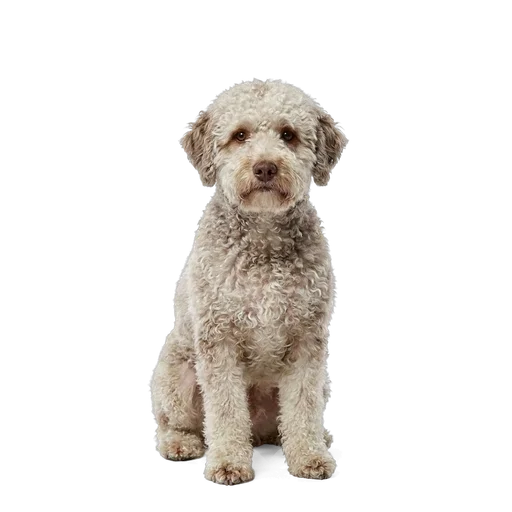
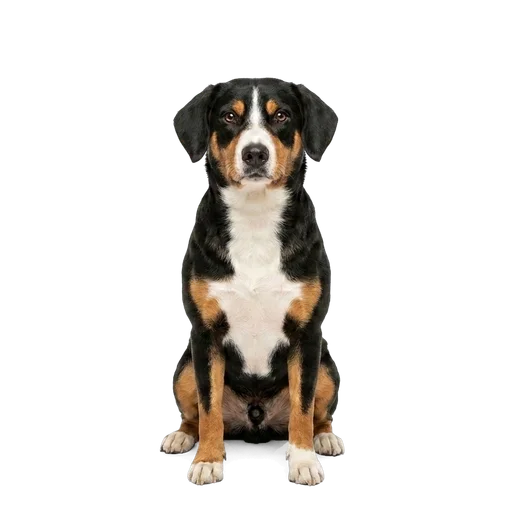
Deciding between similar breeds? Here is the Welsh Springer Spaniel next to Lagotto Romagnolo and Entlebucher Mountain Dog.
| Welsh Springer Spaniel | Lagotto Romagnolo | Entlebucher Mountain Dog | |
|---|---|---|---|
| Size | Medium | Medium | Medium |
| Weight | 16-25 kg | 11-16 kg | 20-30 kg |
| Lifespan | 12-15 yrs | 15-17 yrs | 11-13 yrs |
| Activity | Active | Active | Active |
| Shedding | Medium | Low | Medium |
| Good with kids | Yes | Yes | Yes |
| Apartment-friendly | No | Yes | No |
Frequently asked questions
What is the difference between a Welsh Springer and an English Springer Spaniel?
They are separate breeds, not color variants. The Welsh Springer comes only in red and white, is slightly smaller at 16 to 20kg, and has a softer, more reserved temperament: deeply devoted to its own family but aloof with strangers, where the English Springer tends to be an extrovert with everyone. Welshies are also somewhat less common and often a touch calmer indoors.
Are Welsh Springer Spaniels good family dogs?
Excellent ones, for active families. They are gentle, patient with children and devoted to the point of shadowing family members around the house. The conditions are daily exercise, an hour or more, and company; this is not a breed that copes well left alone all day. Their sensitivity also means they thrive on kind, consistent handling rather than a stern hand.
How much exercise does a Welsh Springer Spaniel need?
Plan on at least an hour a day for an adult, and more is happily accepted. Quality matters as much as quantity: off-lead running where safe, scent games, retrieving and swimming satisfy the working brain far better than the same pavement loop. An under-exercised Welshie becomes vocal, destructive or clingy. Puppies need shorter, controlled exercise while their joints develop.
Do Welsh Springer Spaniels have eye problems?
Glaucoma is a documented issue in the breed, where pressure builds inside the eye and can cause pain and rapid, permanent vision loss. Regular eye checks are recommended, breeding dogs should be screened, and any red, cloudy, painful or squinting eye is a same-day emergency. Caught early, medication and surgery can protect sight; caught late, the eye is usually lost.
How long do Welsh Springer Spaniels live?
Typically 12 to 15 years, which is good going for a medium breed, and plenty of Welshies stay active well into double figures. The best levers an owner controls are lean body weight, daily exercise, ear and eye care, year-round parasite prevention and prompt attention to stiffness or behavior changes in the senior years.
Related breeds
Health and care information is drawn from established veterinary sources and is general guidance, not veterinary advice. See our sources
Keep records for your Welsh Springer Spaniel
Vaccinations, food and treat safety, allergy alerts and parasite reminders - all tracked for your Welsh Springer Spaniel in the Pethls app.