

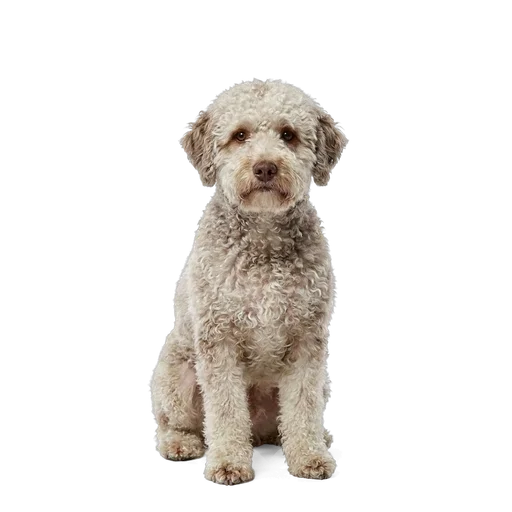
Origin: Italy
Lagotto Romagnolo
Get reminders for your Lagotto Romagnolo's vaccines
Vaccination and parasite reminders, food-safety scans and health records — free to start in the Pethls app.


Good for
The Lagotto Romagnolo is Italy's truffle dog, a curly, woolly-coated worker from the Romagna region prized for its extraordinary nose. Behind the teddy-bear looks sits a sharp, biddable, endlessly enthusiastic dog that loves nothing more than searching for a hidden scent. Lagotti are affectionate and loyal to their families, clever and quick to learn, and active enough to keep you on your toes without being frantic. The woolly coat sheds very little, which puts the breed among the more allergy-friendly dogs, though it comes at the cost of regular clipping and grooming. Given a job to do and a family to stay close to, the Lagotto settles into home life happily, but it is a working scent dog first and needs that side of it kept busy.
Temperament & personality
Lagotti are bright, affectionate, and deeply people-oriented. They bond closely with their families and thrive on being involved in daily life, which makes them warm, engaging companions but also means they do not do well left alone for long stretches. This is a dog that wants to be with you and to have a purpose.
The breed's defining trait is its nose and its love of searching. Centuries of truffle hunting have produced a dog that lives to use its scent, and that instinct shows up at home as digging, sniffing, and a delight in nose games. Channel it and you have a joy to train; ignore it and your flower beds may pay the price. Scent work, hide-and-seek games, and search-based training are ideal outlets.
Clever and eager to please, Lagotti take to positive, reward-based training readily and excel at dog sports and obedience. They are generally good with children and other pets, especially when socialized early, and their moderate size suits a range of homes, though an apartment only works if you commit to daily scent work and real exercise, since an under-stimulated Lagotto will dig and search out its own trouble. They can be alert and will announce visitors, but they are friendly rather than aggressive.
Vaccination schedule
Lagotto puppies start their core vaccinations at around 8 weeks of age, followed by a second dose at roughly 10 to 12 weeks. The core DHPP vaccine covers distemper, hepatitis (adenovirus), parvovirus, and parainfluenza. Keep your puppy away from unvaccinated dogs and public ground until your vet confirms the course is complete, since parvovirus is a severe and often fatal disease in unprotected pups.
Rabies vaccination is given separately from the core course and is required only for dogs travelling abroad under pet travel rules. A Lagotto that lives in the UK and does not travel will not usually need it, but if you plan trips overseas, talk to your vet in good time so the timing lines up with the travel requirements.
After the puppy series, your vet will recommend a first booster at around 12 months and then core boosters every 1 to 3 years depending on the vaccine. Leptospirosis is now recommended as a core vaccine for all dogs, given as a 2-dose puppy series followed by an annual booster, rather than every 1 to 3 years like the DHPP core boosters. For a working scent dog that spends time outdoors, around water, and near wildlife, the risk of exposure is higher, which is why that yearly booster matters. Your vet may also discuss non-core vaccines such as kennel cough, which can be worth adding based on your dog's lifestyle.
Best food & diet
A Lagotto is a medium-sized, active dog of around 11 to 16 kilograms, and it does well on a complete, good-quality diet matched to its size and energy. Choose a food with a named protein source and feeding levels suited to an active adult, adjusting the amount to keep your dog lean and well-muscled rather than round. Working or sporting Lagotti burn more and may need a little extra.
Portion control matters even in an energetic breed. Because Lagotti are so food-motivated and trainable, treats can pile up during scent games and training sessions, so factor those into the daily total and use small, low-calorie rewards. Keeping the dog at a healthy weight protects the joints, which is worth doing in a breed that can be affected by hip dysplasia.
Puppies should be raised on a suitable puppy diet that supports steady, controlled growth. Split meals into two a day, keep fresh water available, and introduce any diet change gradually over a week or so to avoid upsetting the stomach. If your Lagotto has a sensitive digestion or itchy skin, a supervised elimination diet trial can help pin down a food trigger.
Common health problems
The Lagotto Romagnolo is a generally healthy, long-lived breed, often reaching 15 to 17 years, but it carries a few inherited conditions that good breeders test for. Hip dysplasia, an abnormal development of the hip joint that can lead to arthritis, is one to watch, and breeding dogs should be hip scored so you can review the parents' results.
Benign juvenile epilepsy is a breed-specific condition seen in Lagotto puppies, causing seizures that usually begin at roughly five to nine weeks of age and, in many cases, resolve on their own as the pup matures. A DNA test is available, which lets breeders identify carriers and plan matings so that affected puppies are not produced. Ask whether both parents have been tested.
Two more serious neurological conditions, lysosomal storage disease and neuroaxonal dystrophy, are both breed-specific and both have DNA tests. Lysosomal storage disease affects the way cells break down waste and causes progressive neurological decline, while neuroaxonal dystrophy affects nerve function and coordination. Because DNA tests exist for both, responsible breeding can prevent affected litters entirely, which is why buying from a breeder who tests is so important in this breed.
Allergies & skin
Under the woolly coat, a Lagotto's skin can react to the usual allergy triggers, including flea bites, food ingredients, and environmental allergens such as pollens and dust mites. The dense curls make it easy to miss early skin problems, so part the coat regularly during grooming and look for redness, scabs, sore patches, or an unusual smell.
Flea allergy dermatitis, where a single bite triggers intense itching, is prevented by keeping up consistent year-round flea control. Environmental allergies tend to show as itchy paws, ears, face, and belly, often worse at certain times of year. Because the coat holds moisture, thorough drying after swimming or wet walks helps keep the skin healthy and discourages infection.
Persistent scratching, foot-chewing, or recurrent ear trouble points to an underlying cause worth identifying, whether parasites, food, or environmental allergens, since each needs a different approach. The breed's hairy ears trap moisture and are prone to infection, so ear care is part of skin health here.
Flea, tick & worm prevention
A dog that loves to search, dig, and nose through undergrowth is going to meet parasites, so year-round prevention makes sense for a Lagotto. Fleas cause itching and can drive allergic skin disease, and ticks picked up in grass and woodland can pass on Lyme disease and other infections. After outdoor adventures, check the coat carefully, remembering that the curls can hide a feeding tick, and look closely around the ears, face, and feet.
Worming protects against intestinal parasites like roundworm and tapeworm, and, depending on your area and your dog's habits, lungworm, which is spread by slugs and snails and can be dangerous. The best products and intervals vary with lifestyle and location, so a worming plan matched to your dog's habits and region beats picking a product at random.
Many owners run a combined regime of spot-ons, tablets, or collars to cover fleas, ticks, and worms together. Whatever you use, dose to your dog's current weight, stick to the schedule, and never share products between pets. With such a food-motivated breed, hiding a worming tablet in a treat is usually the easiest way to get the job done.
Medications & dosing
As with all dogs, medication for a Lagotto is dosed by body weight, so keeping an accurate, current weight for your dog helps ensure treatments are given at the right amount. Even within the breed's 11 to 16 kilogram range the correct dose varies, and your vet will calculate it precisely for parasite treatments, antibiotics, or any other medicine.
Never give human medications to your dog. Common painkillers such as ibuprofen and paracetamol are toxic to dogs, and prescription anti-inflammatories need the correct veterinary dose and monitoring. If a young Lagotto is being managed for benign juvenile epilepsy or any dog is on longer-term medication, follow the vet's instructions carefully, keep the timing consistent, and never stop a course early without advice.
For any dog on ongoing treatment, keep a simple record of doses and any side effects, and attend the recommended check-ups and blood tests so your vet can confirm the medicine is safe and working. If you miss a dose or worry your dog has eaten something harmful, call your vet for guidance rather than adjusting the dose on your own.
Grooming & coat care
The Lagotto's curly, woolly coat is its signature feature and its biggest grooming commitment. Unlike a shedding coat, it grows continuously and needs clipping every couple of months to keep it at a manageable length. Left to grow, it forms a dense, felted mat, so this is not a low-maintenance dog despite its low shedding.
Between clips, the coat needs regular attention to prevent matting. Rather than brushing out the curls, which spoils the texture, many owners work through the coat with fingers and a comb to tease apart tangles before they tighten into mats, paying special attention to the areas behind the ears, the armpits, and the legs where friction causes knots. Bathe only when needed and dry the coat thoroughly, since trapped damp encourages matting and skin trouble.
The hairy ears deserve their own routine. Hair grows in the ear canal and, combined with the breed's love of water, creates a warm, damp environment where infection thrives, so check and clean the ears regularly and keep the surrounding hair trimmed. Trim the nails on a regular schedule and brush the teeth several times a week. Keep the hair around the eyes and paws tidy so it does not obstruct vision or trap debris. Many owners use a professional groomer for the clipping, which keeps the coat and skin in good order.
How the Lagotto Romagnolo compares
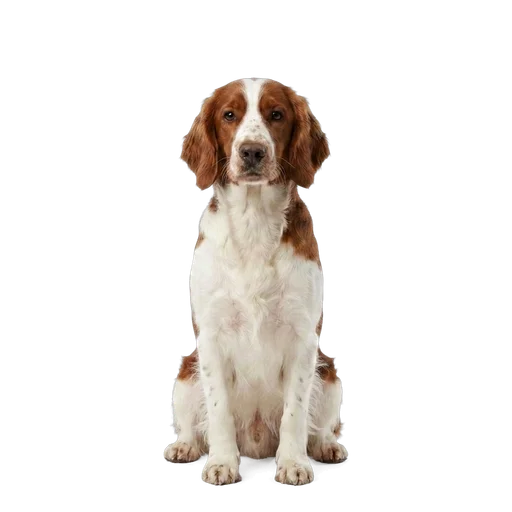
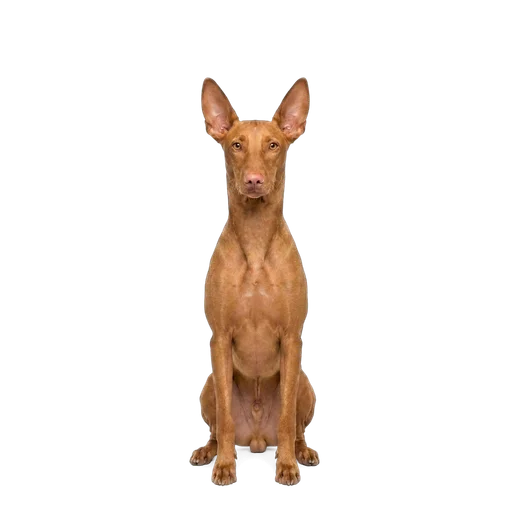
Deciding between similar breeds? Here is the Lagotto Romagnolo next to Welsh Springer Spaniel and Pharaoh Hound.
| Lagotto Romagnolo | Welsh Springer Spaniel | Pharaoh Hound | |
|---|---|---|---|
| Size | Medium | Medium | Medium |
| Weight | 11-16 kg | 16-25 kg | 20-25 kg |
| Lifespan | 15-17 yrs | 12-15 yrs | 12-14 yrs |
| Activity | Active | Active | Active |
| Shedding | Low | Medium | Low |
| Good with kids | Yes | Yes | Yes |
| Apartment-friendly | Yes | No | Yes |
Frequently asked questions
Are Lagotto Romagnolo dogs hypoallergenic?
The Lagotto is considered one of the more allergy-friendly breeds because its woolly, curly coat sheds very little and traps loose hair and dander rather than releasing it around the home. No dog is completely hypoallergenic, but many allergy sufferers tolerate a Lagotto better than a shedding breed. Spend time with one before committing.
How much exercise does a Lagotto Romagnolo need?
A Lagotto needs a good hour or so of activity a day, split between physical exercise and mental work. Because the breed lives to use its nose, scent games, search training, and problem-solving matter as much as walks. A bored Lagotto with no outlet for its searching instinct will often dig and find its own entertainment.
Do Lagotto Romagnolo dogs shed?
Very little. The woolly coat holds onto loose hair instead of dropping it, which is why the breed is popular with allergy sufferers. The trade-off is high grooming needs: the coat grows continuously, mats easily, and needs regular clipping every couple of months plus routine combing to stay healthy.
Are Lagotto Romagnolo good family dogs?
Yes. Lagotti are affectionate, clever, and devoted to their people, and they are generally good with children and other pets when socialized early. Their moderate size suits many homes, and an apartment can work too, but only if you commit to daily exercise plus the scent work and mental stimulation this breed needs; an under-stimulated Lagotto will dig and find its own trouble. They dislike being left alone for long periods.
What health tests should a Lagotto Romagnolo breeder do?
Look for hip scoring plus DNA tests for benign juvenile epilepsy, lysosomal storage disease, and neuroaxonal dystrophy, all of which are breed-specific. A responsible breeder tests both parents, uses the results to avoid producing affected puppies, and will happily share the paperwork with you before you buy.
Related breeds
Health and care information is drawn from established veterinary sources and is general guidance, not veterinary advice. See our sources
Keep records for your Lagotto Romagnolo
Vaccinations, food and treat safety, allergy alerts and parasite reminders - all tracked for your Lagotto Romagnolo in the Pethls app.