

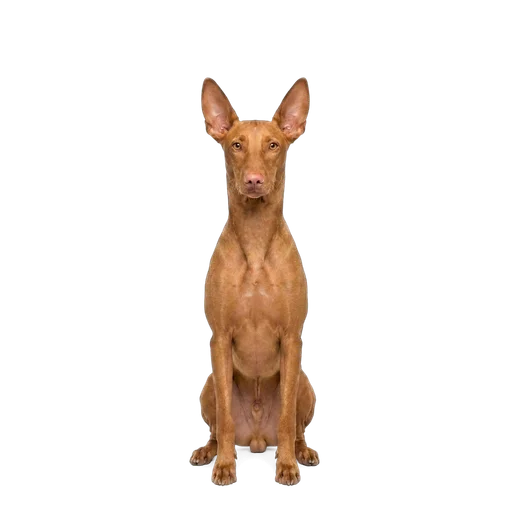
Origin: Malta
Pharaoh Hound
Get reminders for your Pharaoh Hound's vaccines
Vaccination and parasite reminders, food-safety scans and health records — free to start in the Pethls app.


Good for
The Pharaoh Hound is Malta's national dog, known there as the Kelb tal-Fenek, the rabbit dog, and it has hunted the island's stony terraces for centuries. Elegant and red-gold with amber eyes, the breed is famous for blushing: the ears and nose flush rosy pink when the dog is excited or happy. At 20 to 25kg with a lifespan of 12 to 14 years, this is a gentle, playful housemate wrapped around an explosive hunting engine, so secure fencing and a lead are non-negotiable outdoors. Health-wise the breed is one of the soundest around, with hip dysplasia, patellar luxation and allergies the main things to screen for. This guide covers feeding, vaccination, parasite control and the sighthound-specific quirks, like anesthesia sensitivity, that every Pharaoh owner and their vet should know.
Temperament & personality
Indoors, the Pharaoh Hound is a surprise to people expecting a hyperactive hunting dog. Given a proper run, the same dog that flew across a field an hour ago will fold itself onto the sofa and stay there for most of the day. They are affectionate without being clingy, sensitive to household mood, and playful well into old age, with a comic streak owners adore. Many smile, an actual lip-curled grin, and the blush across ears and nose when they greet you is one of the breed's great charms.
Outdoors, a different animal appears. This breed was developed to course rabbits by sight, sound and scent across Maltese farmland, and the prey drive is instant and total. A Pharaoh that spots a cat or squirrel is gone, deaf to recall, and can hit speeds no jogger will match. Off-lead time belongs in securely fenced areas only, and the fence needs to be a proper one, since they jump well. Around the house they can be vocal; on Malta they were also yard watchdogs, and many announce every visitor with enthusiasm, something neighbors in thin-walled flats should hear about in advance.
With children, Pharaohs are gentle and tolerant, better suited to kids old enough not to startle a sleeping dog. They usually live happily with other dogs, especially other sighthounds. Cats and small pets are a genuine risk area: some Pharaohs raised with a cat from puppyhood accept that specific cat, but many never can be trusted with small animals, and outdoor cats remain prey to almost all of them. Training works best with food, play and patience; they are clever but see no point in pointless repetition.
Vaccination schedule
Pharaoh Hound puppies need the standard core series: DHPP (distemper, adenovirus hepatitis, parvovirus, parainfluenza) beginning at six to eight weeks, with repeats every three to four weeks until at least 16 weeks of age. The multiple doses are not boosters in the usual sense; they are attempts to catch the window when the puppy's maternal antibodies fade enough for the vaccine to work. A booster at one year, then every one to three years afterwards, completes the core program.
Rabies vaccination is required by law across most of North America and much of Europe, usually given from 12 to 16 weeks with a booster at one year and then every one to three years depending on the licensed vaccine and local rules. Owners importing a puppy from Malta, which many Pharaoh buyers do given the breed's homeland, should note the pup will already need a rabies vaccination and paperwork for travel, so you will inherit a schedule mid-stream; bring all documents to your first vet visit.
Non-core vaccines depend on lifestyle. Leptospirosis is sensible for a dog that swims or sniffs around wildlife and standing water, kennel cough for dogs that board or race at lure-coursing events, and Lyme vaccination in high-tick regions. Lure coursing and agility folk gather dogs from wide areas, so Pharaohs on the competition circuit generally justify the fuller vaccine set.
Best food & diet
A fit Pharaoh Hound looks skinny to people used to Labradors, and that is correct. On a normal pet you should be able to feel the ribs easily and see the last one or two, with a clearly tucked waist; the deeper leanness that shows the last two or three ribs is a peak coursing-fitness look, not the everyday target. Do not feed to cover the ribs; lean is the breed standard and the healthy state, and extra weight both dulls performance and loads the hips and knees, the breed's two orthopedic weak points. Adults at 20 to 25kg doing normal pet exercise usually eat in the region of 900 to 1300 calories a day of a good complete food, split into two meals. That range is a starting estimate, not a prescription: check your dog's body condition every few weeks and let your vet adjust portions.
Splitting food into two meals rather than one is good general practice for any active dog: it is sensible to avoid one large meal right before or after hard exercise, which is the pattern most often discussed in relation to bloat (gastric dilatation-volvulus). Feed after exercise rather than before, allow an hour or more of calm around meals, and know the emergency signs: a swollen belly, unproductive retching and sudden distress mean an immediate trip to the vet.
Puppies should grow slowly on a food appropriate for medium-to-large breeds, with controlled calcium to protect developing hips. Keep adolescents lean even when they look like coat hangers; growth-phase leanness is protective against hip dysplasia expression. Some Pharaohs are picky or go off food when stressed, which is common in keen, sensitive breeds. Adding a spoon of wet food or warm water usually solves it. For dogs with itchy skin, which the allergy-prone individuals in this breed can have, a fish-based diet rich in omega-3s is a reasonable first supportive step alongside proper veterinary workup.
Common health problems
The honest summary is that the Pharaoh Hound is one of the healthiest pedigree breeds, helped by centuries of function-first breeding on Malta and a lifespan of 12 to 14 years that reflects it. There is no long list of breed diseases here, but three items deserve screening and awareness.
Hip dysplasia occurs at low rates in the breed but it does occur, so buy from breeders who hip-score their stock (BVA scheme, OFA or PennHIP depending on country). Patellar luxation, where the kneecap slips out of its groove, is the second orthopedic issue; it shows as a skipping hop on a back leg for a few strides before the dog moves normally again. Mild cases need nothing, severe ones need surgery, and breeding dogs should have their patellas checked. Allergies are the third named concern and are covered in the skin section.
The bigger practical issue is not a disease at all: build. Pharaoh Hounds are lean, deep-chested and carry very little body fat, and lean hounds of this type generally warrant conservative, carefully planned anesthetic and sedative protocols. The well-documented drug-metabolism sensitivity of true sighthounds such as the Greyhound has not been established as a breed-specific trait in the Pharaoh Hound, which is a primitive hunting breed rather than a close sighthound relative; even so, it is worth making sure any vet, and especially any new emergency vet, knows they are dealing with a lean, low-fat hound before sedation or surgery. Modern protocols handle lean patients well when the team plans for it. The thin coat and low fat also mean poor cold tolerance, so a winter coat for walks below roughly five degrees Celsius is genuine welfare, not fashion. Finally, thin-skinned fast dogs collect lacerations; check your dog over after any hard run.
Allergies & skin
Allergies are one of the few recurring health complaints in this otherwise sturdy breed. They usually show as skin problems rather than sneezing: paw licking and chewing, recurrent ear infections, an itchy belly and armpits, or seasonal scratching that returns every spring. Environmental allergy (atopy) is the most common form, flea-bite allergy is the most preventable, and true food allergy is the least common of the three despite its reputation.
Work through it methodically with your vet rather than cycling foods off the shelf. Rigid flea control comes first, since one flea bite can keep an allergic dog itching for weeks. A properly run eight-to-twelve-week diet trial with a prescription hydrolyzed or novel-protein food is the only reliable food-allergy test; blood and saliva allergy test kits sold online are not diagnostic. For confirmed atopy, modern options like oclacitinib, lokivetmab injections or immunotherapy keep most dogs comfortable long-term.
The Pharaoh's short, glossy coat makes skin easy to monitor, and problems show early as pink flushed skin (distinct from the happy ear blush), hives after an insect sting, or thinning hair on the flanks. That short coat offers no padding, so pressure calluses on elbows are common if the dog sleeps on hard floors; soft bedding prevents them. The breed is not hypoallergenic for humans. Shedding is light and the coat is short, which some allergic owners tolerate better, though the dog still produces dander like any other.
Flea, tick & worm prevention
Year-round flea and tick prevention is standard advice for any dog and doubly sensible for a breed with allergy tendencies, since flea-allergic dogs react to single bites. The main product families are isoxazoline chews given monthly or every twelve weeks, and spot-ons; collars are an option but sit less securely on a dog that crashes through undergrowth at speed. Whatever you choose, choose it with your vet and apply it on schedule, because Pharaohs exercising in fields and woodland meet ticks constantly during warm months.
One breed-relevant caution: sighthound-type breeds are lean and sensitive to some older chemistry, so avoid legacy organophosphate dips and be careful with concentrated permethrin products; modern prescription preventives are well tolerated. Check ears, armpits, groin and between toes after rural walks, and remove any tick promptly with a twist-off tool, since disease transmission risk rises with attachment time.
Worming runs on the usual clock: puppies every two weeks to 12 weeks of age, monthly to six months, then a risk-based adult routine, typically broad-spectrum treatment every three months. A hound with real prey drive changes the math, because a Pharaoh that catches and eats a rabbit or rodent has just self-served a tapeworm and roundworm buffet, so successful hunters warrant more frequent tapeworm treatment (praziquantel). In heartworm regions, monthly prevention is essential and non-negotiable; in the UK, ask your vet about lungworm cover if slugs and snails frequent your garden.
Medications & dosing
All routine medication for a Pharaoh Hound is dosed to body weight, and at 20 to 25kg the breed usually falls neatly into standard medium-dog product bands. The trap is guessing: a lean, leggy dog looks heavier than it weighs, and owners routinely overestimate. Weigh the dog, and let your vet set every dose. Never medicate with human drugs; ibuprofen, paracetamol and decongestants are all toxic to dogs at doses that surprise people.
A topic worth flagging is anesthesia and sedation. Pharaoh Hounds share the lean, low-body-fat, high-lean-mass build of the sighthound group, though the distinctive liver metabolism that historically made thiobarbiturate anesthetics dangerous is specifically documented in true sighthounds such as the Greyhound rather than proven in the Pharaoh Hound. Either way, the sensible approach is the same for any very lean dog: dosing based on lean body weight, attention to temperature (thin dogs chill fast under anesthesia) and appropriate recovery monitoring. Tell every clinic, especially emergency ones that have never met your dog, that this is a lean, low-fat hound before any procedure, including routine dentals.
For the breed's known issues, medication is straightforward: dog-licensed anti-inflammatories for hip or knee discomfort, always with food and never doubled up with steroids, and the modern anti-itch drugs discussed in the allergy section. Keep a current weight on file, since dosing an allergy medication to last year's weight is a common way courses fail. Store chewable medications well out of reach; palatable flea chews smell like treats, and a counter-surfing hound can eat a box.
Grooming & coat care
This is close to the easiest grooming assignment in dogdom. The Pharaoh Hound's coat is short, glossy and single-layered, ranging from fine to slightly harsh, in shades of tan to rich chestnut with white allowed on chest, toes and tail tip. A weekly once-over with a rubber grooming mitt or hound glove lifts dead hair and distributes skin oils, and that is genuinely the whole coat routine. Shedding is light year-round with a mild uptick in spring; the short red hairs are discreet on most furniture.
Baths are rarely needed, perhaps every couple of months or after something unspeakable in a hedgerow, and the breed has little doggy odor, something owners mention with pride. Use a mild dog shampoo, and dry the dog properly in cold weather since there is no undercoat holding warmth. Those large upright ears collect dust and the odd grass seed; a weekly look inside and a wipe of the outer ear with a damp cloth is plenty, with cleaner solutions reserved for actual waxy buildup.
Nails need trimming every three to four weeks; road-walked dogs wear them somewhat, but the dewclaws never wear and will curl if forgotten. Brush teeth several times a week from puppyhood. Two seasonal notes finish the job: a fitted winter coat for cold-weather walks, because a Pharaoh below its comfort temperature shivers visibly and will refuse to enjoy anything, and sunscreen or shade awareness in high summer, since the sparse-coated ears and nose of paler dogs can sunburn.
How the Pharaoh Hound compares
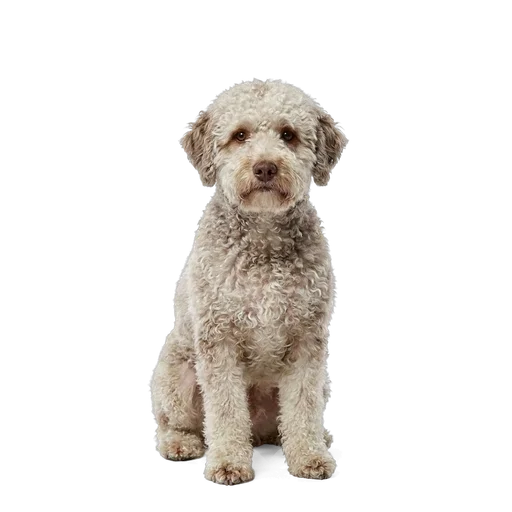
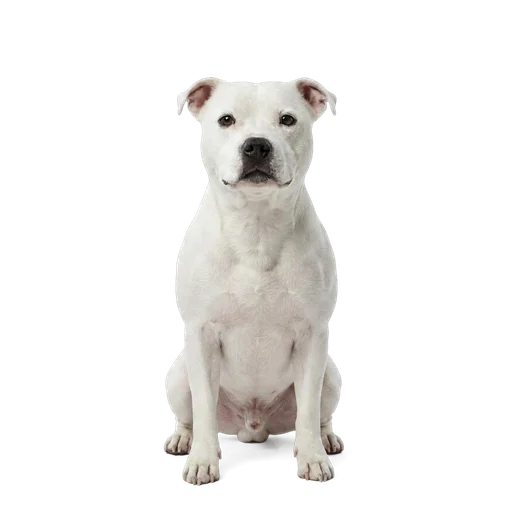
Deciding between similar breeds? Here is the Pharaoh Hound next to Lagotto Romagnolo and Staffordshire Bull Terrier.
| Pharaoh Hound | Lagotto Romagnolo | Staffordshire Bull Terrier | |
|---|---|---|---|
| Size | Medium | Medium | Medium |
| Weight | 20-25 kg | 11-16 kg | 11-17 kg |
| Lifespan | 12-14 yrs | 15-17 yrs | 12-14 yrs |
| Activity | Active | Active | Active |
| Shedding | Low | Low | Low |
| Good with kids | Yes | Yes | Yes |
| Apartment-friendly | Yes | Yes | Yes |
Frequently asked questions
Why do Pharaoh Hounds blush?
When a Pharaoh Hound is excited or happy, blood flow increases to the thin skin of its ears and nose, which have no dark pigment to hide it, so they flush a warm rose pink. It is harmless, unique to a handful of breeds, and Maltese hunters traditionally prized it. Many owners say the blush plus the breed's grin is what sold them.
Can a Pharaoh Hound live with a cat?
Sometimes, with caveats. A puppy raised with a confident indoor cat may accept that individual cat for life, but the prey drive never disappears, and a running cat outdoors will be chased by almost any Pharaoh. Small pets like rabbits are not realistic housemates. Supervise early, manage forever, and never test it off-lead outside.
Are Pharaoh Hounds healthy?
Notably so. They rank among the healthiest pedigree breeds, typically living 12 to 14 years, with hip dysplasia, patellar luxation and allergies the main screenable issues. The important quirk is sighthound physiology: low body fat means anesthesia protocols need adjusting and the dog needs a coat in cold weather.
How much exercise does a Pharaoh Hound need?
Plan on at least an hour daily, ideally including a chance to sprint in a securely fenced area a few times a week. They are sprinters rather than marathoners, so after a proper run most are calm, quiet housemates for the rest of the day. Off-lead walks in open country are not safe due to prey drive.
Do Pharaoh Hounds bark a lot?
More than most sighthounds. In Malta they doubled as farm watchdogs, and many announce visitors, cats on the fence and interesting noises with a loud, carrying voice. Training and adequate exercise reduce it, but buyers in flats with strict noise rules should meet adult dogs from their chosen breeder first.
Related breeds
Health and care information is drawn from established veterinary sources and is general guidance, not veterinary advice. See our sources
Keep records for your Pharaoh Hound
Vaccinations, food and treat safety, allergy alerts and parasite reminders - all tracked for your Pharaoh Hound in the Pethls app.