

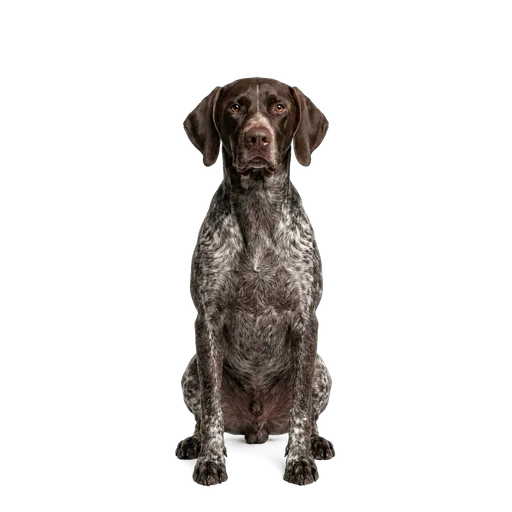
Origin: Germany
German Shorthaired Pointer
Get reminders for your German Shorthaired Pointer's vaccines
Vaccination and parasite reminders, food-safety scans and health records — free to start in the Pethls app.


Good for
The German Shorthaired Pointer is a versatile gun dog bred to do almost everything in the field: point, track, retrieve on land and in water. That job left the breed with an athletic, tireless body and a sharp, willing mind. GSPs are friendly, deeply people-focused, and genuinely brilliant, but they come with an engine that most households underestimate. This is a dog for an active family that runs, hikes, swims, or trains, not for an apartment or a first-time owner unless that owner is seriously sporty. Get the exercise right and you have a loyal, biddable, affectionate partner for 10 to 14 years.
Temperament & personality
GSPs are affectionate, sociable, and wholeheartedly devoted to their people. They want to be involved in everything, follow you room to room, and generally think of themselves as full family members rather than dogs who live in the garden. That devotion is lovely, but it also means they hate being left alone for long stretches and can occasionally develop separation anxiety and destructive habits if isolated too much.
That intelligence cuts both ways. These dogs learn fast, respond well to reward-based training, and excel at gundog work, agility, obedience, and scent sports. The same brain gets bored quickly and invents its own projects when unstimulated, so mental exercise matters as much as physical. Puzzle feeders, training sessions, and real jobs keep a GSP sane.
Exercise is the biggest commitment with this breed. A GSP typically needs two or more hours of vigorous activity a day, and that means running, swimming, or working, not a stroll around the block. Under-exercised GSPs become anxious, mouthy, and hard to live with, and this is by far the most common reason they end up in rescue. They are wonderful with children and love being part of the action, though a young, bouncy dog can knock a toddler flat by accident.
Their prey drive runs high. Bred to hunt birds and small game, most GSPs will chase cats, rabbits, and wildlife, so recall training and secure fencing are non-negotiable, and small furry pets are a poor match.
Vaccination schedule
German Shorthaired Pointer puppies follow the standard core vaccine schedule. The main course is DHPP, protecting against distemper, hepatitis (adenovirus), parvovirus, and parainfluenza. It is given as a series starting at around 6 to 8 weeks and repeated every 2 to 4 weeks until the puppy is at least 16 weeks old. Completing the whole course before major outdoor exposure is critical, especially against parvovirus.
Rabies vaccination is given once from about 12 weeks depending on local law. It is a travel requirement in the UK rather than a routine core jab, and a legal requirement in many other countries; your vet will confirm what applies where you live.
A booster usually follows at around 12 months, then core vaccines continue every 1 to 3 years according to the vaccine used and your vet's protocol. Because GSPs are working, water-loving, field-going dogs, ask your vet about the non-core vaccines that fit their lifestyle. Leptospirosis is spread through water and wildlife urine and is a real risk for a dog that swims and hunts. Kennel cough (Bordetella and parainfluenza) and, in some regions, Lyme disease are also sensible for a dog that mixes with others and spends time in tick country.
Keep an accurate record of vaccination dates so boosters and travel documents stay valid.
Best food & diet
A hard-working GSP burns serious calories, so feed a complete, balanced food with quality animal protein and enough fat to fuel an athletic dog. A dog that is actually hunting or training all day needs considerably more than one doing daily walks, so adjust portions to real workload and body condition rather than following the bag blindly.
Steady puppy growth matters here. Feed a GSP puppy a complete puppy food and don't overfeed, because pushing rapid growth stresses developing joints and can contribute to hip problems later. Aim for steady, lean growth, and keep any adult at a trim weight where you can feel the ribs and see a defined waist.
Like many deep-chested dogs, a GSP can be affected by bloat and gastric dilatation-volvulus (GDV), so how you feed matters as much as what you feed. Split the daily ration into two or more meals rather than one large one, and avoid heavy exercise for at least an hour before and after eating. Many owners use a slow-feeder bowl to stop a greedy GSP from gulping air with its food.
Introduce any diet change gradually over about a week, keep fresh water available, and talk to your vet before adding supplements, which a healthy dog on a complete food does not usually need.
Common health problems
German Shorthaired Pointers are generally hard-wearing, but there are specific conditions to know about. Hip dysplasia, a malformation of the hip joint that leads to arthritis and lameness, turns up in the breed; responsible breeders hip-score their dogs, so ask for the parents' results before buying a puppy.
Bloat and gastric dilatation-volvulus (GDV) is a serious risk in deep-chested dogs like the GSP. The stomach fills with gas and can twist, cutting off its own blood supply, and it kills fast without emergency surgery. Learn the warning signs now: a swollen or hard belly, unproductive retching, restlessness, drooling, and obvious distress. If you see them, treat it as a life-threatening emergency and get to a vet immediately.
Entropion, where the eyelid rolls inward so the lashes rub the eye, causes irritation and usually needs a minor surgical correction; catching it early spares the dog discomfort. Epilepsy can also occur, causing recurrent seizures that are typically managed well with lifelong medication. Certain cancers become more likely as the dog ages, so have any lasting lump or change checked by your vet.
Regular vet checks, keeping the dog lean, and buying from a breeder who screens for hips and eyes stack the odds heavily in your favor.
Allergies & skin
GSPs can run into allergies like any breed, and in this dog the common triggers include food ingredients such as beef, chicken, and wheat, along with environmental allergens like dust mites and grass pollen. The short coat means skin problems are easy to spot early, which is a small advantage.
The signs to watch are consistent: itching, licking or chewing at the paws, red or inflamed skin, recurrent ear infections, and rubbing the face. Because GSPs spend so much time charging through grass and undergrowth, seasonal pollen and grass contact reactions are common, and a rinse or wipe-down after fieldwork helps clear allergens off the coat before they cause a flare.
For a suspected food allergy to beef, chicken, or wheat, the only reliable way to confirm it is a strict elimination diet run under veterinary guidance, swapping to a novel or hydrolyzed protein for several weeks. Guesswork and random 'grain-free' switches usually waste time. For dust mite and pollen allergies, your vet can offer everything from medicated washes to modern anti-itch medication.
Keep flea prevention going year-round too, since flea allergy dermatitis is one of the most common and most preventable causes of itching in any dog.
Flea, tick & worm prevention
A GSP that hunts, swims, and roams fields picks up parasites readily, so keep prevention on a strict routine. Fleas and ticks are controlled with a regular spot-on or oral product on a schedule matched to your local risk and the season; for a working, outdoorsy dog, year-round cover is the sensible choice in most climates.
Ticks are a particular concern given where GSPs spend their time. After walks in long grass and woodland, run your hands over the whole dog, paying attention to the head, ears, neck, armpits, and between the toes, and remove any attached tick promptly with a tick tool. Ticks transmit Lyme disease and other infections, so quick, clean removal counts.
Worming covers roundworms, tapeworms, and hookworms. Tapeworm risk climbs in dogs that hunt and eat prey, so a GSP that works or catches wildlife may need more frequent treatment. Adults are generally wormed every 3 months, while puppies need it far more often, roughly every 2 weeks until 12 weeks old, then monthly to 6 months.
In regions where heartworm is present, year-round preventive medication prescribed by your vet is essential, and a swimming, mosquito-exposed dog is exactly the kind at risk. Your vet can combine flea, tick, worm, and heartworm cover into one simple plan that is easy to keep on schedule.
Medications & dosing
German Shorthaired Pointers are a medium breed at roughly 20 to 32 kg, and all medication doses are worked out on body weight, so an accurate, up-to-date weight is the starting point. Because there is such a spread across individuals in this breed, never assume one dog's dose fits another; weigh your dog and dose to that number.
Give any prescription medicine exactly as directed and complete the full course of antibiotics even after your dog seems recovered. For pain or inflammation, for example after joint problems or GDV surgery, use only a vet-prescribed canine NSAID at the correct dose. Human painkillers such as ibuprofen and paracetamol are toxic to dogs and must never be given.
A GSP on long-term medication, for example anti-epileptic drugs if seizures ever need treating, will usually need regular blood tests so your vet can monitor drug levels and check that the liver and kidneys are coping. Don't change the dose or stop these medications suddenly, since abruptly stopping seizure medication can be dangerous.
Preventive flea, tick, and worm products are weight-banded, so pick the pack that matches your dog's current weight. Store all medicines safely away from a curious, food-motivated dog, keep a note of doses and timings, and ask your vet what to do if a dose is missed rather than doubling up.
Grooming & coat care
Grooming a GSP is refreshingly simple. The short, dense coat needs only a weekly brush with a bristle brush or rubber grooming mitt to remove loose hair and keep the skin healthy. They shed a modest amount steadily through the year, a little more in spring and autumn, and regular brushing keeps the loose hair off your sofa. Bathe only when the dog is genuinely dirty, which for a mud-loving field dog can still be fairly often.
The ears need more attention than the coat. Like many dogs with hanging ears, and especially one that swims, GSPs are prone to ear infections because moisture and wax build up in the warm, closed canal. Check the ears weekly, clean them with a vet-recommended cleaner when needed, and always dry them after swimming or a wet walk. Redness, a bad smell, or head-shaking means a vet visit.
Nails should be trimmed every few weeks if activity doesn't wear them down, since overlong nails affect how the dog stands and moves. Brush the teeth several times a week with dog toothpaste to prevent dental disease.
After every field session, run a quick check for grass seeds, ticks, cuts, and thorns, particularly between the toes and in the ears and armpits, where grass seeds love to lodge and can burrow into the skin if missed.
How the German Shorthaired Pointer compares
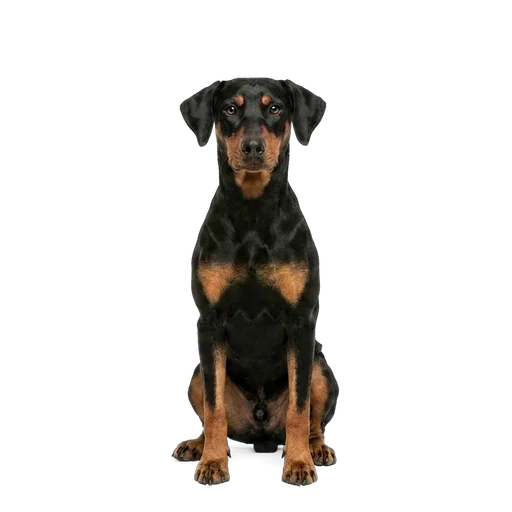
Deciding between similar breeds? Here is the German Shorthaired Pointer next to German Pinscher and Standard Schnauzer.
| German Shorthaired Pointer | German Pinscher | Standard Schnauzer | |
|---|---|---|---|
| Size | Medium | Medium | Medium |
| Weight | 20-32 kg | 11-20 kg | 14-20 kg |
| Lifespan | 10-14 yrs | 12-14 yrs | 13-16 yrs |
| Activity | Active | Active | Active |
| Shedding | Medium | Low | Low |
| Good with kids | Yes | Yes | Yes |
| Apartment-friendly | No | No | Yes |
Frequently asked questions
How much exercise does a German Shorthaired Pointer really need?
A great deal, typically two or more hours of vigorous activity every day. That means running, swimming, hiking, or working, plus mental stimulation such as training and scent games. A GSP that doesn't get enough becomes anxious and destructive, which is the number one reason the breed ends up in rescue.
Are German Shorthaired Pointers good apartment dogs?
Generally no. Their enormous energy, need for space, and dislike of being left alone make apartment life a poor fit unless the owner is exceptionally active and committed to hours of daily exercise. A house with a secure garden and a sporty lifestyle suits them far better.
What is bloat and why does it matter for this breed?
Bloat, or gastric dilatation-volvulus (GDV), is a rapidly fatal emergency where the deep chest lets the stomach fill with gas and twist. Warning signs include a swollen hard belly, unproductive retching, drooling, and restlessness. Feed smaller meals, avoid exercise around mealtimes, and seek emergency veterinary care immediately if you suspect it.
Do German Shorthaired Pointers get along with children and other pets?
They are usually excellent with children and love being part of family life, though a bouncy young dog can accidentally knock over a small child. With other pets it is trickier: their strong prey drive means cats and small animals need careful management, and not every GSP can live safely with them.
Are German Shorthaired Pointers easy to train?
Yes, they are intelligent, eager to please, and respond very well to reward-based training, which is why they excel at gundog work and dog sports. The catch is their energy and boredom threshold. A well-exercised GSP is a joy to train; an under-stimulated one is distracted and hard to focus.
Related breeds


Health and care information is drawn from established veterinary sources and is general guidance, not veterinary advice. See our sources
Keep records for your German Shorthaired Pointer
Vaccinations, food and treat safety, allergy alerts and parasite reminders - all tracked for your German Shorthaired Pointer in the Pethls app.