

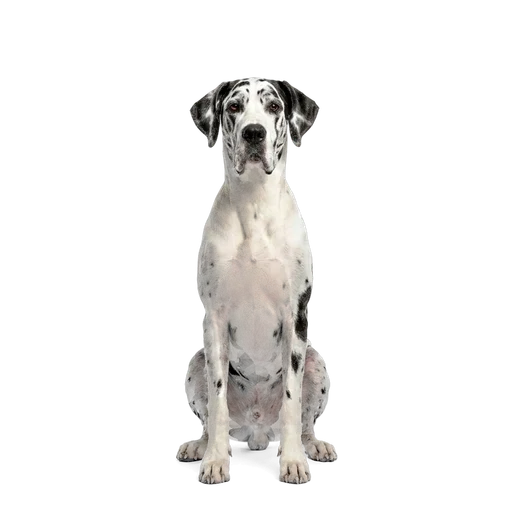
Origin: Germany
Great Dane
Get reminders for your Great Dane's vaccines
Vaccination and parasite reminders, food-safety scans and health records — free to start in the Pethls app.


Good for
The Great Dane earns its "gentle giant" nickname honestly. A dog that stands taller than most children and can weigh anywhere from 45 to 90 kg, yet spends most of the day leaning against your leg looking for company. Bred in Germany to hunt wild boar, the modern Dane is a calm, devoted housemate with a surprisingly soft temperament. The hard part of Dane ownership is not the personality, it is the size, the vet bills, and a lifespan that runs only 7 to 10 years. Go in knowing you are signing up for a big life in a short span, with a dog that takes up as much room in the house as it does in your routine.
Temperament & personality
Danes are patient, affectionate, and deeply attached to their people. They were bred to work alongside humans, and that shows in how badly they want to be near you. A Dane left alone in the yard all day is a miserable Dane, and a miserable Dane tends to bark, dig, and pace. This is an indoor family dog that happens to be the size of a small pony.
With children they are usually tolerant and steady. The catch is physics, not attitude. A happy tail-wag at coffee-table height clears the table, and a Dane that turns quickly can knock a toddler flat without meaning any harm. Supervise young kids around any Dane, and teach the dog early not to lean or jump.
Most Danes get along with other dogs and cats when raised with them, though early socialization matters. Start exposing puppies to new people, surfaces, and animals from 8 weeks. A well-socialized Dane is confident and easy-going. An under-socialized one can grow wary, and a nervous 70 kg dog is a genuine handful.
They are smart and eager to please but sensitive. Harsh corrections backfire. Calm, consistent, reward-based training gets you a polite giant who walks nicely on lead, which is non-negotiable when the dog outweighs half the adults it meets.
Vaccination schedule
Great Dane puppies follow the standard core vaccine plan. The combination DHPP shot (distemper, hepatitis/adenovirus, parvovirus, parainfluenza) starts at 6 to 8 weeks, then repeats every 3 to 4 weeks until the puppy is at least 16 weeks old. That usually means doses around 8, 12, and 16 weeks. The final dose past 16 weeks matters because maternal antibodies can block earlier shots from taking.
Rabies is given once between 12 and 16 weeks, depending on local law, then boosted at one year and every 1 to 3 years after that. Many regions require rabies by statute, so keep the certificate somewhere you can find it.
Leptospirosis is now a core vaccine recommended for every dog, so plan on it for your Dane. It needs a 2-dose puppy series followed by an annual booster, unlike the every-3-years DHPP boosters. The risk runs higher for a Dane that walks through wet grass, puddles, or wildlife areas, which is most of them, so that yearly booster matters. Other non-core vaccines depend on lifestyle: Bordetella and canine influenza make sense if the dog boards, attends daycare, or visits grooming salons. Your vet will tailor the list to where you live and what your dog does.
After the puppy series, adult Danes get DHPP boosters every 1 to 3 years. Because Danes have shorter lifespans and higher anesthetic and overall health risks, keep every wellness visit even when vaccines are not due. Yearly exams catch heart and joint problems early.
Best food & diet
Puppy feeding is the single most important thing you will do for a Dane. Use a large-breed or giant-breed puppy formula with controlled calcium and a calorie density that promotes slow, steady growth. Danes that grow too fast develop joint and bone problems that follow them for life. Do not free-feed and do not push for a bigger puppy faster. Slow is the goal.
Adults do well on a high-quality diet with moderate protein and fat, portioned to keep the dog lean. You should be able to feel the ribs without pressing hard. Every extra kilogram on a giant frame is extra load on hips, elbows, and heart, so a lean Dane simply lives better.
Feed two or three smaller meals a day rather than one large one, and avoid hard exercise for an hour before and after eating. This is not fussiness. Deep-chested giant breeds are the highest-risk group for bloat, and gulping a huge single meal then running around is a known trigger. Slow-feeder bowls help fast eaters.
Watch food ingredients if your Dane shows itching or gut upset. Beef, chicken, and wheat are common triggers in this breed. A simple diet with one clearly labeled protein makes it far easier to spot a problem, and makes an elimination trial straightforward if your vet recommends one.
Common health problems
Bloat, properly called gastric dilatation-volvulus or GDV, is the emergency every Dane owner must understand. The stomach fills with gas and can twist on itself, cutting off blood supply. It kills within hours without surgery. Warning signs are a swollen belly, unproductive retching, drooling, restlessness, and collapse. If you see these, drive to an emergency vet immediately. Do not wait to see if it passes. Because the risk is so high, many owners elect a preventive gastropexy, often done during spay or neuter, which tacks the stomach to the body wall so it cannot twist.
Dilated cardiomyopathy (DCM) is the other major concern. The heart muscle weakens and enlarges, leading to poor pumping, arrhythmias, and heart failure. Danes are one of the most affected breeds. Signs include coughing, tiring easily, fainting, and a swollen abdomen. Yearly heart checks, and echocardiograms once the dog is middle-aged, catch it early enough to treat with medication.
Orthopedic disease is common on this frame. Like most giant breeds, Danes are at real risk of hip dysplasia and elbow dysplasia, which bring pain and arthritis, so have any stiffness checked early. Wobbler syndrome, a problem in the neck vertebrae, produces a wobbly, uncoordinated gait and needs veterinary imaging to diagnose. Keeping the dog lean and avoiding over-exercise in the growth phase reduces the load on developing joints.
Osteosarcoma, an aggressive bone cancer, turns up more often in large breeds, so persistent limping or a firm swelling on a leg deserves prompt X-rays. Catching it early genuinely changes the options available.
Allergies & skin
Danes are prone to both food and environmental allergies. Food reactions usually show as chronic itching, ear infections, or loose stools, and the frequent culprits in this breed are beef, chicken, and wheat. If you suspect food, your vet may run an 8 to 12 week elimination diet using a novel or hydrolyzed protein, which is the only reliable way to confirm it.
Environmental allergies, called atopy, flare with grass pollen and dust mites. These tend to be seasonal at first, then can become year-round. Typical signs are licking the paws, rubbing the face, and recurrent skin or ear infections. Wiping the dog down after walks and washing bedding weekly in hot water cuts the pollen and dust-mite load.
The Dane's short coat means skin problems are easy to see, which is a small advantage. Pressure calluses on the elbows and hocks are common because a heavy dog lying on hard floors puts real weight on those points. Soft, supportive bedding prevents them and keeps them from cracking or getting infected.
For persistent itching, do not just keep bathing. Talk to your vet. Options range from medicated shampoos and omega-3 supplements to modern anti-itch medications and, in stubborn cases, allergy testing and immunotherapy. Chronic skin disease is manageable but rarely fixes itself.
Flea, tick & worm prevention
Fleas and ticks are a year-round nuisance in most climates, and ticks carry diseases like Lyme and ehrlichiosis. Keep your Dane on a vet-recommended preventive, whether a monthly chew, a topical, or a long-acting collar. Because these products are dosed by body weight, a giant-breed dog needs the top-tier weight bracket. Never split a small-dog dose or guess. Confirm the product covers your dog's actual weight.
Intestinal worms (roundworms, hookworms, whipworms, tapeworms) and heartworm need their own coverage. Puppies are dewormed every 2 weeks from around 2 weeks of age until 12 weeks, then monthly to 6 months, because they are so often born with roundworms. Many monthly heartworm preventives also handle common intestinal worms, which keeps the routine simple.
Heartworm is spread by mosquitoes and is far cheaper to prevent than to treat, especially in a dog this size where treatment is harder and riskier. Year-round monthly prevention is the standard recommendation in most areas. Your vet will run a blood test first, since heartworm preventives should not be started in an already-infected dog.
Tapeworm usually comes from swallowed fleas, so good flea control doubles as tapeworm control. Check your Dane for ticks by hand after country walks. On a big dog with short hair they are easy to find, and removing one within a day sharply lowers disease risk.
Medications & dosing
Almost every canine medication is dosed by body weight, and with a Dane that number is large. A dog at 70 kg needs a very different amount than a Labrador, so always dose to your dog's current, accurate weight and reweigh before repeat treatments. Never scale up a small-dog product or estimate. Getting the weight wrong in either direction is a real risk with parasite preventives, pain relief, and sedatives.
For pain and arthritis, vets commonly use dog-specific NSAIDs such as carprofen or meloxicam. Never give human painkillers like ibuprofen or paracetamol, which are toxic to dogs. Long-term NSAID use in an older Dane should be paired with periodic blood tests to monitor liver and kidney function.
Anesthesia deserves special planning in giant breeds. Because of their size and cardiac risk (DCM), Danes warrant careful anesthetic planning and dosing. A pre-anesthetic exam, and often an echocardiogram, is worthwhile before any elective procedure. Tell your vet about the breed's cardiac tendencies so they can choose a suitable protocol.
Keep a written record of every drug, dose, and date, including flea, tick, and worm products. It prevents accidental double-dosing across products, helps a new or emergency vet act fast, and makes it easier to spot which medication caused a reaction if one appears. When in doubt about any dose, call your vet before giving it.
Grooming & coat care
Grooming a Dane is refreshingly low-effort. The coat is short, smooth, and close-lying, so a weekly brush with a rubber curry or bristle brush removes loose hair and keeps the coat shiny. Shedding is moderate rather than heavy, with a bit more coming out in spring and autumn. A quick daily wipe with a grooming mitt during those weeks keeps the sofa livable.
Bathe only when the dog is actually dirty, roughly every 6 to 8 weeks or as needed. Over-bathing strips the natural oils and can dry the skin. A large dog in a small bathroom is a wrestling match, so many owners use a walk-in shower or a warm-weather hose outdoors. Dry the skin folds and ears well afterward.
Nails, ears, and teeth are the real routine. Big dogs put a lot of weight through their toes, so keep nails trimmed short so they never click on the floor or splay the foot. Check ears weekly and clean them if they smell or look waxy, since floppy ears trap moisture. Brush teeth several times a week to head off the dental disease that shortens quality of life.
Do a hands-on check every time you groom. Run your palms over the legs and body feeling for lumps, warm joints, or sore spots, and glance at the elbows for calluses. On a breed prone to bone cancer and joint disease, this two-minute habit is one of the best early-warning tools you have.
How the Great Dane compares
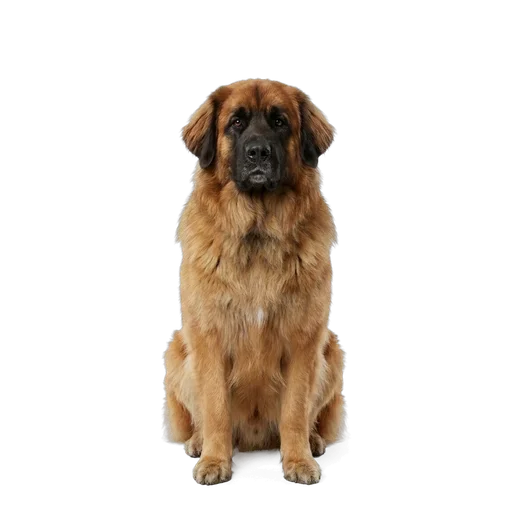
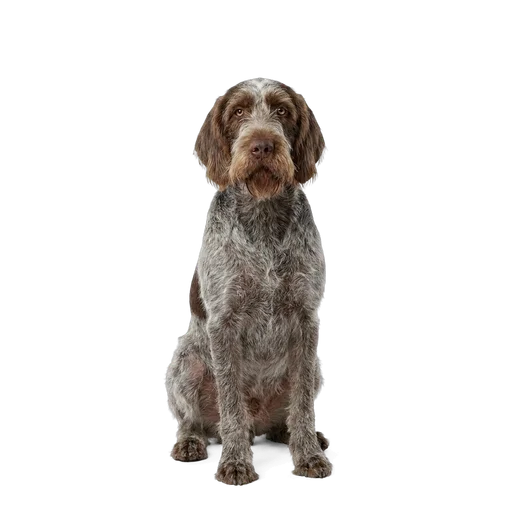
Deciding between similar breeds? Here is the Great Dane next to Leonberger and Spinone Italiano.
| Great Dane | Leonberger | Spinone Italiano | |
|---|---|---|---|
| Size | Large | Large | Large |
| Weight | 45-90 kg | 45-77 kg | 29-39 kg |
| Lifespan | 7-10 yrs | 7-9 yrs | 10-12 yrs |
| Activity | Moderate | Moderate | Moderate |
| Shedding | Medium | High | Medium |
| Good with kids | Yes | Yes | Yes |
| Apartment-friendly | No | No | No |
Frequently asked questions
How big does a Great Dane get?
Adults commonly stand 71 to 86 cm at the shoulder and weigh 45 to 90 kg, with males at the larger end. On their hind legs many Danes are taller than an adult human. They reach near-full height by around 18 months but keep filling out in muscle and chest until two to three years old.
Why is bloat such a big deal in Great Danes?
Deep, narrow chests let the stomach twist on itself, a condition called GDV that is fatal within hours without emergency surgery. Danes are among the highest-risk breeds. Feeding two or three smaller meals, using a slow-feeder bowl, and avoiding hard exercise around mealtimes all lower the risk. Many owners also choose a preventive gastropexy, which tacks the stomach so it cannot twist.
How much exercise does a Great Dane need?
Less than people expect. Two moderate walks a day and some yard time suit most adults. They are sprinters, not endurance athletes, and they overheat and tire faster than smaller dogs. Growing puppies must not be over-exercised at all. Skip forced running, long hikes, and jumping until the joints have matured, usually past 18 to 24 months.
Are Great Danes good with children?
Yes, they are typically patient and gentle with kids. The concern is size, not temperament. A wagging tail or an excited turn can knock a small child over by accident. Supervise toddlers, teach the dog not to lean or jump, and give the dog a quiet space to retreat to when play gets loud.
How long do Great Danes live?
Around 7 to 10 years, short compared with smaller breeds, which is the reality of giant-dog biology. You can make the most of those years by keeping the dog lean, feeding a proper large-breed puppy diet during growth, staying on top of yearly heart and joint checks, and considering a preventive gastropexy against bloat.
Related breeds
Health and care information is drawn from established veterinary sources and is general guidance, not veterinary advice. See our sources
Keep records for your Great Dane
Vaccinations, food and treat safety, allergy alerts and parasite reminders - all tracked for your Great Dane in the Pethls app.