

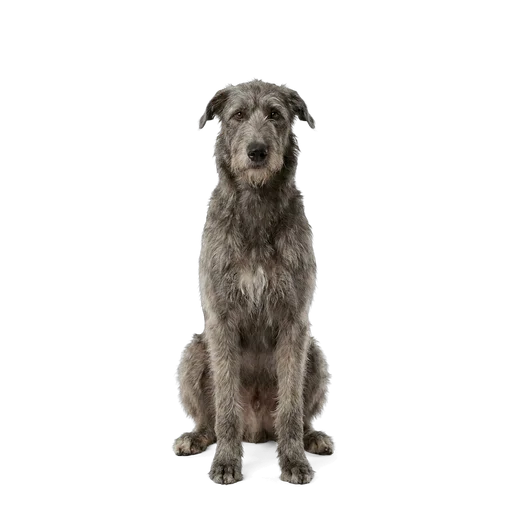
Origin: Ireland
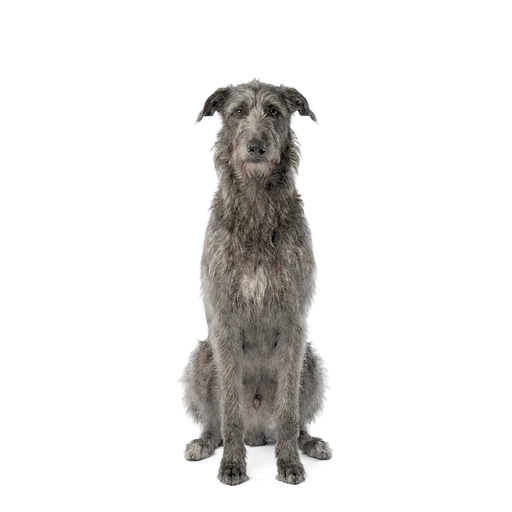
Irish Wolfhound
Get reminders for your Irish Wolfhound's vaccines
Vaccination and parasite reminders, food-safety scans and health records — free to start in the Pethls app.


Good for
The Irish Wolfhound is the tallest dog breed in the world, an ancient Irish coursing hound once used to hunt down and bring down wolves and elk. A big male standing on his hind legs is taller than most people, and even on all fours he can rest his head on a tabletop, yet the temperament is the opposite of intimidating. This is the original gentle giant: calm, sweet-natured, dignified, and famously good with children. The hard truth that comes with the breed is size. Giant dogs live short lives, and an Irish Wolfhound rarely reaches double digits, so owning one is a big commitment packed into a handful of years. People who love the breed accept that trade because few dogs match the Wolfhound's quiet, affectionate presence.
Temperament & personality
Irish Wolfhounds are calm, patient, and easygoing, with a gentle dignity that has defined the breed for centuries. Inside the home they are quiet and undemanding, happy to lie at your feet and be part of family life rather than the center of attention. They are affectionate without being clingy and tend to bond closely with the whole household. As guard dogs they are hopeless, too friendly and even-tempered to be suspicious of visitors, though their sheer size alone gives most strangers pause.
The breed is genuinely good with children, tolerant and gentle even with young ones. The obvious caveat is size: a Wolfhound can knock over a toddler without any ill intent simply by turning around or wagging that long tail, so supervision protects the child and the dog alike. Their relaxed nature also makes them generally good with other dogs and, unlike many sighthounds, they often coexist well with other pets, especially when raised together, though their hunting heritage means individual dogs vary and a strong prey drive can still surface.
Wolfhounds are sensitive and respond poorly to harsh handling. Reward-based training with a calm, patient approach works well, and early socialization and manners training matter a great deal because a dog this large simply must learn to walk politely on a leash and settle calmly. You are training a giant, so basic obedience is a safety issue, not a nicety.
One trait catches new owners off guard: Wolfhound puppies grow at an astonishing rate and go through a gangly, clumsy adolescence in a body that is still maturing. During that long growth phase, exercise has to be kept moderate and controlled to protect developing joints and bones, which asks for patience from an owner eager to see the finished dog.
Vaccination schedule
Irish Wolfhound puppies need the standard core vaccines. DHPP protects against distemper, hepatitis (adenovirus), parvovirus, and parainfluenza, and is given as a series from around 6 to 8 weeks, repeated every 3 to 4 weeks until roughly 16 weeks of age. Parvovirus is a severe threat to puppies, so limit your Wolfhound's contact with unvaccinated dogs and busy dog areas until the course is complete.
Rabies is the other core vaccine and is legally required in most regions. It is typically given once at 12 to 16 weeks, boosted one year later, and then repeated every 1 to 3 years depending on the product and local law.
Non-core vaccines are chosen by lifestyle and local risk. A Wolfhound that boards, attends shows, or mixes with lots of dogs may need protection against Bordetella (kennel cough), leptospirosis, or canine influenza. One giant-breed point worth remembering: vaccine doses are not scaled up for body size, a Wolfhound gets the same volume as a small dog, so do not expect or ask for a bigger dose. Watch the injection site for the usual mild, short-lived tenderness afterward.
Best food & diet
Feeding an Irish Wolfhound well during puppyhood is one of the most important things you can do for its long-term health. Giant-breed puppies must grow slowly and steadily; growing too fast strains developing bones and joints and is linked to orthopedic problems later. Use a diet formulated specifically for large or giant-breed puppies, with carefully controlled calcium, phosphorus, and calorie levels, and follow your vet's guidance on portions rather than free-feeding. Resist the urge to push growth, because a bigger puppy faster is not a healthier one.
Adult Wolfhounds eat a lot in absolute terms, but they should still stay lean, with a visible waist and easily felt ribs. Excess weight is hard on giant-breed joints and hearts, so keep your dog trim throughout life. Feed a quality diet with a solid animal-protein base and adjust the amount to the dog's condition, activity, and age.
Meal management matters because Wolfhounds, like other deep-chested giants, are at risk of bloat. Split the daily food into two or more meals instead of one big one, avoid vigorous exercise for at least an hour before and after eating, and slow down a fast eater with a slow-feeder bowl. Keep fresh water available but discourage rapid gulping right after exercise. Any sudden swollen belly with unproductive retching is an emergency, covered in the health section below.
Common health problems
The Irish Wolfhound has a short lifespan, typically 6 to 10 years, and several serious conditions drive that. Dilated cardiomyopathy (DCM) is a leading cause of death in the breed. The heart muscle weakens and enlarges and pumps poorly, and signs like reduced stamina, coughing, faster breathing, fainting, or a swollen abdomen can appear gradually. Because DCM is so common here, many breeders and vets recommend routine cardiac screening, including echocardiograms and sometimes Holter monitoring, from adulthood onward to catch it early, when medication does the most good.
Osteosarcoma, an aggressive bone cancer, is another major killer in the breed, as it is in most giant dogs. It usually shows first as lameness or a firm, painful swelling on a limb, so any persistent unexplained limp in an adult Wolfhound needs prompt X-rays and veterinary assessment.
Bloat, or gastric dilatation-volvulus (GDV), is a life-threatening emergency the deep-chested Wolfhound is prone to. The stomach fills with gas and can twist, and without immediate surgery it is fatal. Learn the signs, a distended belly, unproductive retching, drooling, restlessness, and act at once. Many owners discuss a preventive gastropexy with their vet, often done during spaying or neutering.
Two more inherited concerns round out the list. Portosystemic liver shunt is a blood-vessel malformation that lets blood bypass the liver, seen in the breed and sometimes detected in puppies through poor growth, neurological signs, or reactions to anesthesia; a bile acid test helps diagnose it. Hip dysplasia, a malformed hip joint, is common in giant breeds and can lead to pain and arthritis, so responsible breeders screen breeding dogs. Keeping your Wolfhound lean and appropriately exercised protects the joints throughout life.
Allergies & skin
The Irish Wolfhound's rough, wiry double coat gives fair protection to the skin, but problems still occur. Like many dogs, a Wolfhound can develop environmental allergies (atopy), where triggers such as pollens, grasses, dust mites, and mold cause itching, paw licking, red skin, and ear irritation. The coarse coat can disguise a developing sore or hot spot, so run your hands over the skin during grooming and part the coat if your dog is scratching a particular area.
Food sensitivities are less common than environmental allergies and usually present as itchy skin or digestive upset. If your vet suspects one, the dependable approach is an elimination diet over 8 to 12 weeks using a novel or hydrolyzed protein, not trial and error with different bags of food.
Two skin issues are tied to the breed's size. Pressure calluses and sores form easily on the elbows, hips, and hocks where a heavy dog rests its weight on hard floors, so provide a large, thick, supportive bed to cushion those bony points. And the beard and facial furnishings can trap food and moisture and get dirty or irritated, so wipe the muzzle area now and then to keep it clean and comfortable.
Flea, tick & worm prevention
Year-round parasite prevention is essential for an Irish Wolfhound. Fleas trigger itching and flea-allergy dermatitis, and ticks transmit Lyme disease, anaplasmosis, and other infections, a real risk for a dog that roams grassy fields and woodland. Preventives come as monthly chews, monthly spot-on liquids, and longer-acting collars, and your vet will match the product to your local parasite pressure. Note that giant dogs fall into the top weight bracket for these products, so buy the correct large-dog dosage.
Worming controls intestinal parasites, including roundworms, hookworms, tapeworms, and whipworms. Puppies are dewormed several times in early life because they commonly pick up worms from their mother, then follow a regular adult schedule. A single combination product covering intestinal worms and heartworm each month keeps things simple for many owners.
Heartworm, spread by mosquitoes, is far safer and cheaper to prevent than to treat, so maintain year-round prevention through a monthly chewable or periodic injection as your vet advises. Always dose parasite products to your Wolfhound's accurate current weight, which for an adult sits at the highest end of the scale, and check with your vet before starting any new preventive.
Medications & dosing
For an Irish Wolfhound, medication must be weight-based and vet-directed, and the breed's size cuts both ways. Because these dogs are so heavy, they need the correct giant-dog dose of many medications, and using a small-dog amount would simply be too little. At the same time, never guess, never give a medication prescribed for another animal, and never reach for human painkillers like ibuprofen or paracetamol, which are toxic to dogs. Always work from an accurate current weight and your vet's instructions.
Anesthesia deserves particular care with this breed for two reasons. First, sighthounds have relatively low body fat, a recognized factor in how they handle certain anesthetic and sedative drugs, so tell your vet your dog is a sighthound-type breed before any sedation. Second, because portosystemic liver shunt occurs in the breed and the liver processes many drugs, an undiagnosed shunt can cause a dangerous reaction to anesthesia. A vet familiar with Wolfhounds will keep both factors in mind, choose appropriate agents and doses, and monitor recovery closely.
A couple of practical points. Despite their coat, Wolfhounds still feel the cold in harsh weather, and their lean giant-breed build means a warm, dry, well-padded resting place matters, particularly for older dogs with stiff joints. And if your Wolfhound is on long-term medication, which is common given the breed's heart issues, follow the dose and schedule exactly, refill on time, and never stop or change a heart medication without speaking to your vet first.
Grooming & coat care
The Irish Wolfhound wears a rough, harsh, wiry double coat that is practical and fairly low-maintenance. A thorough brush once or twice a week removes loose hair and dead undercoat and keeps the coat from matting, with extra attention to the softer hair behind the ears, on the legs, and around the beard where tangles gather. Shedding is moderate and steady through the year rather than dramatic, so regular brushing keeps loose hair under reasonable control.
Many owners have the wiry coat hand-stripped once or twice a year to remove dead hair and preserve its correct harsh texture, though pet Wolfhounds that are simply kept tidy do fine with regular brushing and the occasional tidy-up. The beard needs a wipe fairly often because it collects food and water and can otherwise get grubby or smelly.
Round out care with the basics, scaled up for a giant. Trim the large nails regularly, since overgrown nails are uncomfortable and affect how such a heavy dog stands and moves. Check and clean the ears as needed. Brush the teeth regularly to prevent dental disease. Bathe only occasionally, when the dog is genuinely dirty, both because frequent bathing strips the coat's protective oils and because, in all honesty, bathing a dog this size is a real undertaking best done sparingly.
How the Irish Wolfhound compares
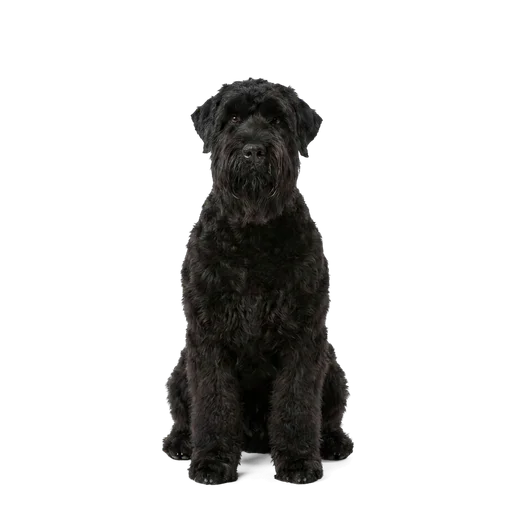
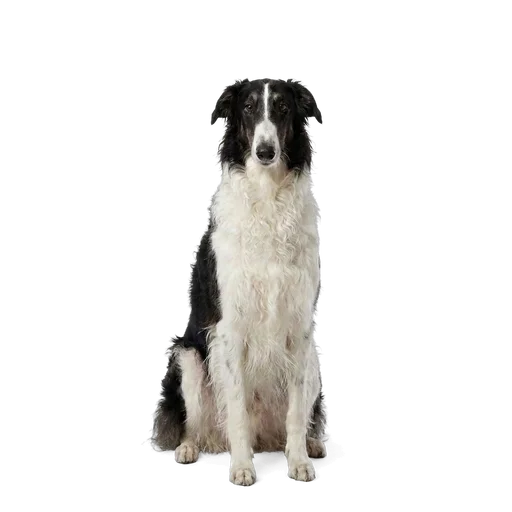
Deciding between similar breeds? Here is the Irish Wolfhound next to Black Russian Terrier and Borzoi.
| Irish Wolfhound | Black Russian Terrier | Borzoi | |
|---|---|---|---|
| Size | Large | Large | Large |
| Weight | 48-82 kg | 36-68 kg | 27-48 kg |
| Lifespan | 6-10 yrs | 10-12 yrs | 9-14 yrs |
| Activity | Moderate | Moderate | Moderate |
| Shedding | Medium | Low | Medium |
| Good with kids | Yes | Yes | Yes |
| Apartment-friendly | No | No | No |
Frequently asked questions
How long do Irish Wolfhounds live?
Typically 6 to 10 years, which is short even by giant-breed standards. Their great size shortens their lifespan and brings a higher risk of heart disease and bone cancer. Anyone drawn to the breed should be prepared for a shorter time together than most dogs offer, and plan for the cost of giant-breed health care.
Are Irish Wolfhounds good with children?
Yes, the breed is famously gentle, patient, and tolerant with children, part of why it is called a gentle giant. The main caution is size: a Wolfhound can accidentally knock over a small child simply by moving or wagging its tail, so supervise interactions between the dog and young children to keep everyone safe.
Do Irish Wolfhounds need a lot of exercise?
Adults need moderate daily exercise, a couple of good walks plus a chance to stretch out and trot or run in a secure area, but they are calm and relaxed at home and not hyperactive. Crucially, growing puppies must have their exercise kept moderate and controlled to protect their developing bones and joints, so avoid hard running and jumping until they mature.
Why is bloat a concern for Irish Wolfhounds?
As a deep-chested giant breed, the Wolfhound is prone to bloat (gastric dilatation-volvulus), where the stomach fills with gas and twists, which is fatal without emergency surgery. Reduce the risk by feeding smaller split meals, avoiding hard exercise around mealtimes, and discussing a preventive gastropexy with your vet. Know the signs: a swollen belly, unproductive retching, drooling, and restlessness mean get to a vet immediately.
Is the Irish Wolfhound a good breed for first-time owners?
It is a challenging first dog. The sheer size demands confident training and management, giant-breed health care is expensive and the lifespan is short, and the slow-growth feeding and exercise needs of a puppy require real knowledge. A committed beginner with vet support and a willingness to learn can do well, but this is not a casual first pet.
Related breeds
Health and care information is drawn from established veterinary sources and is general guidance, not veterinary advice. See our sources
Keep records for your Irish Wolfhound
Vaccinations, food and treat safety, allergy alerts and parasite reminders - all tracked for your Irish Wolfhound in the Pethls app.