

Origin: United States
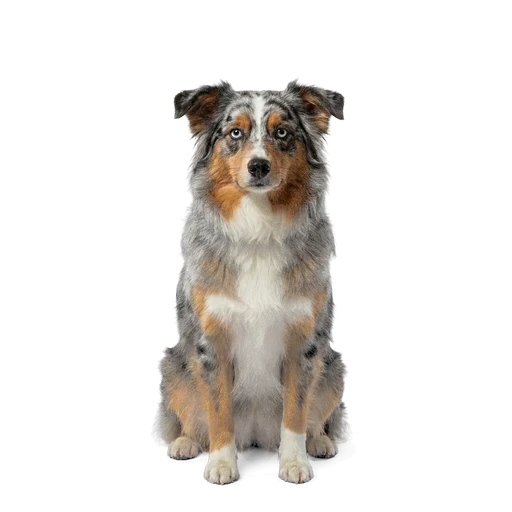
Miniature American Shepherd
Get reminders for your Miniature American Shepherd's vaccines
Vaccination and parasite reminders, food-safety scans and health records — free to start in the Pethls app.


Good for
The Miniature American Shepherd packs a full-size herding brain into a 9 to 18 kg body. Developed in the United States from small Australian Shepherd lines and long nicknamed the 'mini Aussie,' the breed earned AKC recognition in 2015 and has become a fixture at agility trials for good reason. These are quick, biddable, intensely watchful dogs that live 12 to 13 years and want a job every single one of them. For active families and dog-sport homes, they are outstanding partners. For owners hoping the small size means a low-effort pet, they are a lesson in reading past the cute merle coat.
Temperament & personality
This is a working herding dog first and a small dog second. Miniature American Shepherds are smart, fast learners with a strong desire to work with their person; they routinely pick up new cues in a handful of repetitions and remember them for life. That biddability makes training a pleasure, and it also means an under-employed mini American invents work: herding children, shadowing you room to room, barking at every delivery, spinning at the window.
Expect herding behaviors, because they are bred in. Nipping at running kids' heels, circling bikes and joggers, and intense staring at moving things are normal instincts that need redirecting from puppyhood, not punishing. With that management in place they are affectionate, playful family dogs, typically devoted to their household and reserved but polite with strangers. Early, broad socialization keeps the natural watchfulness from tipping into suspicion.
Exercise needs are real: plan on a minimum of 60 to 90 minutes of activity daily, and mental work counts double. Trick training, nosework, herding balls, puzzle feeders, and dog sports like agility, rally, and disc all scratch the itch. A tired mini American is a calm housemate; a bored one barks at everything and digs up the yard. Apartment life is possible only for owners who genuinely deliver that outlet every day, which is why the breed suits experienced, active homes better than first-time owners.
Vaccination schedule
Core vaccines follow the standard puppy timeline. DHPP (distemper, hepatitis/adenovirus, parainfluenza, parvovirus) begins at 6 to 8 weeks and repeats every 3 to 4 weeks until at least 16 weeks of age. Do not shorten the series; the final dose at or after 16 weeks is the one that reliably overrides maternal antibodies, and parvovirus punishes gaps.
Rabies is given between 12 and 16 weeks per local law, boosted at one year, then every 1 to 3 years depending on the product and your jurisdiction. DHPP is boosted at one year and typically every 3 years after. Because these dogs tend to live busy public lives, classes, trials, trailheads, daycare, most will also need Bordetella, and many vets recommend leptospirosis (wildlife and standing water exposure on farms and trails) and Lyme in tick-heavy regions.
A breed-specific note for the vaccine visit itself: this is a good appointment to hand your vet the dog's MDR1 test result (covered below) so it is in the record before any medications are ever prescribed. Reputable breeders often test litters; if yours did not, order the swab test early.
Best food & diet
At 9 to 18 kg, most Miniature American Shepherds do well on a quality small-to-medium breed food that meets AAFCO standards, fed as measured meals twice a day. Puppies should eat a puppy formula until roughly 10 to 12 months. Calorie needs swing widely with workload: a weekend agility competitor in full training may need 30 to 50 percent more than a leash-walked pet of the same weight, so feed the body in front of you and adjust by condition, not by the bag chart alone.
Keep them lean, which for this breed means ribs easily felt and a clear tuck-up. Extra weight is especially costly for a dog at risk of hip dysplasia and one living a jumping, twisting sport lifestyle. The thick coat hides weight gain well, so use your hands and a scale rather than your eyes.
Sport and working dogs benefit from timing: a small pre-work snack, main meals after exercise with a rest period, and water breaks throughout. Omega-3 supplementation (fish oil at vet-guided doses) is a reasonable addition for coat and joint support. Skip boutique grain-free diets unless your vet has a specific reason; there is no evidence this breed needs them, and some grain-free formulas have been linked to dilated cardiomyopathy (DCM), a heart concern the FDA has investigated in dogs on certain grain-free diets, though the mechanism is not established.
Common health problems
Start with the one every owner and every vet must know: MDR1. A large share of Miniature American Shepherds carry a mutation in the ABCB1 gene (commonly called MDR1) that weakens the blood-brain barrier's drug pump. Affected dogs can suffer severe, sometimes fatal neurological reactions to normal doses of certain common drugs, including high-dose ivermectin, loperamide (the human anti-diarrheal), and some sedatives, dewormers, and chemotherapy agents. The mutation is common in Aussie-derived breeds, it is invisible without testing, and the test is a simple cheek swab costing less than a single emergency visit. Test your dog, tell your vet, and have the result flagged in the chart. Carriers with one copy need caution; dogs with two copies need strict drug substitutions.
Eyes are the second focus area. Progressive retinal atrophy (PRA) is worth catching early; it causes gradual, painless blindness starting with night vision, and Collie eye anomaly (CEA) is another to ask your vet about, a developmental defect ranging from harmless to detaching retinas. Both are DNA-testable in breeding stock, and puppies should come from parents with current eye clearances. An annual exam by a veterinary ophthalmologist is standard for breeding dogs and sensible for sport dogs. In merle-carrying breeds generally, merle-to-merle breedings can produce puppies with serious eye and hearing defects, one more reason to buy from breeders who know their genetics.
Orthopedics and neurology round out the list. Hip dysplasia can occur even in smaller dogs, so ask for OFA or PennHIP results on both parents and keep your own dog lean with sensible jump heights in sport. Idiopathic epilepsy is something to stay alert to, usually surfacing between 1 and 5 years of age; it is managed with daily medication in most cases, and any seizure warrants a vet visit and a call to your breeder. With good breeding and routine care, many well-cared-for Miniature American Shepherds live to around 12 to 13 years or a little beyond.
Allergies & skin
Skin is not a major weak point in this breed, but the dense double coat changes how problems present. Environmental allergies (atopy) show up as paw licking, ear infections, and belly or armpit itching, typically starting between 1 and 3 years of age; a busy outdoor lifestyle means plenty of pollen and grass contact. Under all that coat, hot spots can bloom fast: a damp patch after a swim or a flea bite can become a raw, oozing sore in a day. Check the skin with your fingers during weekly brushing, especially after wet outings.
Flea allergy is worth ruling out first whenever itching appears, since even one bite can set off an allergic dog and finding fleas in a double coat is genuinely hard. Year-round prevention removes the question entirely. Food allergy is possible but uncommon; if your vet suspects it, the diagnostic path is a strict 8 to 12 week elimination diet, not a blood test.
One breed-adjacent note: some Aussie-line dogs are prone to sun-related nose and eyelid issues where merle or white markings leave skin lightly pigmented. Dogs with pink-skinned noses that spend all day outdoors may benefit from dog-safe sun protection in summer. Bring persistent nose crusting or color change to your vet rather than treating it as weathering.
Flea, tick & worm prevention
This breed's lifestyle, trails, fields, agility venues, farm visits, is a parasite buffet, and the thick coat makes visual tick checks unreliable. Year-round systemic prevention is the answer. Monthly isoxazoline chewables covering fleas and ticks are a common choice; the isoxazoline class is considered safe for MDR1-affected dogs at label doses, which matters in this breed. Discuss the seizure-history caution on isoxazoline labels with your vet if your dog has epilepsy, since alternatives exist.
Worming follows the standard program: puppies dewormed every 2 to 3 weeks from 2 weeks of age, then adults on continuous intestinal worm coverage and, in heartworm regions (most of the US), monthly heartworm prevention with an annual test. Here MDR1 requires precision rather than fear: the ivermectin dose in licensed monthly heartworm preventives is low enough to be safe even for dogs with two mutant copies, but high-dose ivermectin products, including livestock formulations found around farms, can kill an MDR1 dog. Never dose from a farm bottle, and keep horse paste wormers strictly out of reach; dogs have been poisoned by eating manure from recently treated horses.
After hikes, run your hands through the coat with attention to ears, armpits, groin, and between toes, and remove any attached ticks promptly with a tick tool. In Lyme-endemic areas, ask your vet about annual tick-borne disease screening; early detection is generally inexpensive and worthwhile.
Medications & dosing
Every medication decision in this breed starts with two numbers: current body weight and MDR1 status. Dosing is weight-based and vet-directed as with all dogs, but the MDR1 (ABCB1) mutation adds a hard rule: certain drugs need substitution or major dose reductions in affected dogs. The cautious list includes high-dose ivermectin and related dewormers, loperamide, acepromazine and butorphanol (sedatives, often dose-reduced), several chemotherapy drugs, and others your vet can check against current references. A one-time cheek-swab DNA test establishes your dog's MDR1 status, which does not change over the dog's life; do it before the first sedation or deworming decision, not after a reaction.
The universal rules still apply. No human painkillers, ever; ibuprofen and paracetamol/acetaminophen are toxic to dogs. Weigh the dog before new prescriptions, since a 9 kg and a 17 kg mini American are practically different dosing categories in the same breed. Flea, tick, and heartworm products are sold in weight bands, so recheck the band as puppies grow.
Dogs on long-term medication, seizure control being the notable one in this breed, need scheduled monitoring: therapeutic drug levels and liver values, typically every 6 to 12 months once stable. If your dog is diagnosed with epilepsy, keep a seizure diary (date, duration, triggers, recovery time); it is the single most useful tool your vet has for tuning doses. Keep emergency numbers handy at trials and on trips, and carry a written med list with milligram strengths.
Grooming & coat care
The Miniature American Shepherd wears a weather-resistant double coat: a straight-to-wavy outer coat over dense undercoat, with feathering on the britches, chest, and forelegs. It sheds year round and blows undercoat heavily twice a year, usually spring and fall, when handfuls come out for 2 to 4 weeks at a stretch. If low shedding is a requirement, this is the wrong breed; a good vacuum is standard equipment.
Routine maintenance is moderate: a thorough brushing once or twice a week with a slicker brush and an undercoat rake, stepped up to daily during coat blows. Work in lines down to the skin, paying attention to the mat-prone zones behind the ears, in the britches, and behind the elbows. A bath every 6 to 8 weeks or when dirty is plenty; always dry the undercoat fully, since trapped moisture invites hot spots. One firm rule: never shave a double coat. Shaving wrecks the coat's insulation against both heat and cold, often grows back patchy, and exposes skin to sunburn. De-shedding tools and a high-velocity dryer do the job properly.
The rest is standard but non-negotiable for an active dog. Nails every 3 to 4 weeks, shorter for sport dogs where long nails alter footfall and stress toes. Check paw pads after rough terrain, and trim the hair between pads if it collects burrs and ice. Ears weekly, teeth daily if you can manage it. Most owners find a groomer visit for a de-shedding treatment at the start of each coat blow cuts the household fur load dramatically.
How the Miniature American Shepherd compares
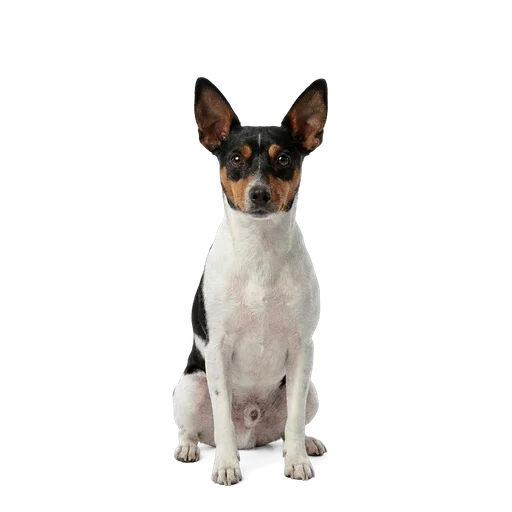
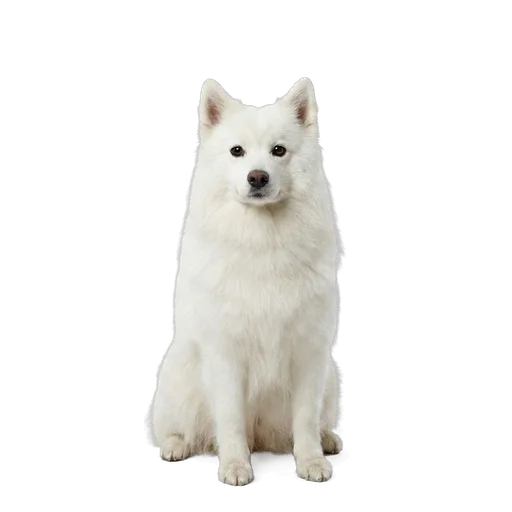
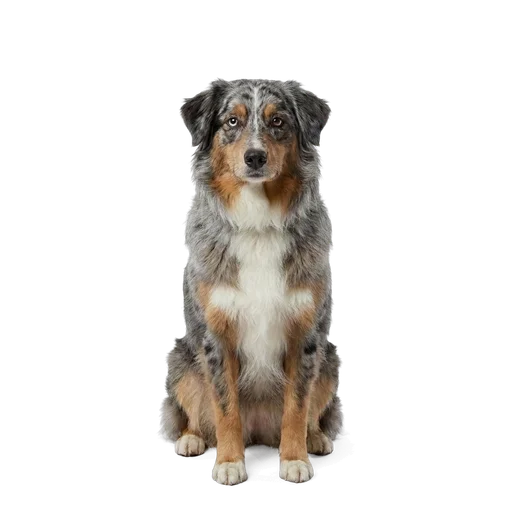
Deciding between similar breeds? Here is the Miniature American Shepherd next to Rat Terrier and American Eskimo Dog.
| Miniature American Shepherd | Rat Terrier | American Eskimo Dog | |
|---|---|---|---|
| Size | Small | Small | Medium |
| Weight | 9-18 kg | 4-11 kg | 4.5-16 kg |
| Lifespan | 12-13 yrs | 12-18 yrs | 13-15 yrs |
| Activity | Active | Active | Active |
| Shedding | High | Medium | High |
| Good with kids | Yes | Yes | Yes |
| Apartment-friendly | No | Yes | Yes |
Frequently asked questions
Is a Miniature American Shepherd the same as a mini Aussie?
Essentially yes. The breed was developed in the US from small Australian Shepherd lines and was called the Miniature Australian Shepherd for decades. The name changed to Miniature American Shepherd with AKC recognition in 2015. Some registries and breeders still use 'mini Aussie' informally, but AKC-registered dogs carry the American name.
What is the MDR1 mutation and does my dog need testing?
MDR1 (the ABCB1 gene) is a drug-sensitivity mutation common in Aussie-derived breeds. Affected dogs can have severe reactions to normal doses of certain drugs, including high-dose ivermectin, loperamide, and some sedatives. Yes, test: it is a one-time cheek swab, and the result changes how your vet prescribes for the rest of the dog's life. Standard monthly heartworm preventives remain safe at label doses.
How much exercise does a Miniature American Shepherd need?
Plan on 60 to 90 minutes of real activity daily, plus mental work, which tires them faster than mileage alone. Training sessions, nosework, puzzle feeders, and sports like agility or rally all count. A walk around the block does not. Under-exercised minis develop barking, herding of children, and destructive habits, so honest assessment of your schedule matters before bringing one home.
Do Miniature American Shepherds shed a lot?
Yes. The double coat sheds year round and blows undercoat heavily twice a year for 2 to 4 weeks at a time. Weekly brushing keeps it manageable, daily during coat blows, and an undercoat rake plus a good vacuum are essential kit. They are not hypoallergenic, and shaving the coat is never the answer; it damages the coat's insulation and can cause patchy regrowth.
Are Miniature American Shepherds good with kids and other pets?
Generally yes, with one caveat: herding instinct. Many will nip at running children's heels or circle other pets, which is instinct rather than aggression and needs redirecting from puppyhood. Raised with consistent training and early socialization, they are devoted, playful family dogs and usually get along well with other dogs. Supervise play with toddlers and teach kids not to run screaming past the dog.
Related breeds
Health and care information is drawn from established veterinary sources and is general guidance, not veterinary advice. See our sources
Keep records for your Miniature American Shepherd
Vaccinations, food and treat safety, allergy alerts and parasite reminders - all tracked for your Miniature American Shepherd in the Pethls app.