

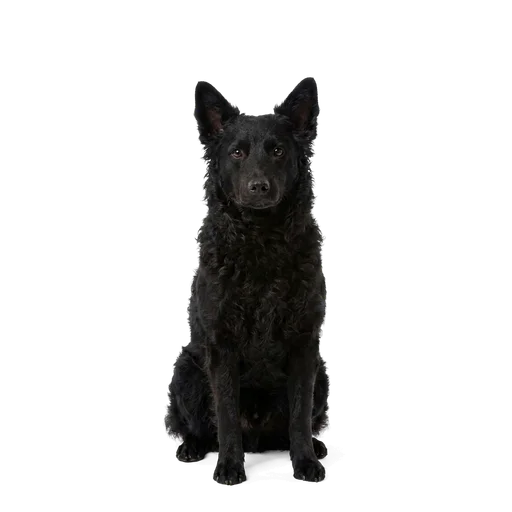
Origin: Hungary
Mudi
Get reminders for your Mudi's vaccines
Vaccination and parasite reminders, food-safety scans and health records — free to start in the Pethls app.


Good for
The Mudi (pronounced 'moody', plural mudik) is a rare Hungarian farm dog that packs an improbable amount of capability into 8 to 13 kg. On a traditional Hungarian farm one Mudi herded sheep and other small livestock, dispatched rats, and announced every visitor, and the modern dog keeps all three job descriptions on file. Quick, clever and brave, it excels at agility, herding trials and obedience while staying deeply attached to one person in particular. The trade-offs are honest ones: a Mudi is vocal, busy and always slightly on duty, so it suits an active owner who wants a full-time teammate. Expect a curly-coated shadow with opinions, and a typical lifespan of 13 to 14 years.
Temperament & personality
Ask a Mudi owner to describe the breed and you will hear the word 'everything'. On Hungarian farms this was the all-purpose dog: herder, watchdog, ratter and companion in one wavy-coated package. That versatility produced a dog that is quick to learn, quick to act and quick to voice an opinion. Mudik pick up new behaviors in a handful of repetitions, read their handler's body language fluently, and get visibly bored when training goes stale.
Attachment runs deep and is usually strongest with one person. A Mudi wants to be in the same room as its favorite human, preferably involved in whatever is happening, and it takes household events personally. With strangers, expect polite reserve rather than instant friendliness; early socialization keeps that watchfulness from tipping into suspicion. With children the breed generally does well, especially kids old enough to join in games and training, though herding instinct can surface as circling or nipping at running feet and needs redirecting early. Most Mudik also live peacefully with other dogs and even cats they were raised with.
Now the honest part: this breed is vocal. Barking is a feature the Hungarian farmers wanted, and the Mudi alerts to arrivals, squirrels and odd noises. You can train an interrupt cue and manage the triggers, but you cannot train the voice out entirely, which is one reason apartment life is a poor fit. The other reason is energy. A Mudi needs a real outlet every day, an hour or more of activity plus mental work, and it flourishes with sports like agility, flyball, herding and scent work. Give it a job and you have a brilliant companion; leave it idle and it will freelance as head of neighborhood security.
Vaccination schedule
Mudi puppies follow the standard core protocol. The DHPP combination vaccine, covering distemper, hepatitis (adenovirus), parvovirus and parainfluenza, begins at 6 to 8 weeks of age and repeats every 3 to 4 weeks until the pup is at least 16 weeks old, typically three or four doses. Rabies is given once between 12 and 16 weeks depending on local law. A Mudi puppy is small enough that some vets prefer to space vaccines and other procedures across visits; ask about your clinic's approach.
Boosters follow the usual rhythm: DHPP at one year, then every one to three years by product and protocol, with rabies boosted on the schedule your jurisdiction requires. For a breed this social and this sporty, non-core vaccines earn their keep. Bordetella and canine influenza make sense for dogs attending agility classes, trials and daycare, and leptospirosis suits Mudik that hike, swim or work around farms and wildlife.
Because many Mudik compete in dog sports, keep vaccination proof organised from the start; venues, classes and boarding facilities will all ask. A dated record with reminders also stops the dog receiving overlapping boosters from different providers.
Best food & diet
A Mudi eats like the small, hard-working athlete it is. Adults of 8 to 13 kg typically need around 500 to 900 kcal per day, with genuinely sporty dogs at the top of that range or above during competition season. Choose a complete diet with named animal protein first, either a small or medium breed formula depending on where your dog sits in the weight range. Two meals a day suits most adults. Treat any calorie figure as a starting point rather than a fixed rule, and let your dog's body condition and your vet fine-tune the amount.
Puppies can grow on a good-quality puppy food, moving to adult food at around 10 to 12 months. Keep growth lean. The breed's screened orthopaedic issues, hip dysplasia and patellar luxation, are both aggravated by extra weight on immature joints, and a fit Mudi should show a visible waist and easily felt ribs its whole life. This breed's weight can creep up quickly on a frame this size; half a kilogram matters on a 10 kg Mudi in a way it would not on a 30 kg dog.
Budget for training treats, because a Mudi in an active household earns food all day long. Carve treats out of the daily ration rather than stacking them on top, and keep single treats tiny; a pea-sized reward motivates a Mudi just as well as a biscuit. For sport dogs, feed the main meal a couple of hours clear of hard exercise and offer water breaks during long sessions. A couple of common proteins for the breed, notably beef and chicken, sit at a moderate food-sensitivity level, so if a Mudi shows persistent itching or digestive trouble, work through it with your vet rather than guessing at a diet.
Common health problems
The Mudi is a hardy, unexaggerated breed shaped by farm work rather than fashion, and many individuals sail through 13 to 14 years with little more than routine care. Three conditions form the core screening list: hip dysplasia, patellar luxation and epilepsy. Because the breed is rare, responsible breeders coordinate closely on health testing; ask for hip results and patella checks on both parents, and an open conversation about seizures in the pedigree.
Patellar luxation, a kneecap that slips out of its groove, is the classic small-dog issue and shows up as a skipping gait: the dog runs on three legs for a few strides, then continues normally. Mild cases need only monitoring and weight control, while severe grades can require surgery to prevent arthritis. Hip dysplasia occurs less often than in large breeds but does appear; stiffness after rest, reluctance to jump, or a bunny-hopping rear gait warrant X-rays. In an agility-loving breed, both conditions matter doubly, since sound joints are the whole game.
Epilepsy is the third screen. Seizures typically begin between one and five years of age, and a first seizure always merits a vet visit and bloodwork to rule out other causes. Recurrent epilepsy is usually manageable with daily anticonvulsants, and treated dogs commonly live full, active lives. Beyond these three, keep up dental care, since small and medium dogs accumulate tartar faster than large ones, and maintain lean body condition as the single cheapest health intervention available.
Allergies & skin
The Mudi is not hypoallergenic. Its wavy-to-curly coat sheds lightly to moderately, and the curls catch some loose hair before it hits the floor, which keeps the house tidier than a straight-coated shedder would. None of that changes the allergen picture, because the proteins that trigger human allergies come from dander and saliva, which a Mudi produces like any dog. Allergic households should meet adult Mudik in person before deciding anything.
The breed's own skin is typically sound. Centuries of outdoor farm work selected for a weatherproof coat and tough skin, and Mudik are not known for breed-specific dermatological problems. The complaints that do occur are the ordinary canine ones: flea allergy dermatitis, environmental allergies showing as paw chewing, face rubbing and recurrent ear trouble, and the occasional food sensitivity. Seasonal itching that returns each spring points to pollens; year-round itching suggests dust mites or diet.
The practical routine is simple. Check the skin under the curls during your regular combing, especially behind the ears and around the tail base where fleas concentrate, and treat any persistent scratching, redness or odor as a vet question rather than a shampoo question. Bathing is rarely needed and overdoing it dries the coat; a rinse after a muddy farm day and a proper bath every couple of months is plenty for most dogs.
Flea, tick & worm prevention
A Mudi's ideal life, fields, agility venues, woodland walks, maybe actual livestock, is also a parasite's ideal recruitment ground, so prevention runs year-round. Use a vet-recommended flea and tick product on schedule without seasonal gaps. For a dog of 8 to 13 kg, dose bands matter: a Mudi at the bottom of the range may take a different product size than one at the top, so weigh the dog rather than assuming, and re-check the band as a puppy grows.
The wavy-curly coat deserves the same careful checks recommended for any textured coat, because curls hide a feeding tick better than smooth hair does. After walks through grass or brush, go over the dog by feel with fingertips against the skin, concentrating on ears, muzzle, neck, armpits, groin and between the toes. Remove ticks promptly and completely with a tick hook. In tick-heavy regions, an oral isoxazoline product avoids the problem of spot-on liquids failing to spread properly through curly coats.
Worming is standard: puppies every 2 weeks from 2 weeks of age until 12 weeks, then monthly to 6 months; adults treated or faecal-tested every 3 months. A Mudi with its ratting heritage may catch and mouth rodents, which raises tapeworm and other risks, so mention any hunting habits to your vet when setting the protocol. Add lungworm coverage where slugs and snails carry it, and heartworm prevention in mosquito regions. Every product is weight-dosed, so keep a current weight on file.
Medications & dosing
Medication for a Mudi must be dosed by actual body weight and directed by a vet, and the breed's 8 to 13 kg spread makes this more than a formality. A 13 kg male may need over 50 percent more of a drug than an 8 kg female, and several common products change tablet size right in the middle of that range. Weigh the dog before starting anything new, and never estimate from memory with a dog whose fluffy coat hides its true condition.
If epilepsy is diagnosed, treatment usually means daily anticonvulsants such as phenobarbital or levetiracetam for life. These drugs demand routine: same times every day, no abrupt stops, and periodic blood tests to confirm levels and watch liver values. Keep a seizure diary with dates, durations and anything unusual beforehand; patterns in that diary often guide dose changes better than any single test. For knees and hips, vets lean on weight control first, then NSAIDs like carprofen or meloxicam for flare-ups, with strict instructions to give them with food and report vomiting or black stools at once.
Never give a Mudi human medication. Ibuprofen and paracetamol are toxic to dogs at doses small enough to sit in any handbag, and a 10 kg dog has little margin for error. The good news is that a clicker-savvy Mudi is one of the easiest breeds to medicate: a pill wrapped in something worthwhile, presented as part of a trick routine, goes down without a fight. Log every medication with dose and date, and check sport-organisation substance rules if you compete, since some routine drugs carry withdrawal periods before trials.
Grooming & coat care
Grooming is where the Mudi rewards its owner for all that exercise. The coat, short and smooth on the face and front of the legs, wavy to curly and about 3 to 7 cm long over the body, is close to self-maintaining. It resists matting, sheds dirt as it dries, and needs no trimming, stripping or professional styling. A comb-through once a week or so, plus a slightly more thorough session during spring and autumn shedding, covers the actual coat work.
Bathe only when the dog is genuinely dirty, which for a farm-bred coat like this means less often than you would guess; mud tends to dry and fall out of the curls on its own. When you do bathe, use a mild dog shampoo and let the coat air dry, since blow-drying straightens the curl. Never clip a Mudi for convenience, as cutting can alter the coat's texture and its weather resistance. Some Mudik are born with natural bobtails, worth knowing so a short tail does not alarm you at the breeder's.
The rest is standard small-dog upkeep with one emphasis. Trim nails every 3 to 4 weeks, keeping them short for an agility dog whose feet take real impact, check ears weekly, and brush teeth several times a week, since dental disease is the quiet tax on smaller breeds. Use the weekly comb-through as a nose-to-tail health scan: fingers under the curls checking for ticks, lumps and skin changes, a look at the knees and hips in motion afterwards. Ten minutes a week, and the coat genuinely handles the rest itself.
How the Mudi compares
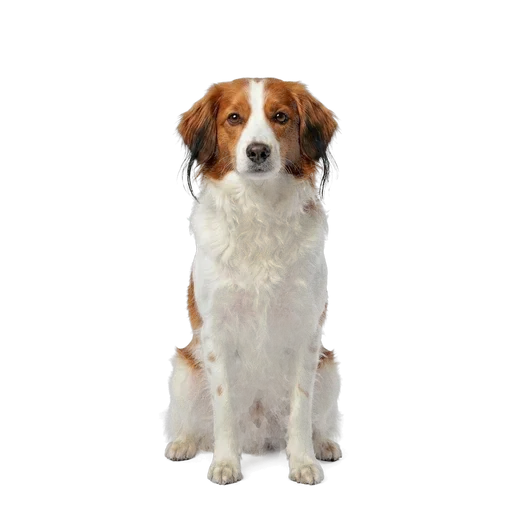
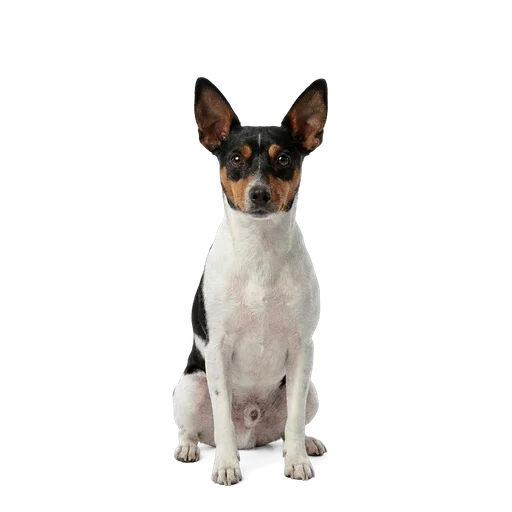
Deciding between similar breeds? Here is the Mudi next to Nederlandse Kooikerhondje and Rat Terrier.
| Mudi | Nederlandse Kooikerhondje | Rat Terrier | |
|---|---|---|---|
| Size | Small | Small | Small |
| Weight | 8-13 kg | 9-16 kg | 4-11 kg |
| Lifespan | 13-14 yrs | 12-15 yrs | 12-18 yrs |
| Activity | Active | Active | Active |
| Shedding | Medium | Medium | Medium |
| Good with kids | Yes | Yes | Yes |
| Apartment-friendly | No | Yes | Yes |
Frequently asked questions
Is the Mudi a good apartment dog?
Usually not. The breed is vocal by design, alerting to sounds, arrivals and passing dogs, and that carries through shared walls. Add high daily exercise needs and a busy, watchful nature, and a house with a garden plus an active owner is a far better match. Exceptional owners make apartments work with heavy training and exercise, but it is the hard road.
How much exercise does a Mudi need?
At least an hour of real activity daily, plus mental work, and more is happily accepted. This is a farm dog that herded, guarded and ratted all day, so a stroll on a lead does not come close. Agility, herding trials, flyball, scent work and long off-lead runs suit the breed perfectly. Mental fatigue counts too; ten minutes of training tires a Mudi more than a lap of the park.
Do Mudik bark a lot?
Yes. Barking was part of the job description on Hungarian farms, where the Mudi announced visitors and moved stubborn livestock with its voice. You can reduce nuisance barking with training, a solid quiet cue and management of triggers like window views, but a silent Mudi is not a realistic goal. Owners who cannot tolerate an alert-barking dog should pick another breed.
Is the Mudi easy to groom?
Very. The wavy-to-curly coat is essentially self-cleaning: it resists mats, drops dried mud on its own, and needs only a weekly comb-through, occasional baths and no trimming or professional grooming. Shedding is light to moderate with seasonal peaks. The main coat chore is the parasite check, since curls can hide a tick, so run your hands to the skin after walks in grass.
What health problems does the Mudi breed have?
The Mudi is a hardy breed with a typical lifespan of 13 to 14 years. The three conditions worth screening are hip dysplasia, patellar luxation and epilepsy, so buy from a breeder who tests hips and knees on both parents and is open about seizure history in the line. Day to day, lean body condition and dental care prevent most of what actually troubles the breed.
Related breeds
Health and care information is drawn from established veterinary sources and is general guidance, not veterinary advice. See our sources
Keep records for your Mudi
Vaccinations, food and treat safety, allergy alerts and parasite reminders - all tracked for your Mudi in the Pethls app.