

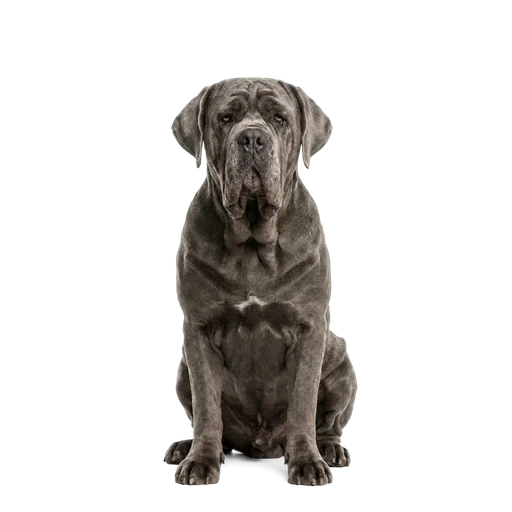
Origin: Italy
Neapolitan Mastiff
Get reminders for your Neapolitan Mastiff's vaccines
Vaccination and parasite reminders, food-safety scans and health records — free to start in the Pethls app.


Good for
The Neapolitan Mastiff is an ancient Italian guardian, and there is nothing subtle about it: an enormous, loose-skinned dog draped in heavy wrinkles and folds, built to look like it means business. Underneath the fearsome appearance is a calm, loyal dog that is quietly devoted to its own family and completely uninterested in impressing anyone else. With strangers it is aloof, watchful and serious, which is exactly what centuries of guarding bred into it. This is a demanding dog to own well; it needs early socialization, firm and fair handling, and an owner who has kept large protective breeds before. For the right experienced home it is a steady, dignified companion, but it is not a casual choice.
Temperament & personality
With family the Neo is affectionate, mellow and surprisingly sensitive for such an imposing animal. It attaches deeply to its people and would rather flop near them than roam. Most are tolerant of children in the household, though the sheer bulk means a Neo can knock a small child over without meaning any harm, so supervision is common sense rather than a warning about temperament.
The guarding instinct is the core of the breed. Neos are naturally aloof and distrustful of strangers, and they guard their home and family without needing to be taught. That makes early, ongoing socialization essential; a Neapolitan that has met many people, dogs and situations as a puppy learns to tell a normal visitor from a genuine threat. One that hasn't can become defensive and difficult to manage.
They are intelligent but independent and stubborn, and they do not live to obey. Training works through calm consistency and mutual respect, started young while the dog is still liftable. Many Neos are dog-aggressive, particularly toward the same sex, so they often do best as the only dog. This is squarely an experienced-owner breed; the combination of size, strength and a natural willingness to protect is a lot to handle without knowing what you're doing.
Vaccination schedule
Neapolitan Mastiff puppies follow the same core protocol as any dog. The DHPP vaccine, covering distemper, hepatitis (adenovirus), parvovirus and parainfluenza, starts around 6 to 8 weeks and is repeated every 2 to 4 weeks until about 16 weeks of age. Finishing the full series matters, because an early dose can be neutralized by antibodies the puppy got from its mother.
Rabies is a separate core vaccine given at roughly 12 to 16 weeks, boosted at one year, and then repeated every 1 to 3 years according to the product and local regulations. Hold onto the records; you'll need them for boarding, travel and licensing.
Leptospirosis is now recommended as a core vaccine for every dog, so plan on it for your Neo alongside the DHPP and rabies core protocol. Beyond the core, your vet may recommend Bordetella or canine influenza based on where you live and how much your dog mixes with others. Base the Bordetella and canine influenza decision on your Neo's actual exposure, contact with other dogs, boarding, rather than vaccinating for everything by default. Time in wet or wooded areas and contact with wildlife raise leptospirosis risk, which is part of why lepto is a core vaccine and why its booster is given every year.
Best food & diet
For the first 18 to 24 months, feed a large or giant-breed puppy food, and treat this as non-negotiable. Giant-breed growth formulas control calcium, phosphorus and calorie density so the puppy grows slowly, which is exactly what a Neo's joints need. Push a giant-breed puppy to grow fast on rich food and you increase the risk of the hip, elbow and bone problems the breed is already prone to.
Adults are big eaters but low-energy, so it is easy to overfeed and end up with an overweight dog. Extra weight is hard on the joints, the heart and the whole frame of an animal that commonly weighs 60 to 70kg, with large males topping that. Feed measured meals to a healthy body condition, keep the dog lean, and resist the urge to fill the bowl just because the dog is enormous.
Bloat and gastric torsion are a real and life-threatening risk in deep-chested giants like the Neo. Split the daily food into two or three smaller meals, avoid vigorous activity right before and after eating, and don't let the dog gulp huge amounts of water at once. Discuss a preventive gastropexy (stomach tacking) with your vet, frequently done during spay or neuter surgery.
Common health problems
The Neapolitan Mastiff's dramatic looks come with a real set of health issues, and buyers should go in clear-eyed. The eyes are a headline concern: the breed is prone to cherry eye (a prolapsed tear gland) and entropion (eyelids that roll inward so the lashes scratch the cornea), and because of all that loose facial skin, ectropion (eyelids that sag outward and expose the eye) is common too. These are painful, cause chronic irritation, and often need surgical correction. Squinting, redness, discharge or pawing at the face all warrant a vet visit.
Hip and elbow dysplasia are common in the breed and made worse by fast growth and excess weight. Look for stiffness, difficulty rising, or a reluctance to climb stairs, and buy from breeders who score their dogs' joints.
All those folds can create their own problem, skin fold dermatitis, where warm, damp crevices can grow bacteria and yeast. And like every giant breed, the Neo is at risk of bloat (gastric dilatation-volvulus). A swollen abdomen, unproductive retching and obvious distress mean an emergency vet immediately. Because so much can go wrong, a relationship with a vet who knows giant breeds is worth its weight.
Allergies & skin
Skin care is a daily reality with this breed, not an occasional chore. The famous folds trap moisture, drool, dirt and skin oils, and if they aren't cleaned they become inflamed and infected, the classic skin fold dermatitis. Wipe out the folds several times a week, or daily in the deep ones, with a soft damp cloth or vet-approved wipe, and then dry them completely. Trapped dampness is the enemy.
The eye area needs the same attention because the loose facial skin and drooping lids let debris and discharge collect. Keep the skin around the eyes clean and watch for any redness or rubbing, since eye and skin problems in this breed often overlap.
Neos can also develop the more ordinary allergies, itchy skin, ear infections, paw licking, from food or the environment. If you see a recurring pattern, get your vet involved rather than cycling through diets on your own; a structured diet trial or allergy workup gets you to the answer faster and spares the dog months of discomfort.
Flea, tick & worm prevention
Keep a Neapolitan Mastiff on year-round flea and tick prevention. Fleas cause itching and can set off skin allergies, which is the last thing a fold-heavy breed needs, and ticks spread serious illnesses such as Lyme disease and ehrlichiosis. Use a vet-recommended monthly chew or topical, and dose it to the dog's current weight, and on a growing giant that figure changes fast, so keep rechecking it.
Worming handles intestinal parasites: roundworms, hookworms, whipworms and tapeworms. Puppies are usually wormed every 2 weeks until 12 weeks old, then monthly until 6 months, then on the adult schedule your vet advises. A combined product that covers fleas, worms and more can make the routine easier to keep up with.
Heartworm, carried by mosquitoes, is a separate prevention and far easier to avoid than to treat. Your vet will usually want a clear heartworm test before you start or restart a preventive. Whatever products you use, stay on schedule; skipping a month leaves a genuine hole in the dog's protection.
Medications & dosing
In a dog that can top 70kg, correct dosing is entirely weight-based, so your vet needs an accurate, current weight for anything from wormers to antibiotics to pain relief. Never estimate or repurpose a smaller dog's medication; on a giant breed the margin between right and wrong is significant.
Do not give human medicines without veterinary guidance. Painkillers meant for people, such as ibuprofen and paracetamol, are toxic to dogs, and even prescription canine anti-inflammatories need veterinary oversight. If your Neo is on heart or eye medication, follow the schedule exactly and don't stop a course early because the dog seems better.
Giant breeds can respond differently to anesthesia and sedation, which matters given how often Neos need eye or fold surgery. Make sure any clinic knows it is treating a Neapolitan Mastiff before sedating or operating, and keep a written list of current medications and doses for emergencies.
Grooming & coat care
The coat is genuinely low-maintenance. The Neapolitan Mastiff wears a short, dense single coat that needs a weekly brush with a rubber curry or a bristle brush to remove loose hair and keep the skin healthy. Shedding is moderate. Bathe every month or two or when the dog gets dirty, and dry the skin well afterward, especially in and around the folds.
Where this breed asks for real work is the folds and the eyes. Cleaning the deep facial and body wrinkles is a several-times-a-week job (daily for the deepest), followed by thorough drying, to head off fold infections. The eyes need regular gentle cleaning too, and because Neos drool heavily, keep a towel to hand and wipe the jowls and lip folds so they stay clean and don't turn sour.
Finish with the routine giant-breed care that is easy to neglect: trim the nails every few weeks so a heavy dog isn't sore-footed, brush the teeth regularly, and check the ears for wax and odor. Teach all of it in puppyhood, because handling the face and feet of a cooperative Neo is manageable, and doing it with an adult that never learned to accept it is not.
How the Neapolitan Mastiff compares
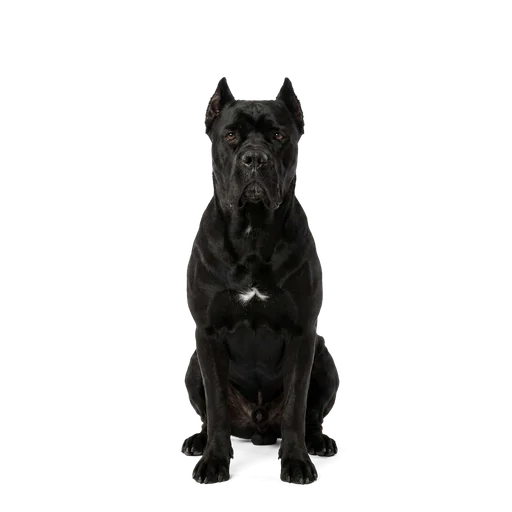
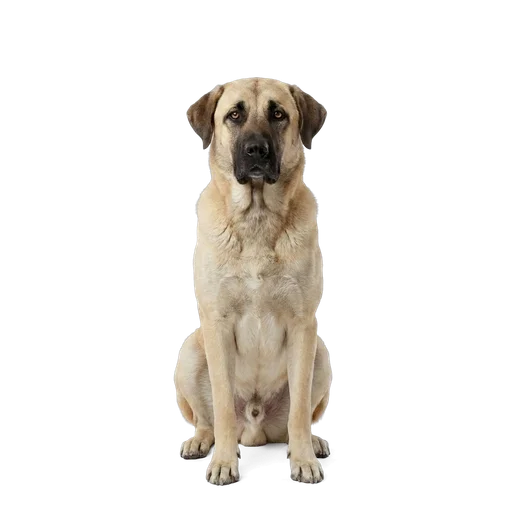
Deciding between similar breeds? Here is the Neapolitan Mastiff next to Cane Corso and Anatolian Shepherd.
| Neapolitan Mastiff | Cane Corso | Anatolian Shepherd | |
|---|---|---|---|
| Size | Large | Large | Large |
| Weight | 50-70 kg | 40-50 kg | 40-68 kg |
| Lifespan | 7-9 yrs | 9-12 yrs | 11-13 yrs |
| Activity | Calm | Moderate | Calm |
| Shedding | Medium | Medium | High |
| Good with kids | Yes | Yes | Yes |
| Apartment-friendly | No | No | No |
Frequently asked questions
Are Neapolitan Mastiffs good family dogs?
For experienced families, yes. They are calm, loyal and devoted to their own people, and generally gentle with children in the household, though their size means young kids need supervision simply to avoid being bowled over. They are aloof and protective with strangers, so they need early socialization and an owner who understands guardian breeds. This is not a dog for a first-time or casual home.
Why do Neapolitan Mastiffs have so many wrinkles and eye problems?
The loose, folded skin is a defining breed trait, historically thought to protect the dog in a fight. That same loose skin around the eyes leads to the breed's common eyelid problems, cherry eye and entropion, and it is worth catching early ectropion as well, which are painful and often need surgery. The folds elsewhere trap moisture and cause skin fold dermatitis if they aren't cleaned and dried regularly.
Do Neapolitan Mastiffs drool a lot?
Very much so. The heavy jowls and loose lips make the Neo one of the drooliest breeds around, particularly after eating, drinking or exercise, and a head shake can fling drool a surprising distance. It cannot be trained away. Keep towels handy, wipe the lip folds to keep them clean and dry, and be honest with yourself about whether you can live with it.
How much exercise does a Neapolitan Mastiff need?
Not much. This is a low-energy, laid-back breed content with a couple of short-to-moderate daily walks. Avoid strenuous exercise, keep growing puppies from overdoing it to protect their joints, and take care in the heat since the size and build make overheating a risk. Consistent, gentle activity keeps them fit without stressing their frame.
Are Neapolitan Mastiffs good for first-time owners?
No. Between the enormous size, the strong guarding instinct, the stubborn independence and a demanding health and grooming load, the Neo is a genuine handful and best left to experienced owners. A poorly socialized or under-managed Neapolitan is a serious liability on a dog that commonly reaches 60 to 70kg and can weigh more. They reward owners who know giant protective breeds and can commit to the training, cleaning and veterinary care they require.
Related breeds
Health and care information is drawn from established veterinary sources and is general guidance, not veterinary advice. See our sources
Keep records for your Neapolitan Mastiff
Vaccinations, food and treat safety, allergy alerts and parasite reminders - all tracked for your Neapolitan Mastiff in the Pethls app.