

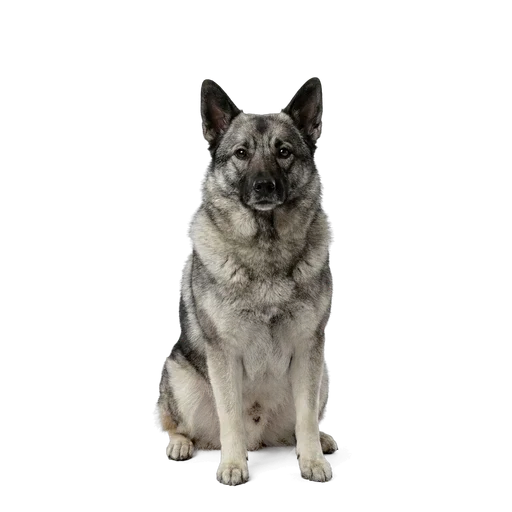
Origin: Norway
Norwegian Elkhound
Get reminders for your Norwegian Elkhound's vaccines
Vaccination and parasite reminders, food-safety scans and health records — free to start in the Pethls app.


Good for
The Norwegian Elkhound is a hardy, ancient spitz breed from Norway, originally used to track and hold big game like moose for hunters (the animal Europeans call the elk, elg in Norwegian, is the North American moose, which is where the breed's name comes from). Medium-sized and built like a compact powerhouse, this is a bold, friendly dog with a plush gray coat, a curled tail and an expression that always looks slightly amused. Elkhounds are confident and independent, loyal to their family and famously good with children, but they are also opinionated and vocal, quite happy to tell you exactly what they think. They need real daily exercise and love their food a bit too much, so weight is a lifelong watch. With one of the longer lifespans in the medium-dog world, a well-cared-for Elkhound is a sturdy companion for many years.
Temperament & personality
Norwegian Elkhounds are bold, confident and loyal, the kind of dog that greets life head-on. They bond closely with their families and tend to be genuinely good with children, patient and playful without being fragile. That friendliness usually extends to other dogs and, with early exposure, to other household pets too, which makes the breed a more sociable choice than many independent spitz breeds.
Independence is written deep into this breed. Elkhounds were bred to work at a distance from the hunter and make their own decisions, so they are smart but not slavishly obedient. They respond best to patient, motivating, reward-based training and can shut down or dig in under heavy-handed methods. A first-time owner can absolutely succeed with an Elkhound as long as they are ready for consistent, reward-based training and some patience with an independent, vocal dog.
Then there is the voice. Elkhounds are vocal by nature and bred to bark, which makes them good watchdogs but a poor fit for owners who need silence or for close-quarters living where barking causes friction. Channeling that energy and chattiness into exercise, training and a job to do keeps an Elkhound happy and keeps the neighbors on side.
Vaccination schedule
Norwegian Elkhound puppies follow the same core vaccine plan as any dog, centered on DHPP. That single shot protects against distemper, hepatitis (adenovirus), parvovirus and parainfluenza. Puppies usually start at 6 to 8 weeks of age and get boosters every 3 to 4 weeks until they are at least 16 weeks old. Finishing the whole series is what builds durable protection, especially against parvovirus, which is often fatal in unvaccinated pups.
Rabies is the other core vaccine and is required by law in most places. It is typically given once at around 12 to 16 weeks, boosted at one year, and then repeated every one to three years depending on the vaccine and local rules. Your vet will confirm the schedule and provide a certificate, which you will need if you ever board, travel or move.
For a breed that loves the outdoors and often hikes or works in rural areas, some non-core vaccines are worth discussing. Leptospirosis is now recommended as a core vaccine for every dog, so plan on it for your Elkhound regardless of lifestyle; it needs a 2-dose puppy series and then an annual booster, unlike the every-3-years DHPP core boosters. Depending on where you live and what your Elkhound gets up to, non-core protection against Bordetella (kennel cough) or canine influenza may also make sense. An outdoor, hiking, rural life raises leptospirosis exposure from wildlife and standing water, which is one reason the annual lepto booster matters; for the remaining non-core shots, match the choice to where you live and how your Elkhound actually spends its time rather than adding every optional shot by default.
Best food & diet
Norwegian Elkhounds love food and gain weight easily, so portion control matters more than almost anything else in their care. These are efficient, hardy dogs that historically thrived on modest rations, and in a modern home with a full bowl and a persuasive stare, they will happily eat their way to obesity. Measure meals, resist the begging, and be strict about treats, which add up faster than people think.
A good-quality diet appropriate for a medium-sized, active dog suits the Elkhound well, with the amount adjusted to age, weight and how much exercise the dog is actually getting. Puppies grow on a suitable puppy food, and adults do fine on a balanced maintenance diet. Because obesity worsens joint problems and strains the whole body, keeping your dog lean is the single most valuable thing you can do for its long-term health, more so than any supplement or special food.
Check your Elkhound's body condition regularly by feeling for the ribs and looking for a visible waist from above; under that thick coat, weight gain can sneak up on you. If the ribs are getting hard to find, trim the portions and add a bit more exercise before it becomes a real problem. If weight climbs despite sensible feeding, it is worth having your vet rule out hypothyroidism, which occurs in the breed and slows metabolism (more on that in the health section below).
Common health problems
Eye disease is a notable concern in Norwegian Elkhounds. Progressive retinal atrophy, or PRA, is an inherited condition where the retina gradually degenerates, leading first to night blindness and eventually to full blindness; there is no cure, but dogs cope remarkably well with a stable home. Primary glaucoma, a painful buildup of pressure inside the eye, also occurs and can destroy vision fast, so squinting, redness, cloudiness or a bulging eye needs urgent veterinary attention. Reputable breeders screen for eye disease.
Hypothyroidism, an underactive thyroid gland, shows up in the breed and causes weight gain, lethargy, and coat and skin changes. It is easy to diagnose with a blood test and simple to manage with a daily tablet, so it is worth checking if your Elkhound is inexplicably heavy or flat. Keeping a lean body weight also protects the joints, since excess weight loads them and speeds up wear that can lead to arthritis or hip dysplasia later in life.
Renal dysplasia, an inherited abnormality of kidney development, has been reported in the breed and can affect young dogs, causing signs like excessive drinking, increased urination and poor growth. Obesity underlies several of these problems, worsening joint disease and adding strain across the body, which is why keeping the Elkhound lean matters as much for health as it does for the waistline. Regular vet checks, eye screening and steady weight management cover most of what an Elkhound owner needs to stay ahead of.
Allergies & skin
Under that thick double coat, the Norwegian Elkhound generally has robust, healthy skin, but the coat itself needs attention to keep the skin beneath in good shape. When the undercoat is not brushed out, especially during heavy seasonal shedding, dead hair and dander pack down against the skin and can trap moisture, leading to irritation or hot spots. Regular brushing is as much about skin health as it is about tidiness.
Elkhounds can develop allergies like any dog, reacting to environmental triggers such as pollen, grasses and dust mites, or to food ingredients. The usual signs are itching, paw licking, red skin and recurring ear infections. Because hypothyroidism also affects the coat and skin, causing dryness, thinning and repeat infections, persistent skin problems are a reason to have thyroid function checked rather than just treating the surface.
If your Elkhound is itchy or its coat looks dull and poor despite good grooming, get a proper diagnosis from your vet instead of guessing. They can sort out whether the cause is fleas, allergy, hormones or coat neglect, and build a plan that might include a food trial, medicated shampoo, omega-3 supplements or medication. A well-brushed, healthy-weight Elkhound with a balanced diet usually has beautiful, trouble-free skin.
Flea, tick & worm prevention
Norwegian Elkhounds are outdoorsy dogs that love hikes, trails and cold-weather adventures, all of which put them in tick and flea territory, so year-round prevention is important. Fleas cause itching and can trigger allergic skin disease, while ticks spread serious illnesses like Lyme disease, ehrlichiosis and anaplasmosis. That thick double coat is also very good at hiding ticks, so a real hands-on check after outdoor trips matters more with this breed than with a short-coated dog.
Worming deals with internal parasites: roundworms, hookworms, whipworms and tapeworms, plus heartworm in regions where mosquitoes transmit it. Puppies need frequent worming early in life, then move to a regular adult schedule. Heartworm is prevented with a simple monthly medication and is far easier and safer to prevent than to treat once established.
Flea and tick preventives come as monthly chews, topical spot-ons or long-acting collars, and your vet will help you pick one based on your dog's weight and lifestyle. Dose everything by current weight, and after every walk in long grass or woods, part that dense coat and feel down to the skin around the ears, neck, armpits and between the toes, where ticks like to hide.
Medications & dosing
As with any dog, medications for a Norwegian Elkhound should be weight-based and directed by your vet. At a typical 20 to 25kg, the Elkhound is a solid medium dog, and accurate dosing depends on knowing its true weight, which is easy to misjudge under all that fur. Have your vet weigh the dog rather than guessing, and watch that the number reflects lean weight, not extra padding, since obesity can distort dosing.
Some breed issues involve ongoing medication. Hypothyroidism is treated with a daily thyroid hormone tablet, adjusted using follow-up blood tests, so regular rechecks keep the dose right. Glaucoma may need eye drops and prompt treatment to preserve vision, and any sudden eye problem should be treated as an emergency. Never give human medicines such as ibuprofen or paracetamol, which are poisonous to dogs even in small amounts.
Weight management can also affect how some medications work, since dosing is based on lean body weight rather than extra padding. Keep a written list of everything your dog takes, including supplements, share it at each vet visit, and always check with your vet before starting, stopping or changing any medication or dose.
Grooming & coat care
The Norwegian Elkhound's dense double coat is its signature and its main grooming demand. A thick, weather-resistant outer coat sits over a soft, insulating undercoat, and the whole system sheds heavily. For most of the year, brushing a couple of times a week with a slicker brush and an undercoat rake keeps loose hair under control and the coat healthy and clean.
Twice a year the Elkhound blows its coat, shedding the undercoat in dramatic quantities over a few weeks, usually in spring and autumn. During these periods you will need to brush daily and be ready for hair on every surface in your home. Deep brushing during a coat blow clears the loose undercoat and prevents mats; a de-shedding session and warm bath help move things along.
One thing to avoid: never shave a double-coated breed like this. The coat insulates against both cold and heat and protects the skin, and shaving can damage how it regrows and leave the dog vulnerable. Beyond coat care, keep the nails trimmed, brush the teeth several times a week, and check the ears regularly for wax or infection. Bathe only occasionally, since the coat stays surprisingly clean on its own between washes.
How the Norwegian Elkhound compares
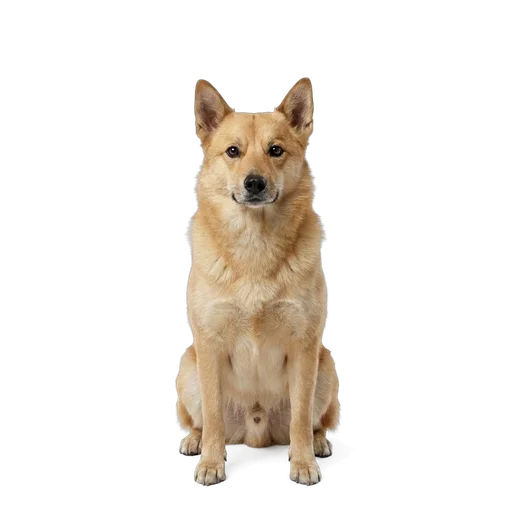
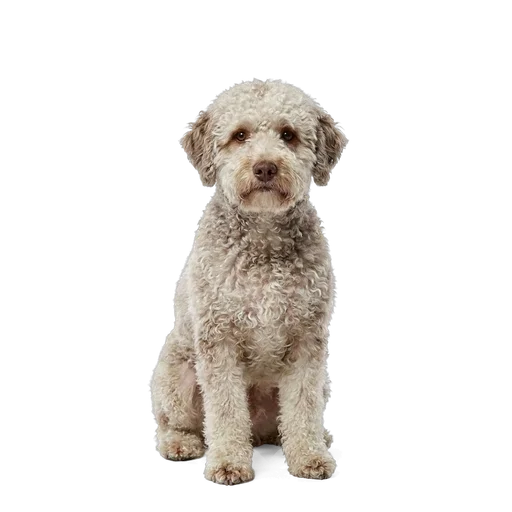
Deciding between similar breeds? Here is the Norwegian Elkhound next to Norwegian Buhund and Lagotto Romagnolo.
| Norwegian Elkhound | Norwegian Buhund | Lagotto Romagnolo | |
|---|---|---|---|
| Size | Medium | Medium | Medium |
| Weight | 20-25 kg | 14-18 kg | 11-16 kg |
| Lifespan | 12-15 yrs | 12-15 yrs | 15-17 yrs |
| Activity | Active | Active | Active |
| Shedding | High | High | Low |
| Good with kids | Yes | Yes | Yes |
| Apartment-friendly | No | No | Yes |
Frequently asked questions
Do Norwegian Elkhounds shed a lot?
Yes, a great deal. The Elkhound has a thick double coat that sheds steadily year-round and then blows its undercoat heavily twice a year, usually in spring and autumn. Expect to brush a couple of times a week normally and daily during those seasonal sheds, and expect hair around the house. Regular brushing is the only thing that keeps the shedding manageable. This is not a low-maintenance coat.
Are Norwegian Elkhounds good with children and other pets?
Generally yes. Elkhounds are known for being friendly, sturdy and patient with children, which makes them a popular family breed. With early socialization they usually get along with other dogs and household pets too, being more sociable than many independent spitz breeds. As always, supervise interactions between dogs and young kids, and introduce new pets gradually and calmly.
How much exercise does a Norwegian Elkhound need?
A fair amount. These are hardy working dogs that need regular daily exercise, roughly an hour or more of walking, hiking or active play, plus mental stimulation. They love cold weather and outdoor adventures. Without enough activity, an Elkhound can become bored, vocal and prone to weight gain, so a committed walking routine is important. This is why the breed does better with an active household than an apartment-bound, sedentary one.
Why do Norwegian Elkhounds gain weight so easily?
The breed developed as an efficient, hardy dog that thrived on modest food, and that thrifty metabolism means modern Elkhounds gain weight readily when overfed. They also love food and are skilled beggars. Measure meals, limit treats, and check body condition regularly by feeling for the ribs under that thick coat. If weight climbs despite careful feeding, hypothyroidism is worth ruling out, as it occurs in the breed.
How long do Norwegian Elkhounds live?
Norwegian Elkhounds are a long-lived breed, typically reaching 12 to 15 years, which is excellent for a medium-sized dog. Keeping your Elkhound at a healthy weight, staying on top of eye and thyroid health, and providing regular exercise and vet checks all help the breed live out its naturally long, sturdy lifespan in good shape.
Related breeds
Health and care information is drawn from established veterinary sources and is general guidance, not veterinary advice. See our sources
Keep records for your Norwegian Elkhound
Vaccinations, food and treat safety, allergy alerts and parasite reminders - all tracked for your Norwegian Elkhound in the Pethls app.