

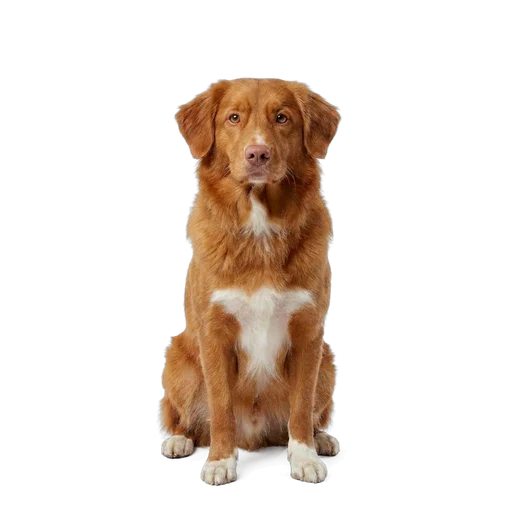
Origin: Canada
Nova Scotia Duck Tolling Retriever
Get reminders for your Nova Scotia Duck Tolling Retriever's vaccines
Vaccination and parasite reminders, food-safety scans and health records — free to start in the Pethls app.


Good for
The Nova Scotia Duck Tolling Retriever is the smallest of the retrievers, a compact red dog bred on Canada's Atlantic coast to lure ducks within gun range by playing along the shoreline. Owners quickly meet the famous "toller scream," a high-pitched wail of excitement that comes out when the dog is thrilled and has nowhere to put the energy. This is a clever, intense working breed that needs a job, real exercise, and mental puzzles to stay balanced. Give a toller structure and activity and you get a devoted, biddable partner. Leave one under-exercised and bored, and you get noise, chewing, and a dog that invents its own entertainment.
Temperament & personality
Tollers are sharp, sensitive, and driven. They read their people closely and pick up new tasks fast, which makes training rewarding, but that same intelligence means a bored toller finds trouble. Most are affectionate with their family and reserved, sometimes downright shy, with strangers. Early, positive socialization matters here more than with many breeds because the reserved streak can tip into wariness without it.
The energy is the headline. This is a dog that wants to retrieve, swim, run, and problem-solve for hours. Fetch games, dock diving, agility, and scent work all suit the breed. A tired toller is a calm toller at home; an unexercised one paces, vocalizes, and gets mouthy.
The scream deserves a mention because new owners are often caught off guard. It is not distress, it is arousal, and it turns up before a walk, during play, or when prey appears. You can manage it by teaching calm behaviors and not rewarding the excitement, but you will not train it away entirely. It is part of the package.
They generally do well with children who respect them and with other dogs when raised together, though the intensity can overwhelm a very timid pet. This is not a first-dog breed for most people. It fits an active household ready to commit real time.
Vaccination schedule
Toller puppies follow the standard core vaccine plan. The DHPP combination shot, which covers distemper, hepatitis (adenovirus), parvovirus, and parainfluenza, starts around 6 to 8 weeks of age and repeats every 3 to 4 weeks until the puppy is at least 16 weeks old. Parvovirus in particular is a serious risk for young dogs, so finishing the full series before heavy outdoor exposure is important.
Rabies is given once at around 12 to 16 weeks, depending on local law, then boostered at one year and every one to three years after that based on the vaccine and your region's rules.
Leptospirosis is now a core vaccine recommended for every dog, so plan on it for your toller as well; it is spread through standing water and wildlife urine, and it needs a 2-dose puppy series followed by an annual booster (unlike the every-3-years DHPP core boosters). Talk to your vet about the non-core vaccines like Bordetella and Lyme disease too. For a water-loving dog in a rural or wooded area the exposure risk is especially high, which is why the annual leptospirosis booster matters.
One general caution: if your dog has any history of autoimmune or immune-mediated problems, it is worth discussing vaccine timing and titer testing with your vet so you can make an informed, individual plan rather than a one-size schedule.
Best food & diet
Feed a complete, balanced food appropriate to your toller's life stage. Puppies do well on a formula built for medium-breed growth, fed across three to four small meals a day, then dropping to two meals as they mature. An adult working toller may need more calories than the bag suggests, while a couch-companion toller needs less, so adjust to the dog in front of you.
This breed stays lean and athletic when kept in good condition. You should be able to feel the ribs easily under a light layer and see a waist from above. Extra weight strains the hips and joints, which matters in a breed prone to hip dysplasia, so weigh treats against the daily ration.
Because tollers swim, run, and retrieve hard, split feeding around exercise. Avoid a large meal right before or right after intense activity, since deep-chested, active dogs carry some bloat risk. Keep fresh water available at all times, especially after water work.
There is no toller-specific diet, but the breed's Addison's disease risk means any dog with unexplained appetite loss, vomiting, or lethargy should be seen promptly rather than written off as a picky eater. Sudden diet changes should be gradual over a week to avoid stomach upset.
Common health problems
Addison's disease (hypoadrenocorticism) is notably common in this breed. The adrenal glands fail to make enough of certain hormones, and signs can be vague: intermittent vomiting, weakness, poor appetite, lethargy that comes and goes. It can escalate to a life-threatening crisis. The good news is that once diagnosed, Addison's is managed well with medication and dogs live full lives, so early recognition is everything.
Eye disease runs in the breed. Progressive retinal atrophy causes gradual vision loss leading to blindness, and Collie eye anomaly is a developmental defect of the retina and related structures. Both have DNA tests available, so responsible breeders screen for them. Ask to see parents' eye clearances and genetic results.
Degenerative encephalopathy is a breed-specific neurological condition that shows up in young dogs, with cerebellar ataxia, a loss of balance and coordination, as the hallmark sign. It is uncommon but serious, and a genetic test exists to identify carriers, which is why thoughtful breeding matters so much in this breed.
Hip dysplasia rounds out the list. Hip dysplasia is a malformed hip joint that leads to arthritis; keeping the dog lean and fit helps. Immune-mediated disease also turns up in the breed, including immune-mediated hemolytic anemia (IMHA), a blood disorder, and immune-mediated polyarthritis (IMPA), which inflames the joints. Both are documented in tollers, so flag any history of them when you and your vet plan vaccine timing.
Allergies & skin
Tollers are not among the most allergy-prone breeds, but they are not immune. Environmental allergies (atopy), commonly to pollen, grass, and dust mites, show up as itchy skin, licked paws, red ears, and recurrent ear infections rather than sneezing. A frequently swimming dog is prone to moist ear problems, so dry the ears after water and watch for head-shaking or odor.
Food allergies are less common but possible, usually tied to a protein the dog has eaten for a long time. Signs overlap with environmental allergy: itching, ear trouble, sometimes digestive upset. A vet-guided elimination diet is the reliable way to sort it out; over-the-counter "hypoallergenic" bags often are not truly novel-protein.
Autoimmune skin disease can cause unusual crusting, patchy hair loss, or sores that will not heal. Get these looked at rather than treating them at home. Keep the water-repellent coat clean and dry at the skin, and do not over-bathe, which strips protective oils and worsens itch.
Flea, tick & worm prevention
A dog that spends this much time in fields, water, and woods will meet fleas and ticks, so year-round parasite prevention is the sensible default in most climates. Fleas cause itching and can trigger allergic reactions; ticks carry Lyme disease, anaplasmosis, and other infections that matter for an active outdoor breed.
Choose a vet-recommended product matched to your dog's weight and lifestyle. Options include monthly chewables, topicals, and longer-acting collars. For a swimming dog, an oral preventive avoids the worry of a topical washing off, though many topicals are water-resistant after they settle. Ask your vet which fits a toller that is in the lake several times a week.
Worming covers the internal parasites. Puppies are dewormed on a schedule starting at a couple of weeks old, then adults need routine intestinal worm control plus monthly heartworm prevention where mosquitoes carry it. Heartworm is far easier to prevent than to treat. Many products combine flea, tick, and worm coverage, so you can simplify to fewer doses with your vet's guidance.
Medications & dosing
All medication doses for a toller should be weight-based and set by your veterinarian. A healthy adult sits roughly in the 17 to 23 kilogram range, but the right dose depends on the individual dog, so never split or estimate from another pet's prescription.
Dogs with Addison's disease need lifelong, precisely dosed medication and monitoring; keep every vet informed of the diagnosis before any new prescription, sedation, or surgery.
Dogs with Addison's disease need lifelong, precisely dosed medication and periodic monitoring; small changes matter, and stress can require dose adjustment, so keep in close contact with your vet. Never give human pain relievers such as ibuprofen or paracetamol, which are toxic to dogs. When in doubt about any drug, call your clinic before giving it.
Grooming & coat care
The toller wears a medium-length, water-repellent double coat with a softer undercoat beneath a straight outer layer, plus feathering on the legs, chest, and tail. It is a practical working coat that mostly cares for itself. Brush once or twice a week normally, and daily during the twice-yearly seasonal sheds when the undercoat blows out in earnest.
Shedding is moderate. You will find red hair on furniture, more so in spring and fall, but this is not a heavy year-round shedder. Regular brushing keeps loose hair and the dead undercoat under control and lets the coat do its water-shedding job.
Bathe only when the dog is genuinely dirty, since over-washing strips the oils that make the coat repel water. Dry the ears after every swim, trim nails every few weeks, and brush teeth regularly. Check the feathering behind the ears and on the legs for mats and burrs after outdoor romps, and trim any long feathering around the eyes or between the toes if it starts to interfere with the dog's sight or footing.
How the Nova Scotia Duck Tolling Retriever compares
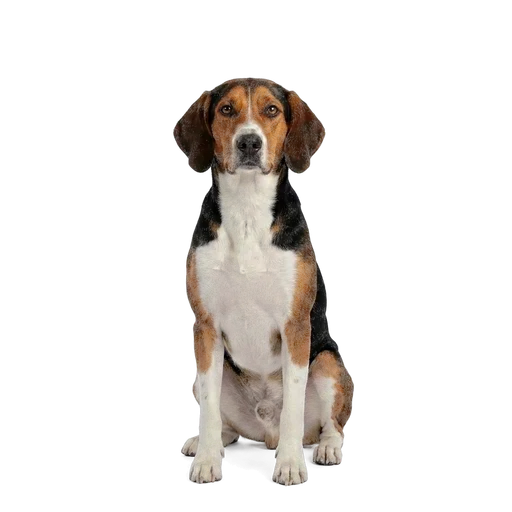
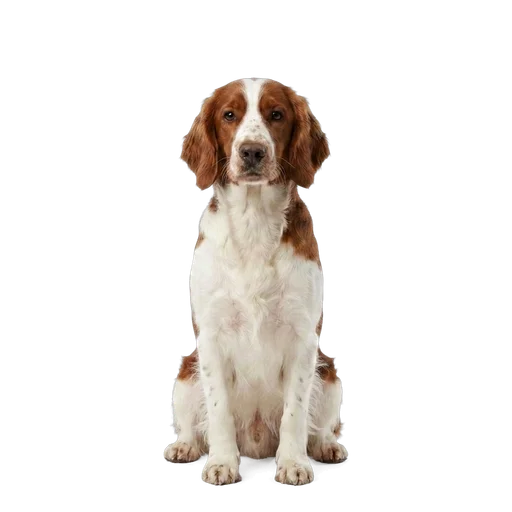
Deciding between similar breeds? Here is the Nova Scotia Duck Tolling Retriever next to Harrier and Welsh Springer Spaniel.
| Nova Scotia Duck Tolling Retriever | Harrier | Welsh Springer Spaniel | |
|---|---|---|---|
| Size | Medium | Medium | Medium |
| Weight | 16-23 kg | 20-27 kg | 16-25 kg |
| Lifespan | 12-14 yrs | 12-15 yrs | 12-15 yrs |
| Activity | Active | Active | Active |
| Shedding | Medium | Medium | Medium |
| Good with kids | Yes | Yes | Yes |
| Apartment-friendly | No | No | No |
Frequently asked questions
What is the "toller scream"?
It is a loud, high-pitched vocalization the breed makes when excited, such as before a walk, during play, or when it spots prey. It signals arousal, not pain or distress. You can reduce it by rewarding calm behavior and not feeding the excitement, but it is a built-in breed trait you will not fully eliminate.
Are Nova Scotia Duck Tolling Retrievers good for first-time owners?
Usually not the best match. They are highly intelligent, energetic, and sensitive, and they need real exercise and mental work daily. An experienced, active owner or family who enjoys training and dog sports will do far better than someone looking for a low-maintenance pet.
How much exercise does a toller need?
A lot. Plan on at least one to two hours a day of vigorous activity, plus mental stimulation like training, fetch, swimming, or scent games. This breed was built to work, and without an outlet it becomes noisy and destructive.
Do tollers get along with children and other pets?
Generally yes when raised with them and properly socialized. They tend to be affectionate and playful with their family and get on with other dogs. Their intensity can overwhelm a very timid pet, and as with any dog, interactions with young children should be supervised.
Why is Addison's disease a concern in this breed?
Tollers have a higher-than-average rate of Addison's disease, a hormonal disorder of the adrenal glands. Its early signs are vague, such as on-and-off vomiting, weakness, and poor appetite, so it is easy to miss. Once diagnosed it is well managed with medication, which is why prompt vet attention for unexplained symptoms matters.
Related breeds
Health and care information is drawn from established veterinary sources and is general guidance, not veterinary advice. See our sources
Keep records for your Nova Scotia Duck Tolling Retriever
Vaccinations, food and treat safety, allergy alerts and parasite reminders - all tracked for your Nova Scotia Duck Tolling Retriever in the Pethls app.