

Origin: Hungary
Pumi
Get reminders for your Pumi's vaccines
Vaccination and parasite reminders, food-safety scans and health records — free to start in the Pethls app.


Good for
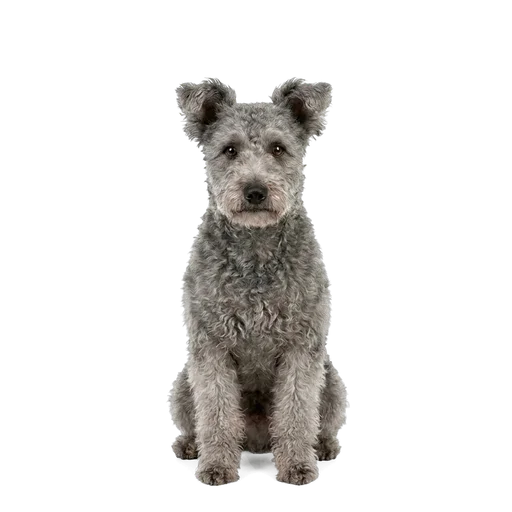
The Pumi is Hungary's curly-coated herding terrier-type, instantly recognisable by whimsical half-pricked ears that give the whole breed a permanently interested expression. At 8 to 15 kilograms it is a light, quick, whistle-smart dog bred to move stubborn livestock with speed and voice rather than size. Pumik are lively, busy, talkative and endlessly clever, which makes them outstanding partners for agility, flyball and herding trials, and a handful in a sedentary home. The curly gray coat sheds very little, and the Pumi is one of the breeds commonly listed as hypoallergenic. Expect 12 to 13 good, loud, active years.
Temperament & personality
Everything about a Pumi says ready. The half-pricked ears swivel constantly, the head tilts at every new sound, and it reacts to a new sound almost before you register it yourself. Hungarian shepherds used the Pumi to drive cattle and pigs through narrow village lanes, work that needed a dog quick enough to dodge a kick and bold enough to bark in a bull's face. That heritage produced a medium dog with plenty of opinion and the voice to share it. Pumik bark to herd, to alert and to argue their case, so a quiet cue taught early is essential equipment.
The intelligence is the whistle-smart, problem-solving kind. Pumik learn new behaviors in a handful of repetitions, read your body language better than most humans do, and get bored with drilling almost immediately. This makes them spectacular sport dogs: they routinely punch above their weight in agility, and they thrive on trick training, scent work, treibball and anything else that pairs brain with body.
With their family Pumik are affectionate and playful without being clingy, and they generally do well with respectful children who like to play as much as the dog does. Herding instinct can mean ankle-checking running kids, so channel it. They usually live fine with other dogs and can share a home with cats they grew up with, though fast-moving small animals trigger the chase circuit. Reserved with strangers rather than hostile, they warm up once introduced. Suburban homes with active owners suit them best; apartment life is possible only if you can genuinely solve both the exercise and the barking, and most people cannot.
Vaccination schedule
Pumi puppies follow the standard core protocol. The DHPP combination vaccine, protecting against distemper, adenovirus (hepatitis), parainfluenza and parvovirus, is given in a series at 6 to 8 weeks, 10 to 12 weeks, and 14 to 16 weeks. The final dose is critical, since maternal antibodies can neutralize earlier ones. Rabies is given between 12 and 16 weeks according to local regulation.
Boosters for both come at about one year of age. From there, most adult Pumik go onto three-year DHPP boosters, with rabies on whatever cycle your jurisdiction requires.
Because the typical Pumi lifestyle involves training halls, trial grounds, farms and dog-heavy venues, non-core vaccines deserve genuine consideration rather than a reflexive no. Bordetella and canine influenza matter for sport and boarding dogs; leptospirosis matters for dogs working around livestock, ponds and wildlife; Lyme vaccination is worth discussing in tick-endemic regions. Match the vaccine list to the life your Pumi actually leads, and keep a written record of every shot so trial-entry and boarding paperwork is always ready to hand.
Best food & diet
Feed the athlete you have. A Pumi of 8 to 15 kilograms doing daily training and weekend trials burns real energy, and an adult in sport condition may need 600 to 1,000 calories a day or more, while a quieter pet Pumi needs noticeably less. The breed's build should stay light and dry; extra weight blunts the agility this dog was made for and loads hips and stifles that carry known orthopaedic risks. You should see a visible waist and feel ribs easily under the curls.
Puppies eat a growth formula until roughly 12 months, kept lean throughout. Slow, steady growth is cheap insurance, and the hip dysplasia this breed can carry is worth flagging to your vet. Skip the calcium supplements on a balanced commercial diet; excess calcium in growing dogs does harm, not good.
For working and sport dogs, time meals around exercise: just a small pre-training snack at most, and save the main meal for well after exercise, once the dog has rested. Split daily food into two meals for adults. Fish oil at a weight-appropriate, vet-advised dose is a sensible joint-support addition for a jumping breed, particularly from middle age. And because those clever eyes are persuasive, count training treats against the daily ration, since a heavily trained Pumi can eat a quarter of its calories out of your treat pouch without anyone noticing.
Common health problems
The Pumi is a generally healthy breed with a decent gene pool for its size, but a few conditions are worth knowing. Hip dysplasia occurs, and although a Pumi's 8-to-15-kilogram frame tolerates imperfect hips better than a heavy breed does, a sport career does not. Ask breeders for OFA or FCI hip scores on both parents, and take any hitch in stride, jump refusal or stiffness after exercise to the vet rather than training through it.
Primary lens luxation (PLL) is the eye condition to know. The fibers holding the lens in place degenerate, and the lens can slip out of position, which is painful and can cause glaucoma and rapid vision loss; a fully luxated lens is a surgical emergency. A DNA test identifies affected and carrier dogs, so breeders have no excuse for producing at-risk puppies. Know your dog's status, and treat a suddenly red, cloudy or painful eye as a same-day vet visit.
Degenerative myelopathy (DM), the progressive spinal cord disease of older dogs, is also DNA-testable via the SOD1 mutation. It begins with subtle hind-end weakness and scuffed rear toenails, usually after age eight, and advances slowly. No treatment exists, but structured physiotherapy preserves mobility for longer, and knowing genetic status prevents chasing wrong diagnoses.
Patellar luxation is also worth being aware of: the kneecap slips out of its groove, producing the classic skip-hop stride where the dog carries a hind leg for a few steps and then trots on as if nothing happened. Mild cases need monitoring and muscle-building; severe cases need surgery. Note down any skipping episodes with dates, because frequency over time is exactly what a vet needs to grade it.
Allergies & skin
The Pumi is commonly listed as a hypoallergenic breed, and by the practical standards people mean, it earns the label about as well as any dog can. The curly coat sheds minimally, and loose hair and dander stay caught in the curls until removed by combing, so the allergen load spread through a home tends to be low. Honesty still applies: every dog produces the saliva and dander proteins that trigger allergies, and reactions are individual. If dog allergy is a serious issue in your household, arrange extended time with adult Pumik before committing.
The Pumi's own skin is usually undemanding. The combination coat of wavy and curly hair, roughly half soft undercoat and half coarser topcoat, breathes better than a corded or heavy double coat and dries relatively fast. That means fewer of the moisture-trap infections that plague the corded Hungarian cousins. Keep the coat combed so it does not felt at the skin, and problems are rare.
When allergies do appear in a Pumi, they look like canine atopy anywhere: paw licking, face rubbing against furniture, recurring ear trouble, itchy armpits and belly. The half-pricked ears are reasonably well ventilated, but check them weekly anyway, since ear infections are often the first visible sign of an underlying allergy. Persistent itching across more than one season is worth a proper workup, starting with parasite control review and, if needed, an elimination diet under veterinary guidance.
Flea, tick & worm prevention
A Pumi's lifestyle is a parasite's opportunity. Tall grass at herding trials, woodland walks, farmyards and shared agility venues all raise exposure to fleas and ticks, so year-round prevention on a strict schedule is the right call for this breed. Choose an oral or spot-on product with your vet and dose it to current weight; at 8 to 15 kilograms, Pumik straddle common product weight bands, so re-weigh a growing or hard-training dog before repeating a dose.
The curly coat is not the flea fortress a corded coat is, but it still hides plenty. Curls make casual visual checks unreliable, so use a flea comb at the rump and tail base weekly, and after field days run your hands against the skin around the ears, neck folds, armpits and between toes to feel for ticks. Remove any tick promptly with a twisting tick tool, and note the date; if lethargy or lameness appears in the following weeks, that date matters to your vet.
Worming runs on the standard canine schedule: puppies dewormed every two weeks from 2 to 8 weeks, then monthly until six months; adults either on monthly broad-spectrum prevention or dewormed according to faecal tests two to four times a year. Livestock contact raises tapeworm risk and deserves a targeted protocol, and heartworm prevention is mandatory in endemic regions. Set the entire rotation up as recurring reminders on your phone once, and it stops being a memory test.
Medications & dosing
Dose by weight, always, and let the vet direct. The Pumi's 8 to 15 kilogram range spans nearly a factor of two, so breed-based dosing guesses are meaningless here; the small bitch and the big male in the same litter may need different product sizes for the same preventive. Keep a current weight on file, and re-weigh before starting any new medication or refilling a weight-banded one.
Human painkillers are dangerous to dogs, full stop. Ibuprofen and naproxen cause gastric ulcers and kidney injury at tiny doses, and paracetamol harms the liver. A sport Pumi that comes up sore after a trial needs rest and a vet call, not something from your bathroom cabinet. Canine NSAIDs like carprofen or meloxicam are effective and safe when prescribed at weight-calculated doses and monitored with occasional bloodwork.
Two Pumi-specific points worth writing down. If your dog carries the DM mutation, say so whenever hind-end signs come up, because it changes the diagnostic conversation. And if your Pumi has any eye redness or pain history, remind the vet of the breed's primary lens luxation risk before eye medications are chosen, since some glaucoma treatments differ when a lens is unstable. Keeping a written medication record of doses, weights, dates and reactions in one place means a complete history makes every consult faster and safer.
Grooming & coat care
Good news for a Hungarian herder: the Pumi coat is the manageable one. The curly-wavy combination coat sheds very little and does not cord, and maintenance for most dogs is a thorough comb-through every couple of weeks to prevent felting at the skin, plus a trim every two to three months to keep the characteristic neat, curly outline. Between top-ups, the coat mostly takes care of itself. Compared with a Puli or a PON, this is light duty, though it is not a wash-and-forget coat either.
The one technique that matters is the wet-set. After combing and trimming, dampen the coat with water and let it air dry so the curls spring back. Never blow-dry a Pumi straight: forced hot air pulls the curl out and leaves a fluffy, open coat that is wrong for the breed and mats faster. Bathe only when actually dirty, every couple of months for most dogs, with the same rule after the bath: comb, then air dry, and the curl resets itself.
The rest is routine. Trim around the feet and sanitary area, pluck or trim stray hair at the ear openings if your vet recommends it, and check the half-pricked ears weekly. Nails every three to four weeks, and note that hard-surface sport dogs sometimes wear nails unevenly, which is worth watching. Start handling, combing and dryer-free bathing routines in puppyhood; a Pumi that learned at twelve weeks that grooming is boring and pays in treats will be an easy customer for thirteen years.
How the Pumi compares
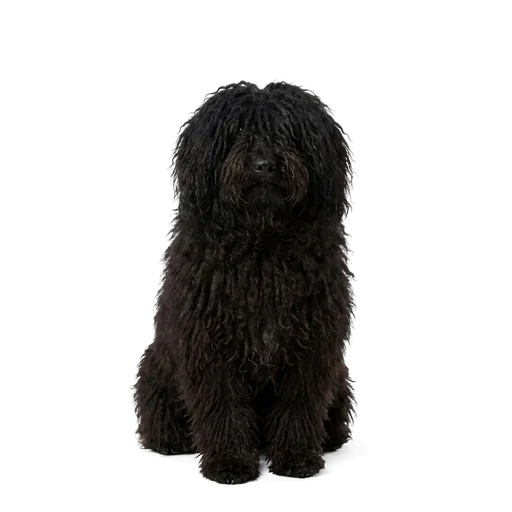
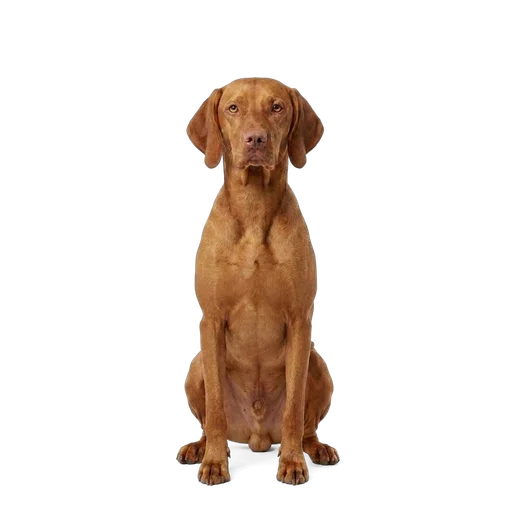
Deciding between similar breeds? Here is the Pumi next to Puli and Vizsla.
| Pumi | Puli | Vizsla | |
|---|---|---|---|
| Size | Medium | Medium | Medium |
| Weight | 8-15 kg | 11-16 kg | 20-29 kg |
| Lifespan | 12-13 yrs | 10-15 yrs | 12-14 yrs |
| Activity | Active | Active | Active |
| Shedding | Low | Low | Low |
| Good with kids | Yes | Yes | Yes |
| Apartment-friendly | No | Yes | No |
Frequently asked questions
Is the Pumi hypoallergenic?
As close as dogs get. The curly coat sheds minimally and holds dander in the curls until combed out, so the Pumi is commonly and reasonably listed as hypoallergenic. As with any breed, reactions differ from person to person, so a serious allergy sufferer should meet adult Pumik before deciding.
How much exercise does a Pumi need?
More than the size suggests. Plan on at least an hour of real activity daily plus mental work: training, fetch with rules, scent games or a dog sport. A Pumi that only gets a leash walk around the block will invent its own entertainment, and it will be loud.
Do Pumik bark a lot?
Yes, by design. The breed herded cattle with voice and quick movement, and modern Pumik comment on visitors, wildlife and interesting noises. You can train a reliable quiet cue and manage triggers, but you cannot train the voice out entirely. Noise-sensitive households should think hard.
How do you groom a Pumi coat?
Comb through to the skin every week or two, trim the outline every two to three months, then wet the coat and let it air dry so the curls reset. Never blow-dry straight; hot forced air ruins the curl. It is a medium-maintenance coat, far less work than the corded Hungarian breeds.
What health tests should Pumi breeders show?
DNA tests for primary lens luxation and degenerative myelopathy on both parents, hip scoring through OFA or FCI, and you can also ask about patella evaluation. All of these are inexpensive and standard among serious Pumi breeders, so treat missing paperwork as a warning sign.
Related breeds

Health and care information is drawn from established veterinary sources and is general guidance, not veterinary advice. See our sources
Keep records for your Pumi
Vaccinations, food and treat safety, allergy alerts and parasite reminders - all tracked for your Pumi in the Pethls app.