


Origin: Hungary
Vizsla
Get reminders for your Vizsla's vaccines
Vaccination and parasite reminders, food-safety scans and health records — free to start in the Pethls app.


Good for
The Vizsla is a rust-gold Hungarian pointer built for long days in the field and quiet evenings pressed against your leg. People call it the velcro Vizsla for good reason: this is a dog that follows you room to room and wants a hand on it at all times. It pairs serious athletic drive with a soft, sensitive personality, which makes it wonderful for the right home and miserable in the wrong one. Give it hard daily exercise and a job to think about, and you get a calm, devoted housemate. Leave it alone and under-worked, and you get anxiety, chewed furniture and a very sad dog.
Temperament & personality
Vizslas are affectionate to a degree that surprises first-time owners. They lean, they cuddle, they burrow under blankets, and they genuinely struggle to be away from their person. That closeness is what makes the breed so rewarding, and it is also the source of most of the trouble owners run into. A Vizsla that gets enough exercise and company is gentle, biddable and easy to live with. One that is left alone all day tends toward separation anxiety, pacing and destruction.
This is a smart, sensitive dog that learns fast and shuts down under heavy-handed correction. Reward-based training works; harsh methods backfire and make a nervous dog more nervous. Start socialization early and keep it going, because a well-adjusted Vizsla is confident while a poorly socialized one can be jumpy and clingy.
With older children who understand how to play, Vizslas are patient and playful. They generally get on well with other dogs, especially if raised together. They are not guard dogs in any real sense: they may bark at a knock, then try to climb into the visitor's lap.
Vaccination schedule
Vizsla puppies follow the standard core vaccine plan. The DHPP combination covers distemper, hepatitis (adenovirus), parvovirus and parainfluenza. Puppies usually start the series at 6 to 8 weeks, with boosters every 3 to 4 weeks until they are at least 16 weeks old. Parvovirus hits hard in young dogs, so finishing the full course matters more than rushing outdoor freedom.
Rabies is given as a single shot at 12 to 16 weeks depending on local law, then boosted at one year and every 1 to 3 years after that based on the vaccine and your region's rules. Keep the certificate somewhere safe, as many boarding kennels, groomers and travel schemes require proof.
Leptospirosis is now recommended as a core vaccine for all dogs, so every Vizsla should be protected regardless of lifestyle. It needs a 2-dose puppy series followed by an annual booster, unlike the DHPP core boosters that run every 3 years, and the annual timing matters all the more for a breed that hunts, hikes and swims in standing water where the risk of exposure is higher. Non-core vaccines are worth discussing given how much time a Vizsla spends outdoors. Bordetella (kennel cough), Lyme and canine influenza make sense for dogs that hunt, hike, swim in standing water or mix in group settings. Your vet will confirm the core vaccines your dog needs and match the remaining non-core options to your dog's actual lifestyle rather than vaccinating for everything by default.
Best food & diet
A working-type Vizsla burns a lot of energy, so it needs a quality diet with real animal protein and enough fat to fuel that engine. Look for a named meat source at the top of the ingredient list and a formula matched to life stage, using a large or medium breed puppy food while the dog is growing and switching to adult food around 12 months.
Because beef, chicken and wheat are common triggers for this breed, watch how your dog responds to each. If you see itchy skin, recurring ear infections or loose stools, an elimination diet using a novel protein like fish, lamb or venison can help pinpoint the culprit. Do not switch foods every week chasing a fix; give any new diet 8 to 12 weeks before judging it.
Vizslas are lean by design and you should be able to feel their ribs under a thin layer of muscle. Keep them slim, because extra weight adds load to the hips and joints. Feed measured meals rather than free-feeding, and split the daily ration into two servings to keep energy steady.
Common health problems
Vizslas are generally healthy for a medium sporting breed, but a few conditions run in the line. Hip dysplasia is a recognized concern in the breed, which is why responsible breeders hip-score their stock; ask to see the scores for both parents before buying a puppy. Signs include a bunny-hop gait, stiffness after rest and reluctance to jump.
Epilepsy occurs in the breed and typically first appears between 1 and 5 years of age. A single seizure is frightening but not always a crisis; recurring seizures need veterinary work-up and, often, lifelong medication. Hypothyroidism produces weight gain, low energy and coat changes; once diagnosed, it is easily managed with a daily thyroid tablet.
The breed carries a real load of allergic and atopic skin disease, covered in its own section below. Eye conditions such as entropion (an inward-rolling eyelid) and cataracts also turn up, so a yearly eye check is sensible. Certain cancers, particularly hemangiosarcoma and lymphoma, show up in older dogs, so do not ignore new lumps, sudden lethargy or pale gums.
Allergies & skin
Atopic dermatitis is common in the breed and a frequent reason these dogs end up at the vet. Environmental allergens like grass pollen and dust mites drive itching, and the classic pattern is a dog that licks its paws, rubs its face and develops repeat ear infections, often flaring seasonally. The thin coat gives you an early view of any redness or hot spots.
Food allergy is the other half of the picture, with beef, chicken and wheat the usual suspects. Food and environmental allergies can overlap, which makes them frustrating to untangle. A methodical approach works best: a strict elimination diet to rule food in or out, plus your vet's help identifying environmental triggers.
Management is about control rather than cure. Regular bathing with a gentle medicated shampoo, omega-3 fatty acid supplements, prompt ear cleaning and modern anti-itch medication such as Apoquel or Cytopoint keep most dogs comfortable. Wiping paws down after walks through pollen-heavy grass cuts the allergen load and is a cheap, easy habit.
Flea, tick & worm prevention
A Vizsla spends its life in exactly the places parasites live: long grass, woodland edges, riverbanks. That makes year-round flea and tick prevention non-negotiable rather than a summer afterthought. Monthly spot-ons or chewable tablets both work well; ask your vet which product covers the ticks common in your area, since tick-borne diseases like Lyme and babesiosis are serious.
Check your dog over by hand after every walk in tick country, paying attention to the ears, armpits, groin and between the toes. Remove any tick promptly with a proper tick tool, twisting it free rather than squeezing the body. The faster it comes off, the lower the disease risk.
Worming covers roundworm, tapeworm, hookworm and whipworm, with most adult dogs treated every 3 months. Puppies need worming far more often, typically every 2 weeks until 12 weeks old, then monthly to 6 months. Heartworm is spread by mosquitoes and is a real danger in endemic regions; where it occurs, a monthly preventive is essential and your vet will test before starting it.
Medications & dosing
Nearly every canine medication is dosed by body weight, so an accurate, current weight matters. A 20 kg Vizsla and a 29 kg Vizsla can need meaningfully different amounts of the same drug, and guessing risks under-dosing or toxicity. Weigh your dog at vet visits and keep a note.
Never give human painkillers. Ibuprofen and paracetamol (acetaminophen) are toxic to dogs and can cause kidney failure, stomach ulcers or death. For pain and inflammation, vets prescribe dog-specific NSAIDs such as carprofen or meloxicam, dosed to weight and given with food.
If a dog develops epilepsy or a thyroid issue, medication is precise and ongoing. Anti-seizure drugs like phenobarbital or levetiracetam must be given at consistent times and never stopped abruptly, as sudden withdrawal can trigger severe seizures. Thyroid replacement is a lifelong daily tablet adjusted by blood tests. Follow the label, finish antibiotic courses fully, and check with your vet before combining any two medications.
Grooming & coat care
Grooming a Vizsla is about as low-effort as dog ownership gets. The short, dense single coat has no undercoat and sheds lightly to moderately year-round rather than in big seasonal blowouts. A weekly once-over with a rubber curry brush or grooming mitt lifts loose hair and spreads the skin oils that give the coat its glow.
Bathe only when the dog is genuinely dirty or when a medicated wash is needed for skin flare-ups, since over-bathing strips oils and can worsen the atopic tendency this breed carries. The thin coat and low body fat mean Vizslas feel the cold, so a coat for winter walks is practical rather than a luxury.
Stay on top of the small routines. Ears are a weak point given the allergy risk, so check and clean them weekly and dry them after swimming. Trim nails every few weeks, brush the teeth several times a week, and use grooming time to run your hands over the whole body checking for lumps, ticks and sore spots.
How the Vizsla compares
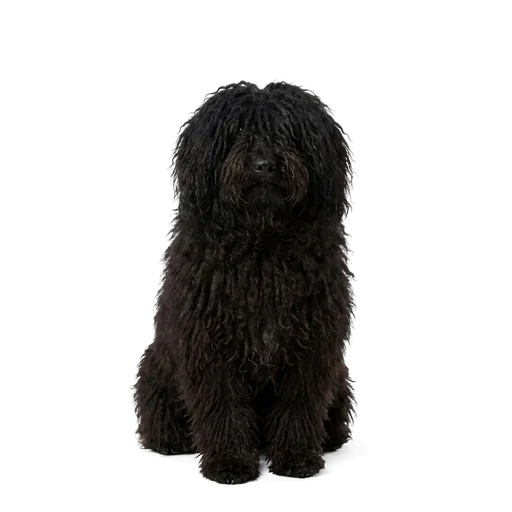
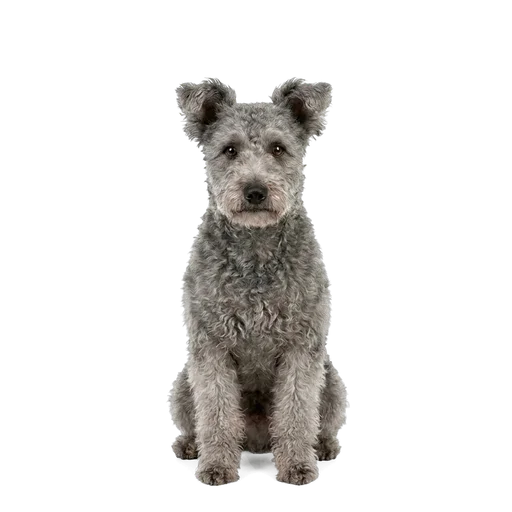
Deciding between similar breeds? Here is the Vizsla next to Puli and Pumi.
| Vizsla | Puli | Pumi | |
|---|---|---|---|
| Size | Medium | Medium | Medium |
| Weight | 20-29 kg | 11-16 kg | 8-15 kg |
| Lifespan | 12-14 yrs | 10-15 yrs | 12-13 yrs |
| Activity | Active | Active | Active |
| Shedding | Low | Low | Low |
| Good with kids | Yes | Yes | Yes |
| Apartment-friendly | No | Yes | No |
Frequently asked questions
Why is it called the velcro Vizsla?
Because it sticks to you. Vizslas form an intense bond with their people and want physical contact almost constantly, following you around the house and pressing against your side. It makes them wonderfully affectionate but also prone to separation anxiety if left alone for long stretches.
Are Vizslas good for first-time owners?
Usually not, unless the owner is very active and rarely away from home. The breed's exercise needs are demanding and its tendency toward separation anxiety catches inexperienced owners off guard. An active person who works from home or takes the dog everywhere can absolutely make it work; someone out of the house all day should choose a different breed.
How much exercise does a Vizsla need?
A lot. Plan on at least 1 to 2 hours of hard physical activity every day, meaning running, retrieving or off-lead exploring rather than a gentle stroll, plus mental work like training games or scent games. A Vizsla that is under-exercised becomes anxious and destructive, so this is a firm requirement, not a nice-to-have.
Do Vizslas shed a lot?
No. The short single coat sheds lightly to moderately and there is no undercoat to blow out seasonally. A weekly brush keeps loose hair under control. They are not hypoallergenic, though, so they still produce the dander and saliva proteins that trigger human allergies.
Can a Vizsla live in an apartment?
It is possible but hard. A Vizsla can be calm indoors once its exercise needs are fully met, so an apartment can work for a committed owner who delivers a couple of hours of real activity daily. Without that, the breed's energy and separation anxiety make apartment life stressful for both dog and neighbors.
Related breeds

Health and care information is drawn from established veterinary sources and is general guidance, not veterinary advice. See our sources
Keep records for your Vizsla
Vaccinations, food and treat safety, allergy alerts and parasite reminders - all tracked for your Vizsla in the Pethls app.